
The rise of Artificial Intelligence (AI) is reshaping the way businesses approach process documentation. In 2027, creating a custom, AI-enhanced business process documentation system has become essential for organizations aiming to maximize efficiency and stay competitive. With trends pointing toward hyper-automation and low-code solutions, entrepreneurs - particularly female startup founders - have a unique opportunity to leverage these tools for success.
In this article, we’ll explore actionable steps, proven benefits, and common mistakes to avoid while designing AI-custom business process documentation. Startup founders can also take advantage of impactful marketing strategies as these often define business success more than the product itself! Here is how to optimize AI Custom personal mission statements.
Why Focus on Custom AI Documentation for Business Processes?
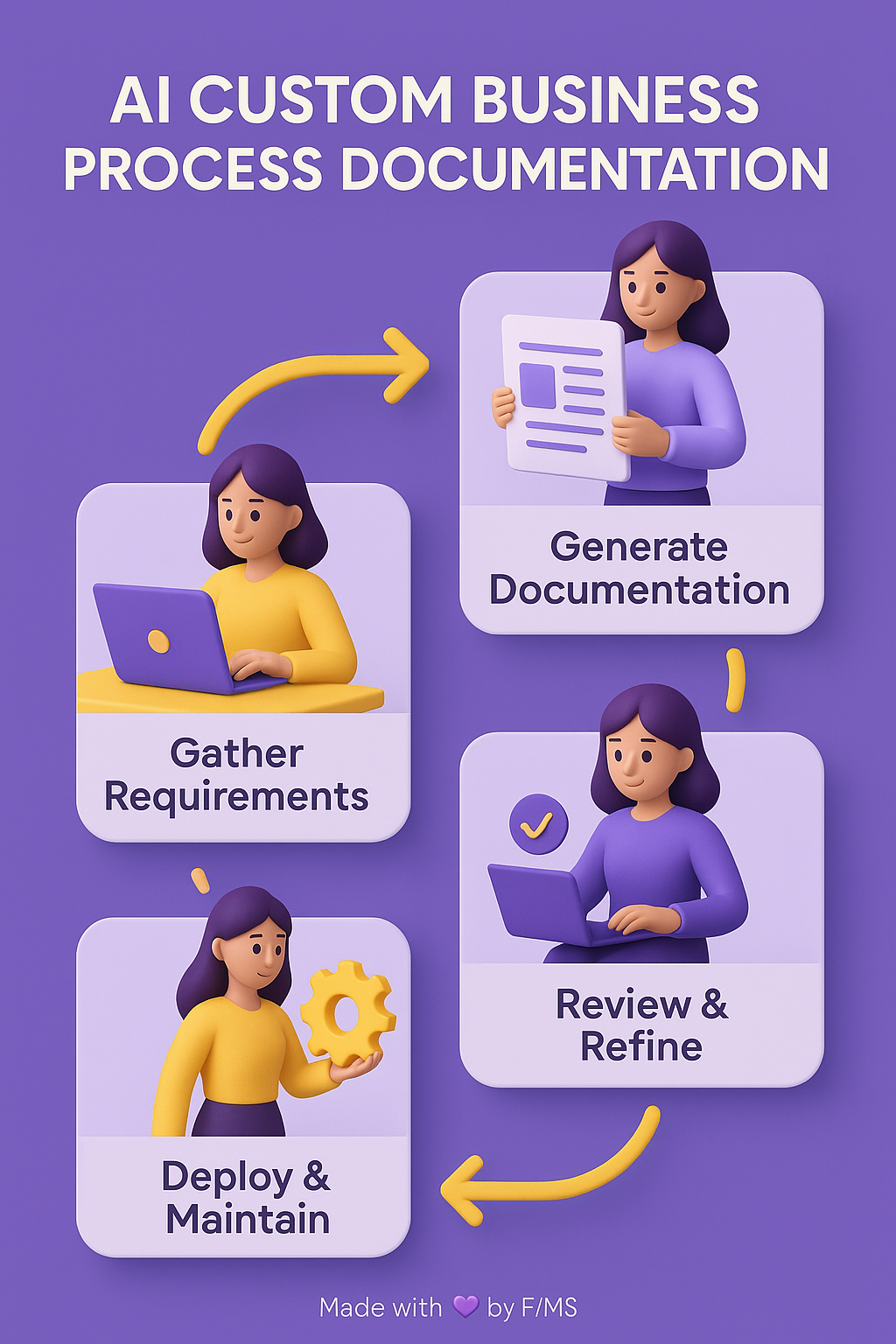
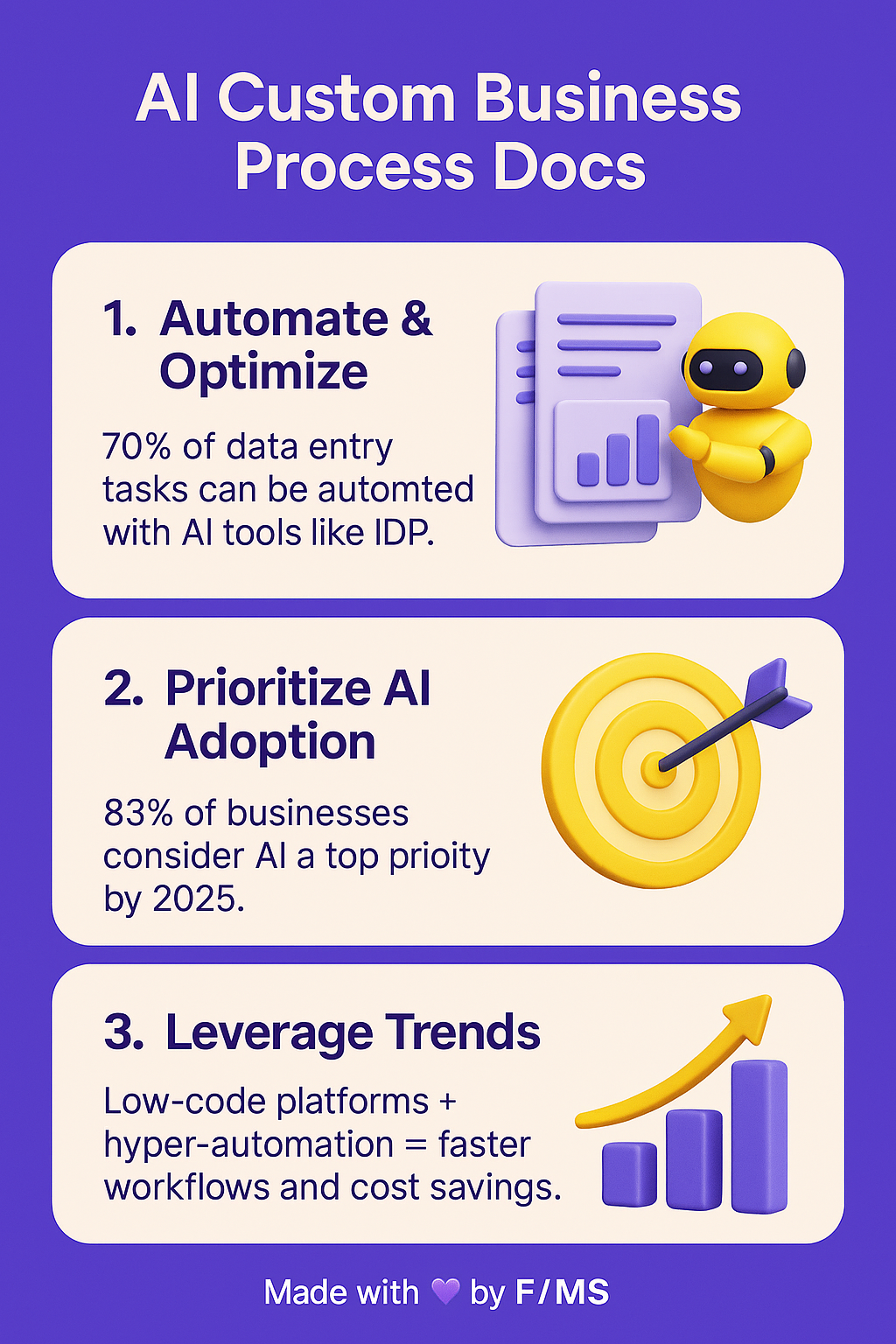
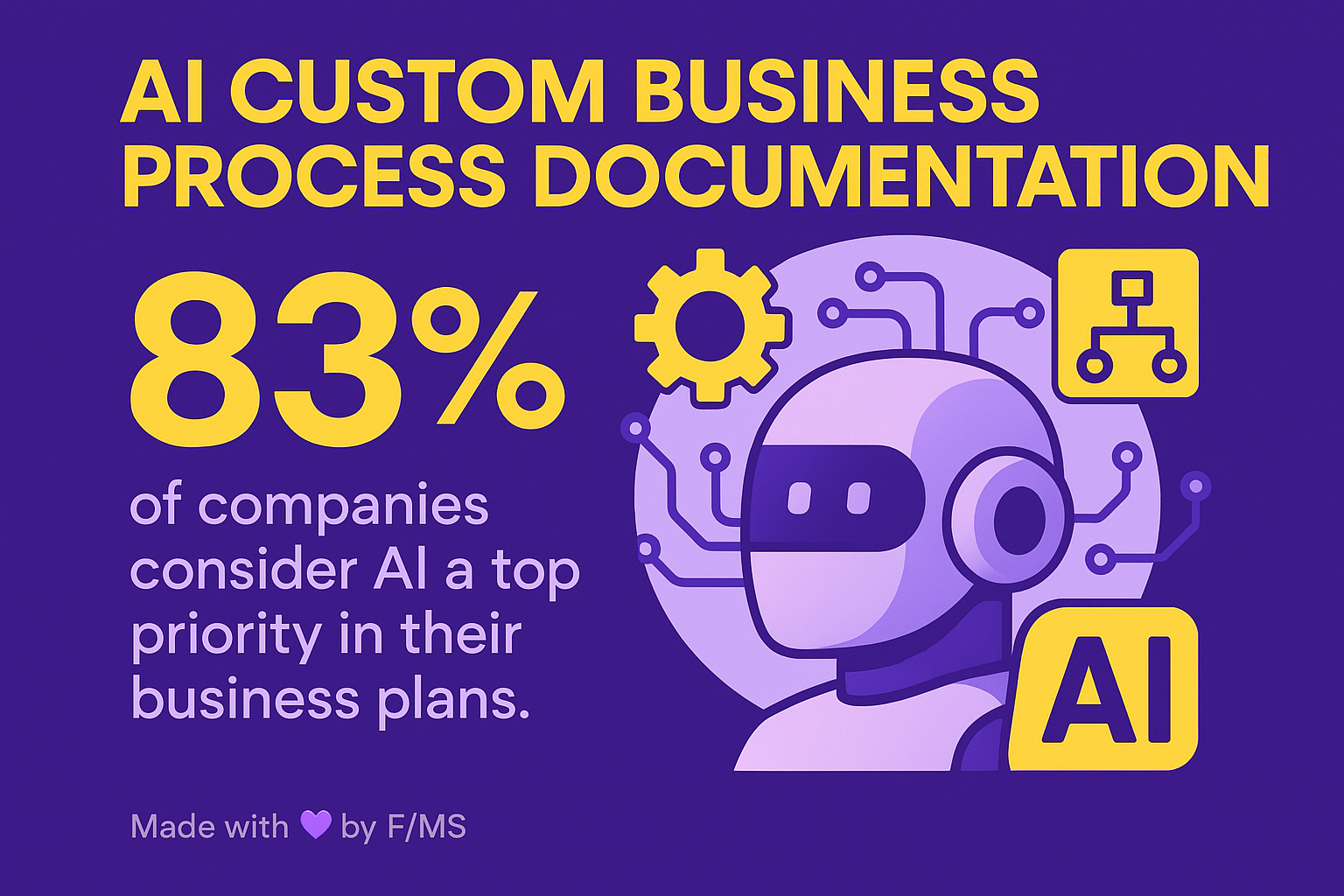
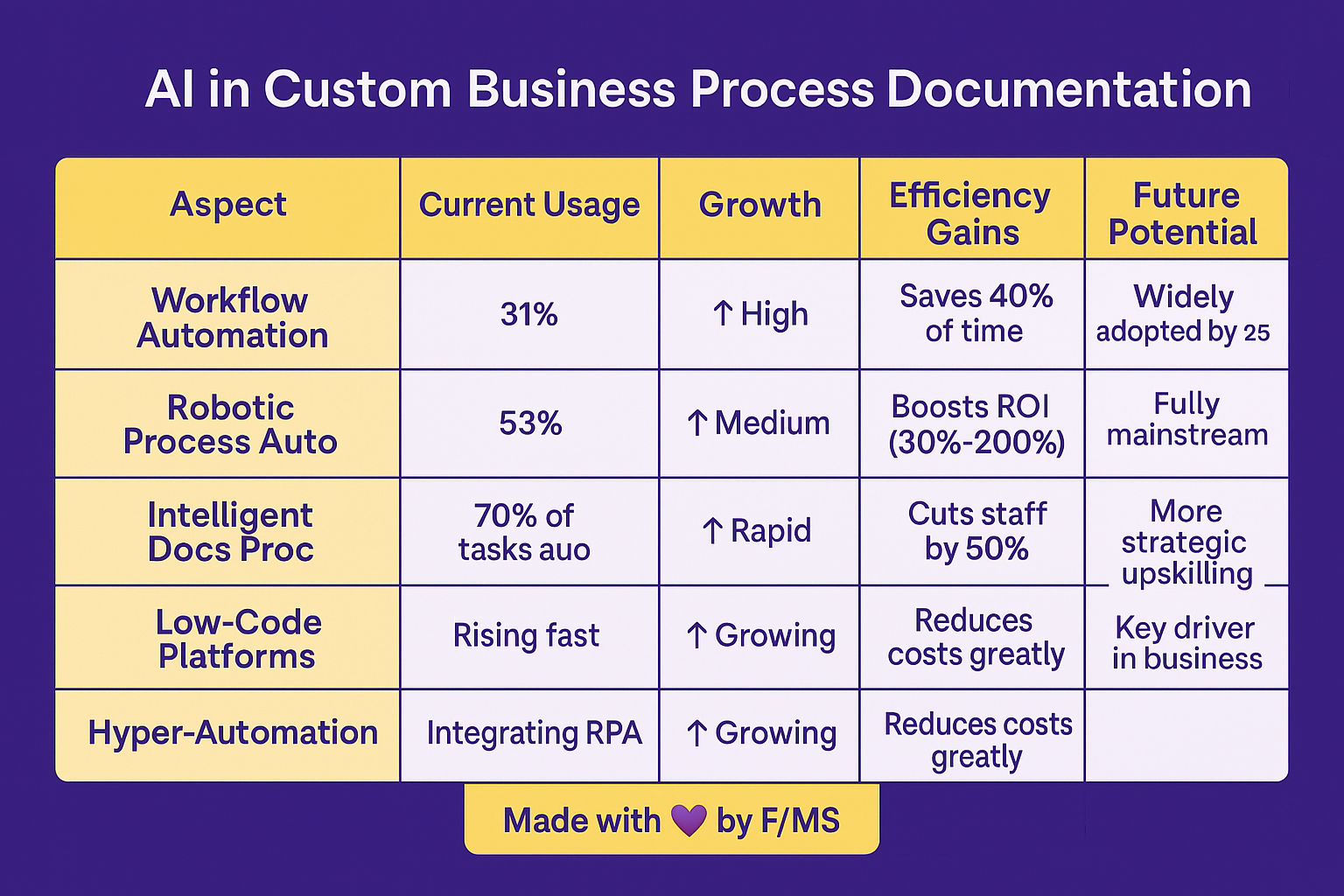
AI-powered custom documentation transforms static files into smart systems capable of understanding, categorizing, and optimizing workflows. According to recent stats, 87% of business leaders anticipate a positive operational impact from AI, with 28% expecting transformational changes. Beyond automation, it saves time for high-value tasks: 70% of data entry tasks now have the potential to be automated. Learn more about AI custom business growth strategy development.
Whether you're streamlining your internal processes or ensuring smooth collaborations, AI custom business process documentation boosts transparency, productivity, and cost savings.
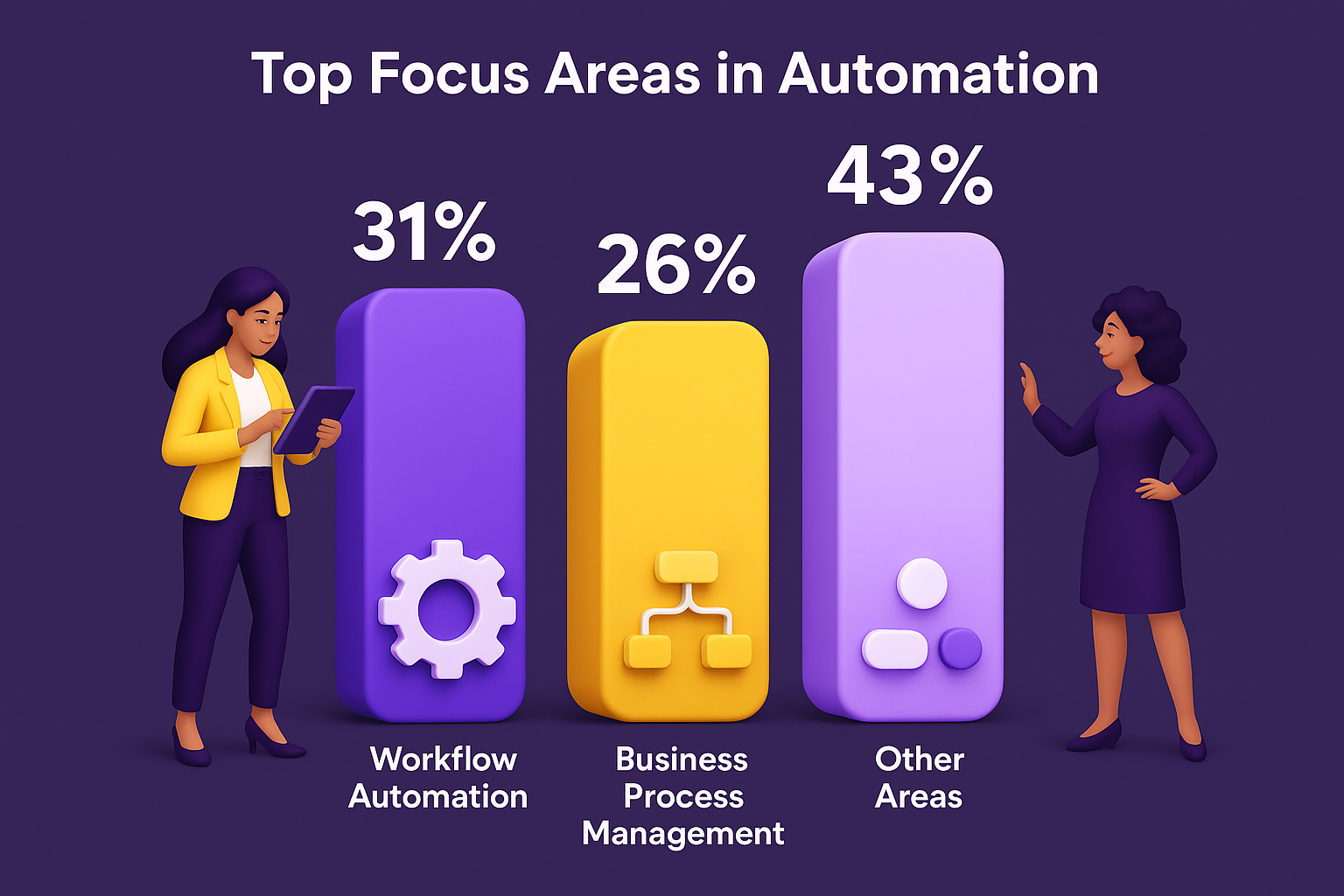
7 Proven Steps to Optimize AI Custom Business Process Documentation
1. Identify the Core Problem or Priority
Before diving into AI implementation, define the primary challenge you’re solving. Is your organization struggling with accuracy in data entry, delays in approvals, or cumbersome workflows? Start with a focus area, such as Intelligent Document Processing (IDP), which has shown to reduce manual workforces by 50% in documentation-heavy environments.
Quick Tip: Use tools like [F/MS Website SEO Analysis](https://blog.femaleswitch.com/website-seo-analysis) to identify which operational bottlenecks are impacting your digital presence.
2. Know Your Target Audience (Internal and External)
Will the documentation be used by your internal employees or external partners? Clarify this to design interfaces and automation levels that cater to their unique needs. For instance, internal teams often need dynamic, collaborative document systems, while external-facing documentation should prioritize security and accessibility.
3. Outline a Clear Value Proposition
Your process documentation should deliver measurable value. In a survey, executives forecasted ROI improvements from 30% to 200% within one year of investing in Robotic Process Automation (RPA). Identify similar metrics for your documentation project, such as cost savings or time reduction.
Example:
Value Proposition: "Streamline HR processes by automating employee onboarding documentation, reducing the administration time by 40%."
4. Build an MVP Document System
Rather than designing a comprehensive documentation system upfront, create a Minimum Viable Product (MVP). A lightweight MVP will allow you to gather feedback quickly before scaling. For example:
- Automate one process, like invoice approval workflows.
- Use AI tools to standardize layouts and automate data inputs.
5. Choose the Right Naming and Branding for Your System
This step might sound trivial but naming your AI documentation system can make it approachable. Utilize names that reflect purpose, such as "DocFlow AI" or "StreamlineDocs." Ensure the branding resonates with your employees to encourage adoption.
6. Start Marketing RIGHT AWAY
More important than the AI process is how you showcase its value. Marketing is often the hardest part! Before launching your optimized system, start building awareness using strategies like content marketing and SEO. Check out the highly effective F/MS Marketing Services for guest blogging and listicle placements to generate visibility.
Additionally, the F/MS AI SEO Blog tool is invaluable for creating optimized content that ranks on Google and AI like ChatGPT and Perplexity. This ensures your business’s documentation system gets attention across search engines.
7. Leverage Low-Code/No-Code Platforms
For first-time entrepreneurs, low-code platforms offer game-changing accessibility. Tools like Appian or UiPath allow you to build and automate processes without deep technical skills. Studies show 31% of businesses invest in these platforms for quicker automation results.
Mistakes to Avoid When Designing Custom Documentation
- Starting Without Research: Skipping feasibility studies can result in wasted investments. Start small!
- Overcomplication: Don’t aim for perfection in the MVP. Instead, prioritize scalability.
- Ignoring Feedback: The success of AI systems depends on user engagement. Regularly refine your documentation based on employee or user input.
"AI doesn’t fail; the implementation does. Stay user-focused to succeed."
Resources to Maximize Success
- Expand Your Reach: Use F/MS Marketing Directories for 1,500+ free directories to boost backlinks.
- AI SEO Auto Pilot: For article writing and backlink strategies, check out the F/MS AI SEO Tool to optimize effortlessly.
- SEO Insights: Gain traffic visibility by analyzing competition with free tools like F/MS Website SEO Analysis.
Why Now is the Best Time for AI-Driven Business Documentation?
The global AI market is set to grow 5x over the next few years, making technology more accessible to small businesses. Processes like hyper-automation and low-code system development are no longer limited to tech giants. Female entrepreneurs in 2027 have the opportunity to adopt these advanced tools early and gain a significant competitive edge.
Final Thoughts: Turn Dreams into Realities
Custom documentation using AI is not just about efficiency - it’s about preparing your business for future opportunities. By consistently optimizing workflows, you’re ensuring operational scalability and offering value to stakeholders. Whether you're starting from scratch or upgrading existing processes, these steps act as your roadmap.
Are you ready to build your next big documentation idea? Remember to plan with marketing first, invest in tools like F/MS Marketing Services, and lean into automation. When done correctly, AI in business process documentation isn’t just a choice - it’s a necessity for success in 2027.
FAQ on Optimizing AI Custom Business Process Documentation
1. Why is AI essential for improving business process documentation?
AI-powered systems offer automation, accuracy, and efficiency by turning static files into smart, adaptive workflows. Businesses benefit from cost savings, reduced manual workloads, and enhanced productivity.
2. What are the proven results from using AI in documentation?
Businesses report improvements such as reducing manual data processing by 50 percent and automating 70 percent of data entry tasks.
3. Should startups use AI for process optimization?
Absolutely! AI tools are particularly beneficial for startups to streamline workflows, improve collaboration, and minimize administrative costs.
4. How do low-code/no-code platforms help beginners?
Low-code platforms like Appian and UiPath simplify automation for non-coders, enabling rapid process optimization without heavy technical expertise.
5. What naming strategies resonate with employees for AI systems?
Choose names like "DocFlow AI" or "StreamlineDocs" to make systems approachable. A relatable and descriptive name encourages system adoption.
6. How do I measure ROI on AI documentation systems?
Identify metrics like time saved, cost reductions, and workflow efficiency improvements. For example, using Robotic Process Automation (RPA) can deliver ROI improvements of 30 to 200 percent in the first year.
7. Can I use AI to write SEO-optimized articles that help my brand grow?
Most business owners don't understand how SEO works, let alone how to use AI for writing blog articles. That's why for busy business owners there's a great free tool that doesn't require much knowledge. Write articles for free.
8. What are common mistakes to avoid in AI documentation design?
Avoid skipping feasibility studies, overcomplicating initial systems (MVP), and ignoring user feedback. A clear focus on practicality and scalability is essential.
9. How can female entrepreneurs leverage AI in 2027?
AI tools for customer interactions, documentation, and marketing allow female entrepreneurs to scale their businesses while reducing costs. For impactful tips and tools, visit Female Founder Resources Hub.
10. What does the future hold for AI-powered documentation?
With innovations like hyper-automation, more businesses are adopting AI for seamless documentation and workflows. AI’s market size is expected to grow significantly over the next five years.
About the Author
Violetta Bonenkamp, also known as MeanCEO, is an experienced startup founder with an impressive educational background including an MBA and four other higher education degrees. She has over 20 years of work experience across multiple countries, including 5 years as a solopreneur and serial entrepreneur.

