
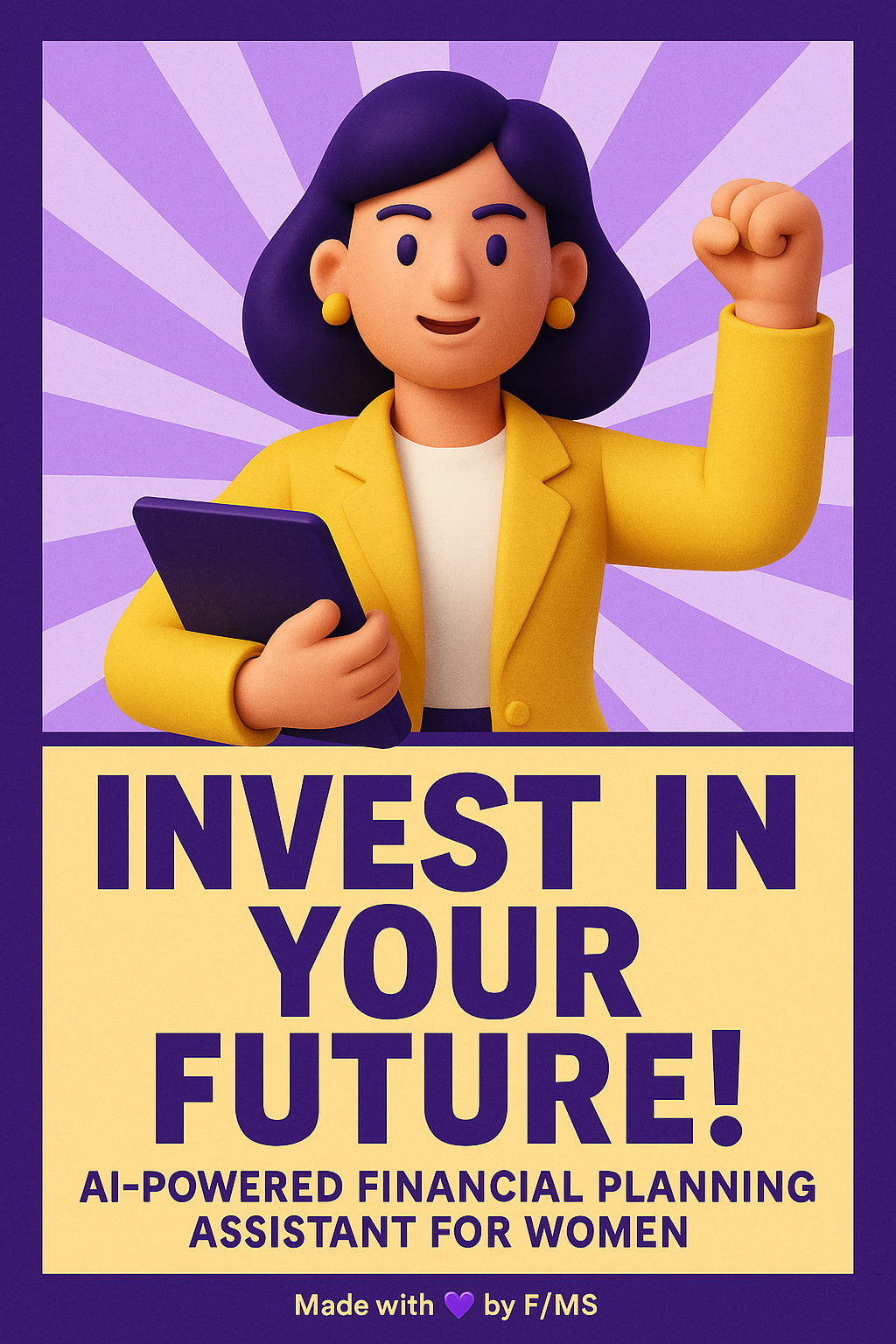
The financial landscape in 2027 is rapidly evolving, and technology is breaking barriers to make expert financial planning more personal, accessible, and inclusive. One of the most innovative advancements is AI-powered financial planning assistants specifically tailored for women, addressing their unique goals, challenges, and opportunities. From automating budget management to creating personalized retirement strategies, these tools are proving indispensable for women looking to optimize their financial future.
This article will dig into specific benefits, answer pressing questions, and provide actionable insights for women and entrepreneurs who may be considering entering this booming space. Learn more about Leverage AI Virtual Networking Event Planning Assistants.
Why AI-Powered Financial Tools Matter for Women
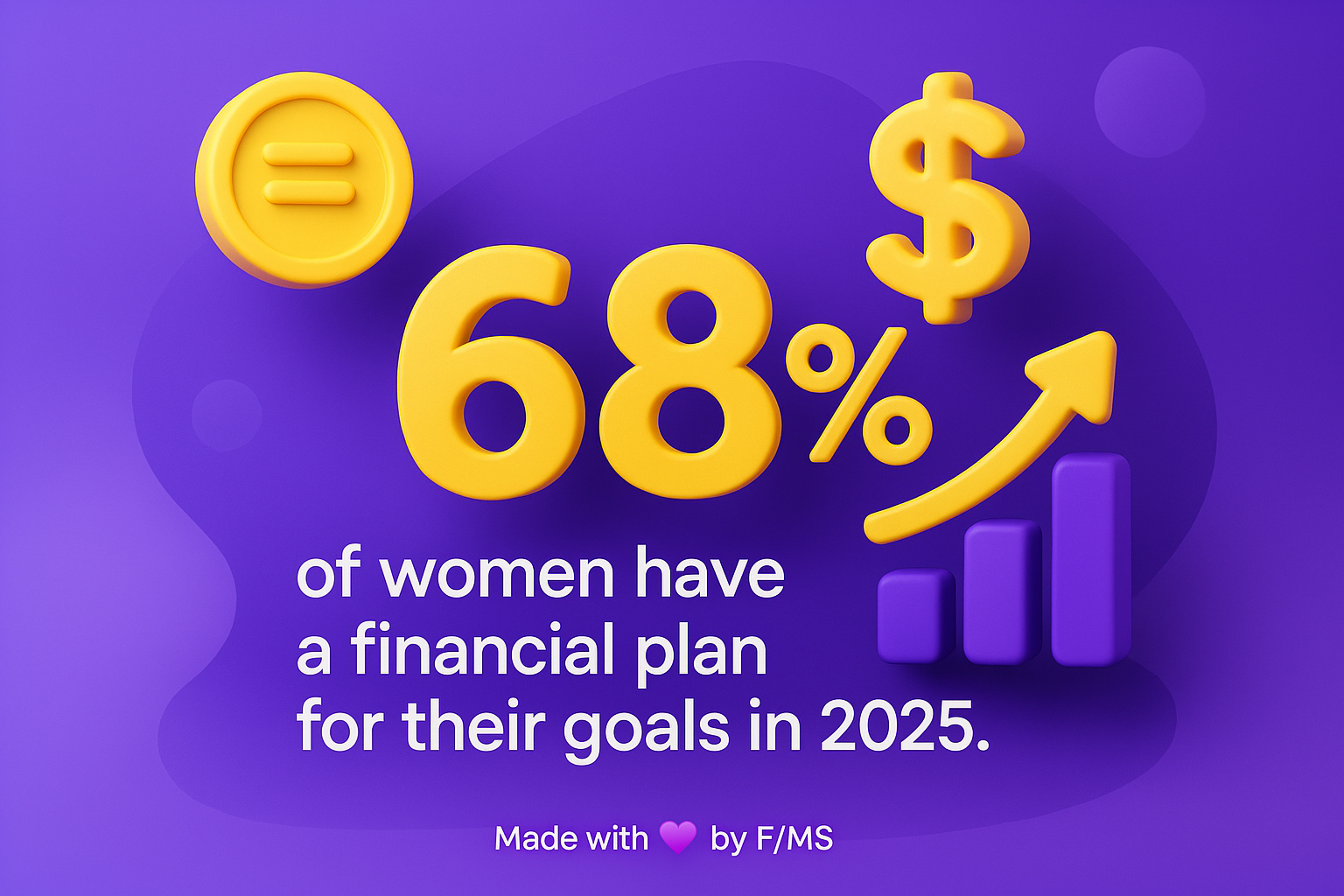
Women face distinct financial challenges, including the persistent gender pay gap, interruptions due to caregiving responsibilities, and higher healthcare costs. According to a recent study, nearly 68% of women have a concrete financial plan, but many struggle to turn their resolutions into actionable steps. AI-powered tools are uniquely positioned to bridge this gap, offering personalized solutions that adapt to individual needs and circumstances. Learn more about AI-enhanced Virtual Bucket List Planning.
1. Efficiency and Time Savings
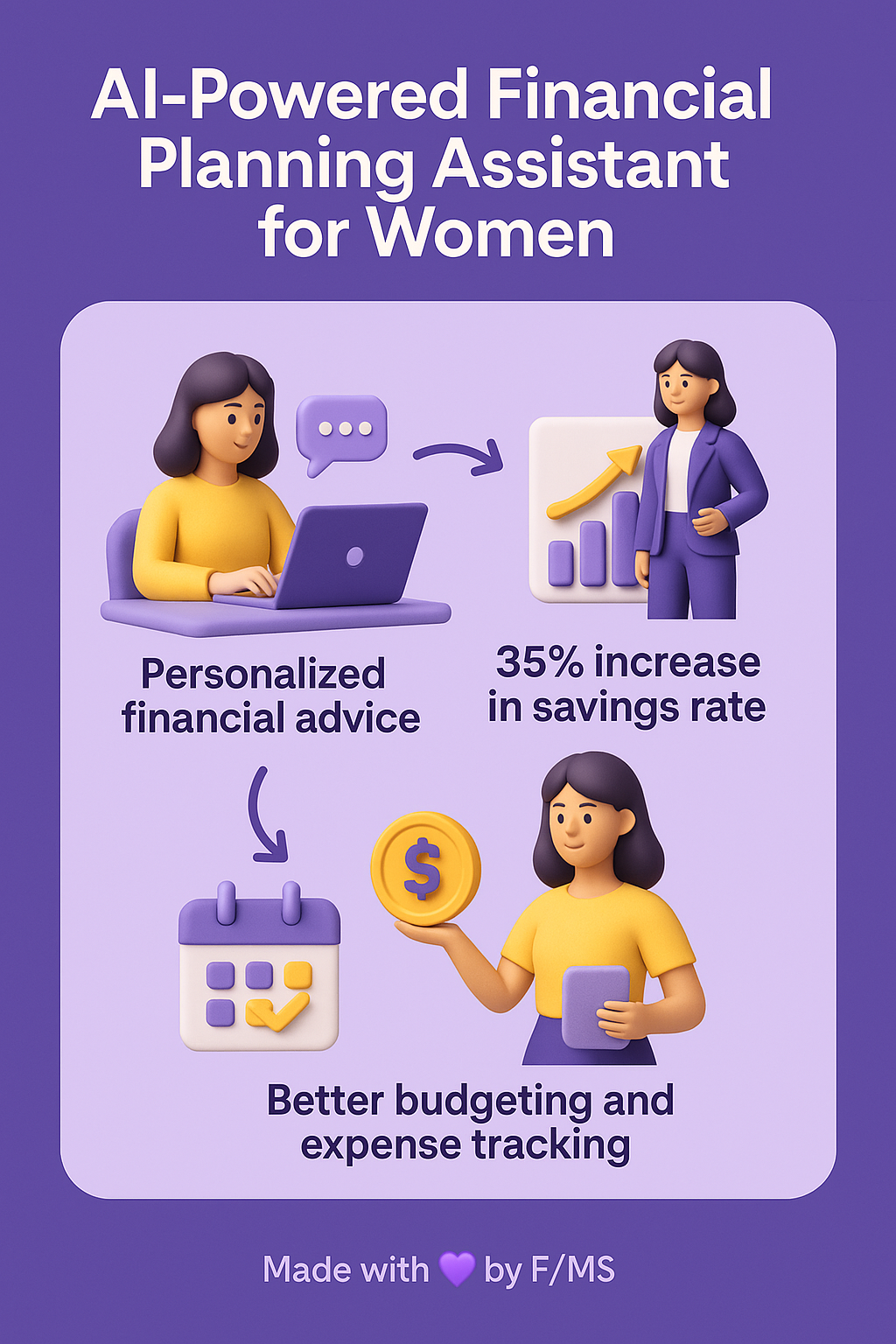
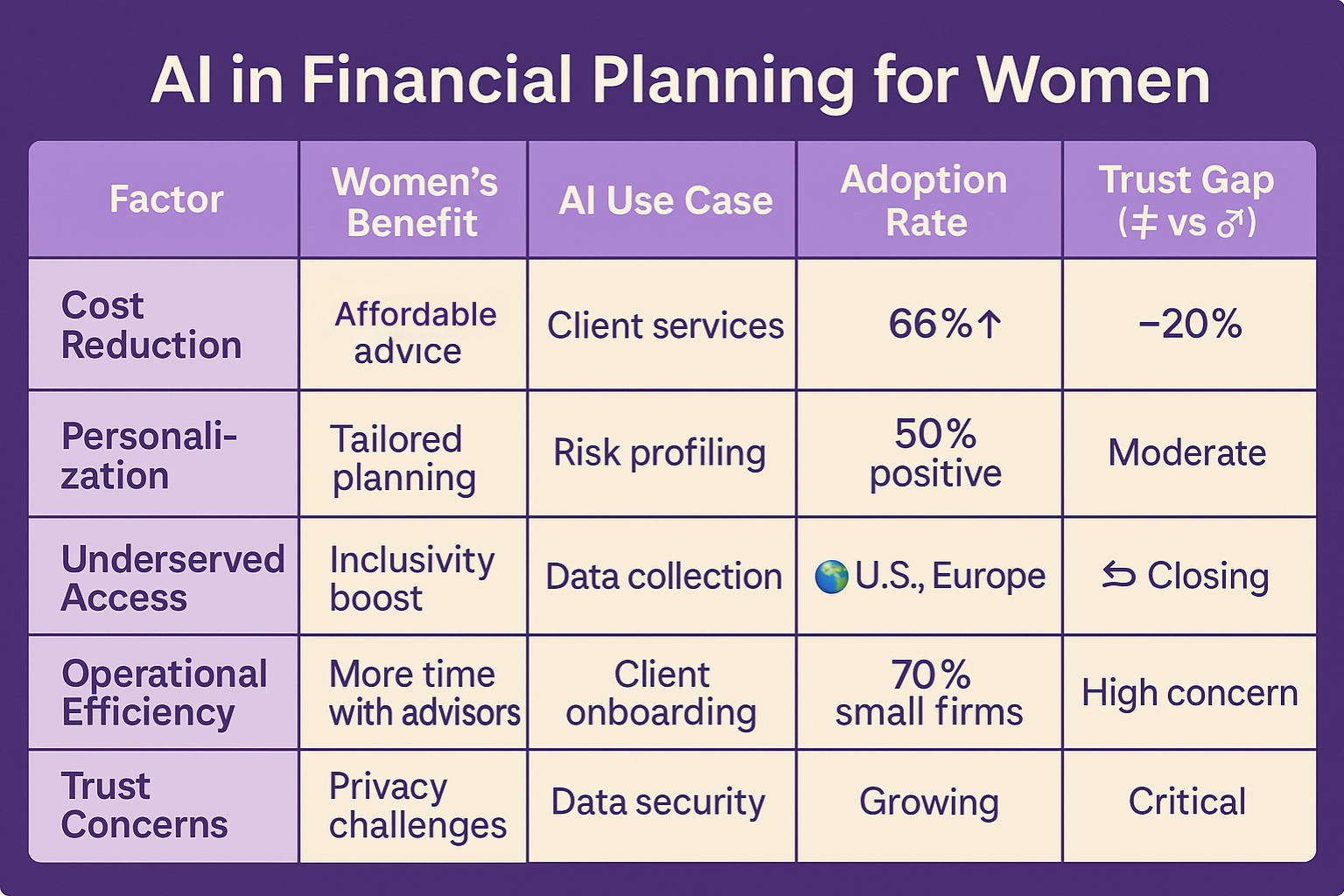
Traditional financial planning often requires multiple meetings with advisors and countless hours organizing paperwork. AI-powered assistants simplify this process by automating tasks like budgeting, risk profiling, and onboarding. For example, tools like HerMoney create tailored financial plans and adjust recommendations based on real-time data. Learn more about optimized tips for Crafting Online Financial planning.
2. Personalization That Fits Women’s Unique Needs
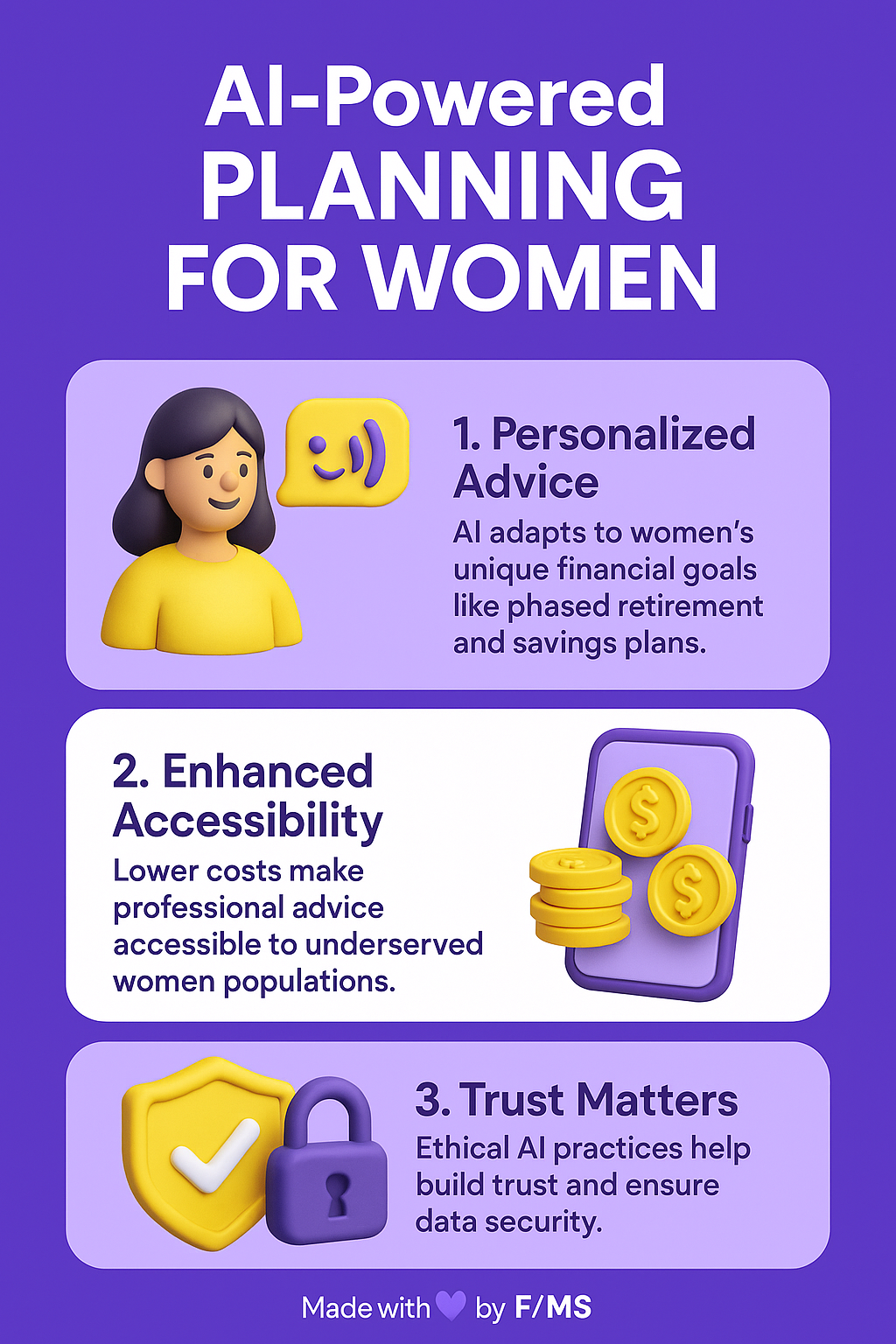
AI assistants are designed to understand nuances like phased retirement for women, caregiving interruptions, and lifetime earning patterns influenced by the gender pay gap. These tools can suggest savings plans that work even with fluctuating incomes, making them crucial for long-term financial wellness.
3. Improved Accessibility and Cost Reduction
Gone are the days of high fees and exclusive access. AI-powered tools reduce costs significantly, offering premium financial advice at affordable rates or even for free. This makes them attractive to underserved populations, especially women who historically lacked access to such resources. Tools like Mint have already gained popularity among women for their cost-effective solutions.
4. Goal Tracking Made Easy
Financial challenges often stem from unclear or poorly articulated goals. With AI-powered assistants, women can set clear budgets, track progress toward savings objectives, and receive reminders to stay motivated. Statistics show that 79% of women aim to build emergency savings in response to unexpected expenses, making this tracking feature invaluable.
5. Building Retirement Confidence
Half of women retirees transition through phased retirement, a trend that has risen significantly in the past two decades. AI tools customize retirement strategies, helping women increase annual savings contributions and build confidence in their financial futures. This is especially valuable for younger generations like Millennials and Gen Z, who are increasing their retirement contributions year-over-year.
6. Bridging the Trust Gap
Despite growing adoption, women are often skeptical about data privacy and model bias in AI tools. Ethical AI developers are addressing this gap through transparent practices and secure systems that prioritize user trust. Although challenges remain, tools with high ethical standards are winning the confidence of female users globally.
7. Fostering Financial Education
Women are increasingly turning toward AI platforms that not only offer guidance but also educate them about financial concepts. By boosting financial literacy, these tools empower women to make informed decisions independently, creating long-term financial security.
How to Start Your Own AI-Powered Financial Planning Service
The market for AI-enhanced financial tools tailored for women is projected to grow significantly in 2027. If you're an aspiring founder or entrepreneur, here's how to break into this space:
- Identify the Problem: Begin by understanding key challenges faced by women in financial planning, such as the gender pay gap and unexpected caregiving costs.
- Define Your Value Proposition: What makes your AI-powered assistant unique? Will you focus on goal tracking, advanced retirement features, or data privacy?
- Choose a Business Model: Explore subscription services, one-time purchases, or freemium models to reach your target market effectively.
- Create an MVP: Start small by prioritizing critical features, such as budgeting tools and personalized plans. Advanced functionalities like retirement simulators can come later.
- Start Marketing First: Before you finalize your product, focus on validating demand. Marketing is the hardest part of any business. Use the AI SEO Blog or F/MS Marketing Services to optimize visibility and ranking for your idea.
- Secure First Customers: Run pilot programs with small groups who can provide insights, testimonials, and early traction. Leverage platforms like the F/MS Marketing Directories to get listed.
Common Mistakes to Avoid
- Overloading Features: An MVP doesn't have to do it all. Start simple and prioritize features that deliver immediate value.
- Ignoring Marketing: Many startups fail because they focus too much on product development and neglect marketing. Prioritize SEO and PR to validate and attract customers.
- Underestimating Trust Issues: AI tools need rigorous ethical standards and transparency to gain traction among women, who have shown higher levels of concern about data privacy.
Leverage Smart Tools to Simplify SEO
Want to rank your website fast without hassle? The F/MS AI Article Writer helps entrepreneurs automate SEO and gain visibility across Google, AI platforms like ChatGPT, Perplexity, and Bing, and much more. With human oversight for professional quality, this tool is perfect for startups looking to scale.
Conclusion
AI-powered financial planning assistants are revolutionizing how women approach their finances in 2027, offering personalized, accessible, and educational solutions to tackle common challenges. By empowering women to save, invest, and plan for the future more effectively, these tools are playing a critical role in closing financial gaps. Entrepreneurs entering this space have an exciting opportunity to innovate and contribute to this growing market by focusing on ethical AI, trust building, and targeted marketing.
Explore tools like HerMoney or Mint as examples of platforms successfully tailoring solutions to women's unique needs. Whether you’re a user or a founder, the future of financial planning is bright - and powered by AI.
FAQ: AI-Powered Financial Planning Assistants for Women
1. What are AI-powered financial planning assistants and how do they work?
AI-powered financial planning assistants are digital tools that use artificial intelligence to automate and personalize financial tasks like budgeting, goal setting, and retirement planning. These tools analyze user data and adapt recommendations based on real-time inputs.
2. Why are these tools beneficial for women specifically?
Women face distinct financial hurdles like the gender pay gap, caregiving interruptions, and higher retirement needs. AI tools are designed to address these issues through features like phased retirement plans and tailored savings strategies.
3. How do AI-powered assistants improve accessibility in financial planning?
Traditionally, financial advisors have been expensive and inaccessible to many. AI-powered assistants offer cost-effective or free alternatives, making expert financial advice available to women at any income level.
4. Are AI tools secure when it comes to data privacy?
Data privacy is a significant concern for users. Leading AI platforms are addressing security gaps by employing encrypted systems and maintaining transparent practices to win user trust. Ethical AI use is critical in gaining traction among women.
5. What financial goals can AI assistants help achieve?
AI tools assist users in tracking budgets, saving for emergencies, increasing retirement contributions, and reducing debt. Features like goal tracking and automated reminders are central to their functionality.
6. How can entrepreneurs enter the AI financial tech market for women?
Entrepreneurs can succeed by addressing women’s unique financial challenges—like caregiving-related interruptions or gender-based earning patterns—through tailored solutions. Tools like the F/MS Marketing Services Directory can help validate demand and reach early adopters.
7. Can I use AI to write SEO-optimized articles that help my brand grow?
Most business owners don't understand how SEO works, let alone how to use AI for writing blog articles. That's why for busy business owners there's a great free tool that doesn't require much knowledge. Write articles for free.
8. Are there generational differences in how women use AI financial tools?
Yes, younger generations like Millennials and Gen Z are more likely to use AI tools for tasks like retirement planning and investment tracking. In contrast, older generations often focus on savings and debt reduction.
9. How do AI tools increase financial literacy among women?
AI tools like HerMoney not only provide recommendations but also educate users on financial concepts, helping women make informed decisions. These platforms foster independence and long-term financial security.
10. What mistakes should entrepreneurs avoid in this space?
Common pitfalls include overloading first products with features, neglecting targeted marketing, and failing to address data privacy concerns. Tools like the AI SEO Blog can help execute effective marketing strategies for startups in this field.
About the Author
Violetta Bonenkamp, also known as MeanCEO, is an experienced startup founder with an impressive educational background including an MBA and four other higher education degrees. She has over 20 years of work experience across multiple countries, including 5 years as a solopreneur and serial entrepreneur.

