

In the evolving landscape of AI-driven tools and personalized experiences, AI Virtual Party Planning Assistants are revolutionizing how we organize events. These AI tools leverage automation, natural language processing, and data-driven insights to simplify party planning, making it an ideal business idea for first-time female entrepreneurs. Whether you’re targeting birthdays, weddings, corporate events, or casual soirees, the low barrier to entry and high growth potential of this niche makes it a compelling choice in 2027.
This guide explores seven proven tips to help you successfully launch an AI virtual party planning assistant business, complete with actionable steps, statistics, and strategies for validation.
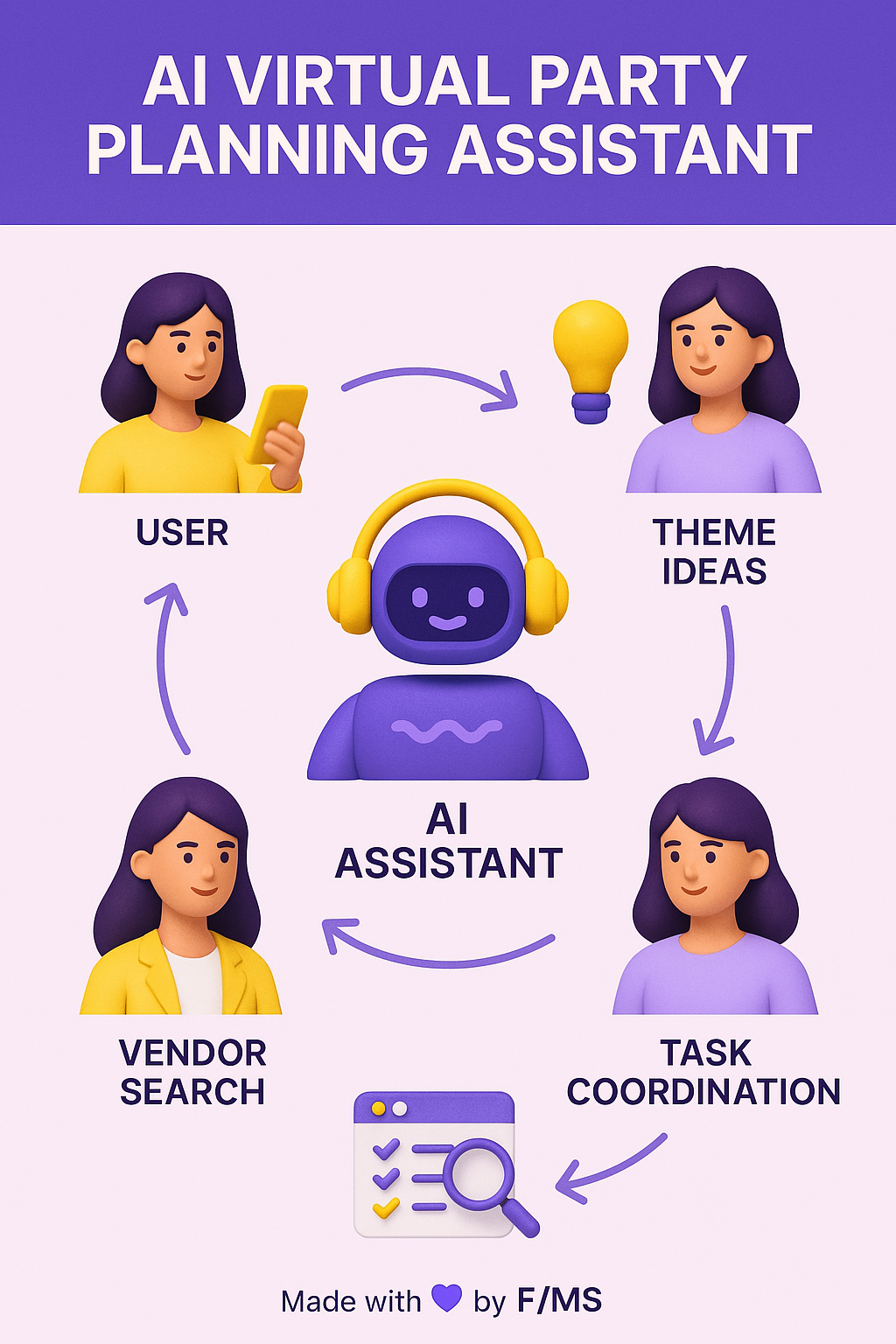
Why AI Virtual Party Planning is a Must-Have Idea in 2027
The party and event planning industry is rapidly adopting AI tools to enhance personalization, cut costs, and improve efficiency. Market research highlights that:
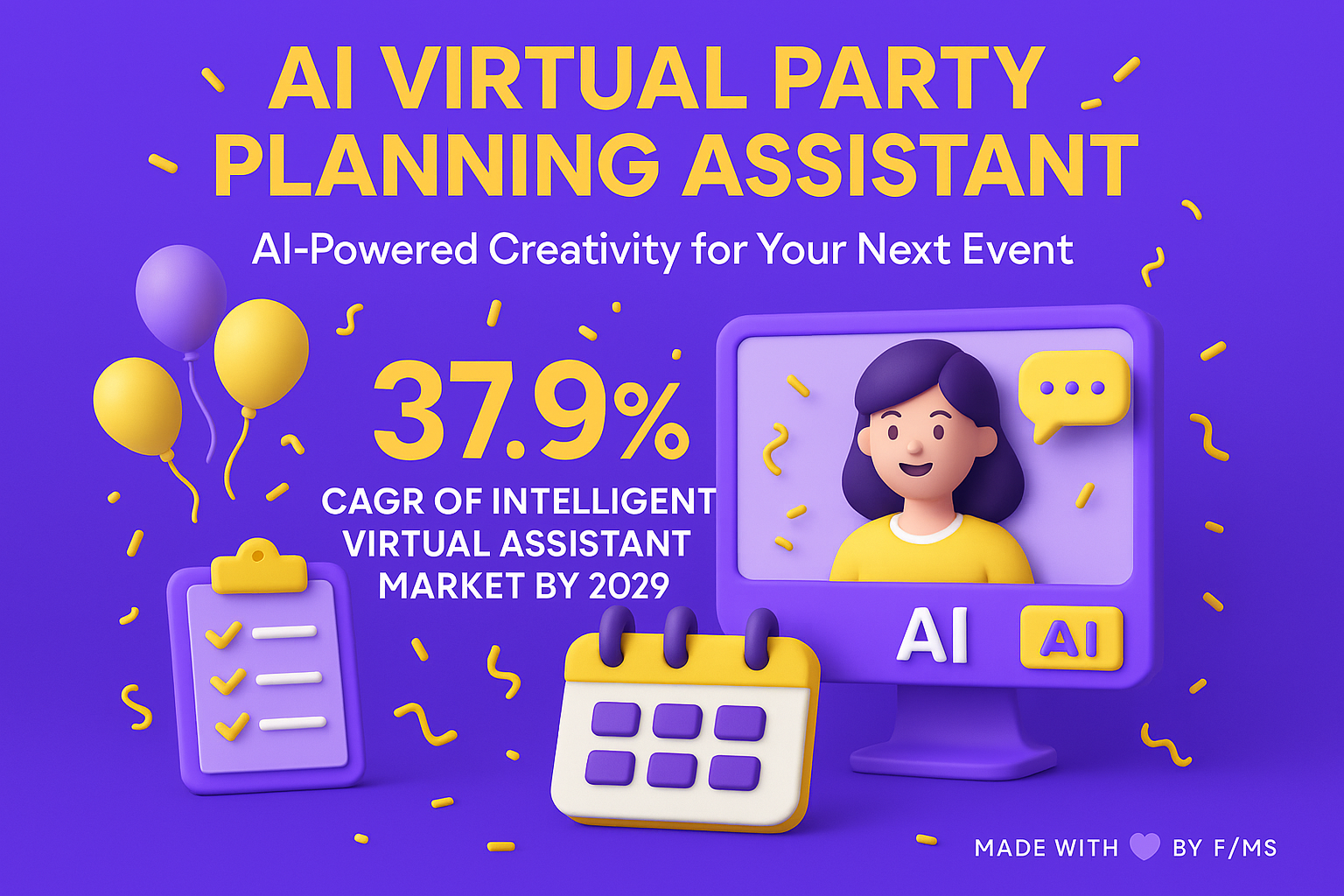
- The intelligent virtual assistant market is projected to grow from $22.37 billion in 2027 to $80.95 billion by 2029, with a staggering CAGR of 37.9%.
- AI tech in event management is valued at $15.5 billion in 2027 and shows strong upward growth.
- 50% of meeting planners globally aim to integrate AI tools into their workflows by 2027.
These numbers demonstrate a significant demand for AI-powered solutions, making this niche both exciting and lucrative.
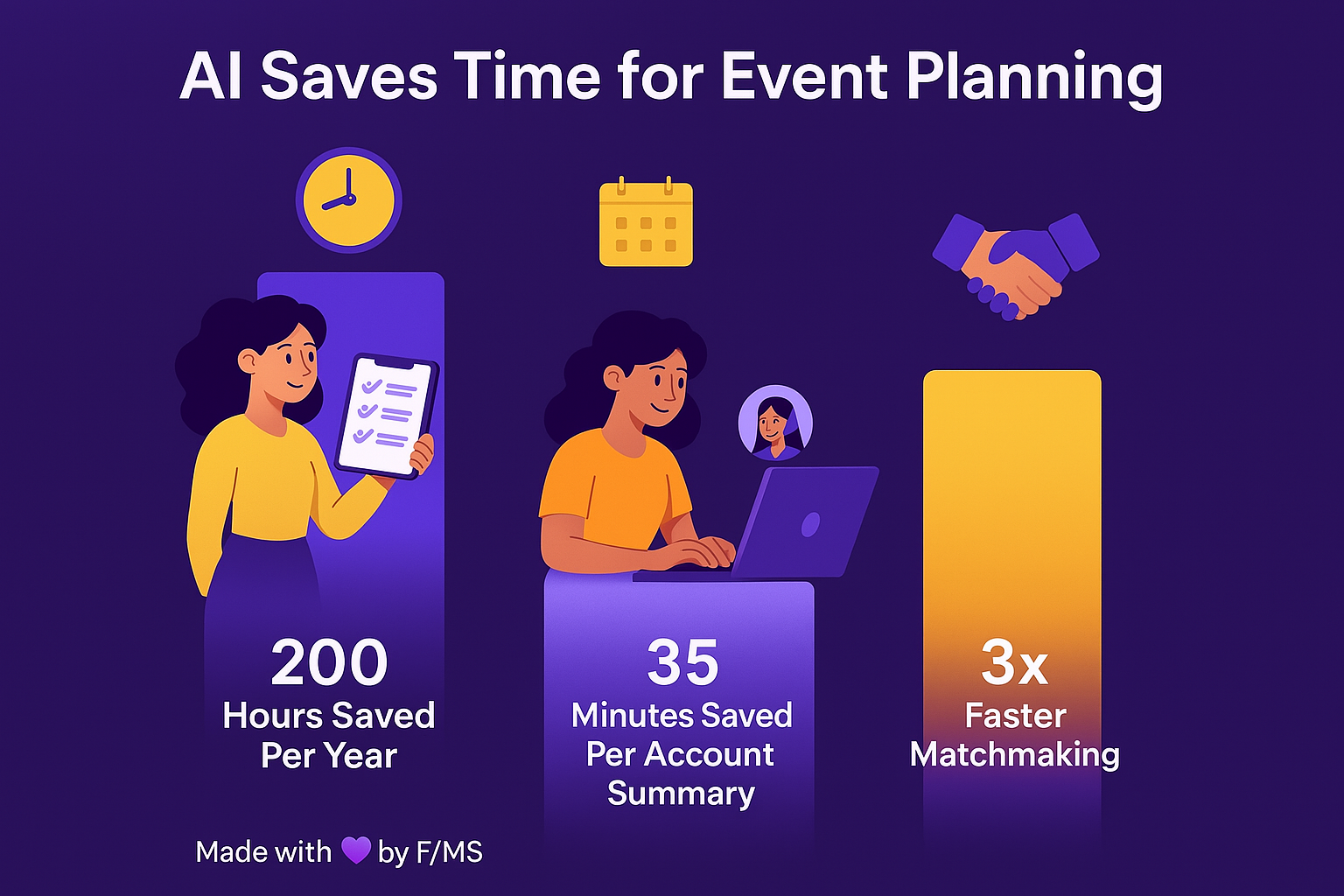
Top 7 Steps for Creating an AI Virtual Party Planning Assistant
1. Start with the Problem and Target Audience
Every great business starts by solving a real problem. Identify your target audience and pain points. For instance:
- Problem: Planning a party is time-consuming and stressful.
- Target Audiences: Busy parents, event organizers, and professionals juggling work with personal commitments.
- Value Proposition: Save time, lower costs, and reduce stress with an AI assistant that personalizes every aspect of the event.
2. Define Your Minimum Viable Product (MVP)
Your MVP should focus on essential features that provide immediate value to your users. Examples:
- AI-powered event theme recommendation.
- Budget estimator and checklist creation.
- Vendor and venue sourcing based on preferences.
Ensure to beta-test your MVP with real users to collect insights for improvement.
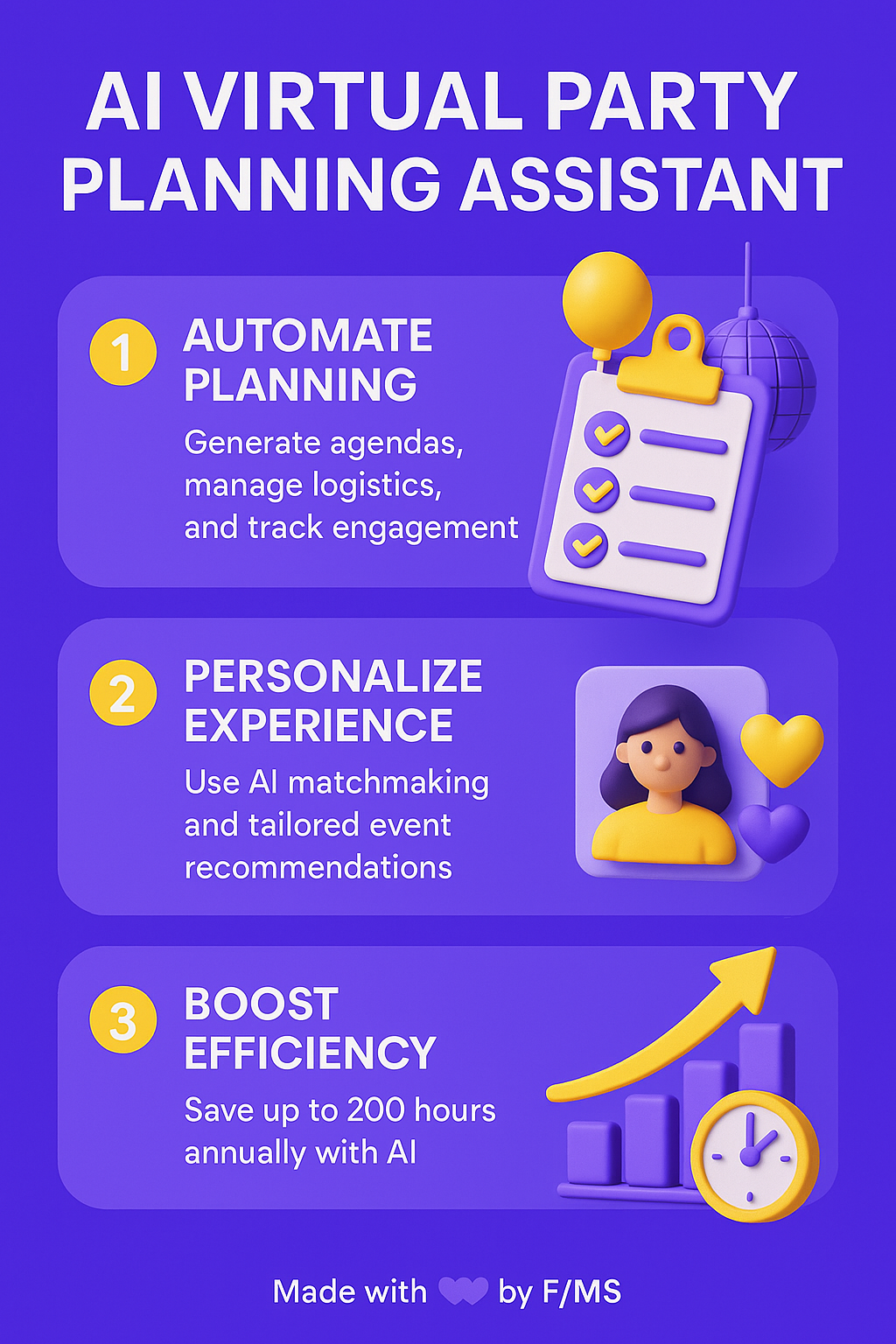
3. Pick a Business Name and Branding Strategy
Your business name should resonate with your target audience and reflect your product’s purpose. For example:
- Possible Names: PartyPlannerAI, EventEase, FestivityBot.
- Brand Identity: Incorporate playful yet professional visuals to emphasize seamless planning.
Add branding assets to your digital platforms using AI design tools to keep costs low.
4. Establish a Revenue Model
Decide how you’ll generate revenue. Common options include:
- Freemium Model: Offer basic features for free and charge for premium tools like detailed budget tracking or advanced customizations.
- Subscription Plans: Monthly or annual plans based on functionality tiers.
- Transactional Fees: Earn from vendors or affiliates for bookings made via your platform.
5. Plan Your Marketing Strategy Early
Launching your product is the easy part; marketing is where most businesses struggle. Use these essential tools:
- AI SEO Blog: Use the F/MS AI SEO Blog to automate content creation that ranks your website on Google. A strong SEO foundation ensures potential customers find you first when searching for virtual party planning solutions.
- F/MS Marketing Services: Secure backlinks and guest blog posts with F/MS Marketing Services to boost domain authority and traffic.
- Directories: Submit your business to niche directories using tools like F/MS Marketing Directories to increase visibility.
These resources will help you not just build awareness but validate demand from potential users early.
6. Focus on Personalization and User Experience
AI-powered tools thrive on delivering personalized value. Features you might integrate include:
- Tailored Recommendations: Suggest themes, venues, and activities based on past preferences.
- Real-Time Changes: Enable users to update event details on the go, with instant feedback from the AI.
- Gamification: Make planning fun by turning milestones into a points or rewards system.
7. Validate with First Customers
Focus on testing your product with a small, targeted group before going wide.
- Contact local event organizers or small business owners for feedback.
- Offer free trials or beta access in exchange for reviews and testimonials.
- Build an email list early, using lead magnets like a free “Ultimate Party Planning Checklist” to attract and nurture potential users.
Avoid These Common Mistakes
- Overloading Features Too Early
Start small with basic features that solve primary pain points instead of overcomplicating the product.
- Ignoring Customer Insights
Always iterate your solution based on real feedback from users to ensure alignment with their needs.
- Underestimating Competition
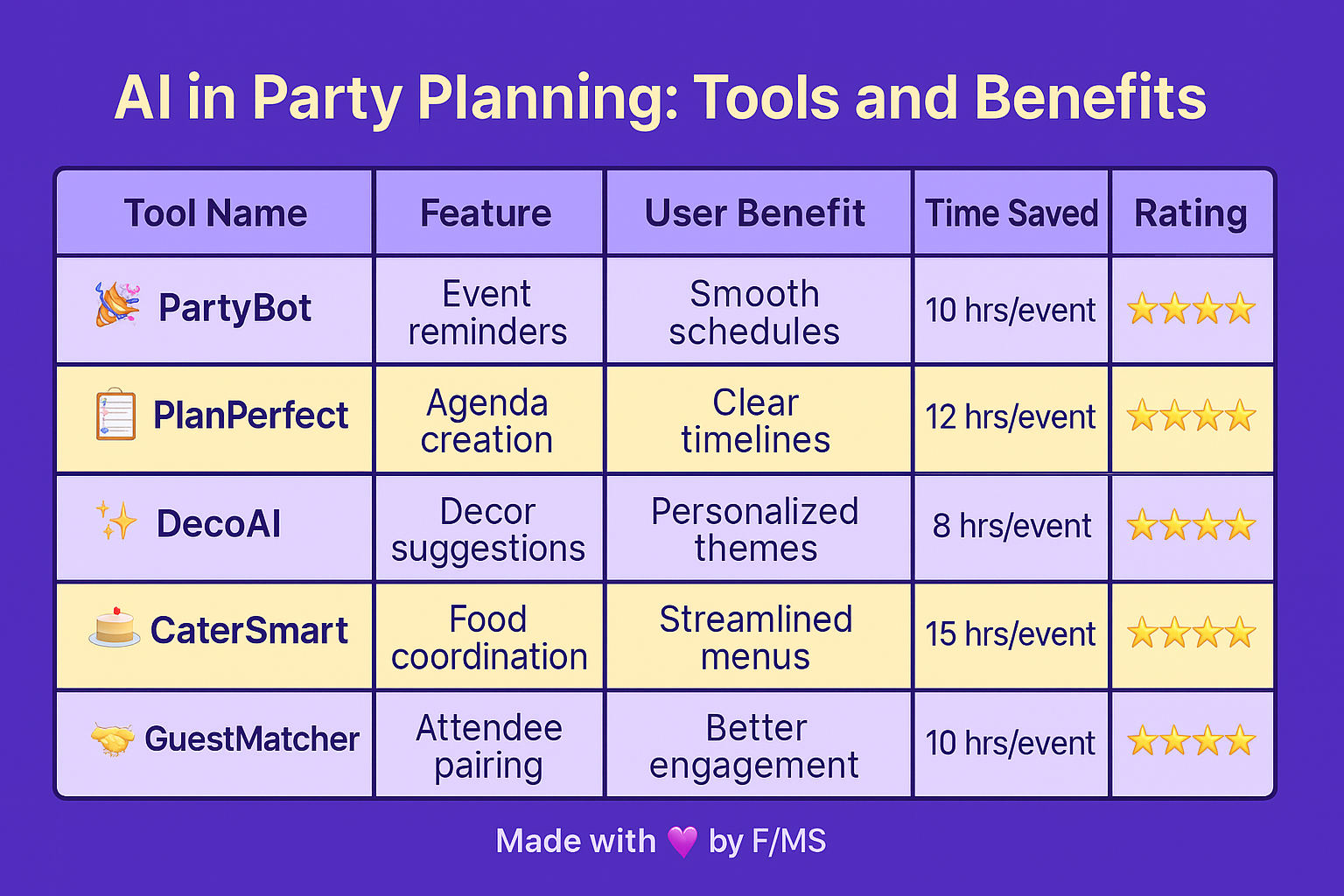
Research competitors like PartyBot and Eventify to understand their strengths and potential gaps you can fill.
Additional Tools for Success
Once you’re ready to scale, ensure your website ranks not just on search engines like Google but also in AI chatbots. Use F/MS AI Article Writer to set up SEO on autopilot. This tool helps your content appear across ChatGPT, Bing AI, and even Perplexity, giving you a competitive edge.
Key Takeaways
By solving real problems, focusing on user-friendly features, and leveraging data-backed marketing strategies, aspiring female entrepreneurs can easily enter the AI event automation market. The demand for personalized, accessible solutions in this sector underscores its growth potential in 2027.
With time-saving features, flexible pricing models, and smart branding, your AI virtual party planning assistant can quickly become the go-to tool for event planners everywhere.
Ready to Elevate Your Idea?
Start with strong marketing foundations to validate your niche early, and let tools like the F/MS SEO Blog Services and F/MS Marketing Directories give you an edge. With the right mindset and tools, you have everything you need to turn this idea into a thriving business in 2027!
FAQ on Launching an AI Virtual Party Planning Assistant
1. What is an AI Virtual Party Planning Assistant?
An AI Virtual Party Planning Assistant leverages artificial intelligence to automate and simplify event planning tasks. It helps with theme suggestions, budget estimation, vendor coordination, and guest management, making it a valuable tool for busy professionals and event organizers.
2. Why is the AI event planning industry projected to grow so fast?
The industry is driven by demand for personalization, time savings, and operational efficiencies in event management. The intelligent virtual assistant market is expected to grow from $22.37 billion in 2027 to $80.95 billion by 2029, at a CAGR of 37.9%.
3. What are the core features of an AI-powered event planning tool?
Essential features include automated budget creation, task reminders, vendor recommendations, guest list management, and real-time changes based on user input. These tools also use natural language processing for seamless interaction.
4. How can I monetize an AI virtual party planning assistant?
Popular revenue models include a freemium structure (basic features free, premium paid), subscription plans, and transactional fees from affiliate vendors.
5. How does AI improve the customer experience in event planning?
AI enables hyper-personalization by analyzing user behavior to recommend tailored event themes, venues, and even foods. It also supports real-time updates and gamifies the planning process to make it more engaging.
6. Are there marketing tools to help launch an AI party planning assistant?
Yes, marketing strategies include using SEO blogs, building backlinks with services like F/MS Marketing Services, and submitting your business to directories via F/MS Marketing Directories to enhance visibility and reach.
7. Can I use AI to write SEO-optimized articles that help my brand grow?
Most business owners don't understand how SEO works, let alone how to use AI for writing blog articles. That's why for busy business owners there's a great free tool that doesn't require much knowledge. Write articles for free
8. What industries benefit from AI event assistants besides private parties?
Industries that leverage AI event assistants include corporate event planning, weddings, healthcare conferences, retail expos, and educational workshops.
9. What is the best way to validate and test a new AI event planning tool?
Validate your product by offering free trials or beta access to a small group of users. Request feedback from local event organizers and professionals to refine and improve your tool before a full-scale launch.
10. Are there established competitors in the AI party planning space?
Yes, notable competitors include PartyBot and Eventify, which focus on digital event coordination and AI matchmaking for attendees and sponsors. Understanding their strengths can help identify unique gaps to target.
About the Author
Violetta Bonenkamp, also known as MeanCEO, is an experienced startup founder with an impressive educational background including an MBA and four other higher education degrees. She has over 20 years of work experience across multiple countries, including 5 years as a solopreneur and serial entrepreneur.

