
In 2027, AI-powered virtual sustainable fashion shopping guides are revolutionizing the way people shop for eco-friendly clothing. With cutting-edge technologies like machine learning, virtual try-ons, and trend analysis, these guides streamline decision-making by reducing waste and offering personalized recommendations. This article delves into the top benefits and steps of using these guides, providing insights, statistics, and practical tips to help female entrepreneurs capitalize on the sustainability movement in the fashion industry.
Introduction: Why AI Virtual Sustainable Fashion Guides Matter Now
As eco-conscious shopping becomes more prevalent, consumers are demanding transparency, personalization, and reduced environmental impact from the fashion industry. The global shift towards sustainability highlights an emerging market opportunity for female entrepreneurs to harness technology and cater to this demand. AI virtual shopping guides provide:
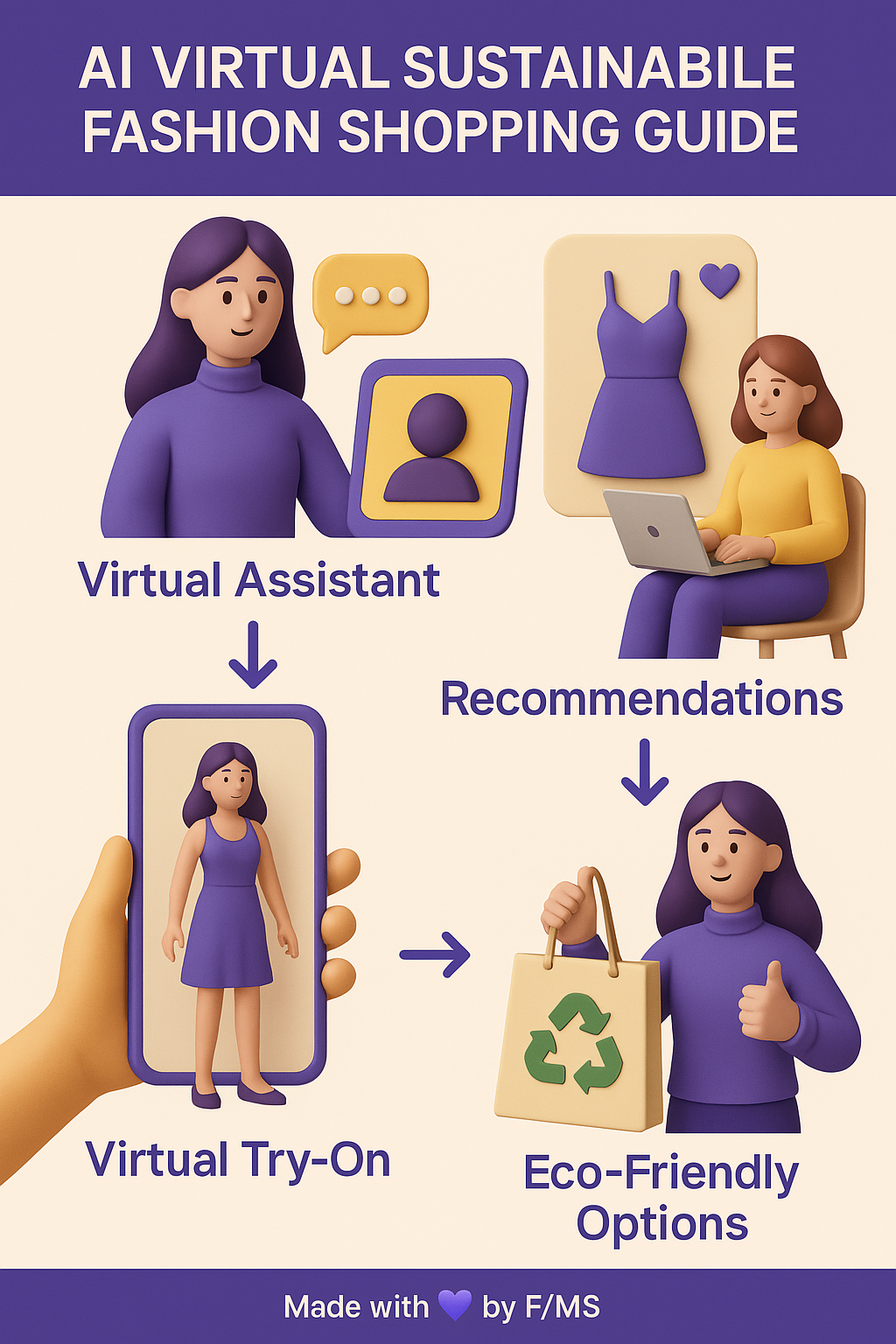
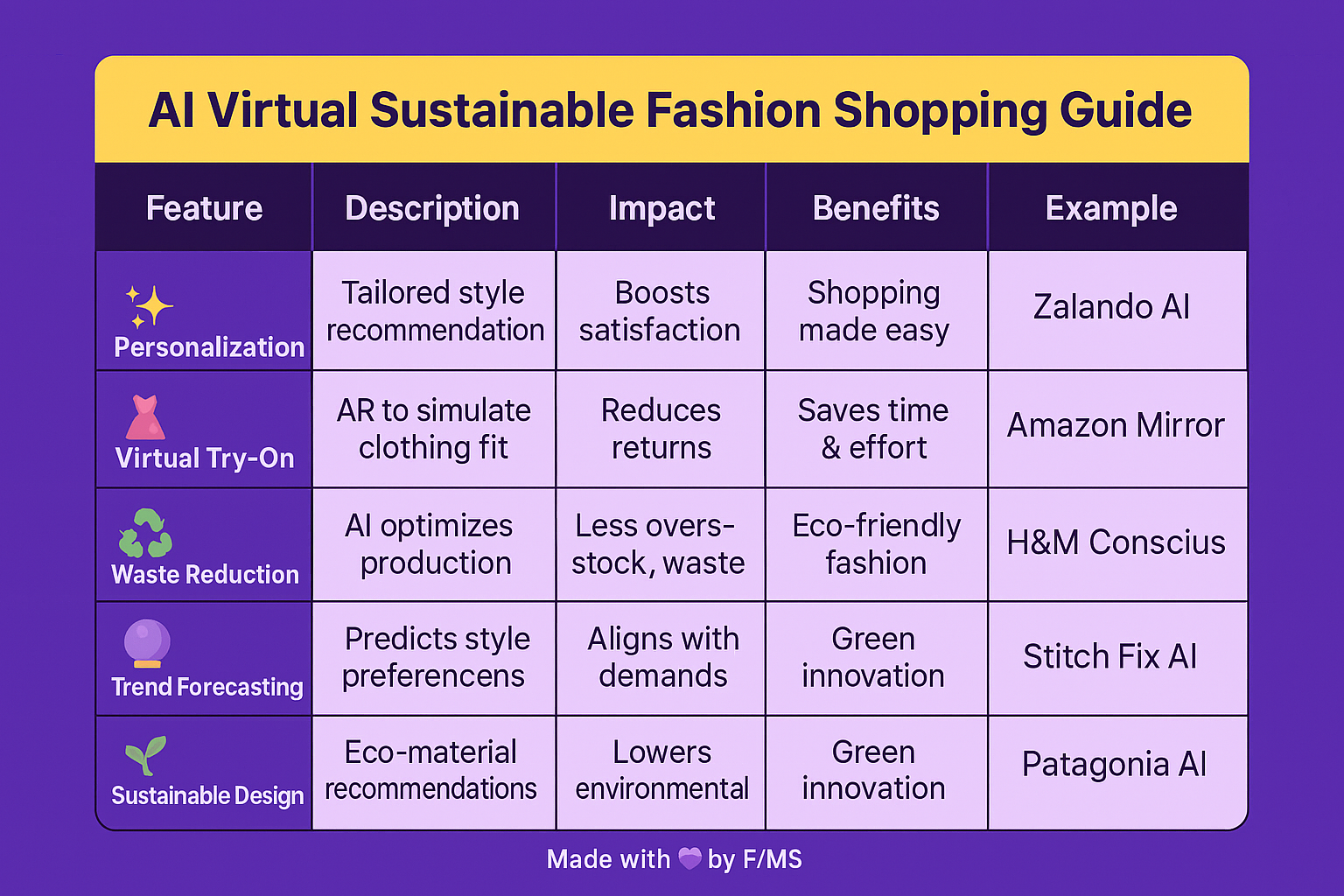
- Customized Recommendations: Tailored suggestions based on customer preferences and sustainability goals.
- Virtual Try-Ons: Advanced AR tools that let shoppers visualize clothing fits without physical trials.
- Sustainability Metrics: Insights into carbon footprints, material usage, and waste reduction.
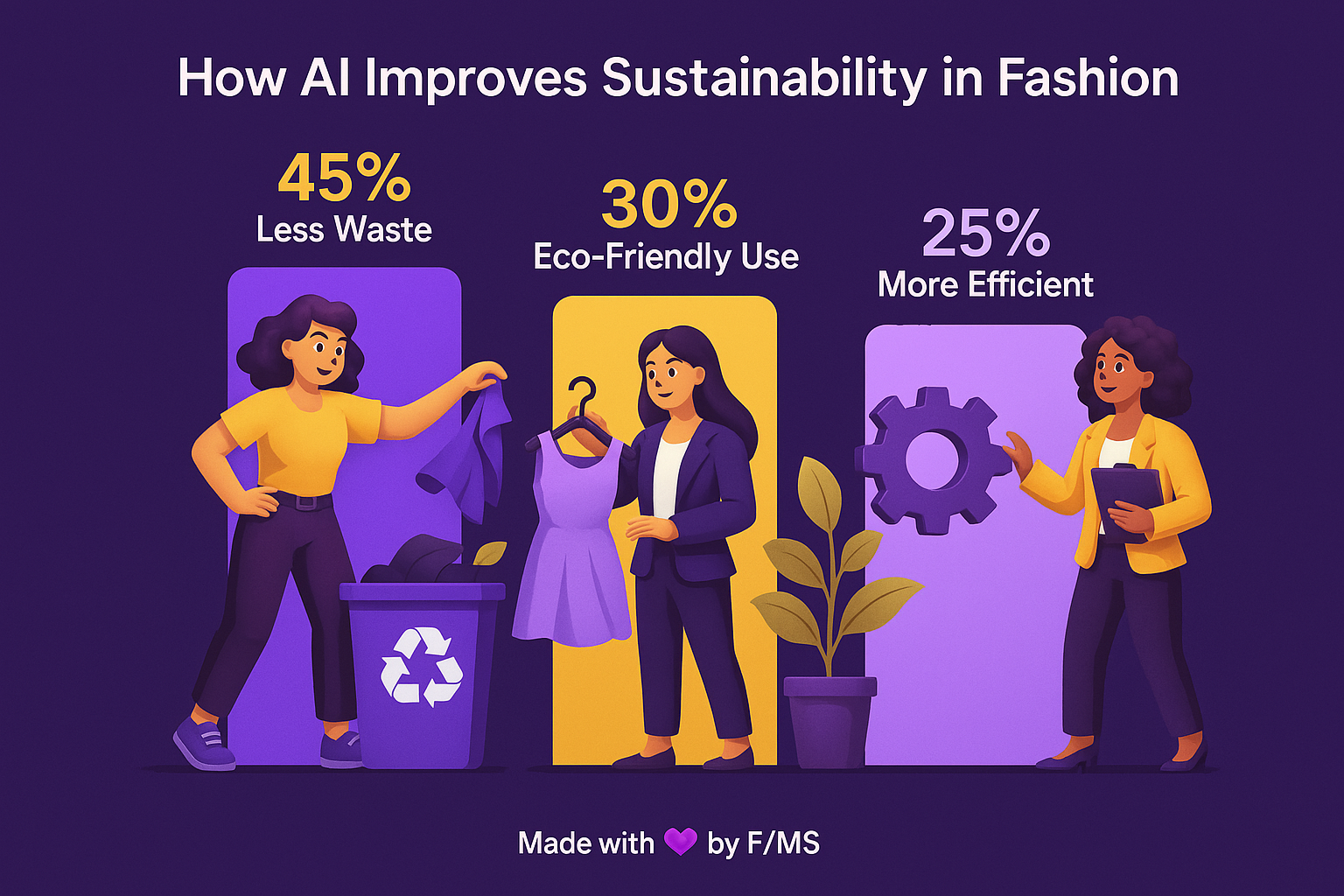
Key Stats Visualized:
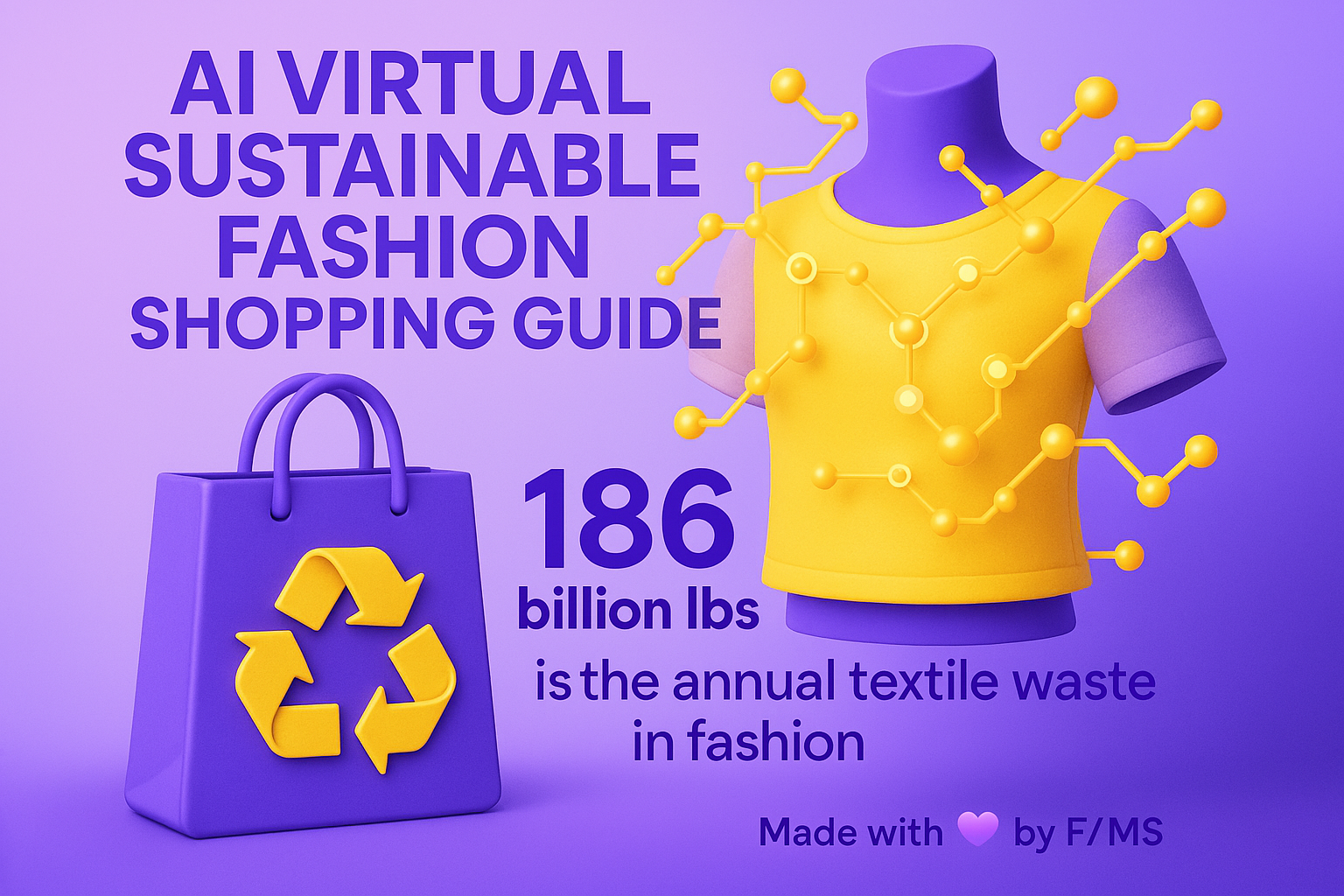
- 186 billion pounds of textile waste produced annually, with 87% ending in landfills.
- Generative AI is forecast to add up to $275 billion in operating profits across fashion and luxury sectors.
- AI-driven solutions increase product recommendations accuracy by 30%, reducing returns significantly.
TOP Lessons: Building a Sustainable Fashion Business
1. Understanding Consumer Problems
The first step in selecting a business idea is identifying pressing consumer pain points. Modern consumers often struggle to find sustainable but affordable clothing options. AI shopping guides can address this by using algorithms to recommend eco-friendly brands while simplifying the decision-making process for users.
2. Defining Your Product Value Proposition
Articulate how your business uniquely solves the problem, such as offering "AI-powered ethical fashion recommendations" or "AR-based virtual try-ons for waste reduction." Examples of business names:
- ChicEco Shopper
- Style Sustain AI
- GreenFit Guide
3. Identifying Target Audience
Focus on consumers who value sustainability, personalization, and ethical production practices, especially among Millennials and Gen Z demographic groups.
4. Building Your MVP (Minimum Viable Product)
Your MVP can be a simple app integrated with existing APIs that offer eco-friendly fashion recommendations, virtual try-ons, and sustainability tracking. Leverage tools like F/MS AI Article Writer to generate content for branding and initial market validation.
5. Marketing Is Your JOB, Not Technology
Marketing is what sets successful businesses apart from the rest. Use platforms like AI SEO Blog to rank higher on Google, Bing, and even ChatGPT for AI-driven searches. Why waste time building the product if it won’t reach customers? Start by validating your idea with compelling SEO and social media campaigns.
How to Start Using AI Virtual Fashion Guides
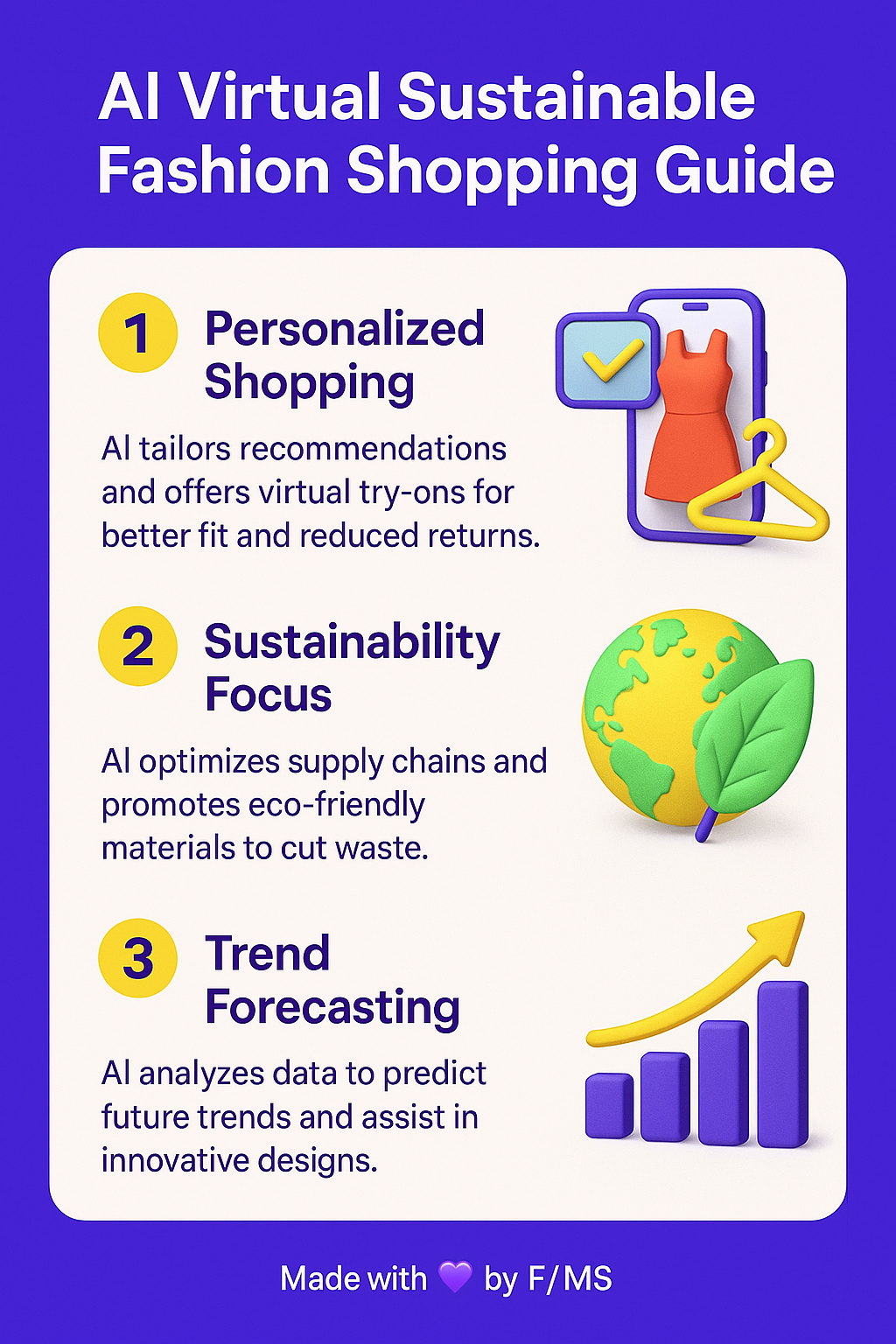
Step 1: Leverage AI Tools for Personalization
Use AI algorithms to analyze consumer preferences, body types, and ethical values, ensuring data-driven recommendations. Try platforms like StyleBot or GreenWear AI for inspiration.
Step 2: Integrate Virtual Try-On Tech
Augmented reality tools like FitAR allow users to digitally try on clothes, reducing returns and enhancing shopping satisfaction.
Step 3: Optimize Supply Chains with AI
AI-powered platforms streamline operations, reduce overproduction, and help select eco-friendly materials in real time. For reference, check out circular fashion innovations by brands that track garments from production to disposal.
Step 4: Set Competitive Pricing Models
Cost-conscious consumers often hesitate to pay premium prices for sustainable products. Find ways to balance affordability with ethical production, using pricing methods like a tiered subscription model for more choices.
Step 5: Use Freelance-Friendly Tools for Marketing
With F/MS Marketing Directories, you can submit your business to over 1,500 directories to boost search rankings and organic traffic free of cost. Focus on building brand authority initially.
Common Mistakes to Avoid
1. Lack of Validation
Skipping the validation stage is one of the worst entrepreneurship mistakes. Rather than creating the perfect app or software, start by observing customer feedback for a simple prototype or marketing landing page.
2. Overlooking Marketing SEO
This is 2027 - if you aren’t ranking on Google, Bing, and AI assistant tools like ChatGPT, you’re invisible to your customers. Use SEO tools like Website SEO Analysis to optimize search engine performance early.
3. Ignoring Collaboration Opportunities
Industry partnerships with sustainable brands or tech companies often accelerate early growth. Form alliances to gain traction in the initial phase.
Insights: Why 2027 Is the Time to Invest
AI virtual sustainable fashion shopping guides offer solutions to reduce the massive 186 billion pounds of textile waste annually. They also align with evolving consumer preferences for personalization and eco-friendliness. With technologies like AR, machine learning, and predictive analytics readily available, entrepreneurs can leverage these trends to build profitable yet ethical businesses.
Conclusion
AI-powered guides are transforming sustainable fashion shopping by personalizing recommendations, reducing waste, and promoting eco-friendly practices. For entrepreneurs, this presents unmatched opportunities to build businesses that align with both consumer values and market demand.
If you're ready to dive into the world of smart fashion tech, start today by setting up a landing page, using tools like AI SEO Blog for marketing automation, and validating your ideas with sustainable-minded communities. Who knows, your startup might just be the next big thing in the ethical fashion revolution.
FAQ on AI Virtual Sustainable Fashion Guides
1. What are AI virtual sustainable fashion guides?
AI virtual sustainable fashion guides use technologies like machine learning and augmented reality to provide personalized recommendations, virtual try-ons, and sustainability insights for eco-conscious shoppers.
2. How do virtual try-ons work in fashion?
Virtual try-ons use augmented reality (AR) to simulate clothing fits, allowing users to see how garments would look without trying them on physically, reducing returns.
3. What are the benefits of AI personalization in eco-fashion?
AI personalization enhances customer satisfaction by analyzing preferences, body types, and ethical values to suggest tailored, sustainable fashion options.
4. How does using AI in fashion reduce waste?
AI helps optimize supply chains, reduce overproduction, and track garments from production to disposal, promoting circular fashion and waste reduction.
5. What role does AI play in trend forecasting?
AI analyzes sales data, social media, and online searches to predict upcoming fashion trends, enabling brands to stay ahead of consumer demand.
6. Are AI tools for sustainable fashion expensive?
Pricing varies based on the tools used, but many platforms provide cost-effective solutions like tiered subscription models for businesses and individuals.
7. Can I use AI to write SEO-optimized articles that help my brand grow?
Most business owners don't understand how SEO works, let alone how to use AI for writing blog articles. That's why for busy business owners there's a great free tool that doesn't require much knowledge. Write articles for free
8. Who uses virtual sustainable shopping guides the most?
Millennials and Gen Z consumers, who prioritize ethical production and personalized shopping, are the primary users of these guides.
9. What are some examples of sustainable fashion-related businesses?
Businesses like ChicEco Shopper and GreenFit Guide excel in using AI to recommend eco-friendly apparel while integrating AR try-on technology.
10. What common mistakes should entrepreneurs avoid when entering this market?
Avoid skipping validation, neglecting SEO, or overlooking collaborations with sustainable brands and tech companies for growth acceleration.
About the Author
Violetta Bonenkamp, also known as MeanCEO, is an experienced startup founder with an impressive educational background including an MBA and four other higher education degrees. She has over 20 years of work experience across multiple countries, including 5 years as a solopreneur and serial entrepreneur.

