
Virtual baby shower planning has become a booming niche in 2027, combining convenience, creativity, and cutting-edge technology. For female entrepreneurs, AI-enhanced virtual baby shower planning is not only a promising business idea but also an avenue for revolutionary customer engagement. Today, we explore the AI-driven trends behind this concept and provide actionable insights for launching a startup in this space.
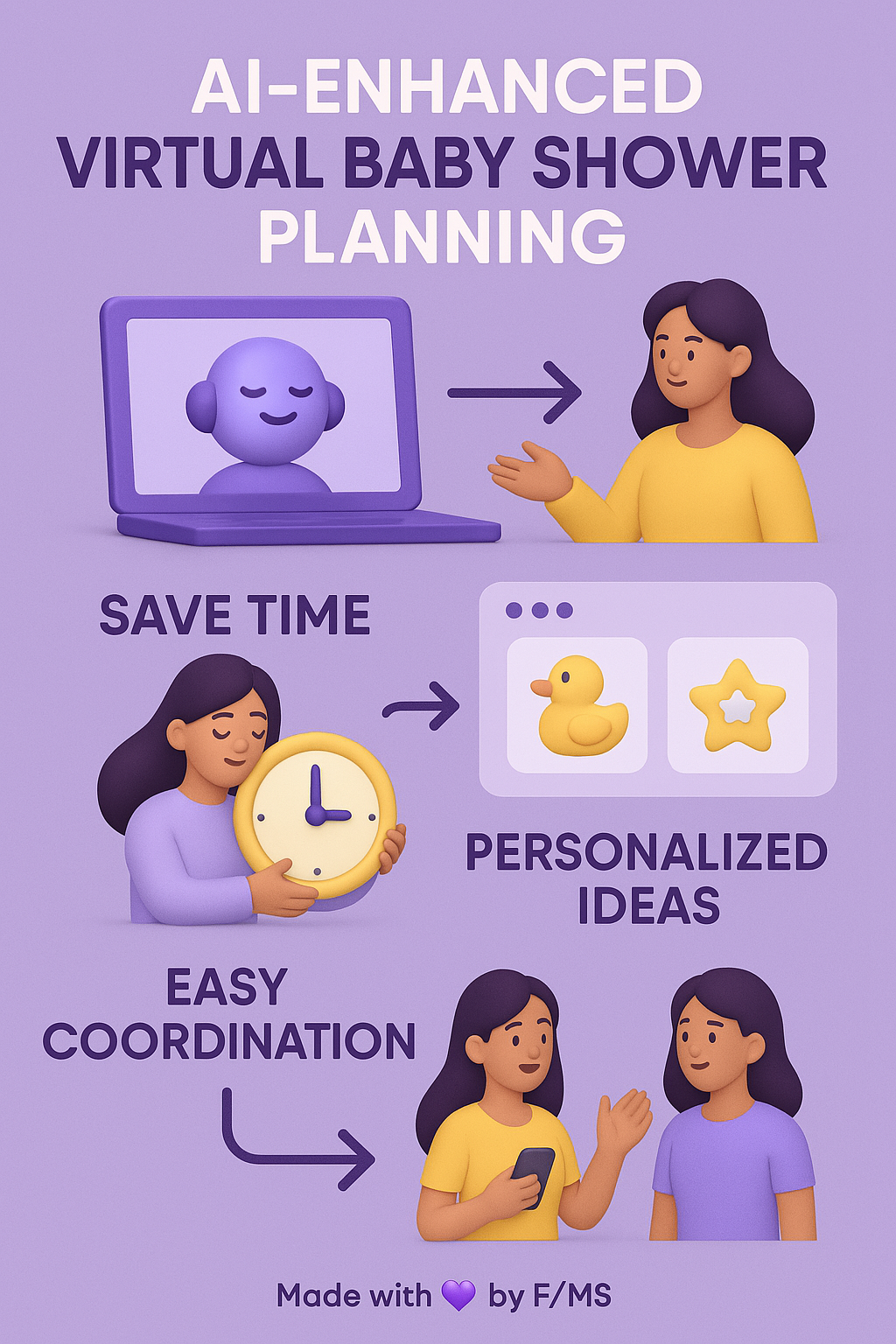
From personalized event experiences to no-code tools for automation, this opportunity aligns perfectly with the needs of first-time entrepreneurs - requiring minimal investment, offering flexibility, and allowing operation from home. We’ll walk through its benefits, address common mistakes, and suggest effective strategies for validation and growth. Learn more about Virtual Art Therapy Sessions.
Why AI-Enhanced Virtual Baby Shower Planning is a MUST-HAVE Idea in 2027
The boom in virtual events, coupled with the increasing integration of AI, offers unique benefits: Learn more about AI-enhanced Virtual Bucket List Planning.
- Accessibility: Virtual baby showers eliminate logistical barriers, allowing participation from across the globe.
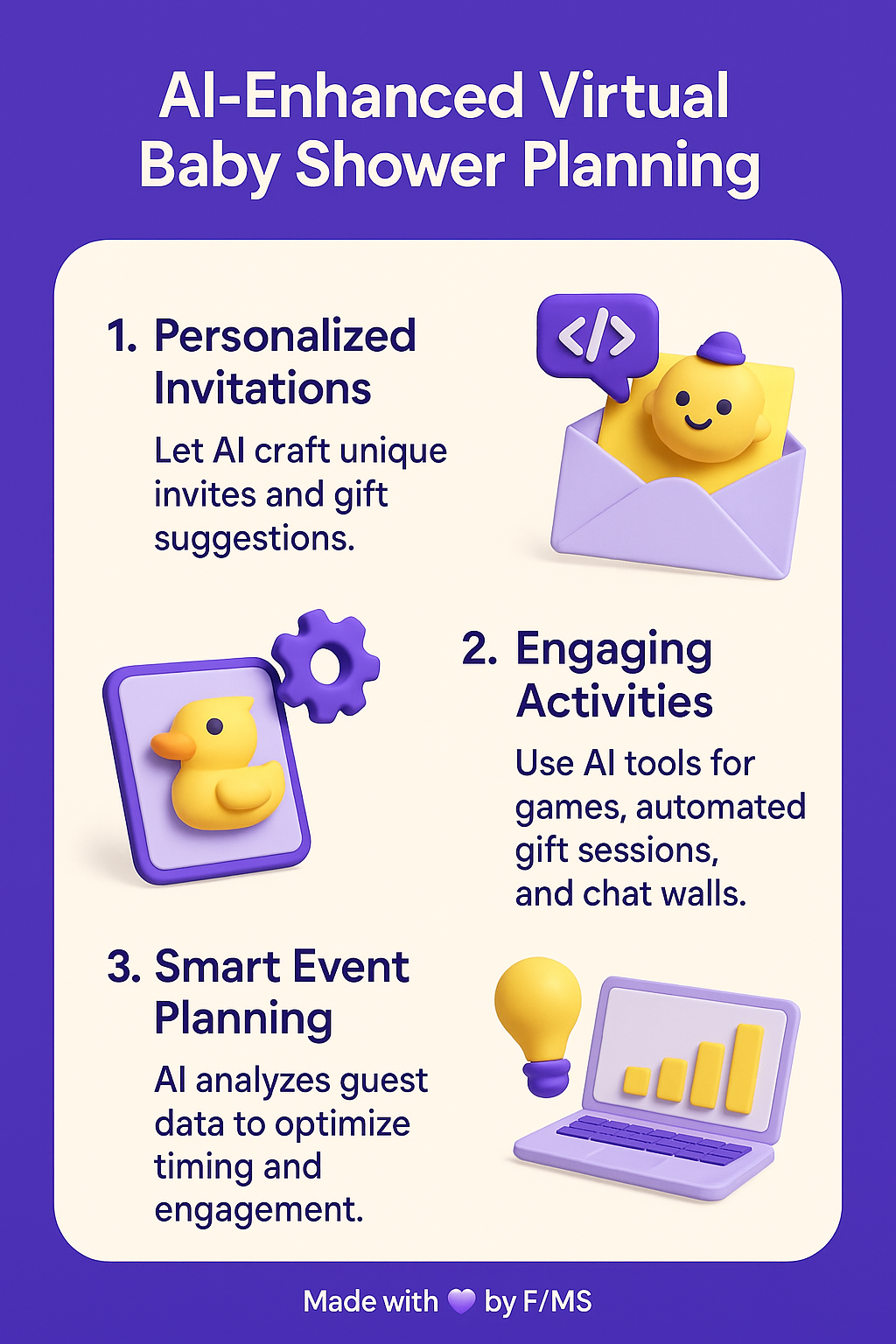
- Personalization: AI tools create tailored experiences through customized invitations, schedules, and interactive activities.
- Cost-Efficiency: Entrepreneurs can minimize expenses by avoiding venue rentals, lavish decorations, and catering costs.
- Scalability: AI analytics allow businesses to streamline operations as demand grows.
Key Steps for Starting an AI-Driven Virtual Baby Shower Business
1. Define Your Problem and Product
Identify pain points involved in traditional baby showers and address them through your offering. For example:
- Problem: The hassle of organizing guest lists, tracking RSVPs, and coordinating gifts manually.
- Product: An AI-driven app or platform that automates these processes, offering engaging virtual showers with gift tracking and interactive games.
2. Pinpoint Your Target Audience
Focus on moms-to-be and their families who appreciate flexibility and convenience. Segment audiences into tech-savvy individuals who are open to AI-driven solutions and those new to virtual event planning.
3. Build a Unique Value Proposition
Communicate how your services streamline planning while making the experience special. For example:
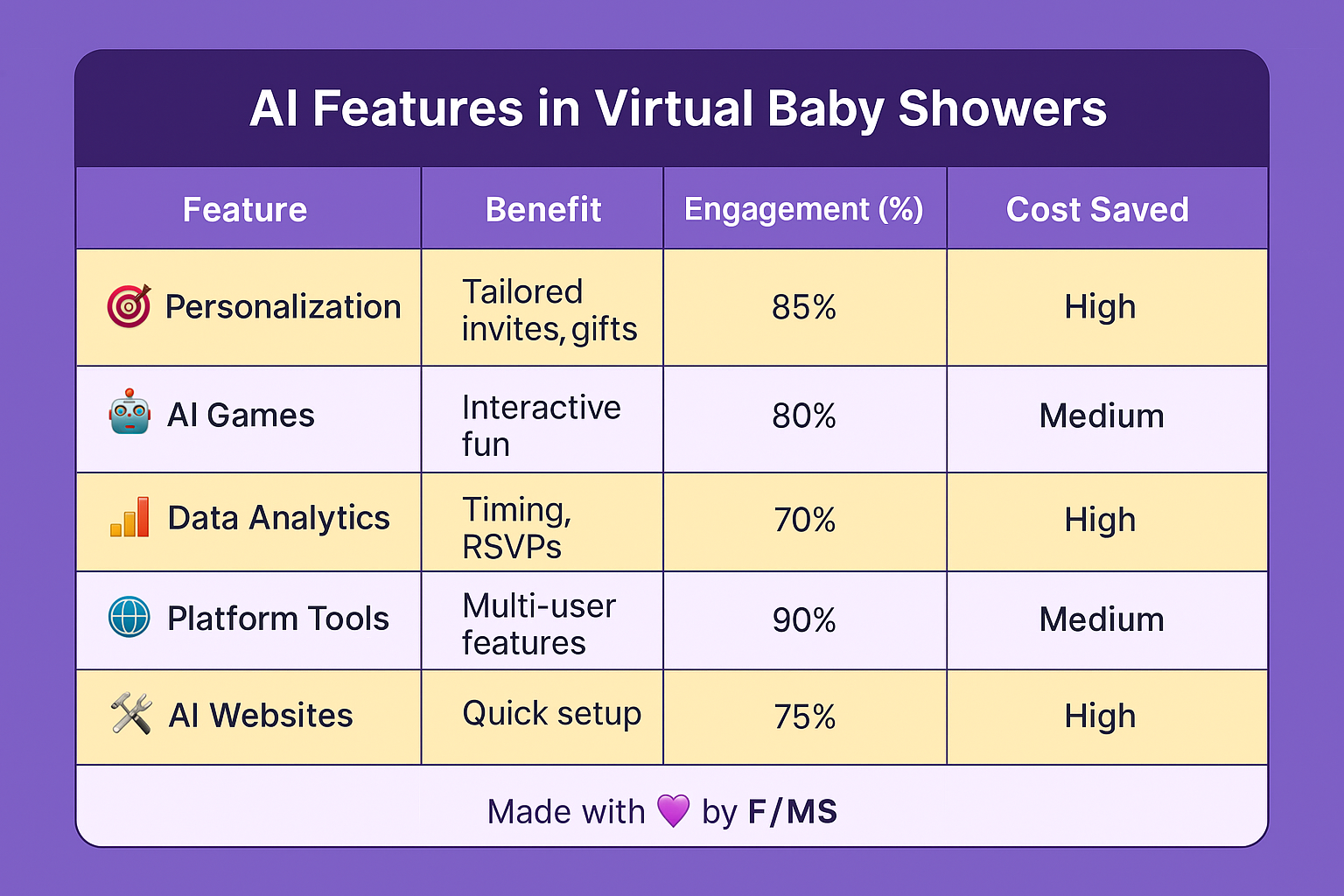
- Personalization: AI features that design event themes based on preferences.
- Interactive Features: Sophisticated integrations like automated games, sentiment-based video messages, and live polls.
- Data-Driven Insights: AI optimization for timing, guest participation, and gift selections.
4. Outline a Business and Pricing Model
Choose a scalable model, such as offering tiered subscription-based services, one-time packages, or on-demand event planning. Make pricing transparent and competitive.
5. Prototype Your MVP (Minimum Viable Product)
Your MVP doesn’t need to include every feature. Start with basic AI-driven functionalities like virtual invitations, real-time event coordination, and guest management features. Use free tools or platforms like F/MS Business Resources for setting up your initial offerings.
6. Market First, Build Second
The hardest part of any business isn’t building the product - it’s marketing it. Start with validation by running campaigns on social media or niche groups. Tools like AI SEO Blog can help optimize blog posts to rank high on Google and even AI-driven systems like ChatGPT or Perplexity. By gaining traction early, you secure valuable data for your product's development.
7. Acquire Your First Customers
Use directories like F/MS Marketing Directories to amplify your startup’s visibility. Invest in guest blog placements through services such as F/MS Marketing Services to establish authority. Offer exclusive discounts to beta users for your MVP launch.
Common Mistakes to Avoid
- Skimping on Personalization: Virtual events thrive on creating memorable experiences for users. Relying solely on generic templates dilutes the customer journey.
- Neglecting Testing: Poorly tested features risk losing early adopters, so prioritize extensive testing before launching publicly.
- Ignoring Competitive Analysis: Underestimating your competition leads to gaps in your offering. Platforms like Remo and Zoom already have significant market share - study them well.
- Delaying Marketing: Marketing validates your idea; don’t wait for your product to be perfect before advertising.
Insights into AI’s Role
- Automated Interactions: AI chatbots make event coordination seamless, handling RSVPs or addressing common queries.
- Guest Analytics: Algorithms predict event timing based on attendee trends.
- Generators like F/MS AI Article Writer produce SEO-friendly content for marketing and ranking in AI tools (e.g., ChatGPT) effortlessly.
Receive Free Grant Finding Help
Securing startup capital has never been easier using our AI Grant Finder & Writer. This tool locates female entrepreneur grants and writes winning proposals in record time. Perfect for easing the financial burden of setting up your business.
Conclusion
Offering AI-enhanced virtual baby shower planning services is an ideal business venture for 2027. It ticks all the boxes for simplicity, scalability, and affordability while leveraging cutting-edge tech innovations. By focusing on personalization, testing, and effective marketing validated through tools like AI SEO Blog, female entrepreneurs are primed for success in this space.
Virtual baby showers aren't just a trend - they represent an entire ecosystem of future-proof business innovations. Entrepreneurs who act early, align their offerings with market demands, and build strong SEO strategies will dominate this niche. Grab your chance now!
FAQ on AI-Enhanced Virtual Baby Shower Planning
1. What is an AI-enhanced virtual baby shower?
An AI-enhanced virtual baby shower uses artificial intelligence to personalize and streamline event planning. Features include custom invitations, automated gift tracking, and interactive games, all hosted virtually to ensure accessibility and convenience.
2. What platforms are best for hosting virtual baby showers?
Popular platforms include Remo, Zoom, and Evite. Remo offers immersive virtual rooms, Zoom provides simplicity, and Evite specializes in event invitations and RSVP tracking.
3. How does AI create personalized experiences?
AI tools can design unique themes, create gift recommendations, and curate event schedules based on individual preferences. These features make each event special for the mom-to-be and guests.
4. What are the cost benefits of virtual baby showers compared to traditional ones?
Virtual baby showers eliminate costs for venue rentals and catering while reducing expenses for decorations and transportation. The average cost savings can be significant.
5. What types of interactive activities can AI bring to virtual baby showers?
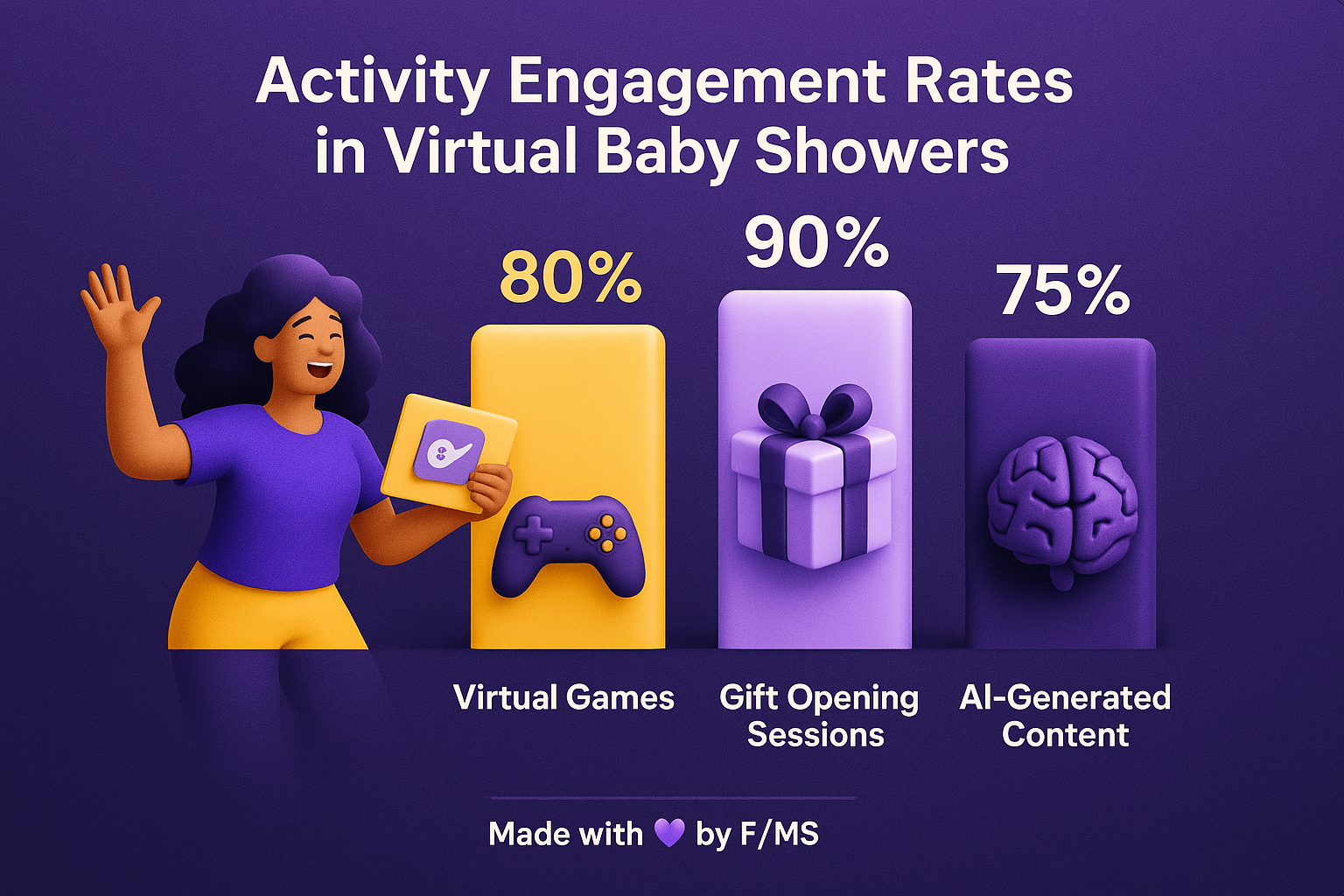
AI can create engaging games, automate gift-opening sessions, and facilitate sentiment-based video messages or live polls. These activities boost guest participation and fun.
6. How can I validate my AI-driven virtual baby shower business idea?
Start by conducting market research and running targeted ads to gauge interest. Use AI marketing tools like blogs and SEO to test demand and refine pricing models.
7. Can I use AI to write SEO-optimized articles that help my brand grow?
Most business owners don't understand how SEO works, let alone how to use AI for writing blog articles. That's why for busy business owners there's a great free tool that doesn't require much knowledge. Write articles for free.
8. What are common mistakes to avoid in this niche?
Entrepreneurs often skimp on personalization, neglect feature testing, and underestimate competition. These mistakes can hinder early growth.
9. Are there specific grants for female entrepreneurs in this space?
Yes, female entrepreneurs can apply for niche grants targeting women-led businesses leveraging AI. Tools like grant finders can help locate and apply for these opportunities.
10. How does AI optimize guest participation for virtual baby showers?
AI can analyze guest data to recommend ideal event times and suggest personalized activities that resonate with attendees, improving participation and satisfaction.
About the Author
Violetta Bonenkamp, also known as MeanCEO, is an experienced startup founder with an impressive educational background including an MBA and four other higher education degrees. She has over 20 years of work experience across multiple countries, including 5 years as a solopreneur and serial entrepreneur.

