
In 2027, artificial intelligence (AI) has become the backbone of innovative solutions across various industries, and financial management is no exception. Creating an AI-enhanced virtual budgeting system is no longer just an advanced process; it’s a necessity for businesses and individuals aiming to optimize their budgets efficiently and intelligently. This guide delves into 7 proven tips for creating an AI-powered budgeting system, addressing key considerations, mistakes to avoid, and examples to inspire aspiring entrepreneurs.
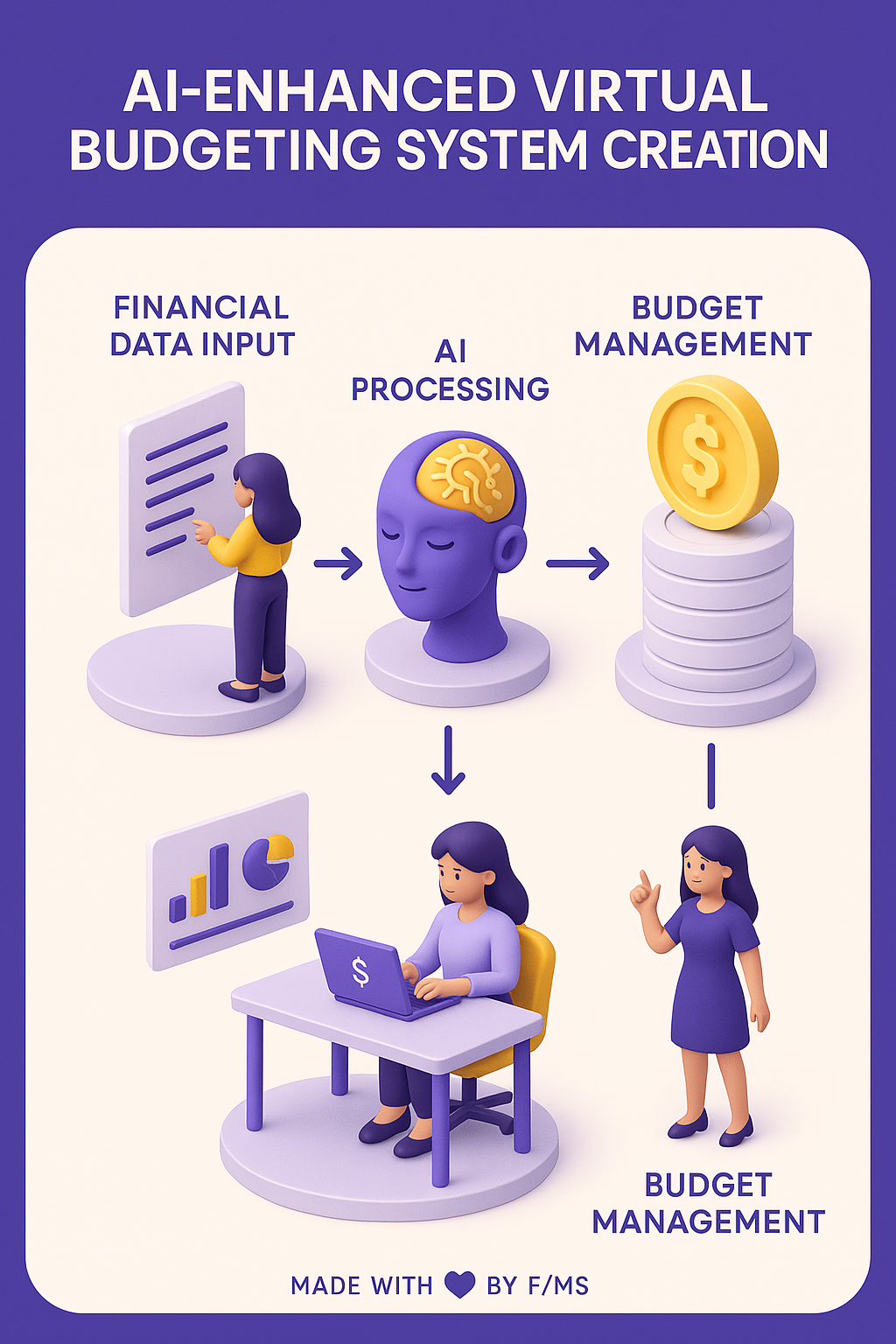
Whether you're targeting governments, enterprises, or individual consumers, leveraging AI in your financial solutions can align budgets with strategic priorities, enhance transparency, and uncover futuristic financial insights. Learn more about AI-Enhanced Virtual Content Upgrade Creation.
Why an AI-Enhanced Budgeting System is Relevant in 2027
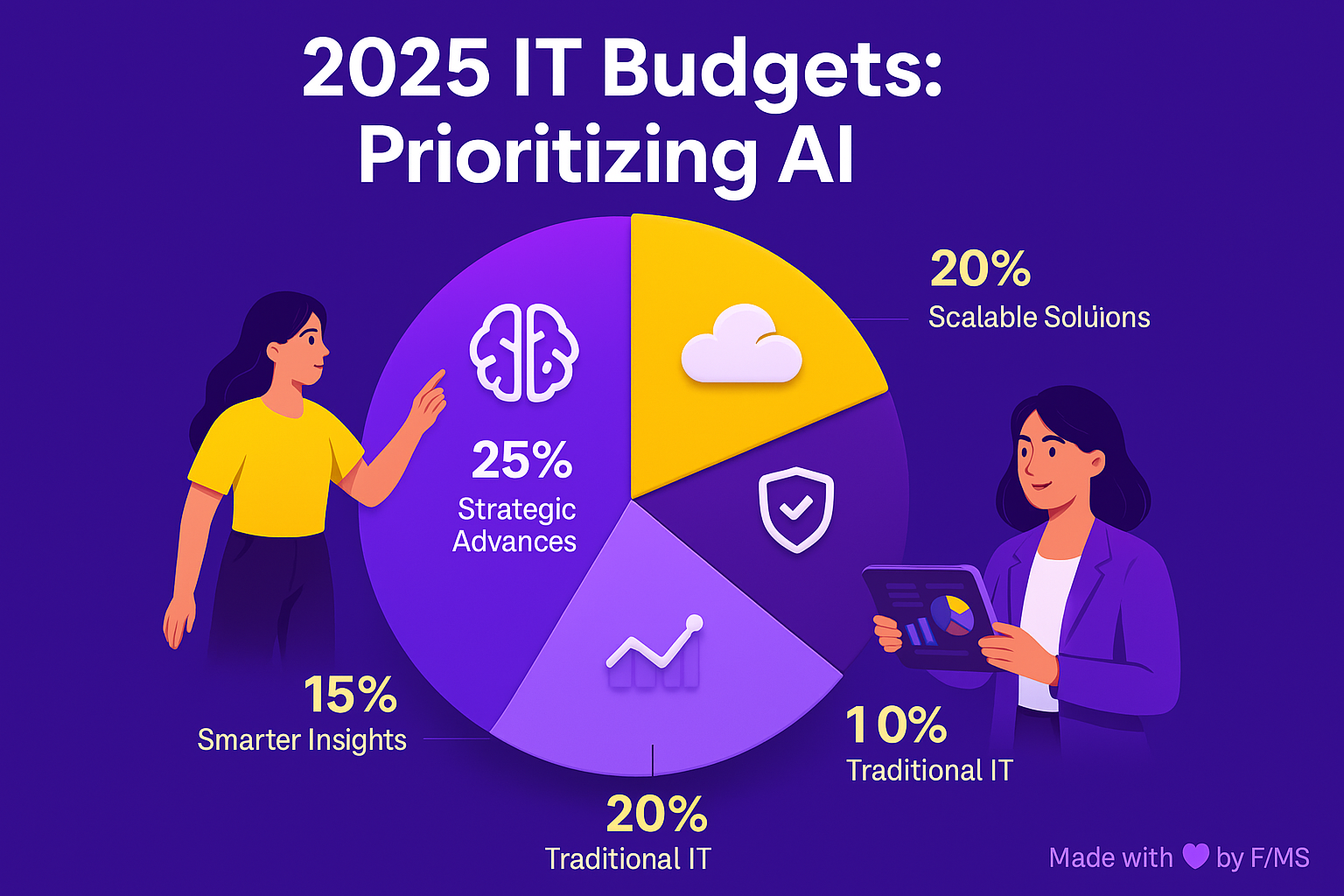
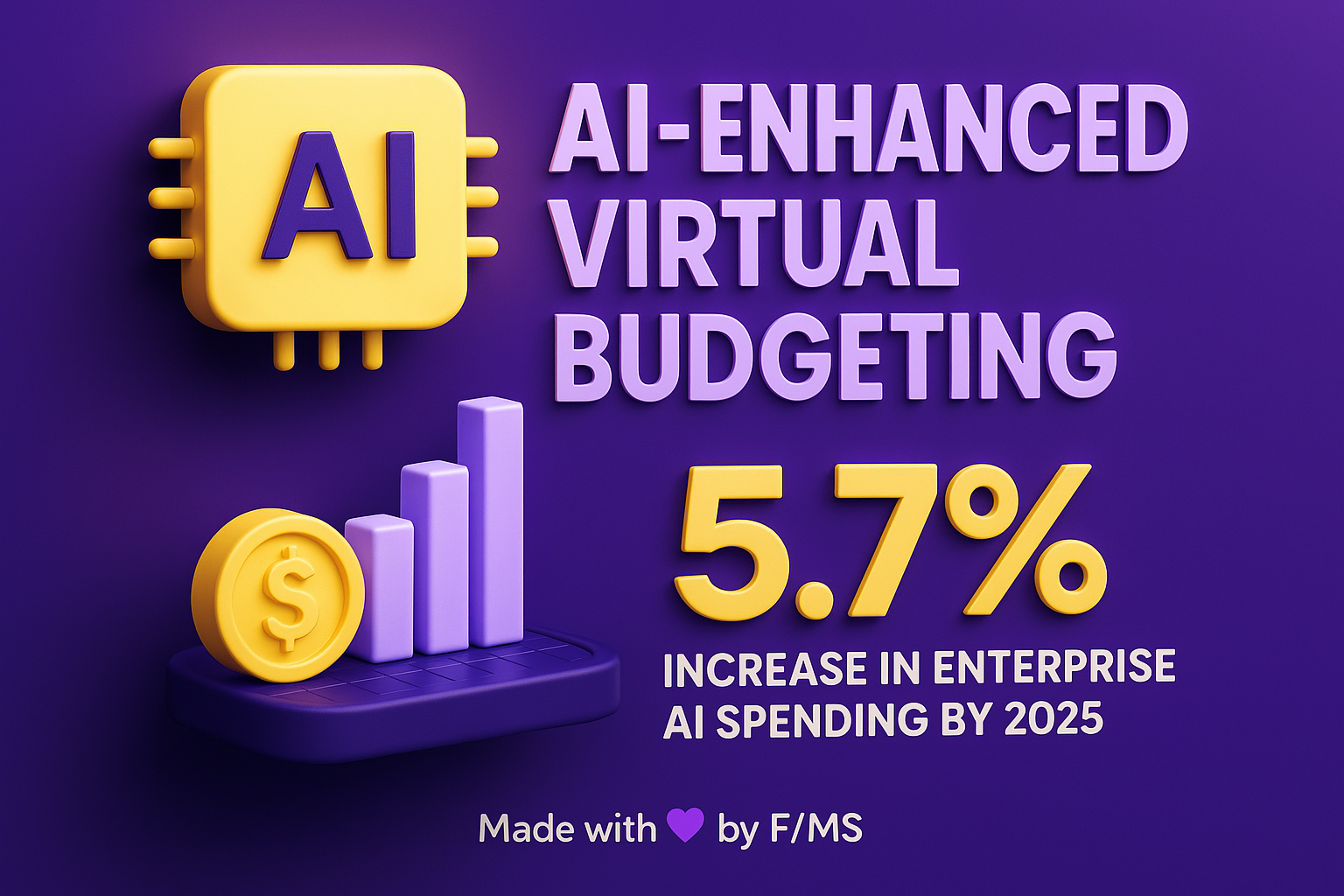
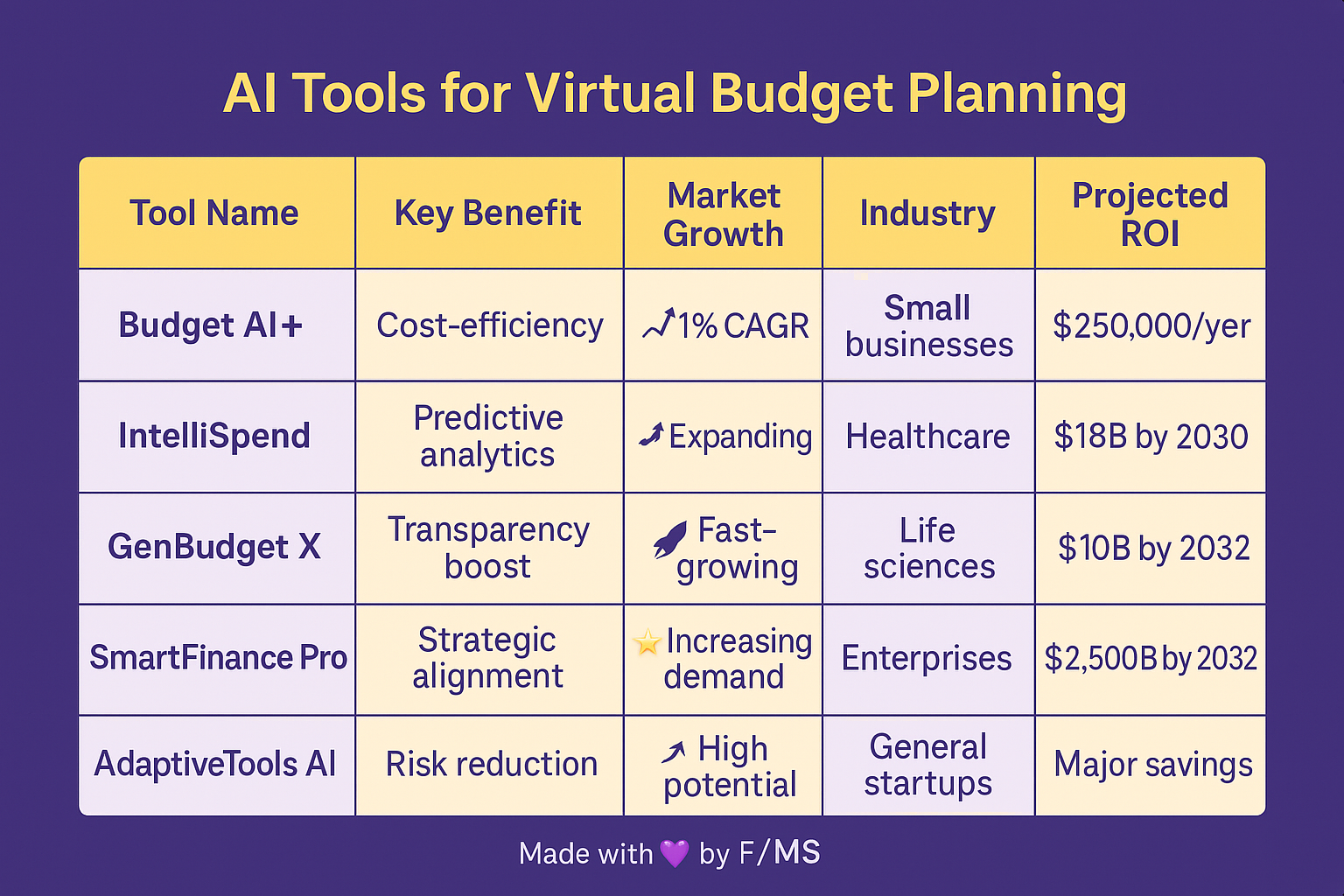
The global AI market is booming, with its value expected to reach $2,500 billion by 2032. Specifically, the role of AI in budgeting has demonstrated measurable success in:
- Improving Budget Efficiency: Governments and organizations are increasingly integrating AI to analyze financial data, identify cost-saving patterns, and prioritize expenditure.
- Predictive Planning: AI enables predictive analytics, helping stakeholders make proactive decisions by forecasting risks and opportunities.
- Cross-Industry Applications: From healthcare to life sciences, various domains are optimizing budgets through AI. For instance, AI-driven tools in healthcare have led to a staggering 810% market growth, from $20.65 billion in 2023 to $187.95 billion in 2030.
These trends highlight the need for tailored AI budgeting solutions to serve niche markets, a prime opportunity for entrepreneurs.
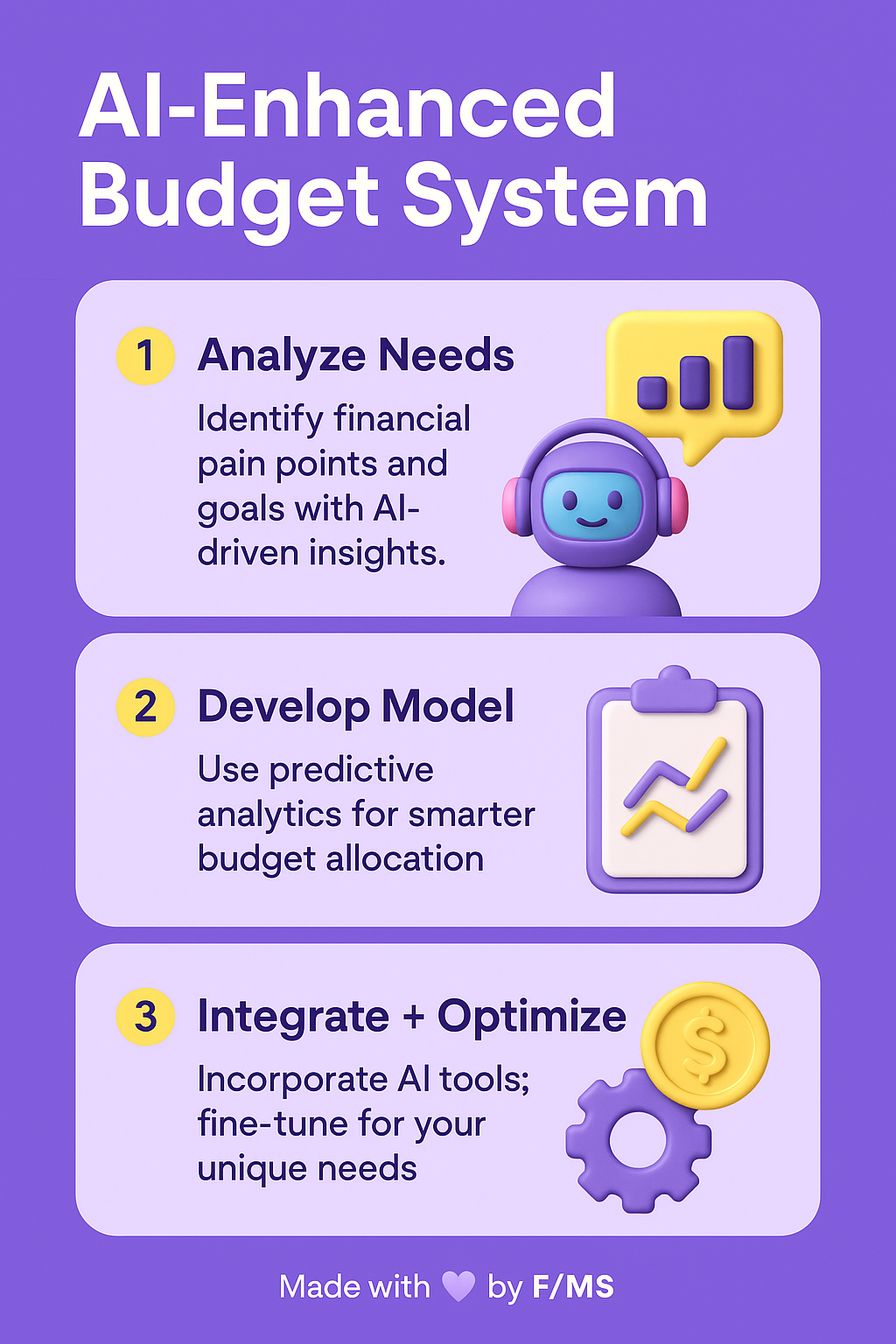
7 Tips for Creating an AI-Enhanced Virtual Budgeting System
1. Identify the Problem You’re Solving
Every successful budgeting system starts with a clearly defined problem. Are you helping families track expenses more transparently or enabling enterprises to streamline multi-department budget approval processes? For instance:
- Target the pain points of abandoned generative AI (GenAI) initiatives by aligning expenses with realistic ROI estimation.
- Address inefficiencies in real-time collaboration on budgets for remote teams.
2. Design a Strong Value Proposition
Why should someone use your AI budgeting system instead of traditional tools like Microsoft Excel? Your value proposition may include:
- Automated financial insights powered by machine learning.
- Real-time budget tracking across devices and platforms.
- Predictive analytics to avoid oversights in cash flow.
3. Choose Your Target Audience
Pinpoint your users from the get-go. Examples:
- Individual Users: Offer simplified tools similar to popular tracking apps like Mint, with an AI twist for customization.
- Small Businesses: Help them adopt AI affordably by streamlining payroll costs and expense management.
- Institutional Entities: Create solutions for governments or large corporations looking to reduce manual labor costs in traditional budgeting.
4. Prioritize Features for the MVP (Minimum Viable Product)
Instead of building a complex system at first, focus on the MVP that solves your audience's biggest pain point. This keeps costs low while allowing for early user feedback. Key MVP Features:
- AI-generated categories for budgeting.
- Analytics dashboards.
- Expense tracking via credit card linkups or QR scans.
5. Adopt a Pricing Model that Scales
For sustainable growth, ensure your pricing aligns with the value delivered. Consider these models:
- Freemium: Offer basic functions for free, with a premium subscription for advanced insights.
- Pay-Per-Use: Allow businesses to pay based on the number of users or analyzed reports.
- Enterprise Licensing: Develop comprehensive packages for corporate clients.
6. Focus on Getting Your First Customers
Woefully underestimated by many entrepreneurs, marketing, not product-building, will define your success. Begin with creating buzz and testing demand among early adopters. Leverage tools like AI SEO Blog, an AI-powered system for ranking blogs on Google and driving organic traffic. Share engaging LinkedIn posts and launch social media campaigns highlighting how your AI system solves real-life budgeting problems. Additionally, use F/MS Marketing Services to score guest blogging opportunities and feature your system in top-tier listicle articles.
7. Leverage SEO-Optimized Content to Educate Users and Build Authority
To build credibility, publish educational content on your website and blog, showcasing the benefits of AI in virtual budgeting. The F/MS AI Article Writer simplifies this by combining intelligent SEO with human oversight, ensuring your content ranks on Google, Bing, and even AI-driven platforms like ChatGPT.
Examples of engaging posts include:
- “How Predictive Analytics is Revolutionizing Budgeting in 2027.”
- “Top Features to Look for in an AI-Driven Budgeting Tool.”
Most Common Mistakes to Avoid
- Over-Building Without Validation: Building too many features into your product before user testing leads to wasted effort. Always validate your MVP first.
- Ignoring Security Requirements: Financial systems involve sensitive data. Not prioritizing robust encryption and security measures can backfire.
- Failure to Plan for Scaling Costs: Integrating AI comes with server usage and processing costs. Missteps here often derail growth strategies.
- Unoptimized Marketing Campaigns: Without clear metrics, marketing efforts can miss the mark. Start with tools like F/MS Marketing Directories to gain visibility and build organic backlinks for SEO.
Key Considerations Before Launch
Suggested Names for the Business: SmartFinance AI, BudgetIQ, AIWalletPro Business Model Options: Monthly subscriptions, annual contracts, or one-time payments. Distribution Channels: SaaS marketplaces, direct sales to enterprises, partnerships. First 100 Customers: Begin locally through community influencers, then scale to broader audiences using targeted ads.
Final Thoughts
In the world of 2027, creating an AI-enhanced virtual budgeting system isn’t just a smart business opportunity - it’s a necessity driven by innovation and user needs. By tailoring your product to a specific problem, validating it early, and focusing deeply on marketing, you can carve out your niche in this fast-growing industry. To save time and increase visibility, leverage marketing tools like F/MS Marketing Services and simplify SEO efforts with the AI Article Writer.
The future of financial management awaits those who dare to build it - and with AI, you’ll be one step ahead.
FAQ on Creating AI-Enhanced Virtual Budgeting Systems
1. Why is an AI-enhanced virtual budgeting system important in 2027?
AI budgeting systems are crucial in 2027 as they streamline financial management by improving efficiency, offering predictive analytics, and helping individuals and businesses make smarter financial decisions. For instance, governments and healthcare organizations have already seen transformative benefits in cost savings and resource allocation with AI tools.
2. What industries benefit the most from AI-driven budgeting solutions?
Industries like healthcare, life sciences, and government agencies see the largest impact. For example, AI tools in healthcare are projected to grow to $187.95 billion by 2030 due to their ability to improve resource efficiency.
3. What are the first steps to developing an AI-powered budgeting tool?
Focus on identifying a specific problem, defining your audience, and building a Minimum Viable Product (MVP). According to recent trends, successful solutions often start with automating everyday tasks like expense categorization and real-time budget tracking.
4. How is predictive analytics revolutionizing budgeting?
Predictive analytics enables users to move from reactive responses to proactive planning by forecasting risks and opportunities. This approach ensures better alignment of budgets with strategic goals.
5. What pricing model works best for AI budgeting systems?
It depends on your audience. Freemium plans attract individual users, while enterprise licensing suits governments and corporations. Additionally, pay-per-use models work well for startups and small businesses looking for scalable solutions.
6. What are the security risks in creating an AI-driven budgeting platform?
Financial systems handle sensitive data, so robust encryption and data privacy protocols are mandatory. Failure to prioritize cybersecurity can lead to breaches, damaging trust and compliance with regulations such as GDPR or CCPA.
7. Can I use AI to write SEO-optimized articles that help my brand grow?
Most business owners don't understand how SEO works, let alone how to use AI for writing blog articles. That's why for busy business owners there's a great free tool that doesn't require much knowledge. Write articles for free.
8. What mistakes should I avoid when developing an AI-enhanced budgeting system?
Common mistakes include over-building without validation, underestimating the cost of scaling AI, and neglecting marketing campaigns. A lean approach with rigorous testing and robust marketing strategies leads to success.
9. Are there tools to help market my AI budgeting platform?
Yes, tools such as the F/MS AI SEO Blog tool help you rank your content and drive organic traffic. Additionally, leveraging LinkedIn ads and guest blogging can boost visibility among potential users. Discover marketing tools to grow your business.
10. How can I target my first 100 customers effectively?
Start by showcasing your solution locally, leveraging community influencers, and running strategic Google or LinkedIn ads. Early Word of Mouth and educational content also work wonders in generating interest.
About the Author
Violetta Bonenkamp, also known as MeanCEO, is an experienced startup founder with an impressive educational background including an MBA and four other higher education degrees. She has over 20 years of work experience across multiple countries, including 5 years as a solopreneur and serial entrepreneur.

