
The custom textile printing industry is booming in 2027, thanks to advancements in digital printing technologies and the growing popularity of personalized fashion. Whether you're a creative spirit looking to dive into entrepreneurship or someone keen on entering a thriving industry, starting your own custom textile printing business is an excellent move. This compact guide will walk you through why it’s a promising idea and how you can transform it into a sustainable, low-investment business model perfectly tailored for first-time female entrepreneurs.
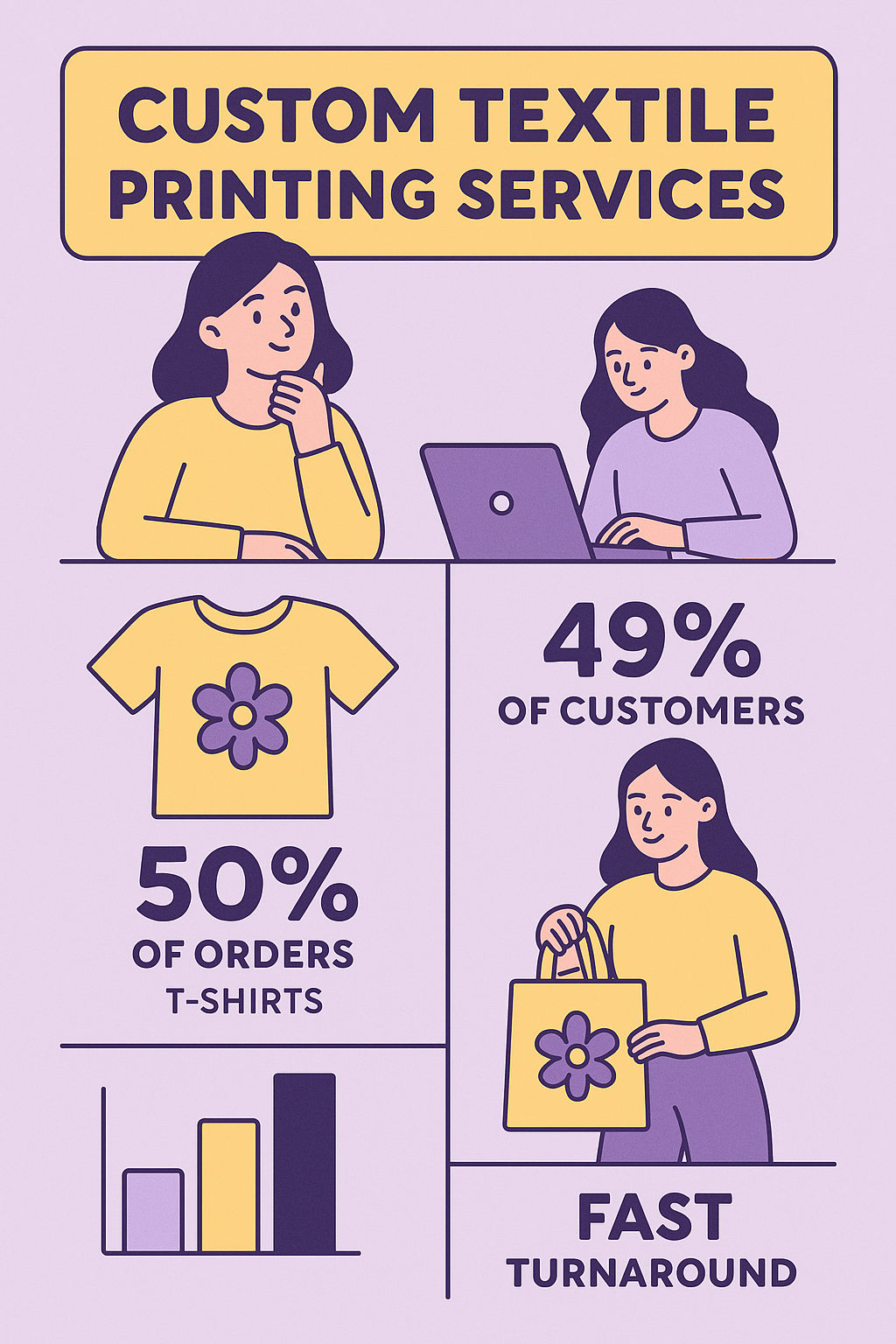
Why Consider Custom Textile Printing?
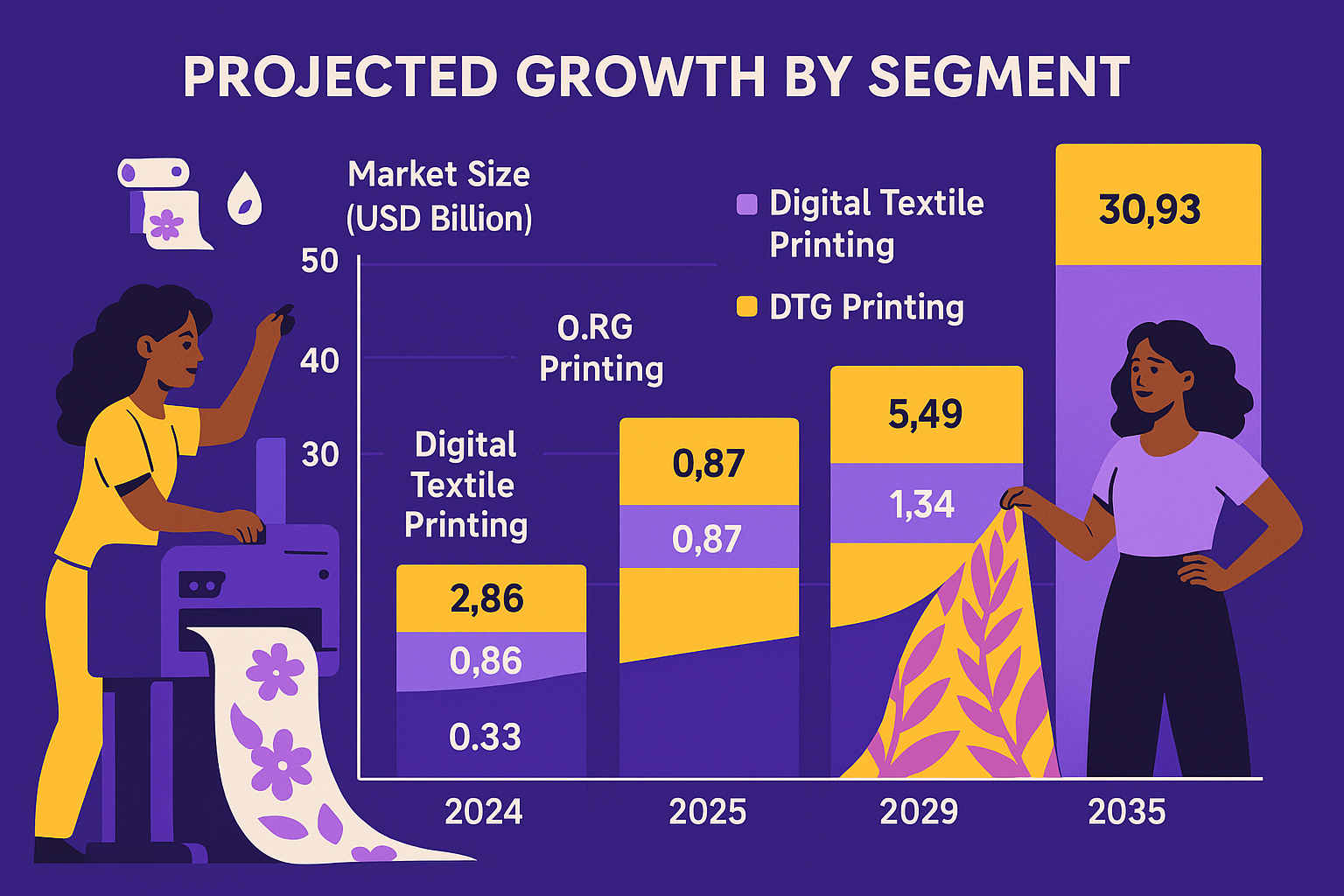
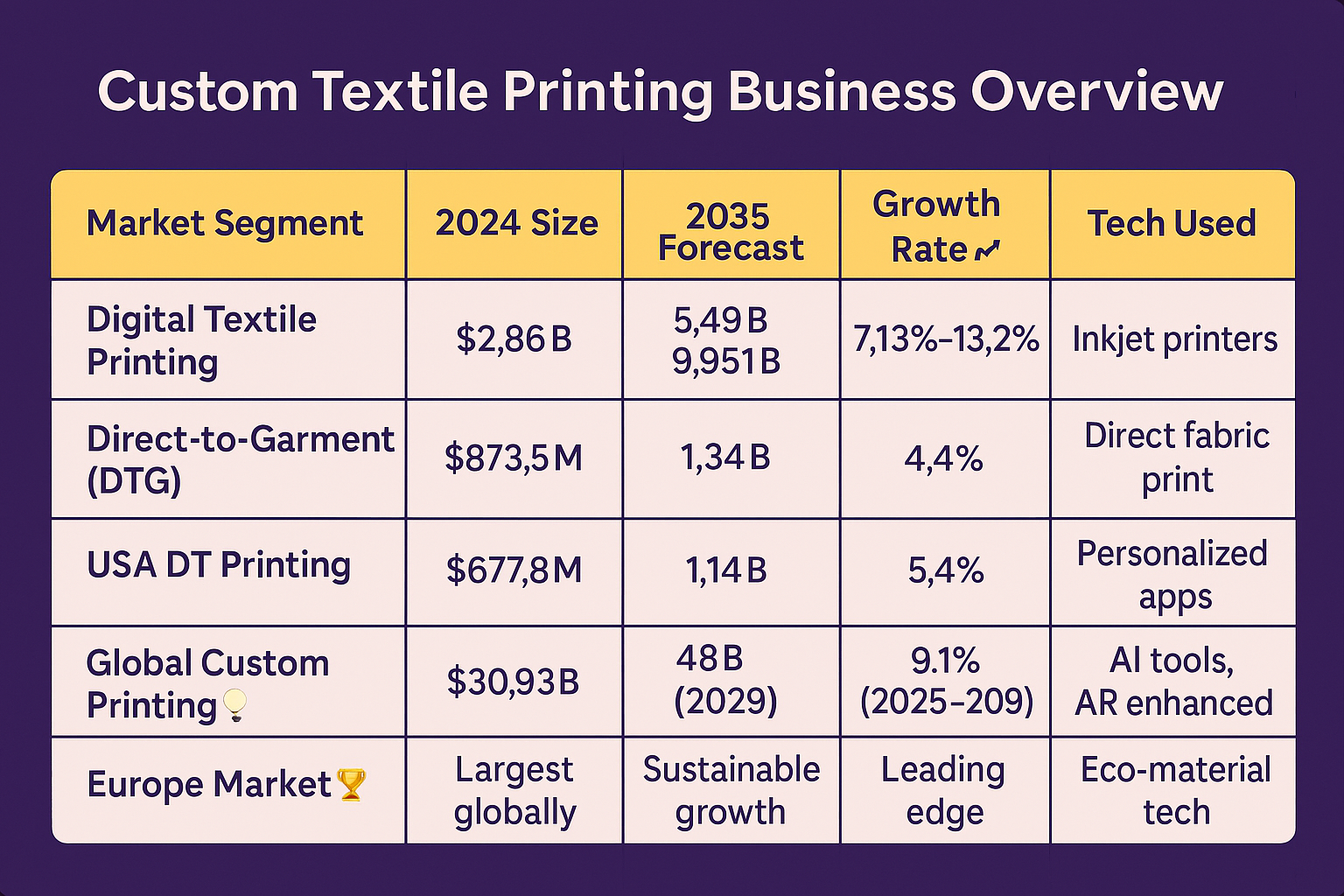
The custom textile printing market is projected to grow exponentially with an expected value of $5.49 billion by 2033 and a CAGR of 7.13%. Affordable entry barriers, eco-friendly technologies, and consumer demand for personalized products make it an attractive avenue for budding entrepreneurs. Learn more about Starting a Custom Memorial Keepsake Business.
Here are some quick stats to catch your attention:
- Direct-to-Garment (DTG) Market Size: Expected to reach $1,343.6 million by 2035 with a CAGR of 4.4%.
- Strong U.S. Market: Digital textile printing industry in the USA to grow from $677.8 million in 2027 to $1,146.9 million by 2035 at 5.4% CAGR.
Key Things to Consider When Building Your Business
Starting well is about asking the right questions and planning effectively. Here are the critical elements you must take into account: Here is how to start an AI custom workout business.
1. Understand the Target Audience
Knowing who you aim to serve is fundamental. Are you targeting millennials seeking personalized home décor, Gen Z driven by sustainable fashion, or companies looking for corporate branding materials? Your audience dictates your product line, marketing efforts, and even pricing.
2. Choose Your Niche
Custom textile printing isn’t just about clothes. Explore niches such as baby products, pet accessories, home décor (curtains, pillowcases, etc.), or limited-edition corporate merchandise. A focused niche helps carve out a competitive edge.
3. Design a Value Proposition
Ask yourself: Why would someone choose your service over a competitor's? For example, are you offering:
- Sustainable, eco-conscious printing (a rising demand)?
- Faster delivery, even for small batches?
- Exclusive collaborations with local designers?
Your value proposition is the hook that keeps customers coming back.
4. Decide on Your MVP
An MVP (minimum viable product) minimizes risk while testing market demand. Instead of starting with a full-fledged collection, try offering only one product line, such as custom T-shirts or tote bags.
5. Figure Out the Pricing Model
What will you charge? Analyze costs (printing, ink, packaging, logistics) and ensure your pricing is competitive. You could also offer personalized pricing tiers - bulk discounts for larger orders, for instance.
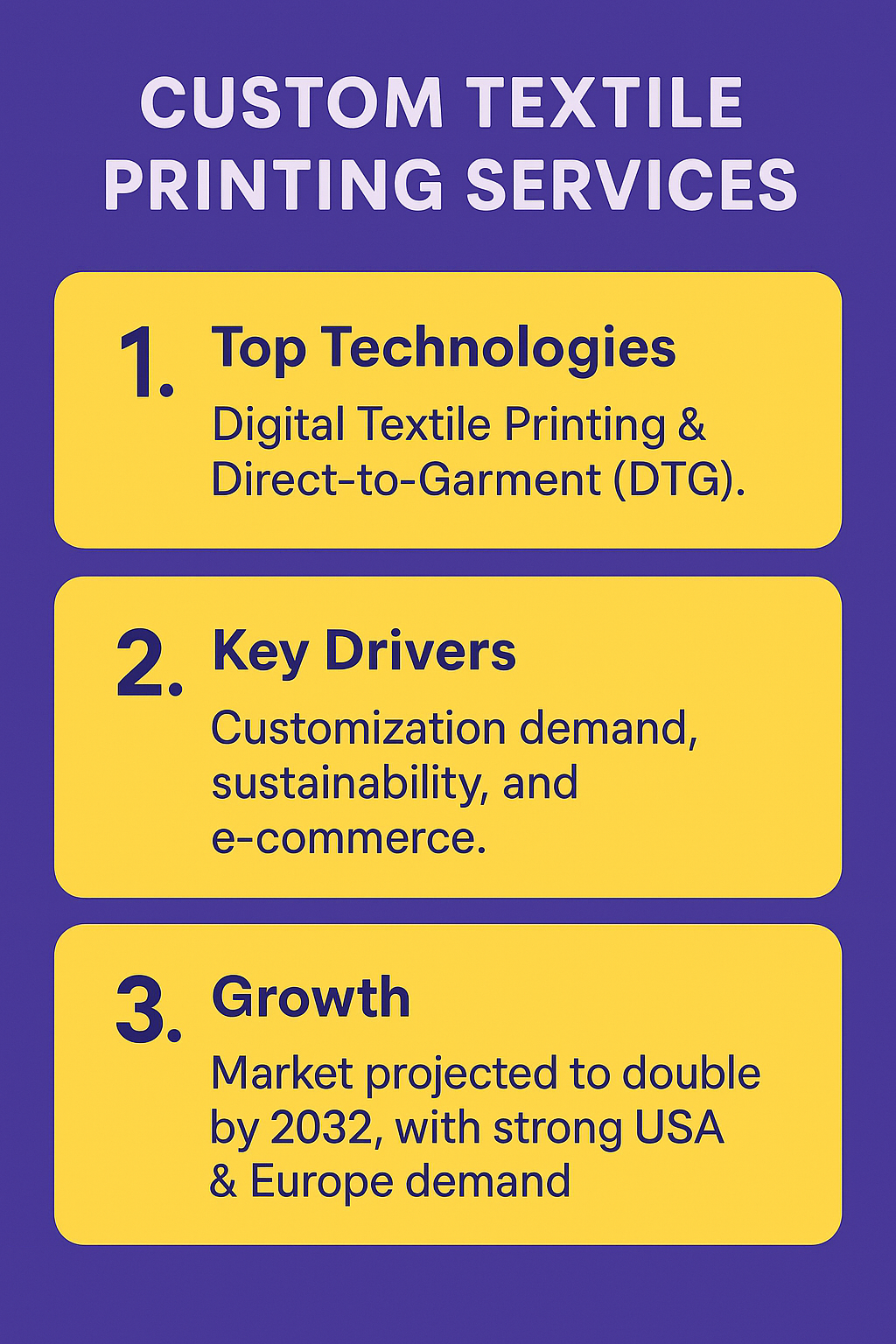
6. How to Win Your First Customers
Here’s where marketing makes or breaks your launch:
- Social Proof Matters: Offer exclusive discounts to early adopters in exchange for testimonials or reviews.
- Leverage Local Markets: Attend pop-up shops or farmers' markets in your area to showcase your prints.
- Word of Mouth: Offer referral bonuses to incentivize current customers to bring more traffic.
If marketing feels overwhelming, you can explore tools like AI SEO Blog to create optimized content that ranks on Google. With AI, you can target specific keywords to attract customers actively searching for services like yours.
How to Launch Your Business in 6 Steps
- Select Technology and Equipment
Choose from DTG, digital textile printing, or screen printing based on your niche and budget. For small-scale operations, DTG makes sense due to its flexibility and focus on customization.
- Source Eco-Friendly Materials
Sustainability plays a huge role in consumer preferences today. Partner with suppliers offering organic or recycled fabrics and water-based inks.
- Set Up an Online Store
Use platforms like Shopify or Etsy to establish an easy-to-navigate storefront. Offer high-quality product images and seamless payment options.
- Use AR and AI for Product Visualization
Augmented reality is revolutionizing the e-commerce world. Let customers visualize their designs on actual fabric swatches. AI-powered design hints can also simplify the creative process for beginners.
- Promote Aggressively During the Launch
List your business in free directories and marketplace platforms with tools like F/MS Marketing Directories. Over 1,500 directories are available, helping you gain backlinks and increase visibility.
- Track and Optimize
Monitor what works and adapt based on customer feedback. Use data analytics to assess the popularity of designs, pricing models, and time-to-order fulfillment.
Common Mistakes Entrepreneurs Must Avoid
- Not Validating Product Demand
Jumping into a business without testing the waters can lead to huge losses. Ensure your concept has a market before scaling up.
- Underpricing Services
Many first-time entrepreneurs underestimate their costs. Factor in hidden expenses like shipping and packaging when setting prices.
- Ignoring Marketing at the Start
Your printing technology is only as good as your ability to showcase it. Use expert-led tools like F/MS Marketing Services to put your brand in front of the right audience.
- Overcomplicating Designs
Focus on simplicity, especially initially. Elaborate designs can inflate costs and scare off potential buyers looking for affordability.
Must-Have Marketing Tool for Your Business in 2027
As a first-time entrepreneur, you should focus on validating your idea with minimal fuss. For this, nothing beats the power of SEO-driven content to attract organic leads. Tools like F/MS AI Article Writer simplify this process by generating SEO-optimized content that ranks on search engines like Google, as well as AI-powered tools like ChatGPT and Perplexity. With human oversight, the tool ensures that your brand stands out, engaging your target audience effortlessly.
Conclusion
Custom textile printing is more than just a trend; it’s a thriving industry nurturing creativity, sustainability, and entrepreneurship. With its low setup costs, flexible scaling options, and massive consumer demand, it’s a great business for first-time female entrepreneurs in 2027.
Start small with an MVP, leverage eco-friendly resources, and focus on your audience's specific needs. Don’t forget - the key to success lies in marketing your unique edge. Use the AI SEO Blog to get your business visible to a world of potential customers. Once you master these steps, your custom textile printing business will be ready to thrive in the work-from-home revolution sweeping 2027.
FAQ on Starting a Custom Textile Printing Business in 2027
1. Why is custom textile printing a great business idea for 2027?
The market for custom textile printing is booming, with the global industry projected to grow to $5.49 billion by 2033. Consumer demand for personalized fashion and advancements in eco-friendly technologies make this niche ideal for entrepreneurs.
2. What technological options are available for textile printing?
You can choose from Direct-to-Garment (DTG), digital textile printing, or screen printing. For small-scale businesses, DTG technology is an excellent option because of its flexibility and focus on personalization.
3. How important is sustainability in textile printing?
Sustainable practices like using water-based inks and recycled materials are becoming essential due to increased consumer awareness of environmental impact. Eco-friendly services can differentiate your brand from competitors.
4. What niche markets can I explore in textile printing?
Beyond apparel, explore niches such as baby products, pet accessories, home décor items, and corporate merchandise. Choosing a specific niche will help you stand out in a crowded market.
5. Which geographic locations offer growth potential?
The USA has a thriving market, with its digital textile printing industry expected to grow from $677.8 million in 2027 to $1,146.9 million by 2035. Europe also dominates with a significant market share.
6. How can a textile printing business ensure customer satisfaction?
Offer quality designs, faster delivery for small batches, and eco-conscious options. Incorporate augmented reality and AI-powered product visualization tools to enhance customer experience.
7. Can I use AI to write SEO-optimized articles that help my brand grow?
Most business owners don't understand how SEO works, let alone how to use AI for writing blog articles. That's why for busy business owners there's a great free tool that doesn't require much knowledge. Write articles for free
8. What are some effective marketing strategies for textile printing businesses?
Utilize social proof like customer testimonials, attend farmers’ markets to display your products locally, and offer referral bonuses. Leverage AI tools to create SEO-optimized content focused on your niche audience.
9. How can small businesses validate demand for textile products?
Start with an MVP, such as custom tote bags or T-shirts, to test market interest before expanding your product line. This reduces risks and aligns your offerings with consumer demand.
10. What mistakes should entrepreneurs avoid in textile printing?
Avoid underpricing services, ignoring marketing early on, and failing to test your product demand. Focus on simplicity in initial designs to attract cost-conscious buyers.
About the Author
Violetta Bonenkamp, also known as MeanCEO, is an experienced startup founder with an impressive educational background including an MBA and four other higher education degrees. She has over 20 years of work experience across multiple countries, including 5 years as a solopreneur and serial entrepreneur.

