
With the booming demand for digital skills and the growing accessibility of technology, online workshops for digital art creation are gaining significant traction in 2027. Whether you're an artist looking to share your expertise, a startup educator in the creative space, or simply an entrepreneur looking to diversify income streams, crafting effective, engaging workshops is a golden opportunity to tap into the multibillion-dollar digital art industry.
This guide unveils the top seven secrets to creating successful digital art workshops in 2027, with insights, actionable tips, and critical factors to consider for success. Learn more about Choosing the best Online Poetry Writing Workshops.
Why Digital Art Workshops Are Relevant in 2027
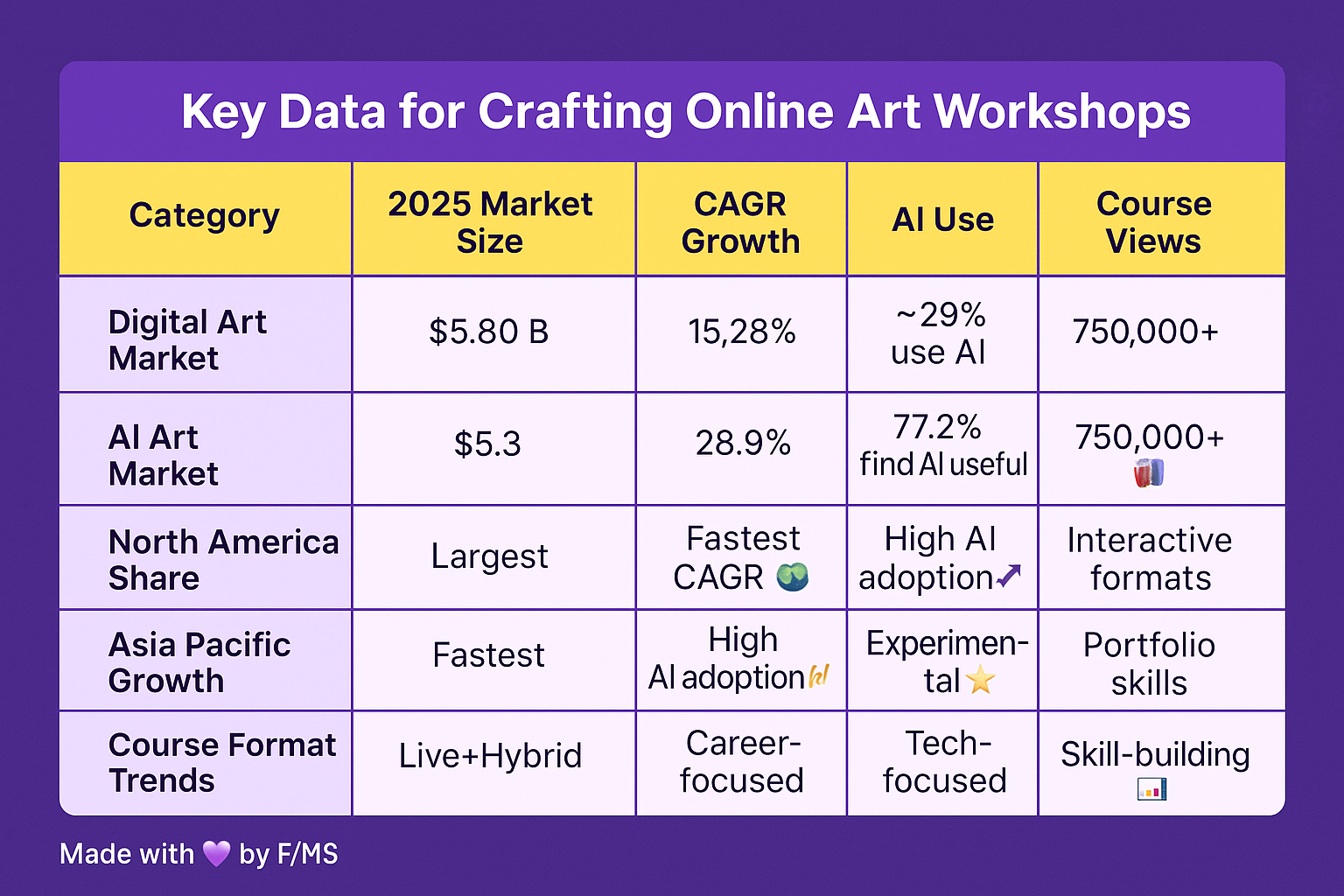
The digital art market continues to expand at a rapid pace. By 2027, it has grown to over $5.8 billion and is projected to double by 2030. Technological advancements, such as accessible graphic design software, AI tools for creativity, and demand for digital skills, have revolutionized how we create and consume art. Learn more about Successful online marbling art workshops.
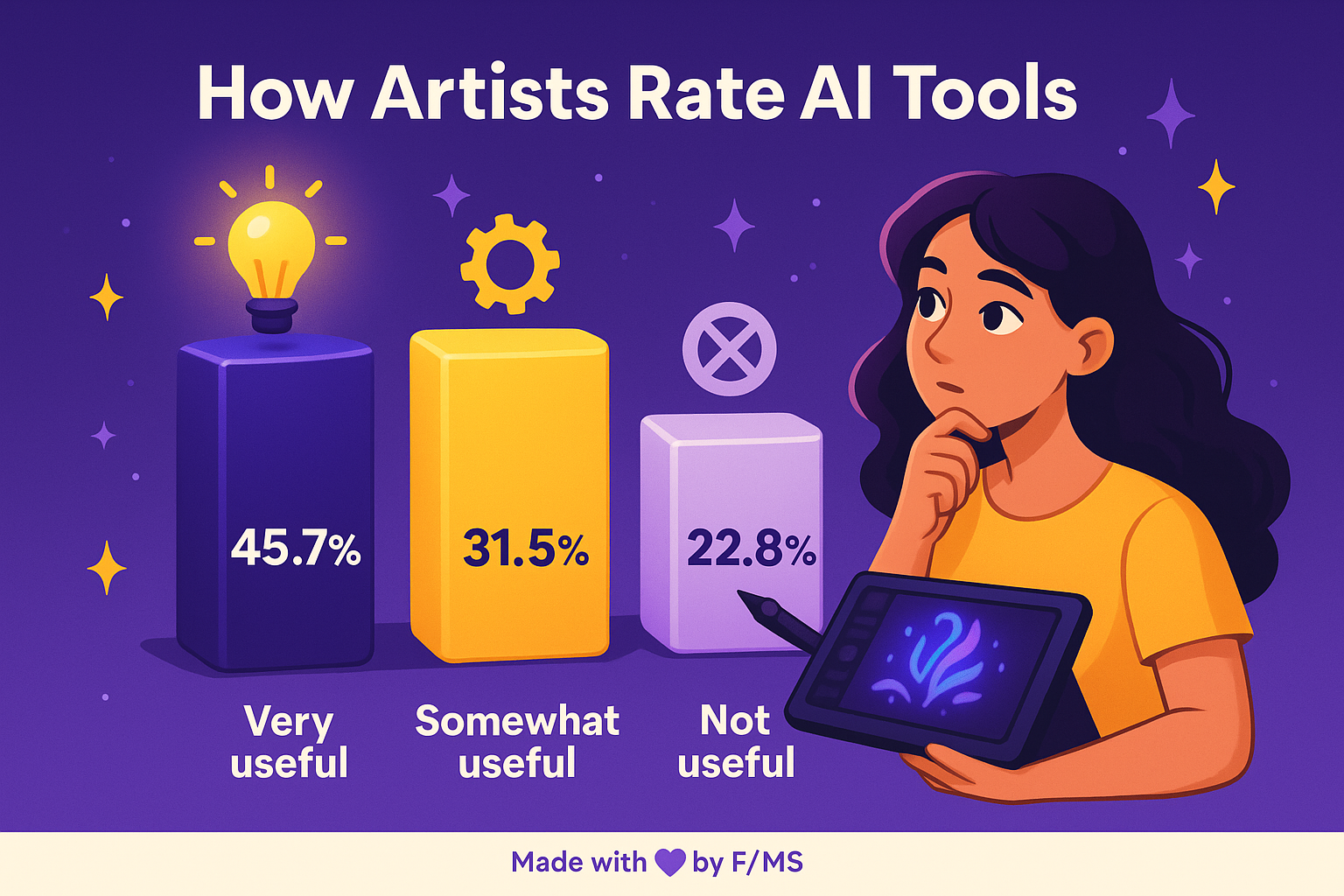
- AI Tools in Art: With 29% of artists using AI in their workflows, tools such as text-to-image generators drive creativity and productivity.
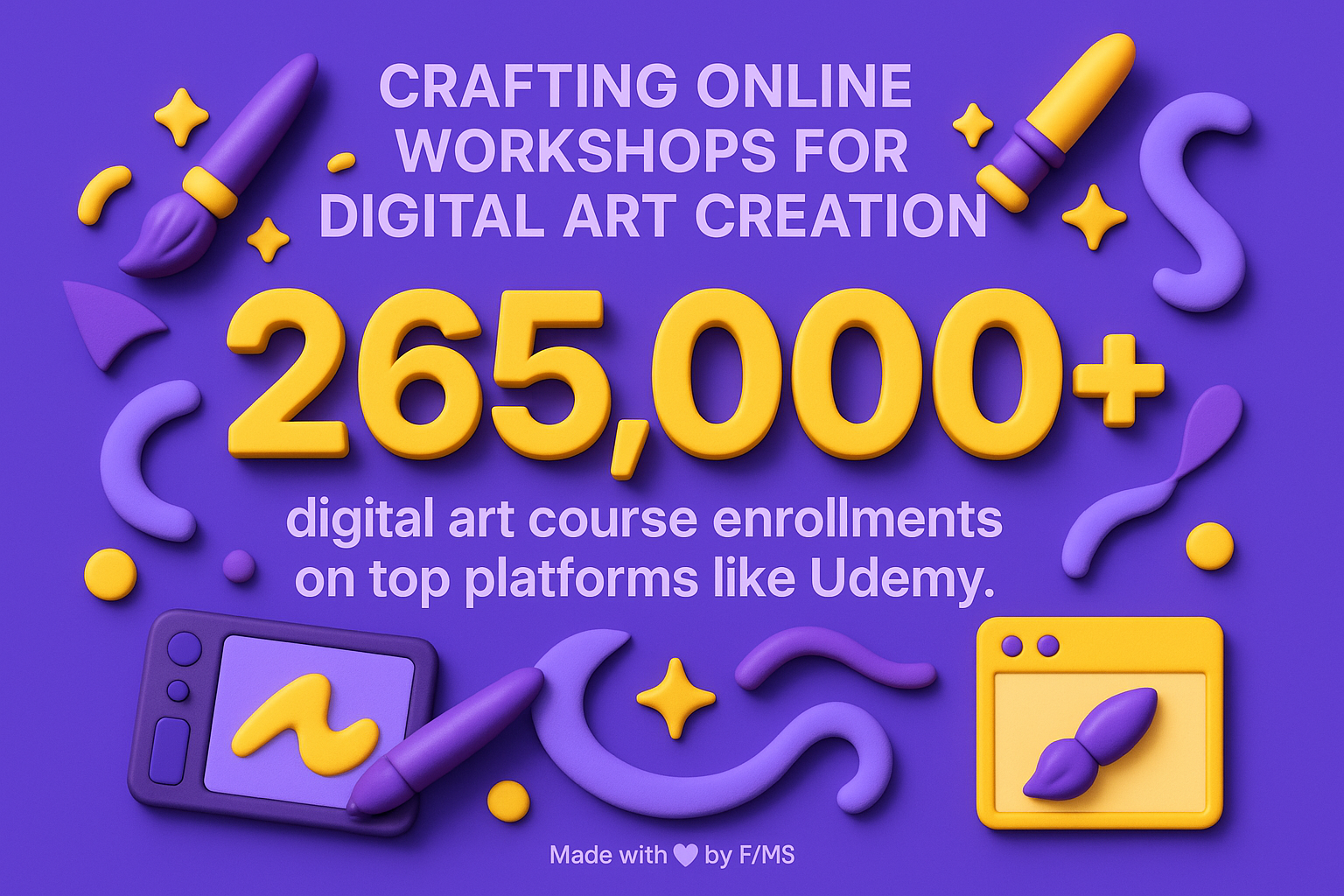
- Evolving Learning Models: Platforms like Udemy and Skillshare share statistics of 750,000 YouTube views and over 265,000 course enrollments in 2027, highlighting the hunger for skill acquisition in creative industries.
Digital art workshops meet the growing demand for both professional development and personal creativity, making them an excellent business opportunity.
SECRET 1: Understand Your Audience
Your first step in crafting a standout workshop is to define who you are creating it for. Are they beginners learning Photoshop for the first time, intermediate illustrators looking to expand their portfolio, or professionals integrating AI tools like MidJourney into their work?
Developing a clear learner persona helps guide your content focus. Key factors to analyze:
- Skill Level: Beginners need tools and workflows broken down, while advanced learners may focus on portfolio refinement.
- Goals: Recreational hobbyists will appreciate creative freedom, whereas professionals will prioritize tools that can streamline their work.
- Preferred Tools: Procreate users may have different needs than Blender or Adobe Illustrator users.
SECRET 2: Focus on a Specific Niche
The more niche your topic, the easier it is to find your ideal audience. General art skills are over-covered - focus on unique offerings such as AI-driven design, fantasy illustration for games, or realistic texture rendering for 3D modeling.
Niche ideas for workshops:
- Creating digital environments for virtual reality (VR).
- Using AI like DALL-E and text-to-image software for brainstorming.
- Mastering minimalist vector graphics for branding.
By identifying a distinctive angle, your workshop can stand out in a crowded market.
SECRET 3: Create an Interactive Learning Experience
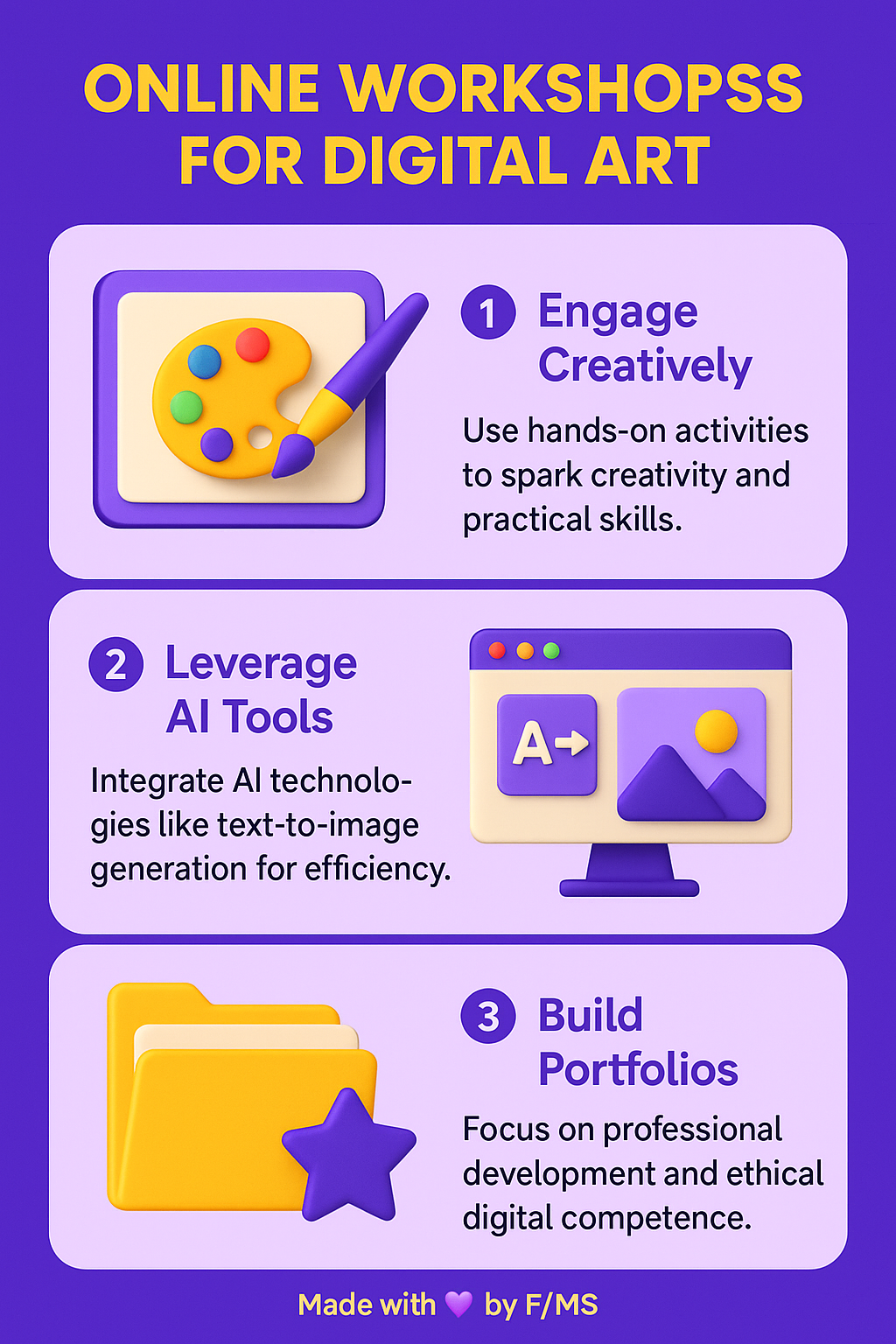
The best online workshops are hands-on and collaborative. This is pivotal in keeping learners engaged and ensuring they retain what they learn.
Must-have elements:
- Live Sessions: Real-time feedback during live drawing or editing demos.
- Breakout Rooms: Use tools like Zoom or Microsoft Teams to foster small-group collaborations.
- Personalized Feedback: Consider offering digital critiques on participants' work to enhance learning outcomes.
Include project-based learning, such as asking students to create a portfolio-worthy piece by the end of your session.
SECRET 4: Integrate Cutting-Edge Tools
Artists are always looking to stay ahead of trends, and embracing tools like AI and VR will lend your courses authority. For instance:
- Use platforms like ArtStation to showcase industry standards for portfolios.
- Introduce emerging AI tools for digital artists, like text-to-image tools or smart brush integrations.
- Provide a crash course on licensing NFTs or preparing digital assets for marketplaces like OpenSea.
SECRET 5: Start Marketing Even Before You Build
Many entrepreneurs mistakenly focus their energy solely on building the content first, when marketing your workshop is the harder and far more important step.
Launch promotion efforts early with:
- SEO Blogs: Use content strategies powered by the F/MS AI SEO Blog tool, which automates keyword-rich articles that rank on search engines and attract leads.
- Social Proofing: Run early-access beta versions for feedback, and collect testimonials to boost credibility for your final launch.
- Social Media Outreach: Create organic reach with teaser videos on YouTube or quick tips on Instagram.
SECRET 6: Adopt Professional Pricing Models
Price can make or break your workshop's success. While free workshops attract volume, premium pricing conveys value for niche skills or pro-level tools.
Recommended pricing tips:
- Beginner-level sessions: $50-100 per workshop.
- Advanced or professional courses: $150-500 per student.
- Consider adding bundles (e.g., "Portfolio Building Masterclass" + one-on-one coaching for $399).
SECRET 7: Focus on Ethics and Responsibility
As AI integration grows, ethical considerations around intellectual property, bias, and responsible use of technology are critical. Incorporate modules to educate your learners on topics like:
- Attribution protocols for AI-generated works.
- Avoidance of copyright infringement.
- Understanding creative licenses when using AI-generated assets.
These extra touches make your workshops aligned with industry trends while adding long-term value.
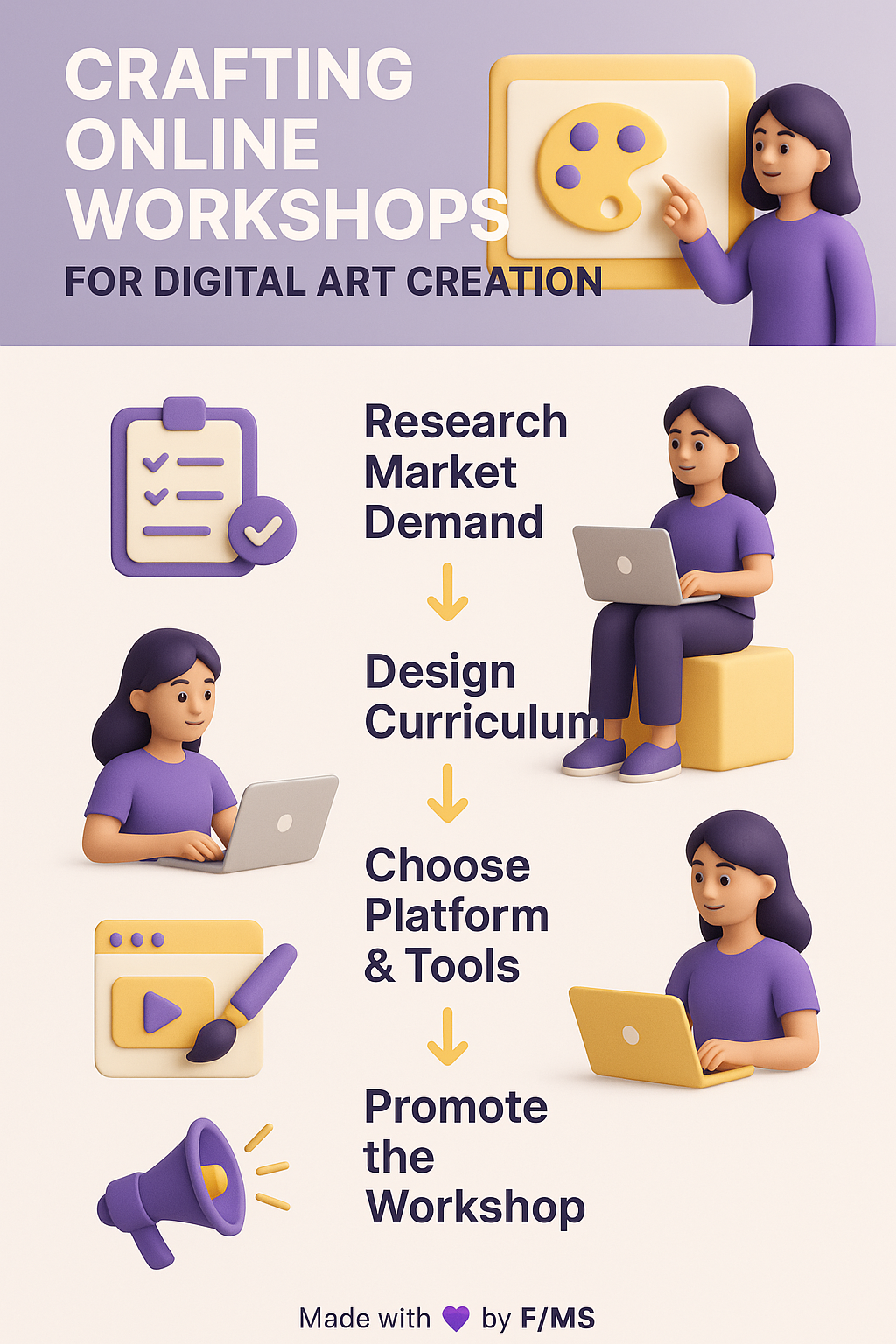
Step-by-Step Guide to Setting Up
- Research Your Target Audience: Partner with platforms like Class Central to identify popular courses, underserved niches, and trending topics.
- Validate Demand: Use free tools like Google Keyword Planner or the F/MS Marketing Directories to gauge interest and promote visibility.
- Build Content Iteratively: Start small. Upload pilot lessons or micro-workshops on platforms like Skillshare.
- Leverage SEO Early: Run detailed website audits using the F/MS Website SEO Analysis for actionable fixes.
- Launch and Measure: Gather participant feedback through surveys, collect testimonials, and iterate on your concept continuously.
Common Mistakes to Avoid
- Overly General Topics: Don’t make a workshop about "digital art basics." Aim for specific, actionable skill-building topics.
- Underestimating Marketing: Beginners often neglect to build a promotional pipeline. Use the F/MS Marketing Services to secure traffic via backlinks and AI-assisted reach.
- Skipping Copyright Discussions: Overlooking the importance of teaching ethical AI and digital art practices can harm your reputation.
- Ignoring Feedback: Regularly revise content for better user experience based on learner reviews.
Conclusion
Crafting exceptional digital art workshops in 2027 is both an exciting and lucrative venture. By combining niche expertise, interactive formats, strategic marketing tools like the F/MS AI SEO Blog, and a focus on digital ethics, you'll create sessions that stand out in this growing market.
Start small, test your ideas, and most importantly, market effectively. After all, marketing is the true backbone of your success - not just the content!
Ready to dive in? Use these strategies to take your first steps toward launching your own engaging and impactful workshop today.
FAQ on Crafting Online Digital Art Workshops
1. Why are online digital art workshops in demand in 2027?
The digital art industry is projected to grow significantly, with a market size of $5.8 billion in 2027. Factors like advancements in AI tools, increasing interest in digital creativity, and global accessibility contribute to this demand.
2. How can I choose the right audience for my workshop?
Understanding your target audience’s skill level and goals is critical. Beginners benefit from foundational tools, while professionals might prioritize AI-driven processes and portfolio refinement.
3. What is the importance of focusing on a niche in digital art workshops?
Specializing in a unique area such as AI-based illustration, VR design, or texture rendering helps differentiate your workshop in a saturated market.
4. Why is interactive learning key in digital art workshops?
Interactive components like live edits, group collaborations, and personalized feedback enhance engagement and retention. Platforms like Zoom or Microsoft Teams can support these features.
5. Which tools or technologies should be integrated into workshops?
Incorporate tools like ArtStation, AI-driven software like MidJourney or DALL-E, and emerging concepts like NFTs to keep your content cutting-edge.
6. When should I start marketing my workshop?
Start promoting your workshop early, even before finishing the content. Use SEO-driven blogs, social media teasers, and beta versions to build anticipation. Check out SEO tools for marketing
7. Can I use AI to write SEO-optimized articles that help my brand grow?
Most business owners don't understand how SEO works, let alone how to use AI for writing blog articles. That's why for busy business owners there's a great free tool that doesn't require much knowledge. Write articles for free
8. How do pricing models affect workshop success?
Pricing workshops based on skill level and content value can make a significant difference. Beginner sessions might cost $50-$100, while advanced workshops can range between $150-$500.
9. Should ethical considerations be included in workshops?
Yes, teaching about intellectual property, licensing for AI artwork, and responsible technology use builds credibility and trust among learners.
10. How can I avoid common mistakes when designing workshops?
Mistakes like failing to niche your content, neglecting marketing, or skipping copyright education can harm your workshop’s effectiveness and reputation.
About the Author
Violetta Bonenkamp, also known as MeanCEO, is an experienced startup founder with an impressive educational background including an MBA and four other higher education degrees. She has over 20 years of work experience across multiple countries, including 5 years as a solopreneur and serial entrepreneur.

