
In 2027, the creation of a digital library of educational resources for kids stands as one of the most promising ventures for first-time female entrepreneurs. With a growing global focus on accessibility, personalized learning, and multilingual education, this business idea combines innovation with impact. This guide explores the top proven steps, tips, and tools to help you launch and manage a thriving digital library catering specifically to children’s learning needs.
Why a Digital Library for Kids is a WINNING Business Idea
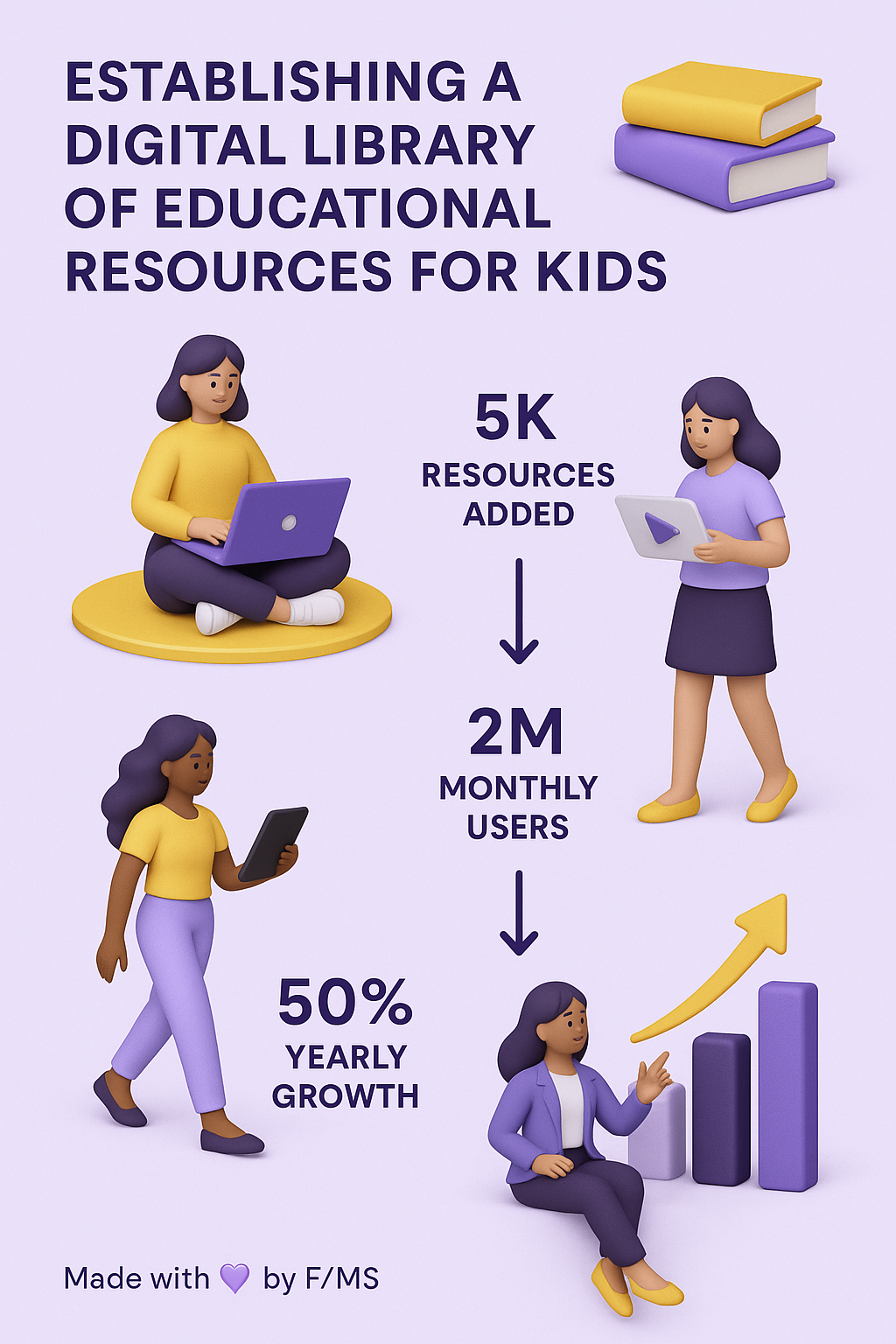
The increasing adoption of e-learning tools globally is transforming how children access education. Here’s why this idea is a great fit for first-time female entrepreneurs:
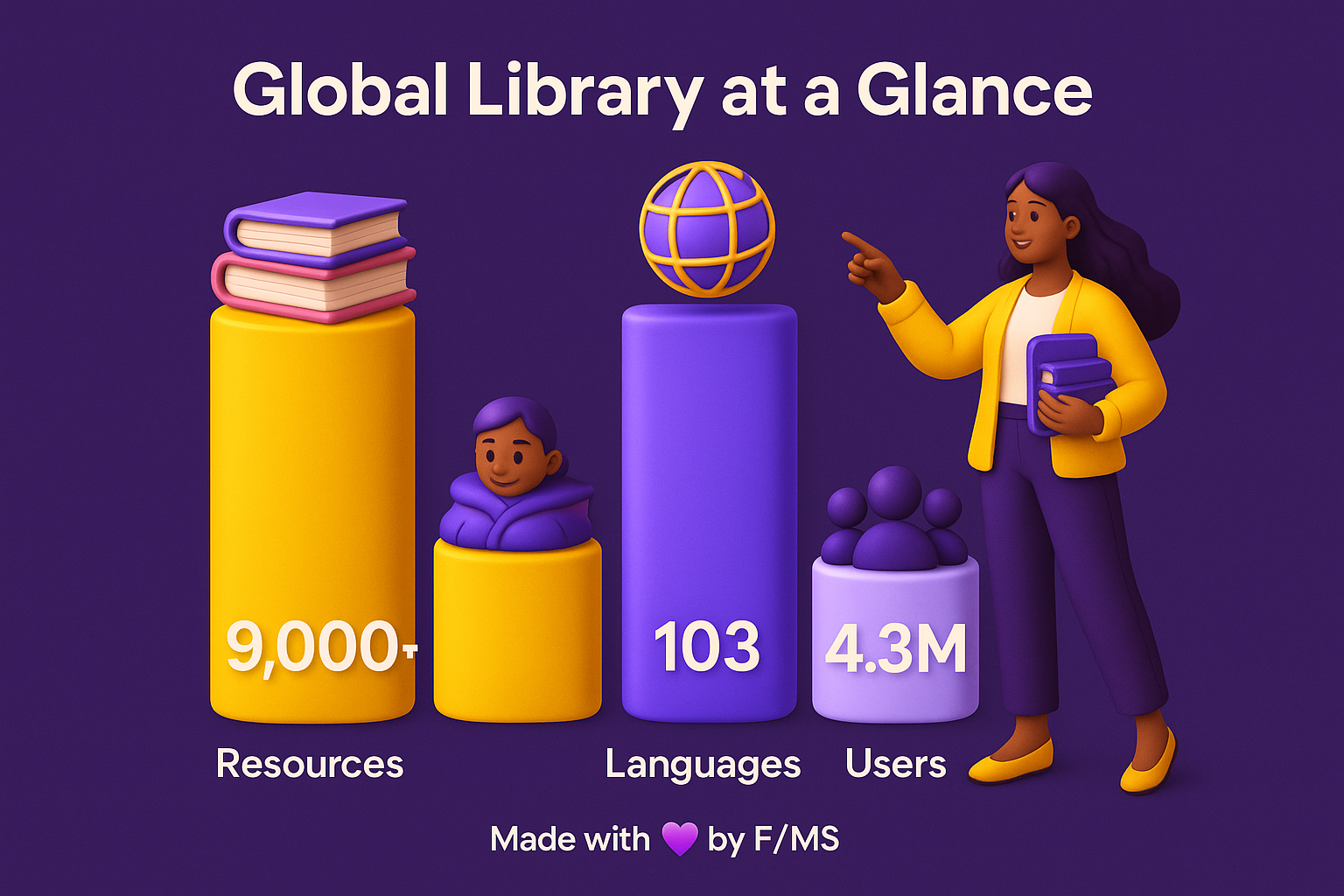
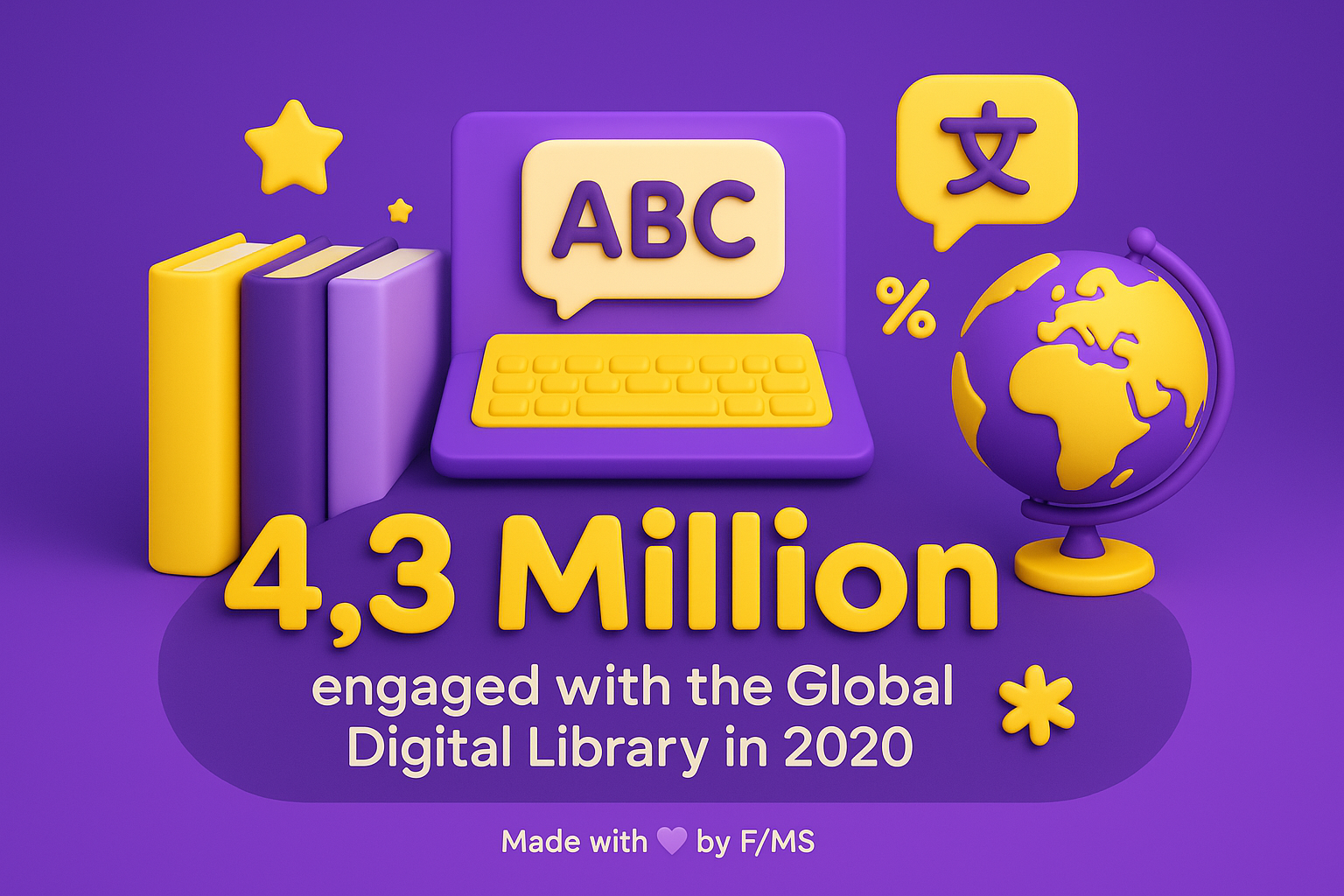
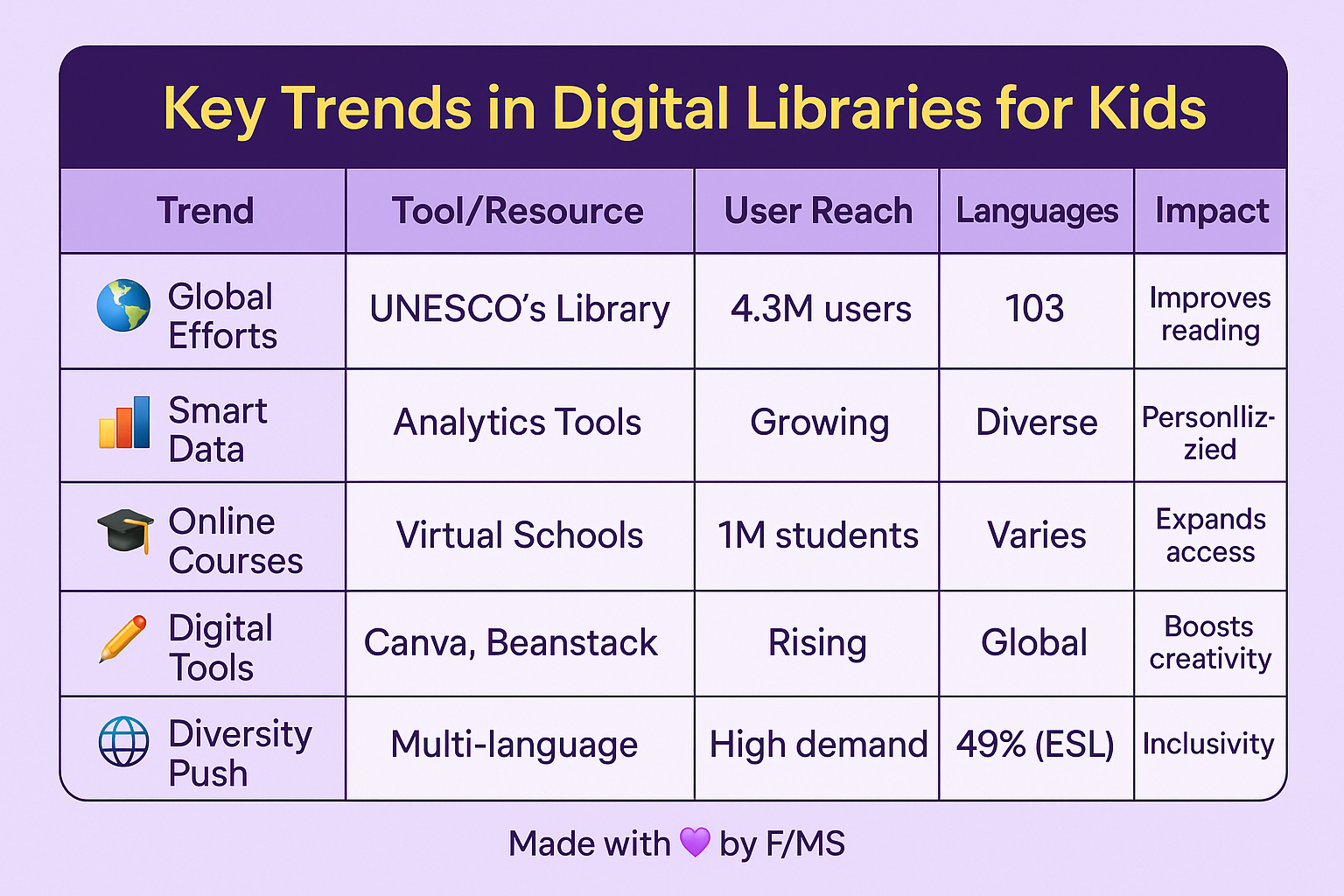
- Global Demand: According to UNESCO’s Global Digital Library, over 4.3 million users accessed similar platforms in 2020. This highlights the massive demand for educational resources tailored to young learners.
- Minimal Technical Barriers: Tools like Canva and Flipgrid make setting up a library highly accessible without complexity.
- Scalable Impact: A digital library can target diverse markets by offering content in multiple languages, especially in regions where 49% or more learners speak a language other than their school’s medium of instruction.
Step-by-Step GUIDE to Launching Your Digital Library for Kids
1. Identify a Specific Problem to Solve
Creating a digital library is more than offering eBooks or videos. The key to success lies in solving an educational challenge, such as:
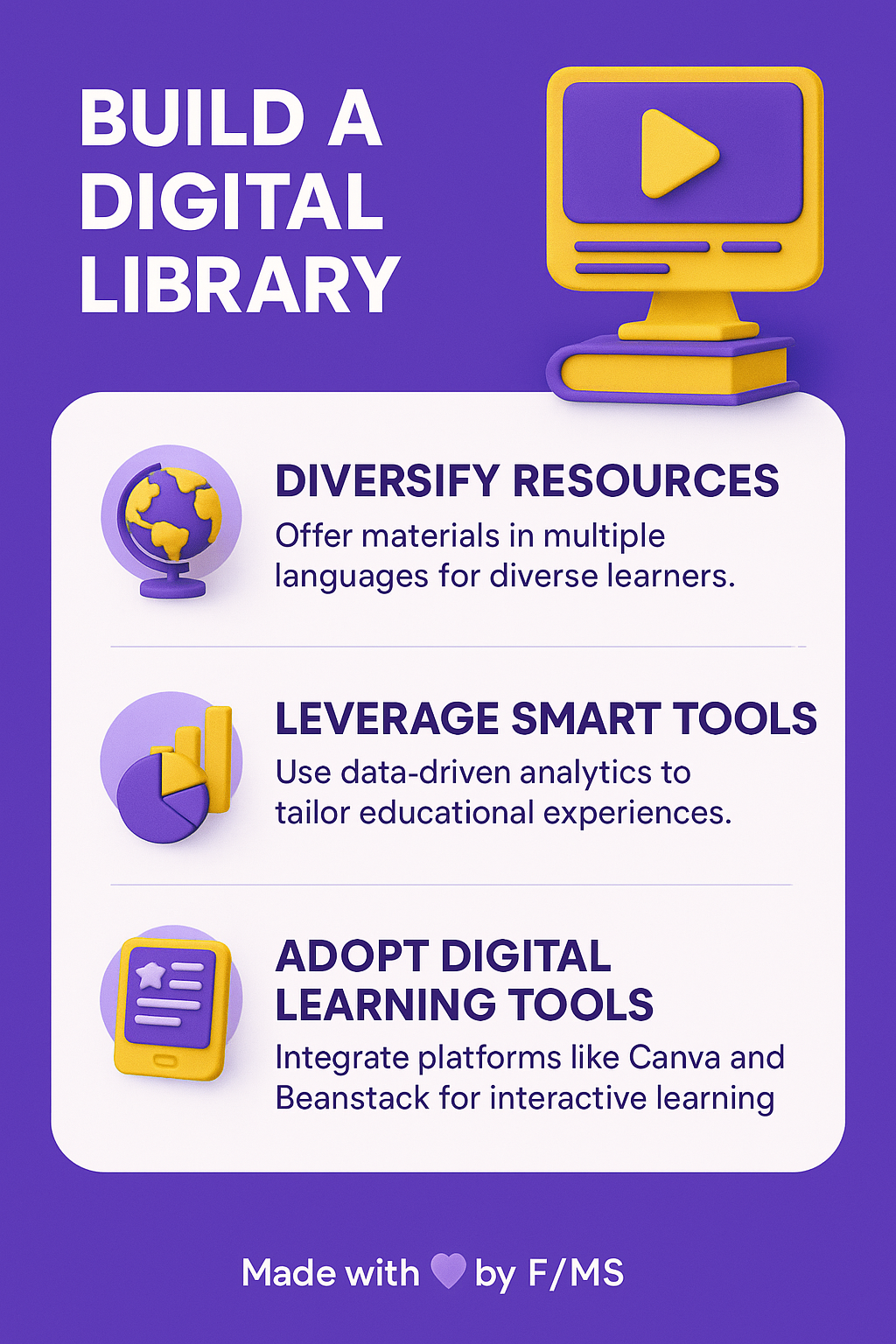
- Making resources accessible in multiple languages for diverse audiences.
- Offering tools that address STEM concepts via interactive formats like experiments and games.
Pro Tip: Conduct surveys or research platforms like Google Scholar for insights on learning gaps affecting children globally.
2. Curate Engaging Content and Tools
What to include?
- EBooks: Focus on visually captivating and interactive formats.
- Videos: Story-based animations drive engagement.
- Online Games: Gamified learning boosts retention rates.
- Multimedia Collections: Combine audio, text, and animations for diverse learning styles.
Resources like the American Association of School Librarians’ annual tool lists can help you discover innovative digital tools like Beanstack or Elementari.
3. Build an MVP (Minimum Viable Product)
An MVP allows you to test your library idea without heavy investment. For example:
- Offer a limited collection of resources for free in your pilot phase to gather user feedback.
- Focus on one specific area, such as early literacy or interactive STEM tools.
Tools like the F/MS Marketing Directories offer free ways to list your MVP on online business directories, driving initial visibility to your idea.
4. Develop a Pricing Model and Monetization Strategy
Balance accessibility with profitability by offering:
- Freemium Models: Provide basic access for free, with premium subscription plans.
- Partnerships: Collaborate with schools or non-profits to fund content creation.
- Ads or Sponsorships: Feature non-intrusive ads in your digital library.
Most Common Mistakes to Avoid
- Ignoring Accessibility: Not including universal features like multi-language options and dyslexia-friendly fonts can alienate potential users.
- Skipping Market Validation: Before investing, use platforms like F/MS Website SEO Analysis to test if there’s sufficient interest in your content or tools.
- Underestimating Marketing: Building the library is easy. Marketing - and getting those first customers - is the real challenge!
Tip for Beginners: Use AI SEO Blog services to create blog content that ranks well on Google and is optimized for emerging AI chatbots like ChatGPT, ensuring visibility.
How to Attract First Customers for Your Library
Getting your initial users is crucial for feedback and revenue flow.
Steps to Get Started:
- Partner with Educators: Teachers and librarians are your best advocates.
- Social Media Campaigns: Run Instagram challenges inviting teachers to share ways they use your resources.
- Leverage Directory Listings: Use directories from F/MS Marketing Services to boost visibility and gain backlinks.
- Email Marketing: Create downloadable resources like lesson plans that lead users to sign up for your library.
Secrets to Success in 2027: Technology Adoption and Data Literacy
1. Smart Data Integration
Using smart data ensures personalized recommendations for users. For instance, with analytics, you can track which resources are driving the most engagement and refine your library accordingly.
2. Prioritize User-Friendliness
Use tools like Canva for easy design and accessible navigation. A clutter-free experience improves retention rates.
3. Create Data-Driven Marketing Strategies
Marketing tools like F/MS AI Article Writer allow entrepreneurs to set up SEO and content marketing on autopilot - making it easier to reach audiences through AI platforms and search engines alike.
Conclusion
Launching a digital library filled with engaging, diverse, and accessible educational resources is one of the best ideas for female entrepreneurs stepping into edtech in 2027. By solving real-world challenges, leveraging affordable tools, and focusing on validated marketing strategies, you can create a meaningful and profitable venture.
The demand is already here; it’s just waiting for your innovative touch. Ready to get started? Illuminate young minds and create your pathway to entrepreneurial success!
FAQ on Establishing a Digital Library of Educational Resources for Kids
1. Why should I start a digital library for kids?
A digital library provides accessible, personalized, and multilingual education. It addresses global learning gaps, especially for children in diverse language environments. According to UNESCO, the Global Digital Library serves over 4.3 million users and offers resources in 103 languages.
2. What types of resources should a digital library include?
An effective digital library includes eBooks, videos, online games, and multimedia formats. Interactive STEM tools and visually captivating story-based resources are key for engaging young learners. Tools like Flipgrid can help curate content easily.
3. How do I make my library accessible to diverse audiences?
Including resources in multiple languages and using accessible features like dyslexia-friendly fonts enhance inclusivity. For instance, 49 percent of students in Brockton, Massachusetts, speak a first language other than English, indicating the need for multilingual accessibility.
4. What pricing strategies can I use?
Use freemium models to provide free, basic access while offering premium subscription plans. Partnerships with schools or non-profits can fund content creation, or use ads and sponsorships for monetization.
5. Can smart data help improve my library?
Yes, smart data enables personalized recommendations for users. By tracking engagement, you can refine your library for better outcomes. This trend is transforming school libraries by fostering active learning environments.
6. How can I market my library to attract more users?
Partner with educators, run social media campaigns, leverage online directory listings, and use email marketing. Creating downloadable lesson plans is a great way to convert users.
7. Can I use AI to write SEO-optimized articles that help my brand grow?
Most business owners don't understand how SEO works, let alone how to use AI for writing blog articles. That's why for busy business owners there's a great free tool that doesn't require much knowledge. Write articles for free.
8. How do I avoid common pitfalls when creating a digital library?
Avoid skipping accessibility features like multi-language options and market validation. Use tools like SEO analysis platforms to test interest before investing. Learn how to test your idea’s market viability.
9. What tools can I use to design my digital library?
Platforms like Canva are great for designing engaging visuals and presentations. Canva offers accessible templates for creating clutter-free navigation and multimedia-enhanced content.
10. Who are some key partners in building a library platform?
Educators, librarians, and schools can be excellent collaborators. They help provide insights into student needs and promote your resources effectively.
About the Author
Violetta Bonenkamp, also known as MeanCEO, is an experienced startup founder with an impressive educational background including an MBA and four other higher education degrees. She has over 20 years of work experience across multiple countries, including 5 years as a solopreneur and serial entrepreneur.

