
In 2027, the home improvement industry is thriving, with the DIY (Do-It-Yourself) movement gaining even more traction. Homeowners are seeking cost-effective, sustainable, and high-value solutions to upgrade their homes. For content creators and entrepreneurs, this opens up a golden opportunity to build a business around creating tutorials for home improvement projects. These tutorials can serve as a guide for homeowners and also establish your brand as an authoritative voice in this lucrative niche.
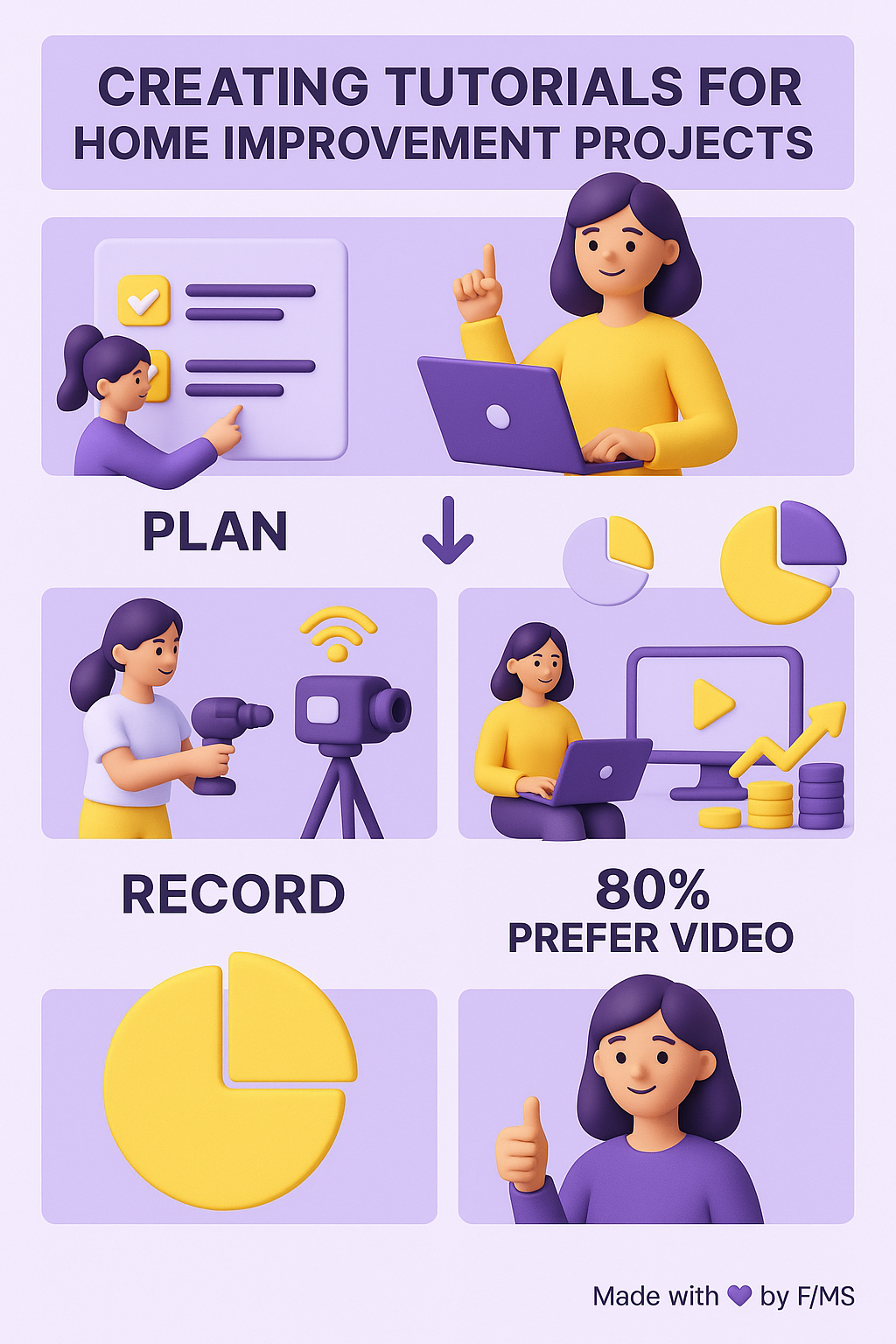
This article will walk you through the top seven proven steps to create impactful tutorials that resonate with modern DIY enthusiasts. Packed with data, tips, and actionable strategies, this guide will help you carve your place in this booming market. Here is how to create a proven AI Virtual Home Entertaining.
1. UNDERSTAND YOUR TARGET AUDIENCE AND CHOOSE HIGH-DEMAND PROJECTS
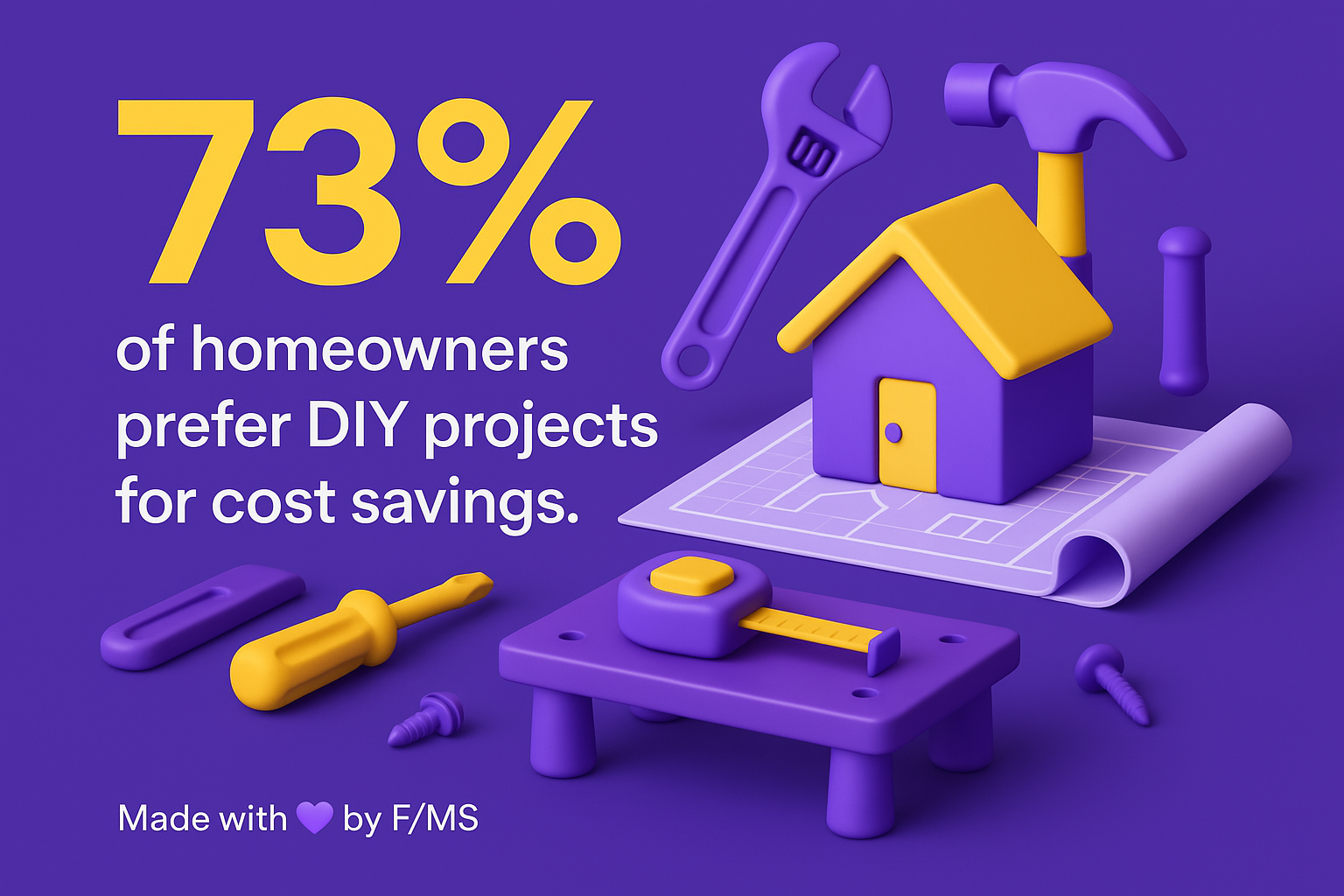
Before you begin, identify your target demographic. Research shows that 73% of homeowners prefer DIY projects for cost savings and for developing new skills. Whether it’s Gen Zers experimenting with small apartment upgrades or Baby Boomers focused on cosmetic renovations, understanding their motivations is crucial. Here is how to create an AI virtual home maintenance checklist.
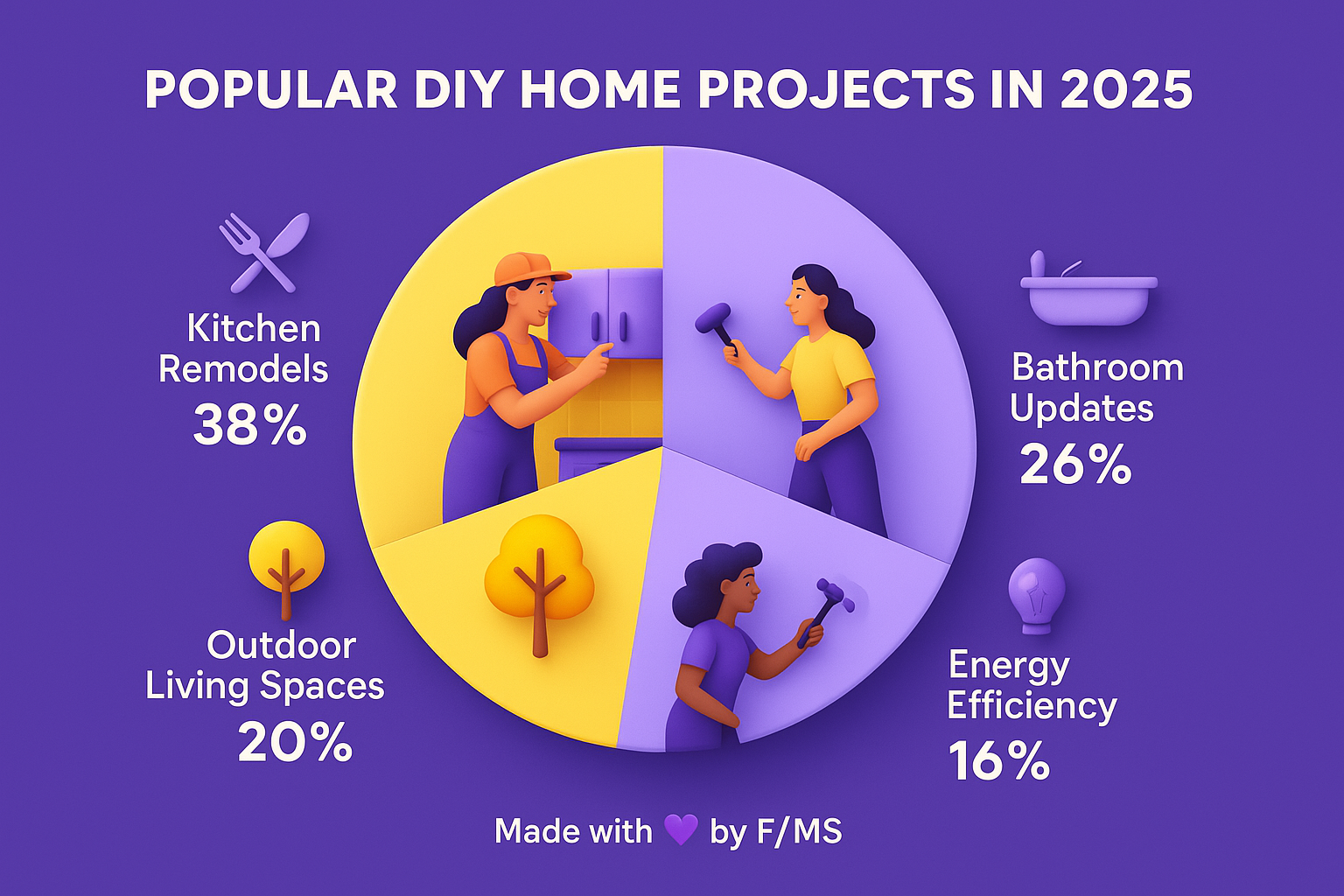
According to This Old House, popular projects for 2027 include:
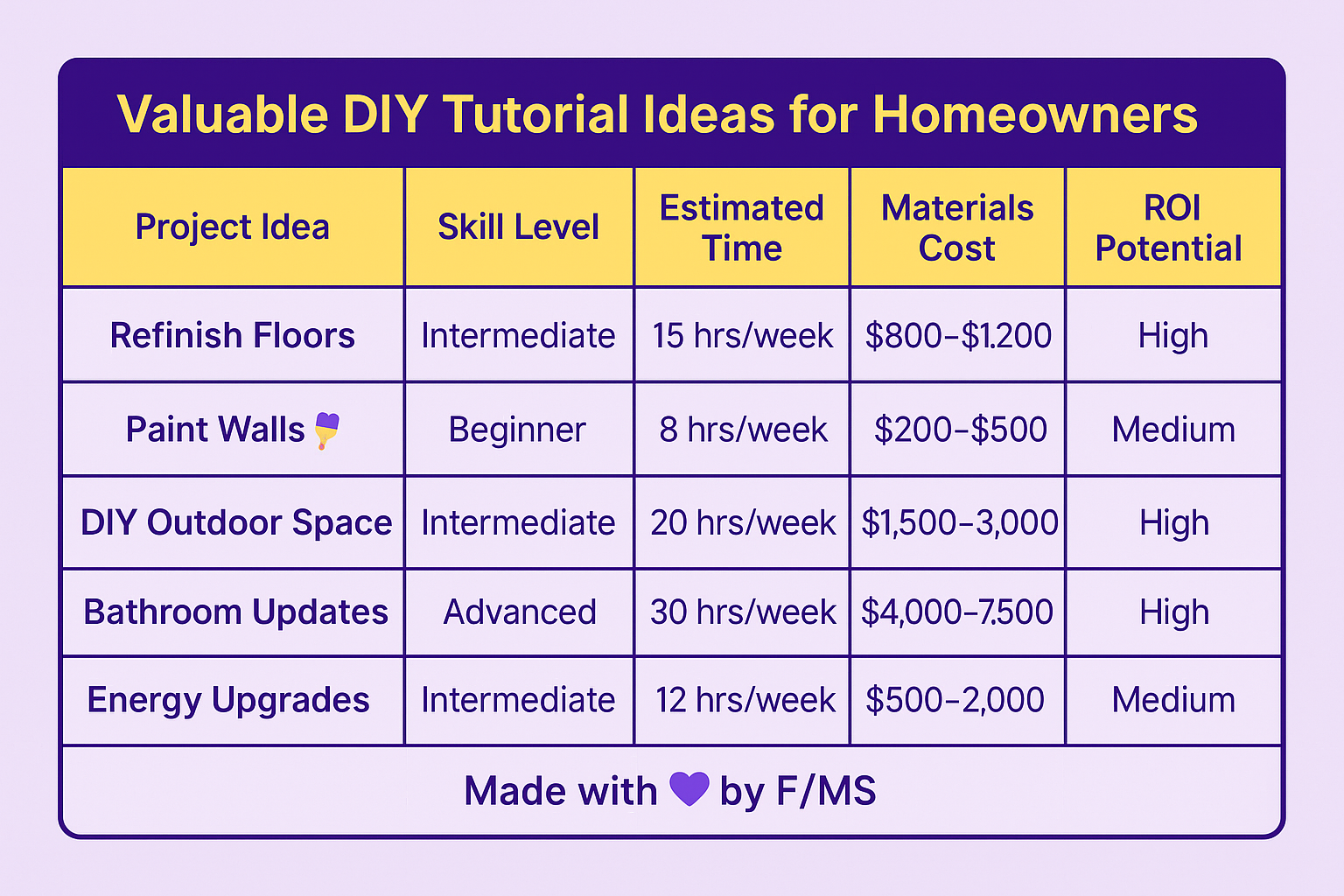
- Flooring upgrades (hardwood refinishing has a high ROI).
- Kitchen and bathroom remodels (comprising 38% and 26%, respectively, of planned renovations).
- Outdoor living spaces and energy-efficient upgrades (key trends for 2027).
2. PLAN HIGH-QUALITY PROJECTS AND CREATE A VALUE PROPOSITION
Your tutorial should solve a specific problem your audience faces. For instance, focus on projects that are budget-friendly or provide excellent ROI like refinishing hardwood floors or adding energy-efficient lighting. Highlight these points in your tutorials to position yourself as a solution-oriented content creator.
For maximum impact, focus on tutorials in these areas:
- Budget Projects: Easy and cheap, catering to Gen Z renters.
- High ROI Upgrades: Flooring and cosmetic changes targeted at homeowners planning to sell.
Pro Tip: Use the F/MS Marketing Services to feature your tutorials in listicle-type articles and drive more visibility to your platform. Their placement in priority blog sections also increases your chances of exposure through AI chatbot tools like Perplexity and ChatGPT.
3. CHOOSE THE RIGHT FORMAT
In 2027, DIY enthusiasts consume content through a variety of channels, including:
- Video Tutorials: Hosted on YouTube or TikTok for visual learners.
- Written Guides & Blogs: Well-suited for SEO purposes.
- Infographics: Perfect for quick reference.
Video content is still king. Home improvement projects typically require visual demonstration, and platforms like YouTube offer a massive reach. To rank higher in search engines, combine video content with written blog guides and use the AI SEO Blog tool. The tool optimizes content efficiently on auto-pilot, enhancing Google rankings and generating leads.
4. OUTLINE YOUR TUTORIALS WITH PRECISION
The structure of your tutorial matters as much as the content itself. Here's a proven framework:
- Introduction: Explain the purpose of the project and its benefits.
- Step-by-Step Guide: Provide detailed instructions, and include essential tools and materials.
- Safety Tips: Emphasize precautions, especially when handling tools or working on electrical or plumbing projects.
- Conclusion: Summarize the results and provide follow-up resources (e.g., links to related tutorials or tools).
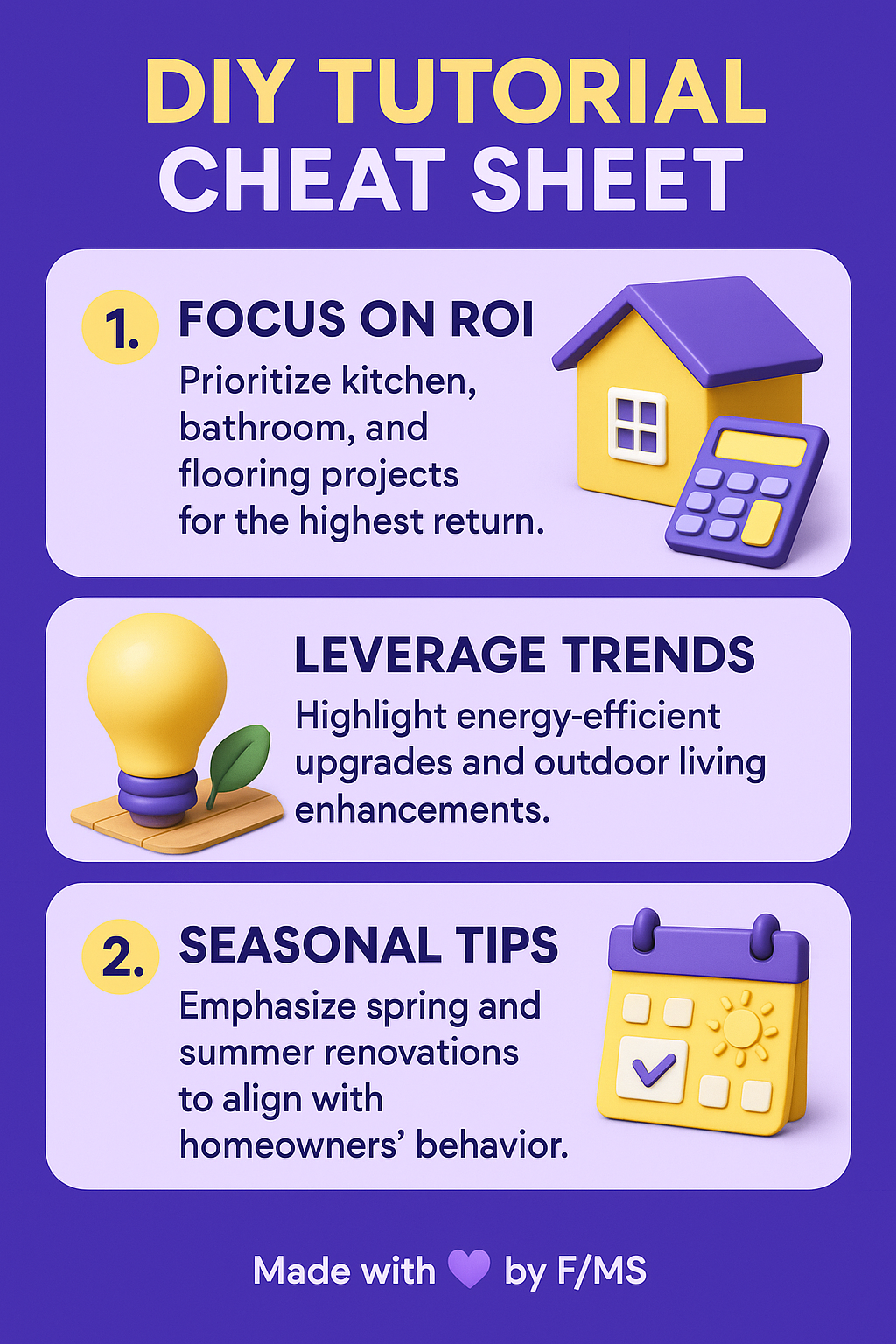
Including relatable storytelling with examples can make your tutorials both engaging and educational. Pair the written guide with a professionally designed infographic like this one:
5. INVEST IN MARKETING AND SEO TO GAIN TRACTION
Creating content is just the beginning. Marketing it effectively is the harder part. To ensure success:
- Start strong with SEO: Use the F/MS Website SEO Analysis tool to assess the SEO readiness of your platform. Proper keyword mapping ensures you reach the right audience.
- Leverage directories: Submit your tutorials to the F/MS Marketing Directories to boost visibility. These directories improve domain authority and generate organic traffic.
- Use Social Media: Optimize posts for Instagram and Pinterest; both platforms are particularly popular for home improvement visuals.
6. CREATE A MINIMUM VIABLE PRODUCT (MVP) TUTORIAL
Before investing heavily in full-scale content production, test the waters with an MVP tutorial. Start with a small project like "How to Install Peel-and-Stick Wallpaper." Collect feedback from viewers and refine your process based on their responses.
This approach minimizes risks and allows you to scale your content effectively. Consider tools like the AI SEO Tool with Human Oversight, which can handle keyword research, competitor analysis, and blog optimization, letting you focus on enriching content.
7. MONETIZE YOUR TUTORIAL BUSINESS
Turning your home improvement tutorials into a sustainable business can be done in several ways:
- Ad Revenue: From YouTube views or monetized blog traffic.
- Affiliate Marketing: Partner with brands for tools and materials mentioned in your tutorials.
- Product Sales: Launch DIY kits based on your tutorials. For example, a kit for a basic paint job or flooring upgrade.
- Freemium Models: Offer free basic tutorials and charge for premium, in-depth guides or personal consultations.
For freelance or business creators, placing premium tutorial content in VIP networks (such as F/MS Marketing Services) increases visibility and credibility.
COMMON MISTAKES TO AVOID WHEN CREATING HOME IMPROVEMENT TUTORIALS
- Overcomplicating Instructions: Focus on clarity and beginner-friendly steps.
- Failing to Research: Ensure your project is relevant to your audience’s interests.
- Ignoring Changes in Trends: Regularly update your content in line with industry shifts, such as the growing emphasis on energy efficiency in 2027.
- Skipping Marketing: Even the best tutorials need effective marketing for visibility.
CONCLUSION
The home improvement industry in 2027 offers incredible opportunities for tutorial creators, but success depends on understanding what your audience needs and marketing the content effectively. By following these seven proven steps, you can craft highly impactful tutorials that provide value to homeowners and carve out your niche in this growing field.
Looking to supercharge your efforts? Leverage tools like the AI SEO Blog tool for content optimization and F/MS Marketing Services to get featured in articles, boosting your visibility across platforms.
Create tutorials that educate, inspire, and add value. Your audience (and business) will thank you for it.
FAQ on Creating Home Improvement Project Tutorials
1. Why are DIY home improvement tutorials so popular in 2027?
DIY tutorials have gained massive popularity due to cost-saving opportunities and a growing interest in learning new skills, driven by 73% of homeowners preferring to handle projects themselves. Popular projects like kitchen remodels and outdoor upgrades dominate 2027 trends.
2. What are the best DIY projects with a high ROI in 2027?
Projects like refinishing hardwood floors and installing energy-efficient upgrades provide excellent ROI and remain favored by homeowners in 2027. These projects combine aesthetic value with functionality.
3. What formats are ideal for creating engaging DIY tutorials?
The best formats include video tutorials on platforms like YouTube, written blog guides optimized for SEO, and visually compelling infographics. These formats cater to both visual learners and readers who value detailed instructions. Learn more about video content strategies
4. How important is SEO for DIY tutorials?
SEO is crucial for reaching your audience; it ensures your content ranks higher on search engines and drives organic traffic. Tools like the F/MS AI SEO Blog tool can help optimize your content automatically for better visibility. Get started with the F/MS AI SEO Blog tool
5. How can I test my tutorial idea before full production?
Start with a minimum viable product (MVP) tutorial, such as a small project like installing peel-and-stick wallpaper. Gather feedback from viewers to improve the tutorial before scaling production. Discover tools for MVP testing
6. What marketing strategies work best for DIY tutorial creators?
Submit content to marketing directories, boost SEO readiness with analysis tools, and leverage platforms like Pinterest and Instagram for high-visual impact. Targeted ads and collaborations further heighten audience reach. Check out F/MS Marketing Directories
7. Can I use AI to write SEO-optimized articles that help my brand grow?
Most business owners don't understand how SEO works, let alone how to use AI for writing blog articles. That's why for busy business owners there's a great free tool that doesn't require much knowledge. Write articles for free
8. What are homeowners’ top priorities when tackling DIY projects?
Homeowners prioritize cost savings and quality. In 2027, around 86% of heavy DIYers focus on buying high-quality products, while Gen Z and Baby Boomers consider both quality and availability crucial.
9. How can I monetize my home improvement tutorials?
You can monetize through ad revenue from platforms like YouTube, affiliate marketing for tools and materials, selling DIY kits, or offering premium paid tutorials and consultations. Learn how to monetize your content
10. What common pitfalls should I avoid when creating tutorials?
Avoid overcomplicating instructions, failing to research trends, skipping marketing efforts, and neglecting safety tips in your content. Following these steps ensures clarity and relevance for your audience.
About the Author
Violetta Bonenkamp, also known as MeanCEO, is an experienced startup founder with an impressive educational background including an MBA and four other higher education degrees. She has over 20 years of work experience across multiple countries, including 5 years as a solopreneur and serial entrepreneur.

