
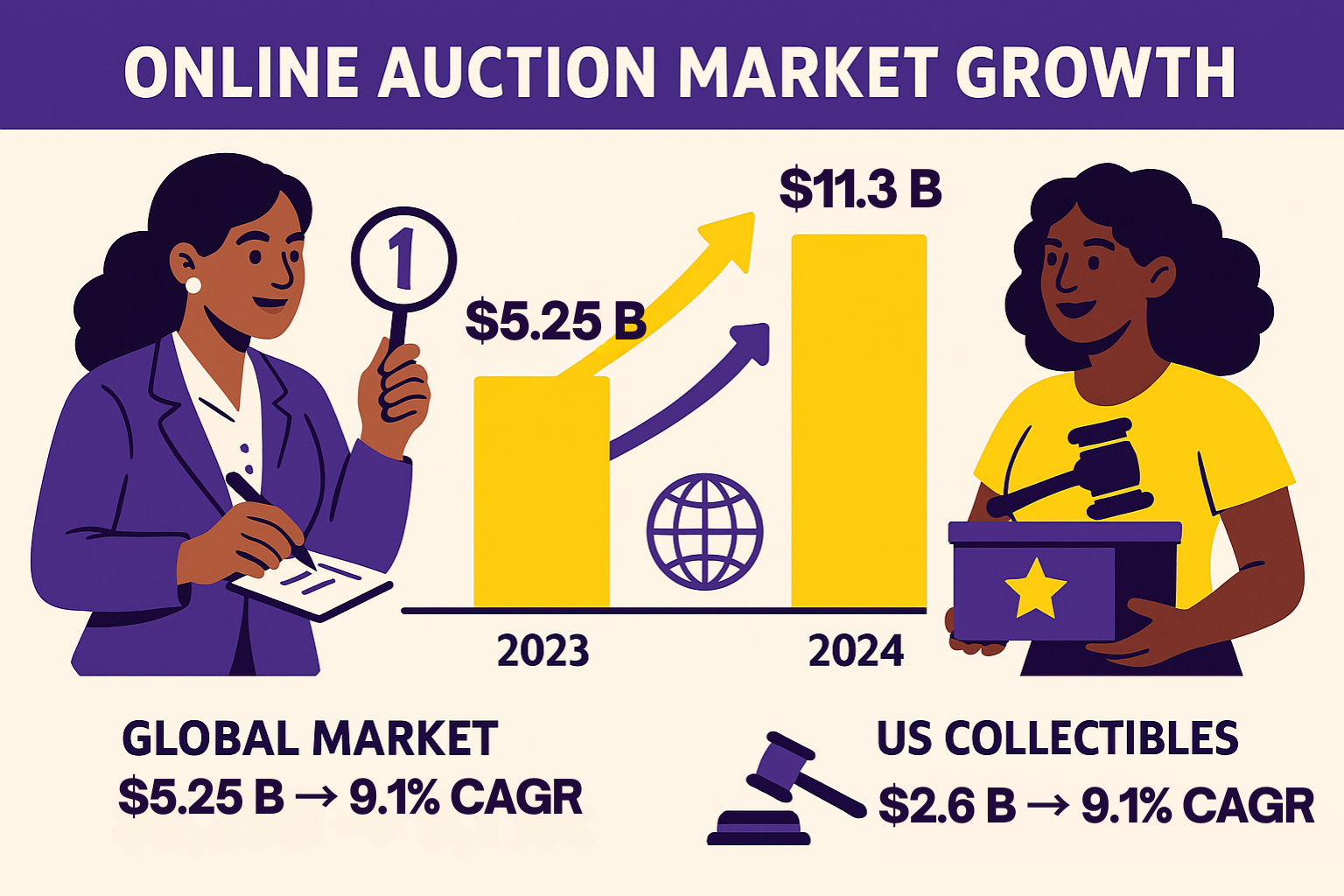
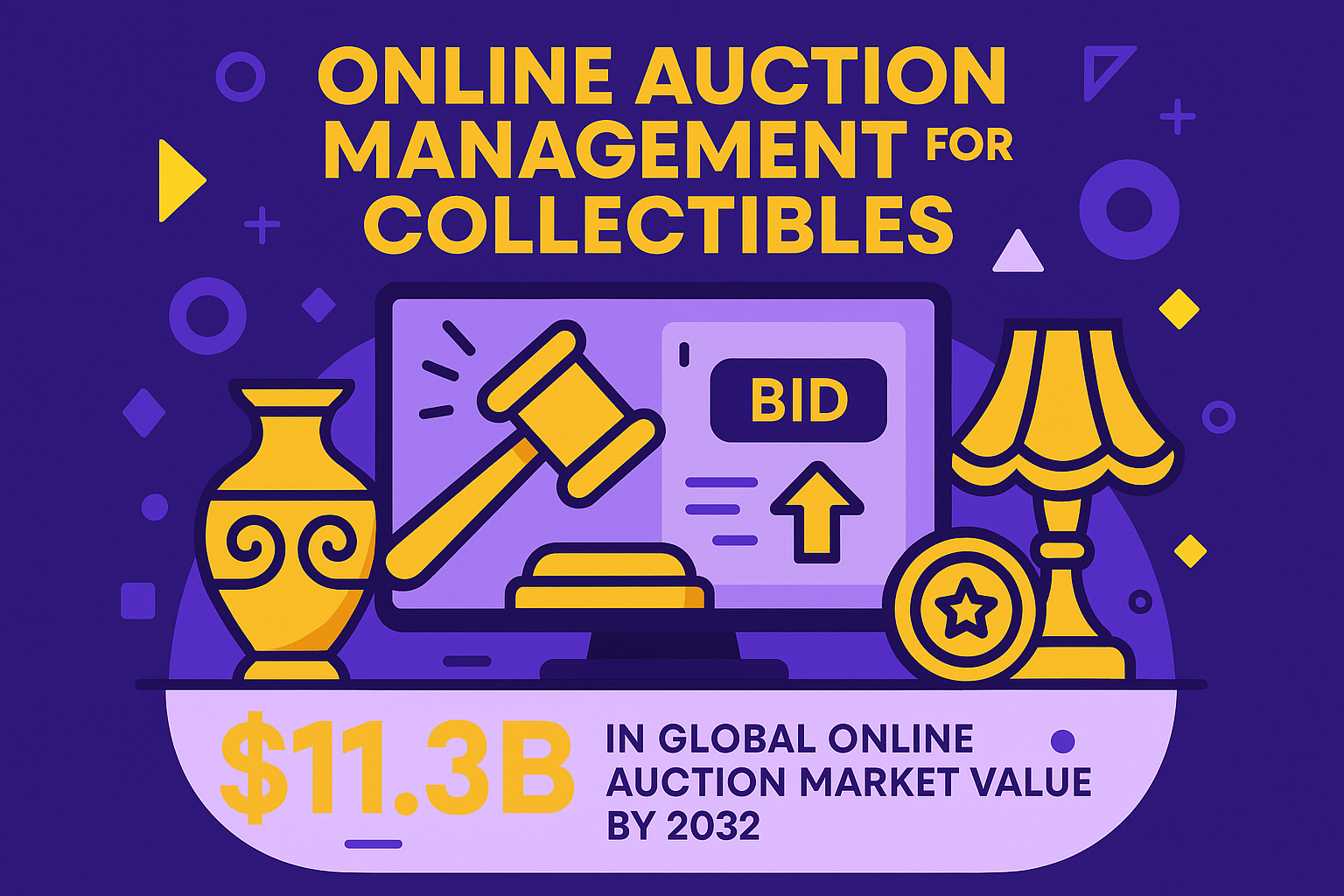
The online auction industry is experiencing accelerated growth, especially in the collectibles segment. By leveraging technology and embracing consumer trends, entrepreneurs can tap into a thriving $11.3 billion global market expected by 2032, with collectibles driving much of this momentum. Whether you're a beginner or an established auction manager, optimizing your approach with proven steps and examples can make all the difference in scaling your business while navigating challenges like technical scalability and bid fraud.
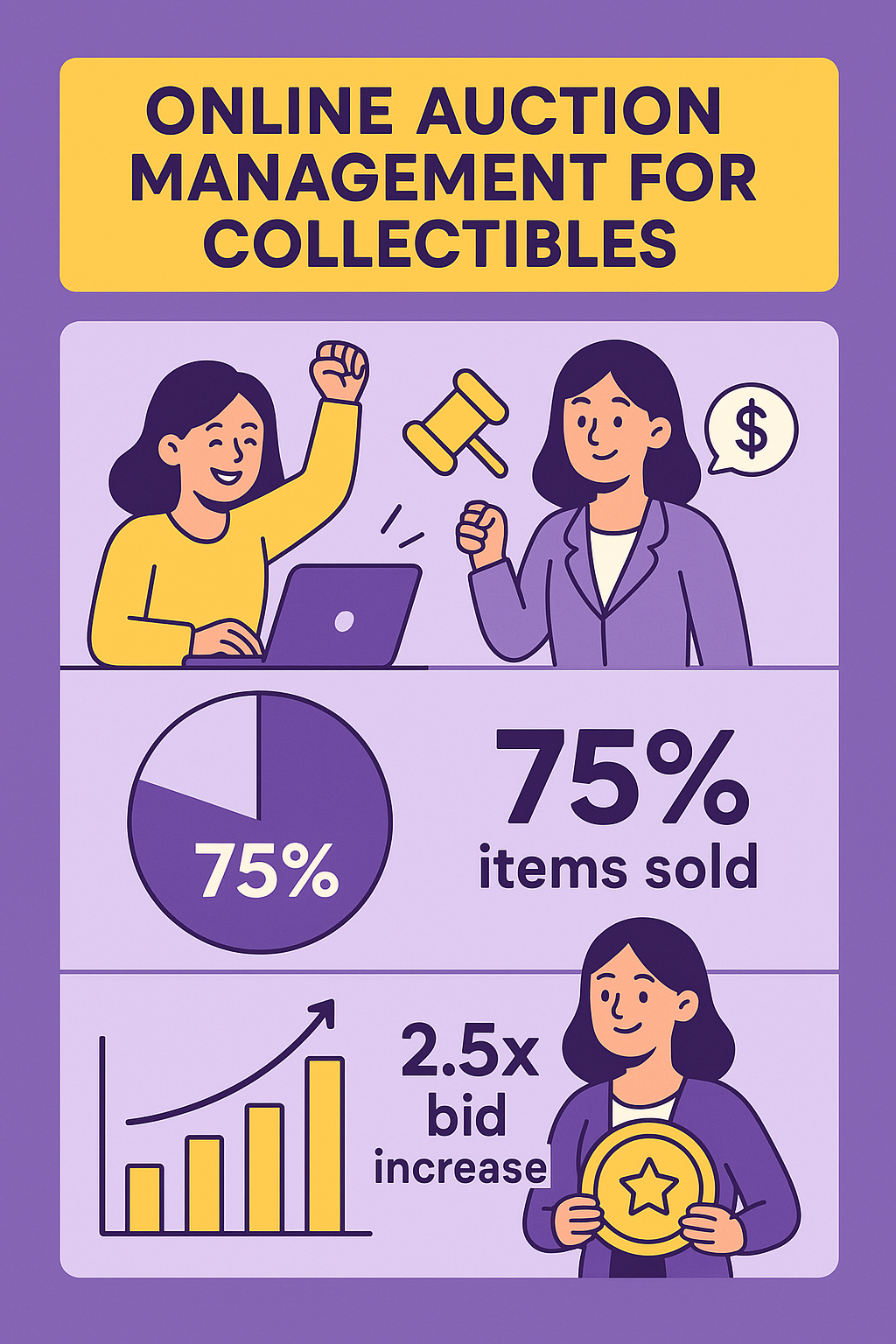
This guide explores the must-have strategies for online auction management in 2027, actionable statistics, opportunities, and even common mistakes to avoid. Let’s get started! Learn more about teaching Conflict Management Courses online.
Why Online Collectibles Auctions Matter
Collectibles - from rare antiques to sports memorabilia - continue to dominate auction markets globally. Rising smartphone adoption and growing e-commerce trust have fueled marketplaces, particularly in regions such as North America and APAC. Consider these key insights: Here is how to optimize Online traditional craft Preservation.
- The collectibles market value is expected to reach $248.9 billion by 2034, growing from $142.5 billion in 2024.
- In the U.S., online antiques and collectibles sales hit $2.6 billion by 2024, driven by categories like sports memorabilia.
- Leading platforms like Heritage Auctions generated revenues of $761.7 million in 2024 alone.
This surge presents a lucrative opportunity for entrepreneurs entering the space.
Essential Factors for Starting an Online Collectible Auction Business
Success in the online auction space is about differentiation and effective execution. Here’s what to consider:
1. Identify a Problem Your Platform Solves
- Are existing auction platforms too expensive or poorly designed?
- Is there a niche (e.g., vintage toys or modern art) underserved in current marketplaces?
Being hyper-focused on solving tangible problems can set you apart from giants like eBay.
2. Select a Product Focus
- Antiques: Known for high-value transactions but require authentication expertise.
- Memorabilia: Popular among sports fans, stable even during economic downturns due to emotional attachment.
- Limited-edition goods: Cater to niche audiences with collector interests.
3. Understand Your Target Audience
Know the preferences, behaviors, and spending habits of your global buyers. For example:
- 60% of high-value bids come from mobile users during peak evening hours.
- North American buyers dominate currently, but APAC audiences present the fastest-growing segment.
4. Craft a Clear Value Proposition
What will make your auction marketplace unique? For instance:
- AI-based fraud detection for secure bidding.
- Real-time, personalized notifications for bidders.
- Specialized categories with expert authentication services.
5. Choose a Business and Pricing Model
Two common ways to earn and manage pricing include:
- Seller Fees: Charge commission on final auctioned amounts. eBay’s model includes 10%-12% listing fees.
- Subscription Model: Offer premium seller accounts for frequent auctioneers, such as $25-$50 per month.
6. Start with an MVP (Minimum Viable Product)
Here’s what your MVP should include:
- A responsive website or app with bid placement and payment integration.
- Category filters like "Rare Coins" or "Limited-Edition Sneakers."
- Secure user profiles with two-factor authentication.
Developing in iterations ensures customer feedback guides platform refinements.
Actionable Steps to Get First Customers
Marketing is the hardest part of running an online auction business, not building the product - and this is where validation starts. Here are the steps to build early traction:
1. Leverage Social Media
Social communities for collectors are highly active. Build engagement through:
- Facebook groups like collectible clubs.
- Instagram to showcase trending auctions through photos and reels.
- Throw in Twitter live threads during high-profile auctions.
2. Launch Paid Ad Campaigns
Use targeted ad filters to reach niche demographics. Google PPC ads can help acquire initial sellers, while platforms like TikTok work well for attracting younger collectors.
3. Utilize AI SEO Blog Tools
Creating content that ranks is vital for attracting organic search traffic. Tools like the AI SEO Blog by F/MS provide high-quality blog posts that establish long-term authority while linking audiences directly to your site.
Emerging Trends in Online Auction Management
1. AI-Powered Bidding Tools
Machine learning is reshaping auctions by predicting item demand and optimizing pricing strategies. Focus areas include:
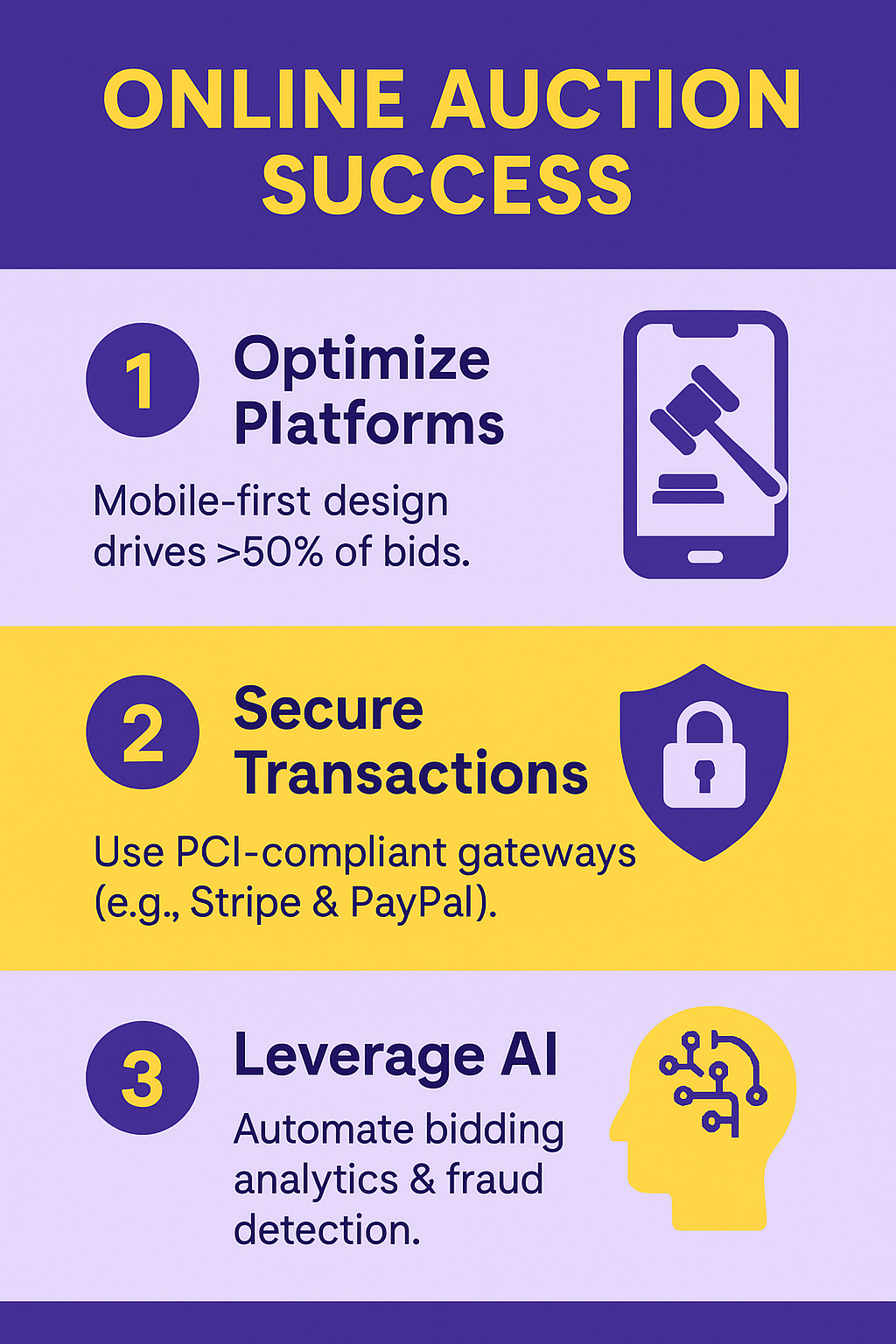
- Fraud detection (e.g., shill bidding prevention).
- Real-time price suggestions during auctions.
2. Mobile-First Transactions
With over 50% of transactions happening on mobile, ensure your platform prioritizes instant bidding notifications, secure payments, and streamlined designs.
3. Live-Streaming Auctions
Adding a live-stream function that enables users to bid in real-time enhances engagement. It blends elements of physical auction excitement with the online experience.
4. Blockchain for Provenance
This technology provides proof of authenticity and ownership histories, especially for collectibles like rare art or luxury goods.
COMMON Mistakes to Avoid
- Ignoring Traffic Scalability: Platforms can fail during bidding peaks if they lack the infrastructure. Opt for cloud architecture like AWS or Azure.
- Overcomplicating User Interfaces: Focus on clean, intuitive designs that appeal to both sellers and buyers.
- Skipping Payment Security: Fraudulent claims are costly. Use PCI-compliant gateways like PayPal or Stripe.
- Underestimating Marketing: Building the site is never enough; always prioritize pre-launch marketing, such as guest blogs via F/MS Marketing Services.
BONUS TIP: Automate Your SEO with F/MS Tools
Entrepreneurs can set up and run search engine optimization without manual hassles with the AI SEO Tool by F/MS. This tool doesn’t just help you rank on Google or Bing; it positions your business in AI-driven tools like ChatGPT and Perplexity as well.
Conclusion: Why NOW Is the Best Time to Capitalize on Online Auctions
Collectible auctions are more than just a successful market - they’re a future-proof opportunity for recurring growth. With strategic planning and the application of technology trends like AI, you can build an auction business that serves collectors globally while securing a competitive edge in the fast-growing marketplace of 2027.
Whether you're a first-time entrepreneur or a scaling operator, the time to take action is now!
FAQ on Optimizing Online Auction Management for Collectibles
1. What is the current market size for online auctions?
The online auction market is growing rapidly, with a predicted valuation of $11.3 billion by 2032, driven by a 14% CAGR from 2027–2029.
2. Why are collectibles an important category in online auctions?
The collectibles segment dominates the market, with the global collectibles value expected to grow from $142.5 billion in 2024 to $248.9 billion by 2034, making it a lucrative niche.
3. How can I establish a competitive edge when launching an auction platform?
Focus on solving specific consumer pain points like platform costs or usability, and leverage technologies like AI for fraud detection and blockchain for authenticity verification.
4. What do I need to set up a Minimum Viable Product (MVP) for an auction platform?
An MVP should include responsive design, bid placement functionality, payment systems, category filters, and secure user profiles. Developing iteratively allows adjustments based on feedback.
5. Which regions have the highest growth potential for online auctions?
North America remains the largest market, but APAC is seeing the fastest growth due to increased adoption of smartphones and e-commerce platforms.
6. How do mobile devices impact online auction performance?
Mobile-first transactions now account for over 50% of bids, and platforms must prioritize streamlined designs, instant notifications, and secure payment systems to engage users effectively.
7. Can I use AI to write SEO-optimized articles that help my brand grow?
Most business owners don't understand how SEO works, let alone how to use AI for writing blog articles. That's why for busy business owners there's a great free tool that doesn't require much knowledge. Write articles for free
8. What are the top revenue models for an online auction business?
Platforms typically earn through seller fees, which charge a commission per item sold, or subscription-based accounts for frequent users.
9. Which technologies are essential for building an auction platform?
Key technologies include backend frameworks like Node.js or Python, databases such as MongoDB for unstructured data, and tools like WebSockets for real-time updates.
10. What common mistakes should be avoided in online auction management?
Common mistakes include inadequate scalability planning, complex interfaces, insufficient payment security, and neglecting pre-launch marketing efforts.
About the Author
Violetta Bonenkamp, also known as MeanCEO, is an experienced startup founder with an impressive educational background including an MBA and four other higher education degrees. She has over 20 years of work experience across multiple countries, including 5 years as a solopreneur and serial entrepreneur.

