
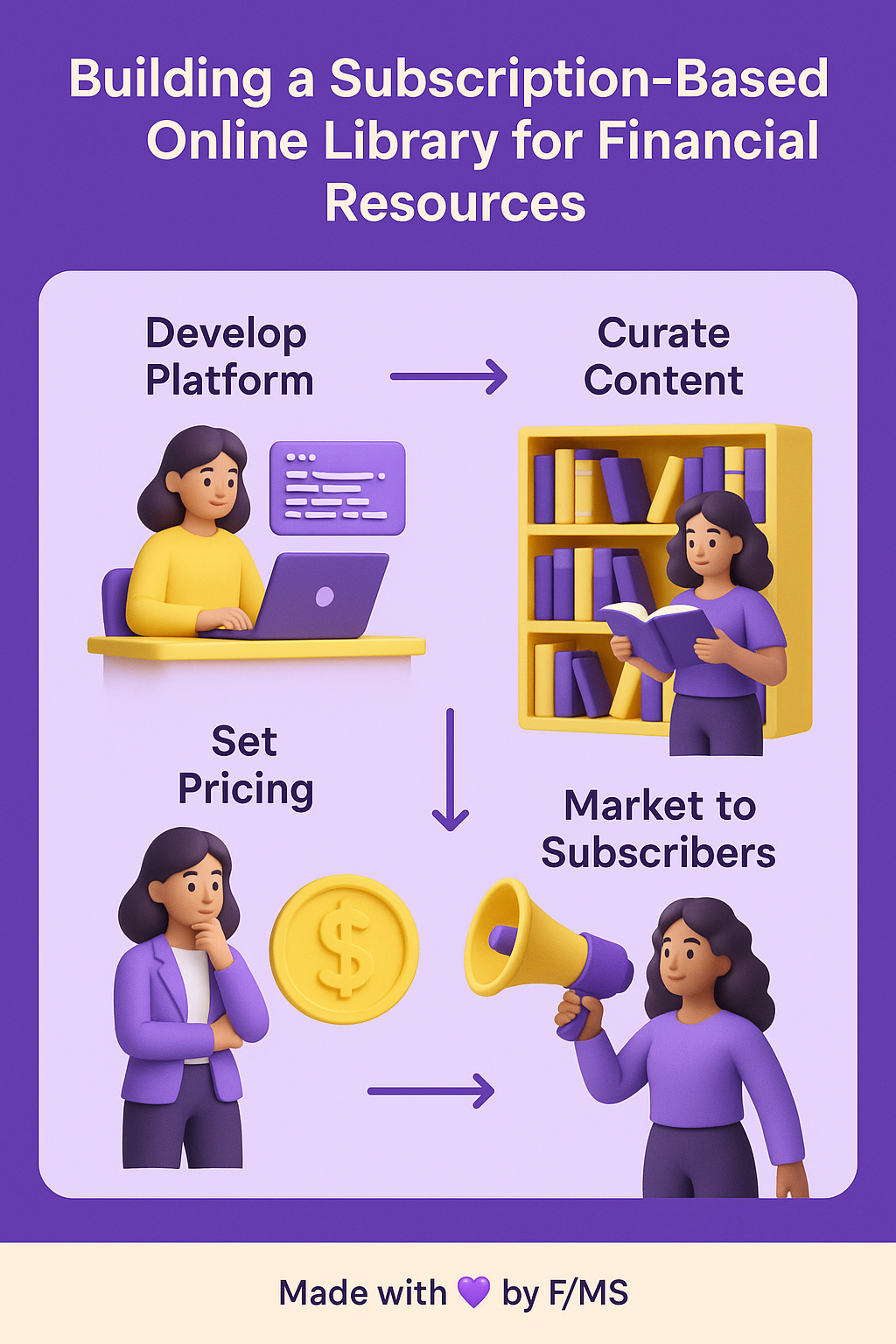
In 2027, financial resources are more critical than ever as businesses, investors, and individuals strive to make informed decisions in fluctuating global markets. Building a subscription-based online library for financial resources is not just a business opportunity - it’s a chance to empower users with data, reports, and insights that drive smarter financial strategies. In this article, we explore the top 7 proven steps to launch a subscription-based financial library, discuss essential metrics and tips, and offer helpful tools to ensure success.
Why Is A Subscription-Based Financial Library Essential in 2027?
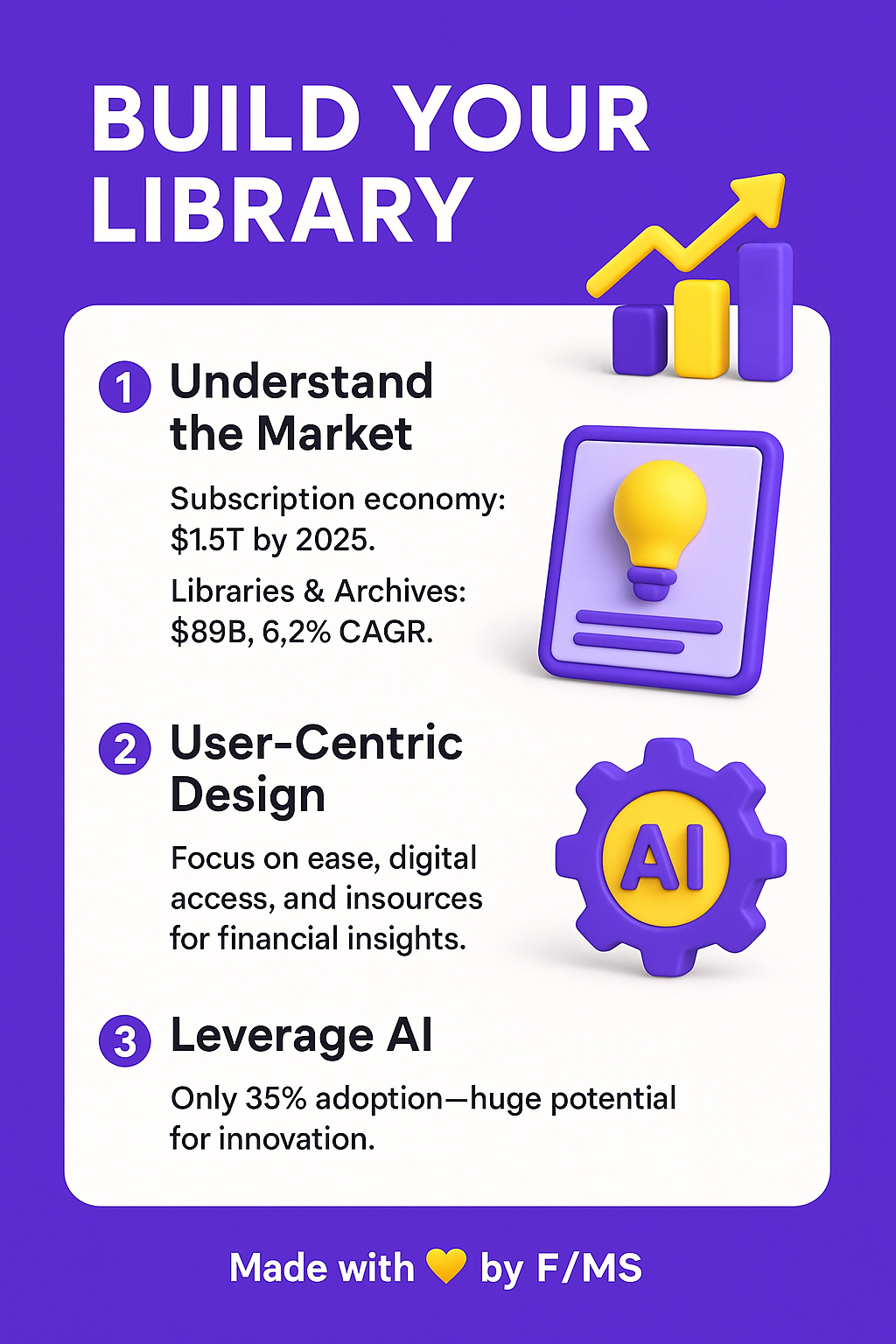
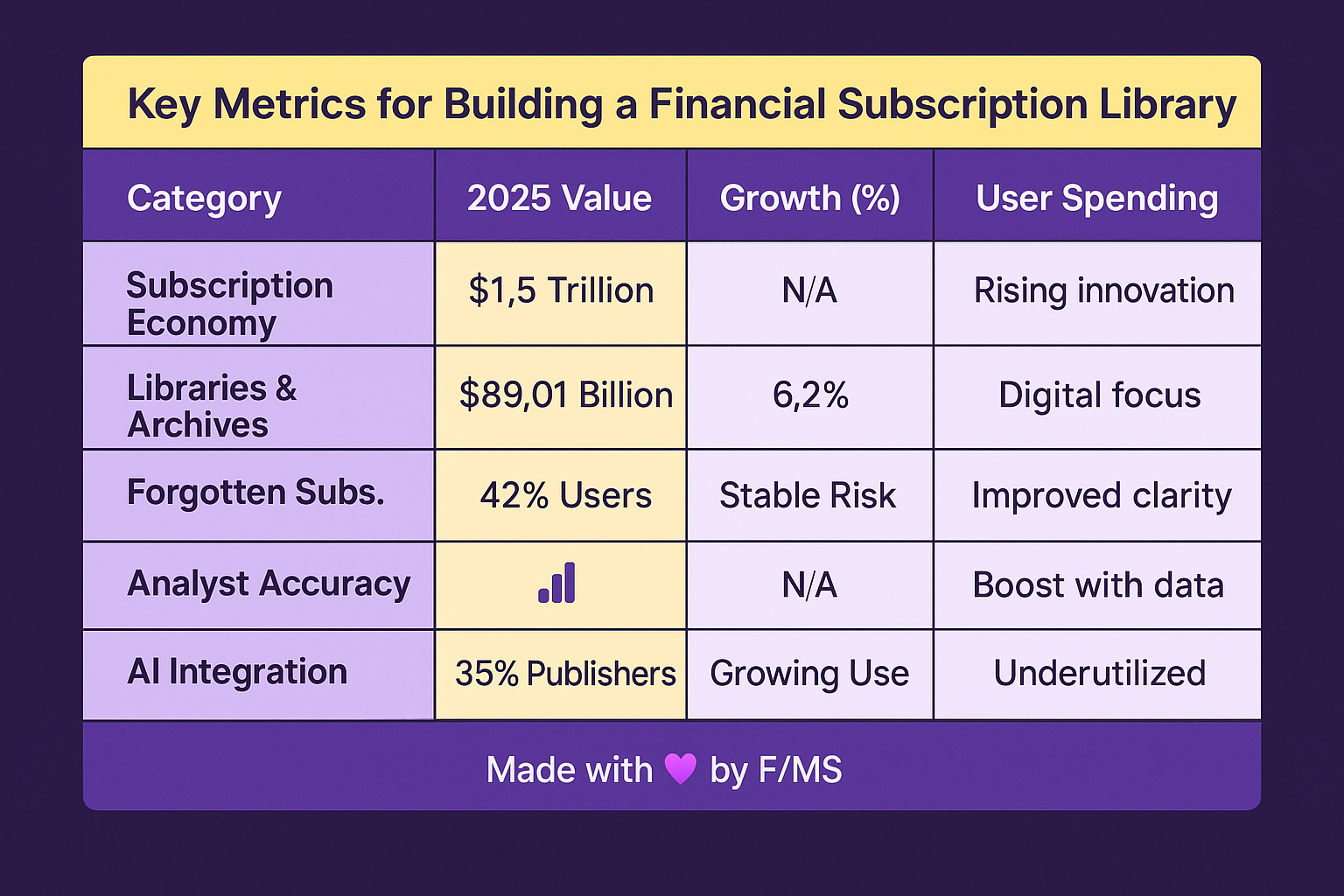
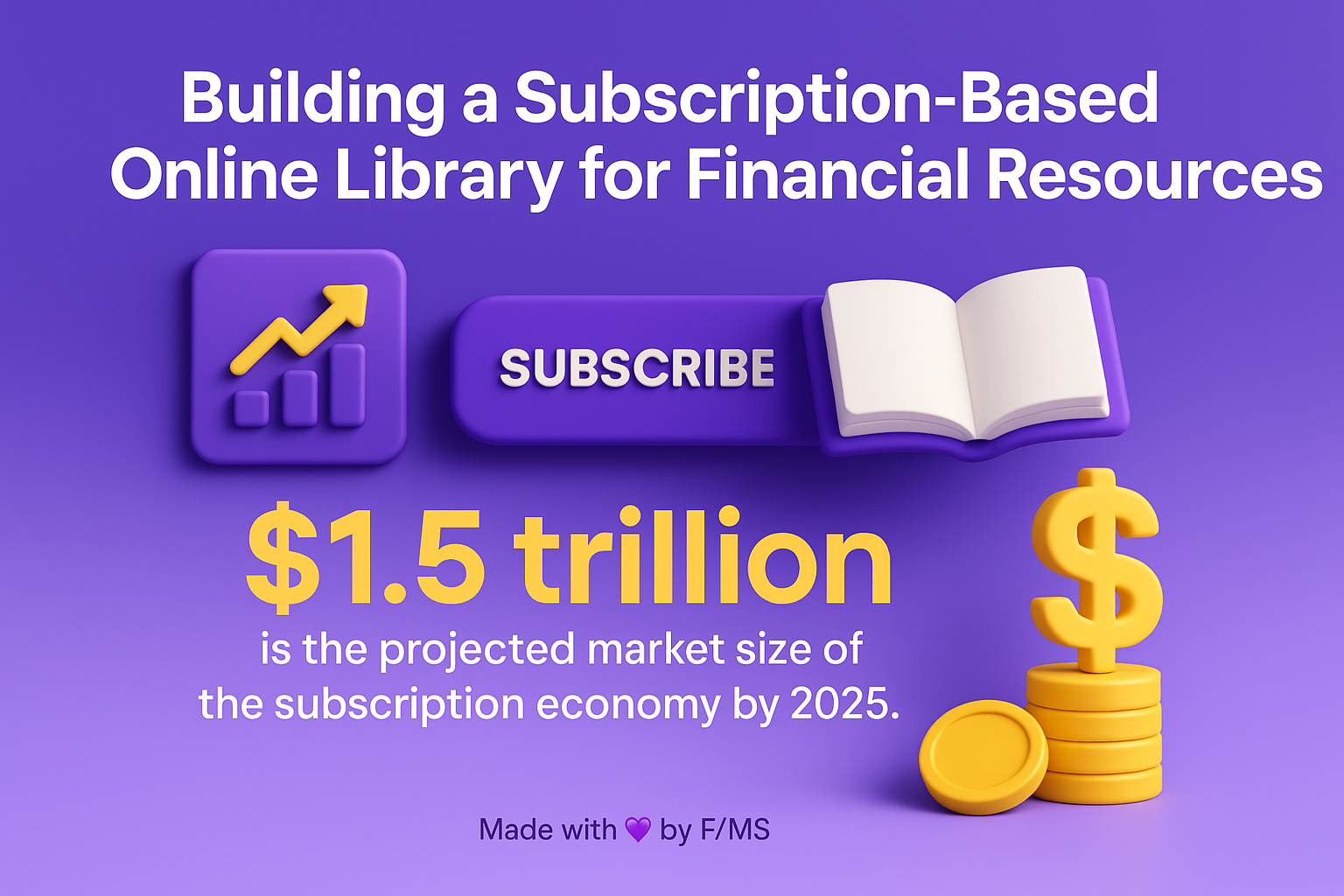
The subscription economy continues to flourish, with forecasts estimating it to reach $1.5 trillion by the end of this year. Libraries and archives markets themselves are growing, projected to hit around $89 billion, fueled by digital transformation and increasing demand for access to reliable and curated resources. Financial data, in particular, is a niche within this market that is ripe for opportunities, as it offers insights into stock markets, inflation rates, and more. Here is how to launch an Online Thrift Store.
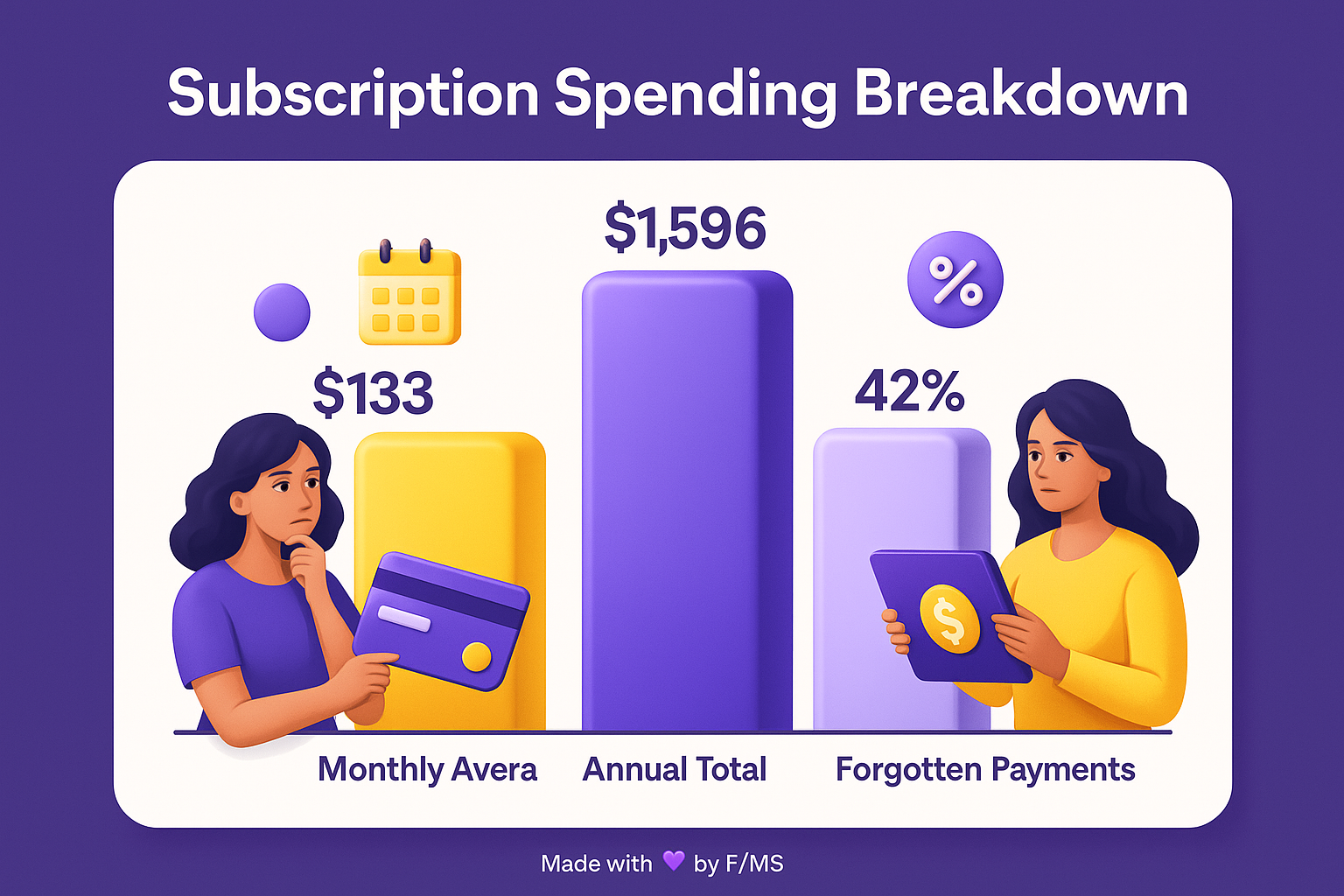
Consumer habits also favor this model, with recurring spending on subscriptions averaging $133 per month. This trend signals the growing trust in subscription models for offering updated, reliable, and accessible services.
Top 7 Steps To Build Your Library
1. Identify The Target Problem and Audience
Start by asking: Who will benefit most from this library? Whether it’s entrepreneurs seeking market analysis, investors tracking stock trends, or students exploring financial theory, clearly identifying your audience helps shape the content and user experience. Here is how to launch an online newsletter on Women’s Issues.
2. Craft A Unique Value Proposition
Make your library stand out. Focus on offering exclusive and curated content that users can’t find elsewhere. For instance, access to niche financial data platforms like Calcbench, in-depth analytics reports, or interactive AI-driven forecasting tools can be a game changer.
3. Choose A Business and Revenue Model
Decide between tiered pricing, freemium access, or flat subscription rates. Keep in mind that while 42% of consumers report paying for forgotten subscriptions, clear communication and subscription transparency can help retain loyal users.
4. Design a Minimum Viable Product (MVP)
Your MVP should include basic access to financial data, subscription tiers, and a user-friendly interface. Partnering with existing platforms (like Calcbench or F/MS tools available for SEO optimization) can save development costs in the early stages of your startup.
5. Marketing First, Product Second
The hardest part of a subscription business isn’t building the product but getting customers. Leverage tools like:
Investing in marketing early helps validate your idea and ensures sustainable growth.
- AI SEO Blog to create high-ranking blog posts and attract your ideal audience with financial tips and industry insights.
- F/MS Marketing Directories for submitting your library to niche directories and boosting online visibility with free backlinks.
Investing in marketing early helps validate your idea and ensures sustainable growth.
6. Engage and Retain Users
Retention is as critical as acquisition. With 53% of publishers reporting an increase in digital subscriptions, users must feel continuously engaged. Consider user incentives like exclusive webinars, downloadable reports, and customized dashboards. AI-driven tools can also help identify patterns in user behavior to personalize the experience further.
7. Analyze and Innovate Continuously
Use data analytics to track engagement, churn rates, and revenue growth. There’s fertile ground for integrating AI tools, such as predictive analytics or machine learning models, to enhance your library's offerings. Check out AI tools like F/MS AI Article Writer, which can ensure your blog content stays optimized not only for traditional search engines but also for tools like ChatGPT and Perplexity.
Deep Insights: Mistakes to Avoid
1. Ignoring the MVP
A common mistake is over-investing in features before gauging user response. Start small - launch a lean platform, validate it with feedback, and expand incrementally.
2. Lack of Scalability
A subscription library should be designed to scale. Ensure you can cater to growing demands without compromising on speed or content accuracy.
3. Skipping Marketing Validation
Skipping marketing validation before launching can lead to wasted time and money. Use tools like F/MS Website SEO Analysis to gauge the performance of your site and ensure your offering is visible to the right audience.
How To Get Your First Customers
- Leverage Organic Marketing: Write educational blog posts with tools like AI SEO Blog. Discuss trending financial topics and add calls to action for subscription sign-ups.
- Offer Trials or Discounts: Short-term promotional offers can incentivize users to explore your platform.
- Utilize Directories: Submit your library to niche directories using resources like F/MS Marketing Directories to increase visibility.
- Partner Strategically: Collaborate with financial influencers or existing platforms that complement your library's niche to tap into their user base.
Tools to Supercharge Your SEO and Marketing
Every entrepreneur should consider automation tools to save time and maximize results. Tools like F/MS AI Article Writer are ideal for creating SEO-friendly blogs and social media content with less effort, helping you rank on Google, Bing, and AI search engines like ChatGPT.
For female entrepreneurs, from budgeting optimizers to content growth platforms, F/MS tools simplify starting and running a subscription-based business. Whether it’s through backlink directories or automated SEO writing, every step aids in building a sustainable online presence.
Conclusion: Start Small, Dream Big
Launching a subscription-based online library for financial resources in 2027 is a realistic and profitable opportunity for female entrepreneurs. Focus on solving a real problem, validate your idea with targeted marketing, and expand gradually. With tools like AI SEO Blog and F/MS Marketing Services, you'll be set for success.
Ready to make 2027 your breakthrough year? Start building your library and empower users worldwide with financial clarity today!
FAQ on Building a Subscription-Based Online Library for Financial Resources
1. Why is a subscription-based model suitable for financial resources?
The subscription model works well because users are willing to pay for ongoing access to curated and reliable content. The subscription economy is forecasted to reach $1.5 trillion by 2027, reflecting a growing trend in such recurring revenue systems.
2. What key features should an online financial library include?
Essential features include access to niche financial data, user-friendly dashboards, interactive tools like AI-driven forecasts, and various subscription tiers to suit different user segments. Platforms like Calcbench currently provide a strong example of data availability for financial trends.
3. How can I identify my target audience for a financial resource library?
Start by analyzing market needs. Your audience could include entrepreneurs seeking market insights, investors tracking stock trends, or students studying finance. It is critical to research their pain points and preferences to tailor the experience.
4. What pricing strategies work best for subscription-based businesses?
Common strategies include tiered pricing, freemium models, and flat subscriptions. While 42 percent of users pay for forgotten subscriptions, transparency is vital to encourage user loyalty.
5. How important is marketing for a subscription library?
Marketing is crucial and should often precede product development. Using tools like targeted blogs, backlink directories, and social media can help drive early interest. Boost Visibility with F/MS Marketing Directories
6. What mistakes should I avoid when launching my online library?
Common errors include neglecting the MVP, skipping marketing validation, and failing to design a scalable system. Starting with a lean model helps test audience interest without overcommitment.
7. Can I use AI to write SEO-optimized articles that help my brand grow?
Most business owners don't understand how SEO works, let alone how to use AI for writing blog articles. That's why for busy business owners, there's a great free tool that doesn't require much knowledge. Write articles for free
8. How can user retention be improved for subscription businesses?
Retention is key and can be achieved through regular engagement with email updates, exclusive content, and AI-driven personalized experiences. Providing ongoing value ensures users keep coming back.
9. What tools are essential for managing a subscription-based service?
Reliable tools for SEO optimization, analytics, and content creation are vital. For instance, Discover F/MS AI Tools for Marketing is an excellent option to streamline marketing efforts.
10. How can I leverage partnerships to grow my library’s audience?
Collaborations with financial influencers, data providers, and educational institutions can increase reach and credibility. Establishing partnerships allows you to tap into pre-existing audiences, enhancing your subscriber base.
About the Author
Violetta Bonenkamp, also known as MeanCEO, is an experienced startup founder with an impressive educational background including an MBA and four other higher education degrees. She has over 20 years of work experience across multiple countries, including 5 years as a solopreneur and serial entrepreneur.

