
Starting a business in virtual styling and fashion advice is an excellent choice for aspiring female entrepreneurs in 2026. This market combines creativity, technology, and the growing demand for personalized shopping experiences. Virtual styling services are easy to manage, require minimal technical expertise, and operate well within a home-based setup. This article outlines the top steps to launch these services, mistakes to avoid, and actionable tips for success, ensuring you stay ahead of the curve.
Why Virtual Styling is the Best Business Idea
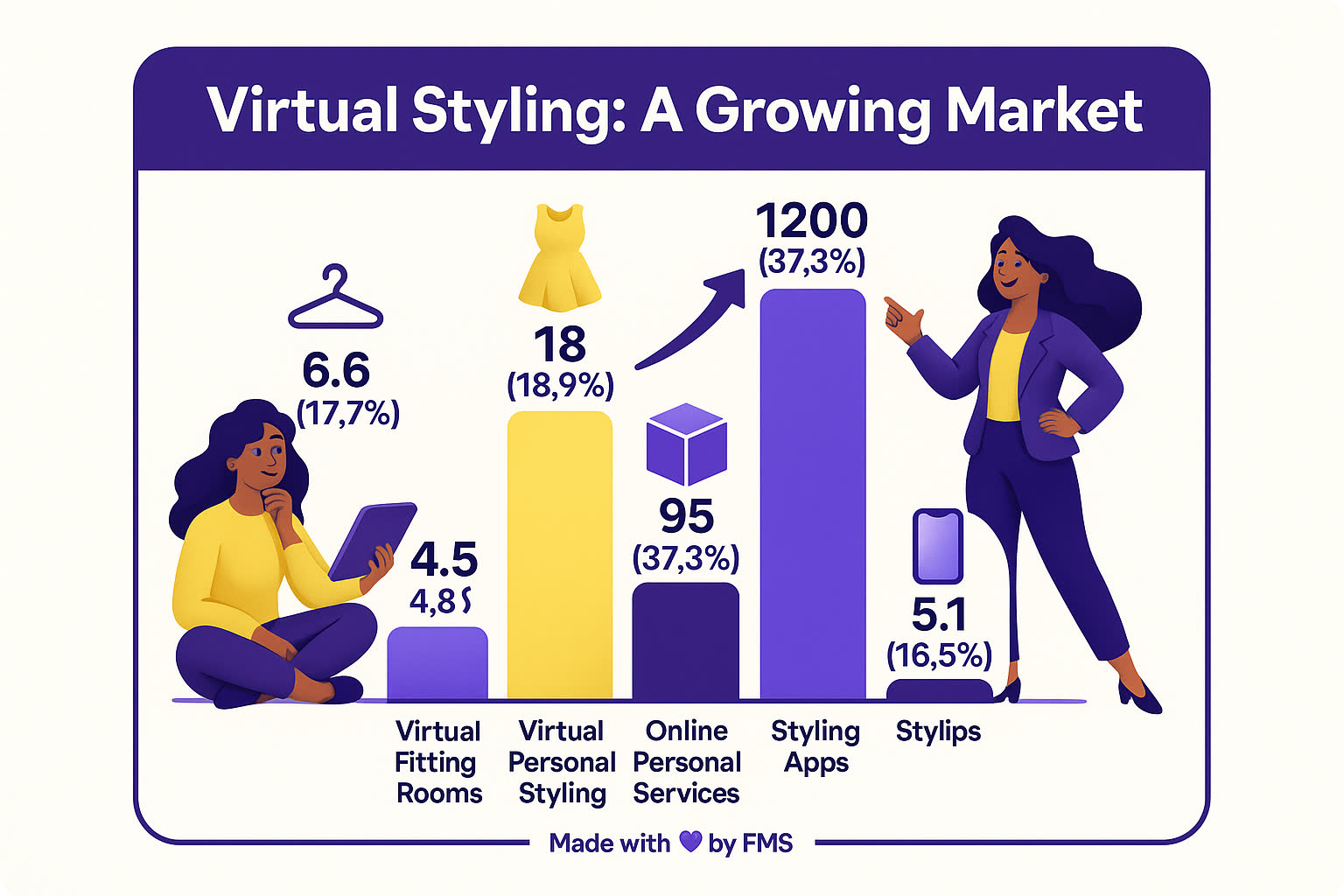
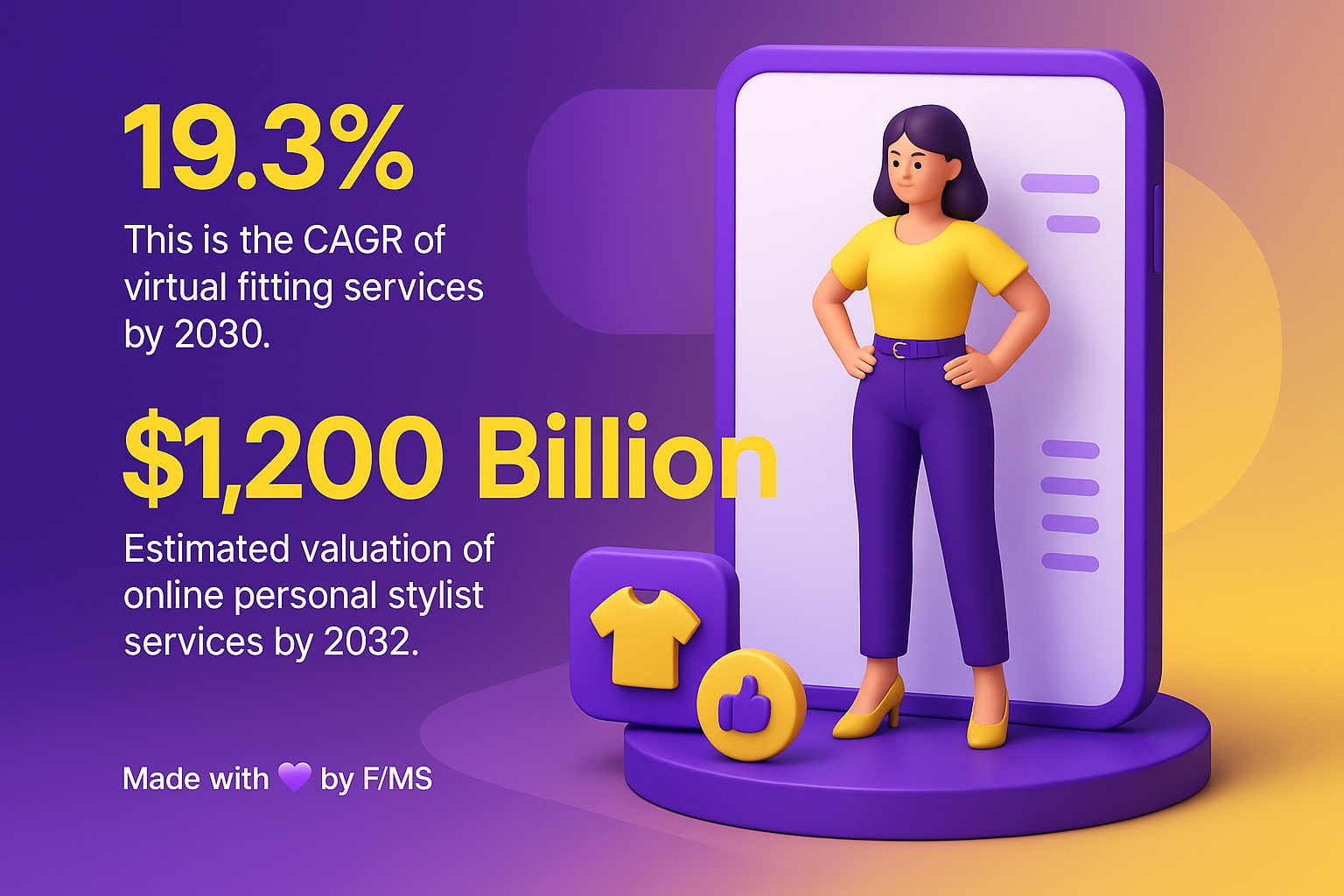
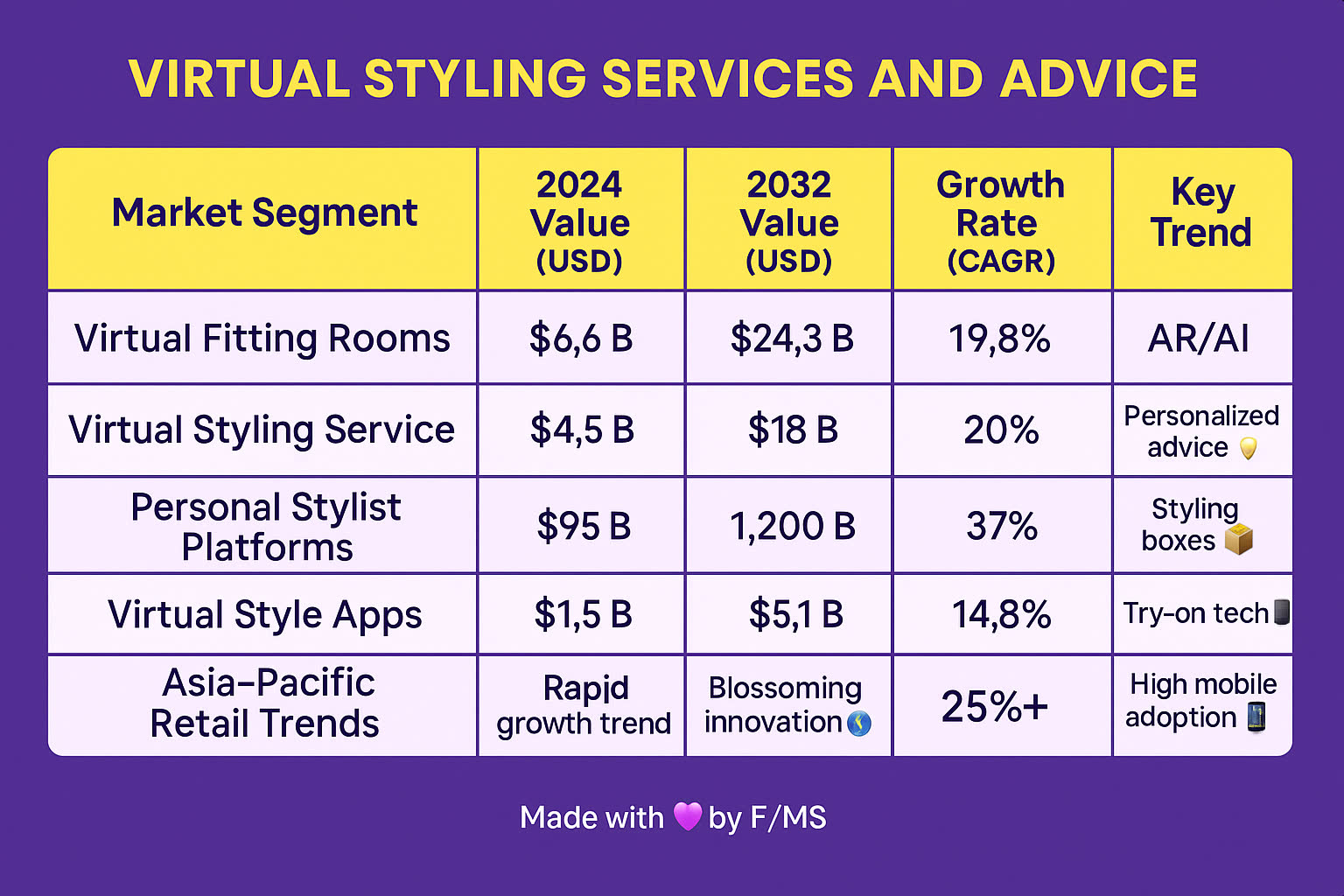
The virtual styling market is booming. By 2032, virtual fitting rooms alone are expected to reach $24.3 billion, growing at a compound annual growth rate (CAGR) of over 19%. Similarly, the demand for online personal stylist services is forecasted to surge to $1,200 billion. This presents immense opportunities for entrepreneurs, especially in regions like Asia-Pacific and Europe, where adoption rates are high.
What makes it ideal for female entrepreneurs?
- Low startup costs: Many tools and platforms make it affordable to begin.
- Minimal tech skills required: AI-driven software simplifies operational tasks.
- Home-based setup: With styling apps and online consultations, all operations can be managed remotely.
6 Steps to Start a Virtual Styling Business
1. Identify Your Target Audience
Your first step is to determine who you’re styling. Are you targeting millennials who prefer convenience over traditional shopping? Are you focusing on eco-conscious Gen Z shoppers who want sustainable fashion? Understanding your audience’s preferences and challenges will shape your services and marketing strategies.
2. Define Your Value Proposition
Answer the question: “Why choose you?” Your business must provide something unique. Examples include:
- AI-driven personalized outfit recommendations.
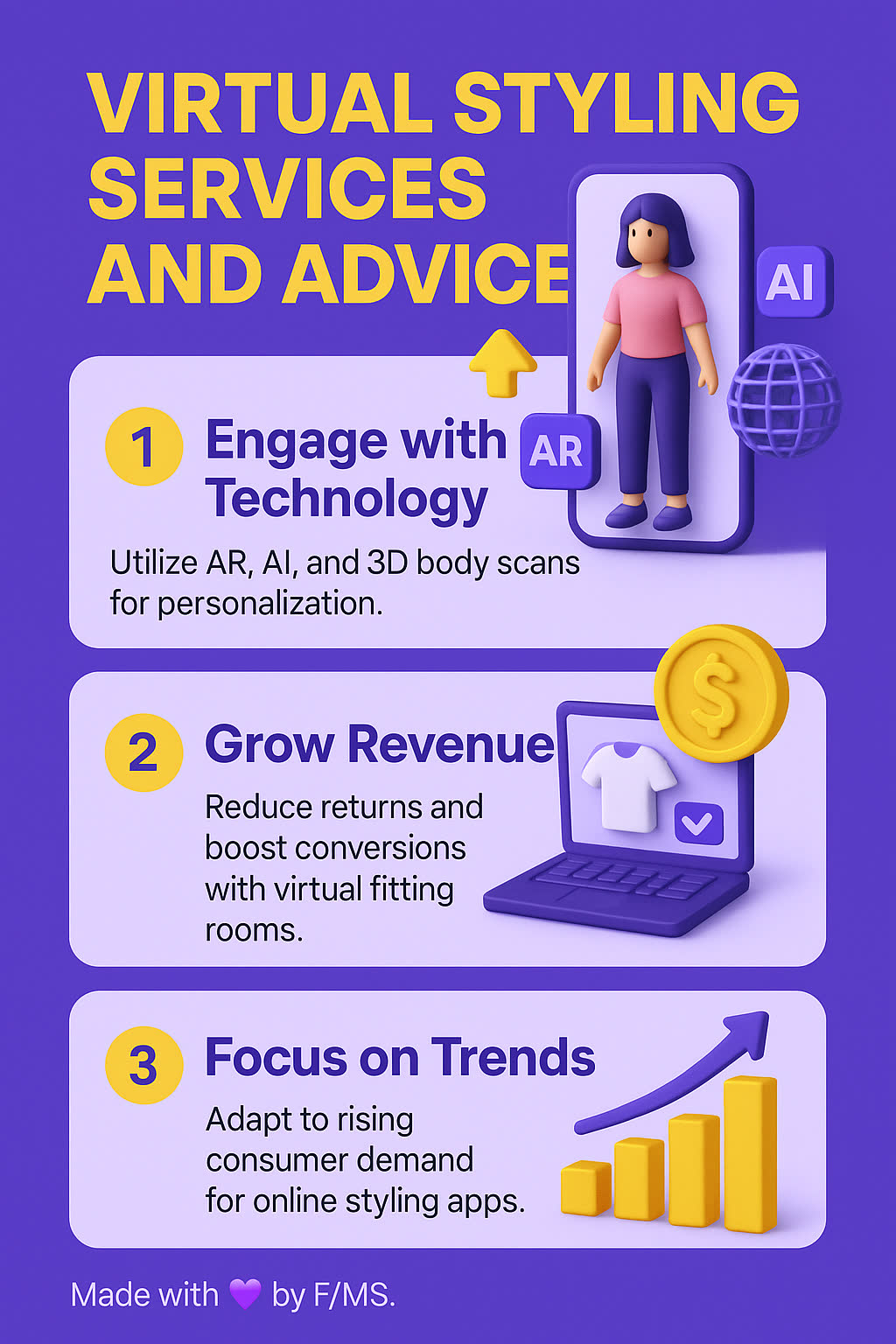
- AR-enabled virtual fitting rooms.
- Specialized collections for body positivity or specific fashion niches like maternity wear or plus sizes.
3. Choose Your Business Model
- Subscription-based for styling advice and curated outfit recommendations.
- Pay-per-consultation for one-on-one styling calls.
- Affiliate-based where you earn commissions from partnered fashion brands.
4. Start with an MVP (Minimum Viable Product)
You don’t need to be perfect at the start. Build an MVP that provides core services, such as personalized style recommendations or virtual try-ons. Use free or cheap styling apps and platforms like Canva to create branded mood boards for clients.
5. Focus on Marketing Early
Marketing is more difficult than creating the product itself, so start promoting your idea early.
- Use AI SEO Blog Tools available here to automatically generate high-ranking blogs that promote your services online and build your brand authority.
- Submit your business to directories like F/MS Marketing Directories available here to build high-quality backlinks and grow your website's SEO snowball.
- Don’t forget social media. Use styled posts to showcase your expertise, share testimonials, and attract leads.
6. Get First Customers via Personalized Offers
Start small by offering free or discounted styling sessions to gather initial feedback. Ask friends and family to help spread the word. You can also create lead magnets such as free “Style Cheat Sheets” or virtual webinars to attract more customers.
Common Mistakes to Avoid
1. Skipping Research
Failing to understand your target audience’s preferences could result in mismatched recommendations. Use tools like F/MS Website SEO Analysis available here to analyze potential customer trends.
2. Over-reliance on Technology
While AI and AR are powerful tools, human insights are indispensable in creating a personalized, connected experience for your customers.
3. Pricing Pitfalls
Offering prices that are either too high or too low can deter customers or diminish perceived value. Test various pricing models to find the perfect balance.
4. Delayed Marketing
Don’t wait until after the product launch to start marketing. Utilize tools like F/MS Marketing Services available here to gain early visibility through listicle articles and backlinks.
Deep Insights for 2026
Why AR and AI Are Critical
Virtual styling businesses are rapidly adopting augmented reality (AR) and artificial intelligence (AI) technologies. AR enhances customer engagement with lifelike virtual try-ons, while AI simplifies style recommendations based on user preferences and data analytics. Retail giants like Walmart have already incorporated personalized try-on features driven by customer data, proving the scalability and profitability of this technology.
Marketing Secrets
Low-effort SEO solutions are your best friend! The F/MS AI SEO Tool ensures your website ranks not only on search engines like Google and Bing but also AI-driven platforms like ChatGPT and Perplexity. This can lead to greater visibility in 2026’s increasingly competitive landscape.
Conclusion
Virtual styling services represent the intersection of creativity, technology, and customer demand. For female entrepreneurs looking to start their first business in 2026, this idea offers a manageable, cost-effective opportunity to cater to a high-growth market.
By identifying the right audience, creating a unique value proposition, starting smart with an MVP, and leveraging powerful marketing tools like F/MS Marketing Directories, you’ll be steps ahead in launching and scaling your business. With deep insights into AI-driven styling advice, a focus on omnichannel customer experiences, and effective tools for SEO and marketing, success is within arm’s reach.
Ready to redefine how people shop for fashion in 2026? Take action today!
FAQ on Starting Virtual Styling Services
1. Why is virtual styling a good business idea for 2026?
Virtual styling combines creativity and technology to fulfill the growing demand for personalized shopping experiences. The market is poised to grow significantly, with virtual fitting rooms expected to reach $24. 3 billion by 2032.
2. What technologies are crucial for virtual styling services?
Augmented reality (AR) and artificial intelligence (AI) are critical for enabling realistic virtual try-ons and personalizing style recommendations. Retail leaders like Walmart and others are already leveraging these tools.
3. How can I define my unique value proposition in virtual styling?
To stand out, focus on offering services like AR-enabled fitting rooms, AI-powered outfit recommendations, or serving niche markets like body positivity or maternity wear.
4. Is it expensive to start virtual styling services from home?
Virtual styling businesses benefit from low startup costs thanks to affordable software and platforms. Tools like Canva are useful for creating professional customer-facing materials without significant investment.
5. What’s the best way to market virtual styling services?
AI SEO tools are excellent for promoting your services online. Submitting your business to directories like F/MS Marketing Directories can build backlinks that improve your website's rankings. Explore F/MS SEO Solutions.
6. How can I attract my first group of customers?
Start by offering free or discounted styling sessions to friends, family, or early adopters. Lead magnets like “Style Cheat Sheets” can also help attract more clients.
7. Can I use AI to write SEO-optimized articles that help my brand grow?
Most business owners don't understand how SEO works, let alone how to use AI for writing blog articles. That's why for busy business owners there's a great free tool that doesn't require much knowledge. Write articles for free.
8. What are some common mistakes to avoid in virtual styling?
Avoid skipping audience research, relying too much on technology without adding human input, and delaying marketing efforts until after launch.
9. Which regions have the largest growth potential for virtual styling?
Asia-Pacific and Europe are leading regions for virtual styling services due to higher adoption rates and supportive market environments.
10. Where can I find competitive analysis tools to refine strategies?
Competitive analysis helps you understand industry leaders and their strategies. Tools like HubSpot's Competitive Analysis Kit can guide your business decisions.
About the Author
Violetta Bonenkamp, also known as MeanCEO, is an experienced startup founder with an impressive educational background including an MBA and four other higher education degrees. She has over 20 years of work experience across multiple countries, including 5 years as a solopreneur and serial entrepreneur.

