

Voice technology has shifted rapidly from a research curiosity to an influential element within digital creativity and user engagement. What began as simple speech synthesis has grown into platforms that intersect with gaming, storytelling, accessibility, and interactive experiences. These developments have practical implications for how products are designed, adopted, and scaled. Within this evolving landscape, innovations such as ElevenLabs often emerge as part of broader experimentation by creators and developers seeking to understand where voice fits into real-world use cases rather than symbolic demonstrations.
Understanding how and why certain voice tools gain traction reveals fundamental insights about product-market fit in emergent technology categories. It highlights the interplay between creative capability, user expectations, and contextual value, a balance that determines whether a voice feature remains a novelty or becomes integral to how people interact with digital content.
Voice technology and early adoption

Voice interfaces have reentered public consciousness multiple times, from early speech recognition systems to modern virtual assistants. The difference today lies not just in improved accuracy, but in broader applicability. Speech can act as both a medium of expression and a mode of interaction, enabling users to navigate, express, and engage in ways that text and visuals alone cannot.
Platforms that succeed early in adoption tend to meet latent needs rather than simply demonstrate technical prowess. They connect with users in contexts where voice offers clear advantage, whether in hands-free interaction, accessibility, or narrative immersion. This connection is not automatic; it emerges through careful observation of how people already communicate and what they struggle to do in existing workflows.
Research cited by the Harvard Business Review highlights that successful new technologies often succeed not because they are objectively superior, but because they align with entrenched user behaviors and expectations, reducing friction rather than replacing familiar patterns.
In voice technology, this translates into features that feel intuitive because they echo real conversational dynamics and user priorities, rather than theoretical or experimental design.
Where creators and users intersect
Emerging voice tools are shaped by both creator communities and end users. Developers experiment with voice when it helps solve an actual problem, for example, providing dynamic narration in games, enabling accessible content for listeners with visual impairments, or generating character dialogue for animated sequences. These use cases reflect environments where voice adds unique value.
Successful product iterations often occur when creators receive rapid feedback from these early use contexts. Tools that allow easy prototyping, iteration, and refinement encourage experimentation, which in turn reveals which patterns resonate and which fall flat.
In this sense, product-market fit is not static; it is discovered through iterative cycles of use, reaction, and redesign. Technologies that leave room for such cycles tend to adapt more effectively.
Contextual value over novelty
Voice functionality can be impressive on a technical level, but novelty alone does not guarantee sustainable use. Features that are “cool” in isolation become used more widely when they address real tasks or improve existing experiences. Narration that clarifies complex information, voice interactions that reduce cognitive load, or expressive tools that enable richer character development all represent contextual value rather than surface showcase.
This distinction matters because users quickly abandon features that do not justify their attention or cognitive investment. Tools that integrate voice functionality into patterns people already practice, for instance, listening to podcasts during commutes or engaging with conversational tutorials, find a foothold not through novelty, but through usefulness.
The trust dimension
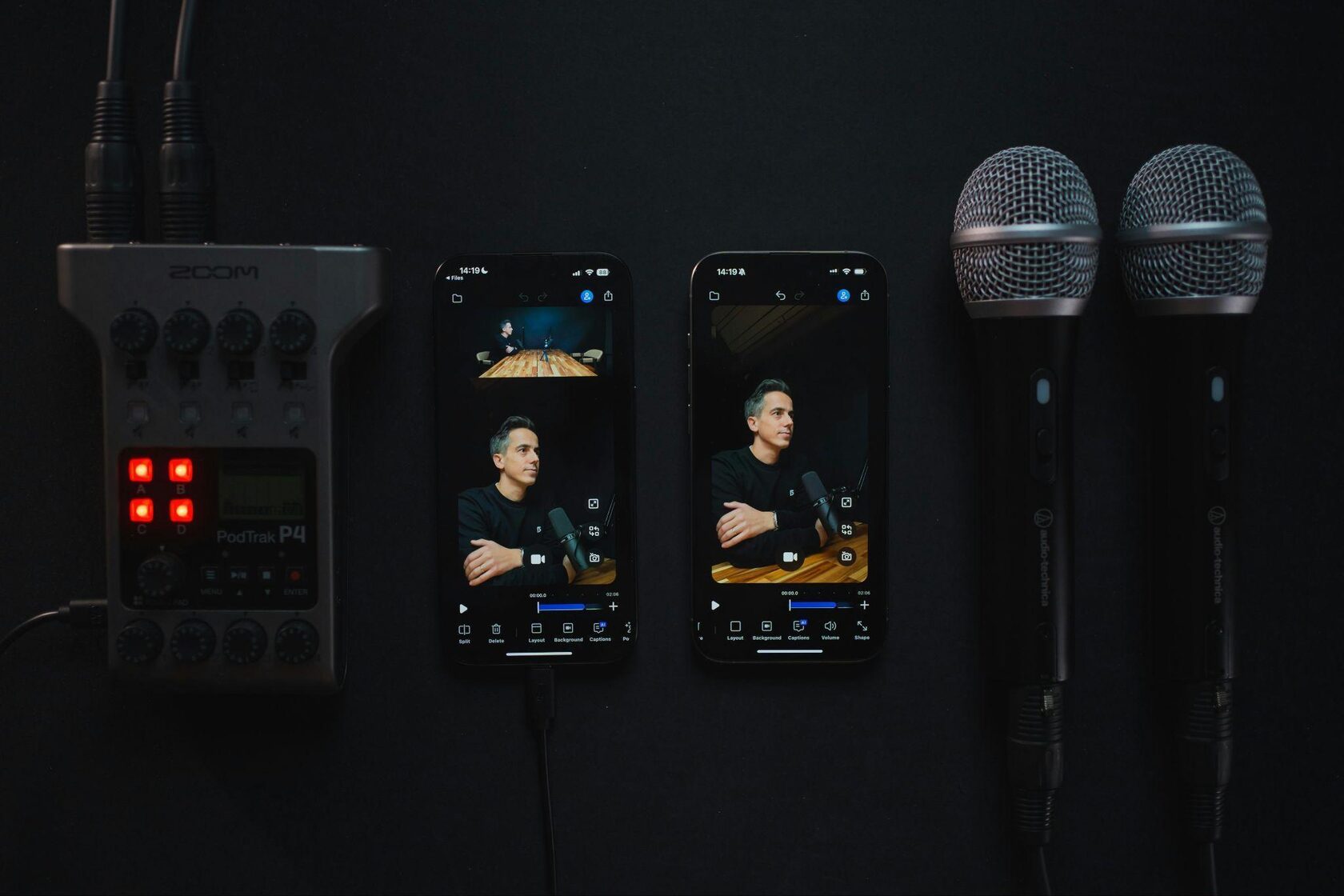
Voice carries a psychological weight that other interfaces do not. People interpret voice as a signal of presence, intent, and identity. As artificial voice becomes more prevalent, audiences develop expectations about how it should sound, how transparent creators should be about its use, and how it should integrate with context.
Platforms that navigate this terrain successfully are those that recognize trust as a core factor in adoption, not a peripheral concern. When users feel that voice features respect authenticity and context, they are more likely to engage deeply rather than approach with skepticism.
Iteration, feedback, and product evolution
Lessons from emerging voice platforms reveal that product-market fit is rarely a one-time event. Technologies evolve through cycles of refinement that respond to how real users interact over time. Early experiments produce insights that inform successive improvements, and responsiveness to user feedback becomes a strategic advantage rather than a production overhead.
In the case of voice tools, this cycle often involves balancing expressive sophistication with usability, enabling depth without overwhelming the user. Platforms that strike this balance tend to sustain longer engagement and deeper integration into user workflows.
Ecosystem and composability
Another factor shaping product-market fit is ecosystem compatibility. Voice solutions that integrate smoothly with existing tools, workflows, and platforms reduce barriers to entry. They enable creators to embed voice functionality without overhauling systems or retraining users, smoothing the transition from experimentation to adoption.
Composability, the ability to fit into diverse digital environments, reinforces the idea that adoption is a social, collaborative process between tools and users, rather than a top-down mandate.
What this means for future platforms
Voice technology teaches a broader lesson about how new interaction paradigms find their place. Success is not defined by technical capability alone, but by how well those capabilities intersect with lived human practices. Emerging platforms that support iteration, respect context, and align with user expectations are more likely to endure beyond the initial wave of curiosity.
In this light, the evolution of voice tools underscores the importance of alignment between technological possibility and real human needs. This alignment, rather than novelty, remains the core driver of product-market fit in any emerging category.
FAQ on Product-Market Fit in Emerging Voice Technology Platforms
What is product-market fit, and why is it critical in voice technology?
Product-market fit represents the stage where a product satisfies a strong demand in the market, ensuring that it resonates with its target users. In voice technology, achieving this fit involves aligning features with real-world user needs, such as accessibility or multitasking, making the product a crucial tool rather than just a novelty.
How is voice technology evolving in terms of user integration?
Voice technology has shifted from mere speech recognition to multifaceted interactive platforms. This evolution allows users to perform tasks hands-free and access immersive storytelling experiences, demonstrating how usability surpasses technical novelty in driving adoption.
Why must voice platforms prioritize latent user needs?
Understanding latent user needs allows voice platforms to address tangible problems users face, such as accessibility challenges for visually impaired individuals or hands-free operation. Anticipating these needs can bolster adoption rates by ensuring the technology offers clear practical value.
What role does trust play in the adoption of voice technology?
Trust is pivotal for widespread adoption, as users expect transparency regarding voice feature implementation and data usage. Platforms that prioritize context-aware authenticity, aligning with user expectations, are more likely to cultivate enduring engagement.
How does iteration enhance product-market fit in voice platforms?
Product-market fit emerges through ongoing experimentation, user feedback, and refinement cycles. Voice platforms with flexible frameworks that encourage iteration can adapt to user expectations over time, gaining a competitive edge in this dynamic market.
What differentiates novelty from contextual value in voice tools?
While novelty may attract initial attention, contextual value ensures long-term user engagement. Features that solve actual problems, like expressive tools for storytelling or reducing cognitive load during tasks, go beyond surface appeal to deliver meaningful user benefits.
What is composability, and why is it important for voice technology integration?
Composability refers to voice tools' ability to integrate seamlessly into existing workflows or digital ecosystems. This reduces barriers to adoption, enabling users and developers to incorporate voice technology without major disruptions in their current practices.
How can creators cater to market needs using voice technology?
Creators can gain insights by collaborating with end-users to evaluate and iterate on prototypes. This user-driven approach helps identify which solutions resonate with the market, paving the way for tools to meet both practical and creative needs.
What can entrepreneurs learn from the voice platform evolution journey?
One key lesson is the significance of aligning advanced technologies with lived human practices. Voice platforms that prioritize solving specific user pain points and stress consistent feedback tend to achieve sustained product-market fit. Entrepreneurs can discover additional insights by exploring automation strategies for startups and how they streamline business operations.
What is the impact of user behaviors on voice technology features?
Platforms gain relevance when their features comply with, rather than disrupt, routine user behaviors. For instance, speech-driven navigation tools become invaluable as they integrate with established user habits like multitasking or managing accessibility challenges.
About the Author
Violetta Bonenkamp, also known as MeanCEO, is an experienced startup founder with an impressive educational background including an MBA and four other higher education degrees. She has over 20 years of work experience across multiple countries, including 5 years as a solopreneur and serial entrepreneur. Throughout her startup experience she has applied for multiple startup grants at the EU level, in the Netherlands and Malta, and her startups received quite a few of those. She’s been living, studying and working in many countries around the globe and her extensive multicultural experience has influenced her immensely.
About the Publication
Fe/male Switch is an innovative startup platform designed to empower women entrepreneurs through an immersive, game-like experience. Founded in 2020 during the pandemic "without any funding and without any code," this non-profit initiative has evolved into a comprehensive educational tool for aspiring female entrepreneurs.The platform was co-founded by Violetta Shishkina-Bonenkamp, who serves as CEO and one of the lead authors of the Startup News branch. The Fe/male Switch team is located in several countries, including the Netherlands and Malta.

