Top 10 Business Model Canvas Presentation Tips in 2025: Best Practices for Entrepreneurs
Presenting a business model canvas effectively is crucial for entrepreneurs and startups aiming to communicate their business strategy clearly and persuasively. The Business Model Canvas (BMC) serves as a strategic management tool that helps businesses visualize their value propositions, customer segments, revenue streams, and more. In this article, we explore the top 10 business model canvas presentation tips for 2025, offering insights, practical tips, and a step-by-step guide to help you present your business model canvas like a pro.
Try our FREE AI Business Model Canvas generator to automatically create a BMC by answering just two questions. You will get an editable Google Presentation and an extensive guide on what to do next.
Why Presenting a Business Model Canvas is Important
A well-presented Business Model Canvas can:
- Clarify your business strategy: Clearly outline your business’s value proposition, customer segments, and revenue streams.
- Engage stakeholders: Communicate your business model effectively to team members, investors, and partners.
- Facilitate strategic discussions: Use the BMC as a visual tool to inspire and guide strategic planning meetings.
Now let's dive into the top tips to present your Business Model Canvas effectively.
Top 10 Business Model Canvas Presentation Tips in 2025
1. Start with a Clear Definition
Begin by defining the Business Model Canvas. Explain its role as a strategic management tool for describing, designing, challenging, and refining business models. Emphasize its relevance across various sectors and stages of business development.
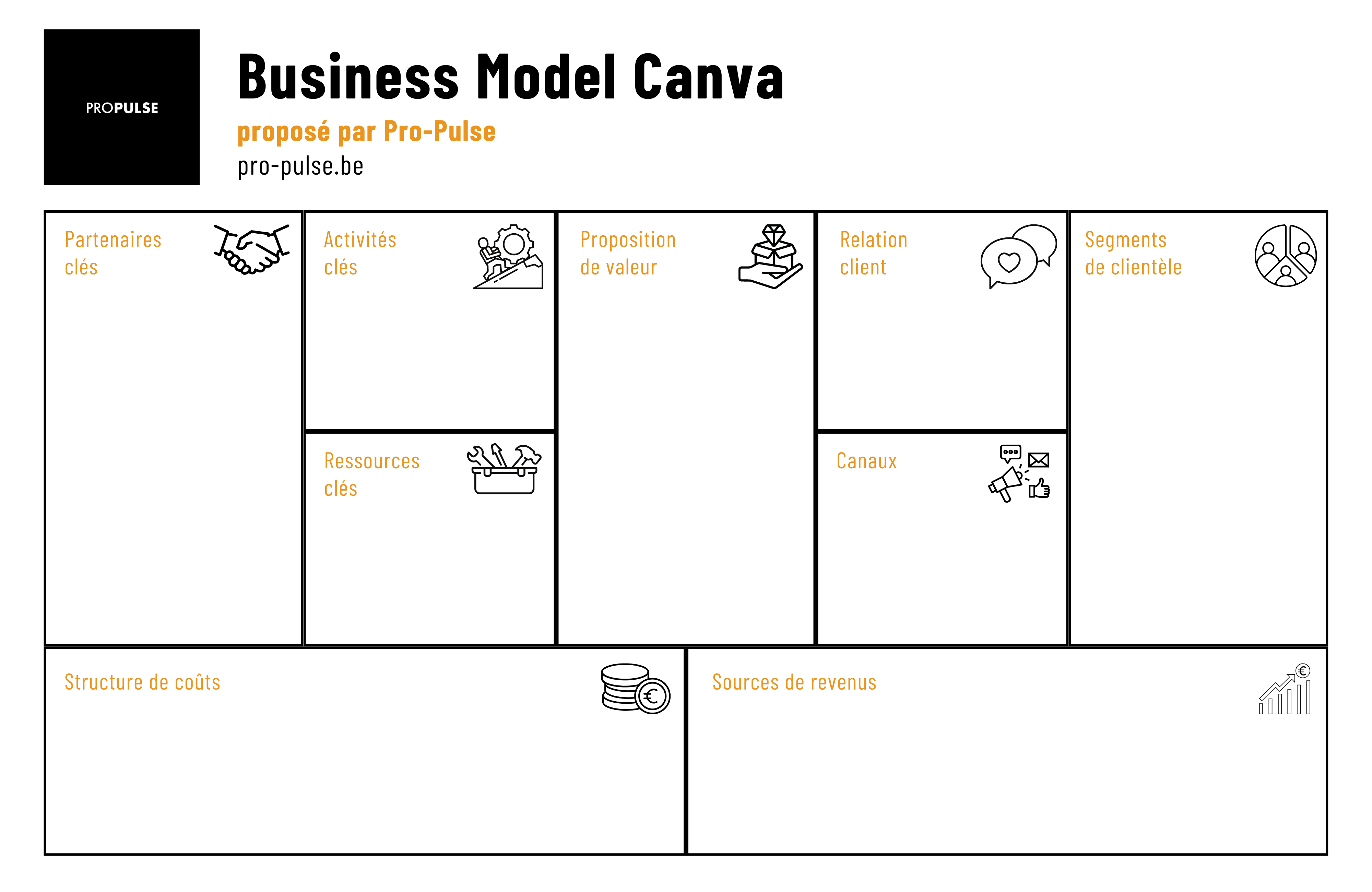
2. Outline the Nine Building Blocks
Describe the nine essential components of the BMC:
- Customer Segments
- Value Propositions
- Channels
- Customer Relationships
- Revenue Streams
- Key Resources
- Key Activities
- Key Partnerships
- Cost Structure
3. Use Real-World Examples
Provide specific examples for each block to illustrate how they can be filled. For instance:
- Customer Segments: Detailed customer personas.
- Value Propositions: Solutions addressing customer pain points.
- Revenue Streams: Various ways your business can earn revenue.
4. Emphasize Alignment
Stress the importance of aligning all elements of the canvas. A coherent business model ensures that your value proposition meets customer needs while maintaining operational efficiency and financial viability.
5. Highlight Iteration and Feedback
Encourage iterative refinement of the BMC based on market feedback and internal performance metrics. Continuous improvement can lead to a more robust business model.
6. Engage Your Audience
Use storytelling to make your presentation more engaging. Narrate the journey of your business, highlighting challenges and solutions reflected in your BMC.
7. Visualize Data Effectively
Utilize charts, graphs, and images to visualize key data points. Ensure your BMC is visually appealing and easy to understand.
8. Include Stakeholder Input
Incorporate feedback from team members and stakeholders. Highlight their contributions to different building blocks and how their input has shaped the BMC.
9. Practice Your Presentation
Rehearse your presentation multiple times. Familiarizing yourself with the content will help you deliver confidently and handle any questions that may arise.
How to Use the Business Model Canvas: A Step-by-Step Guide
- Define Your Business Idea: Clearly articulate what your business does and the problem it solves.
- Identify Customer Segments: Define who your customers are.
- Develop Value Propositions: Outline what unique value you provide to your customers.
- Design Channels: Determine how you'll deliver your value proposition to your customers.
- Build Customer Relationships: Describe how you will attract and retain customers.
- Identify Revenue Streams: Define how your business will earn money.
- List Key Resources: Determine the key assets needed to deliver your value proposition.
- Outline Key Activities: Identify the most important actions your business must take.
- Form Key Partnerships: Outline the network of suppliers and partners that will help your business succeed.
- Understand Cost Structures: Analyze the costs associated with your business model.
Common Mistakes to Avoid
- Overloading with Information: Keep your presentation concise and focused.
- Neglecting Visual Appeal: Ensure your BMC is visually engaging and clear.
- Ignoring Audience Engagement: Interact with your audience and address their concerns during the presentation.
Use F/MS AI Business Model Canvas Tool
Simplify your business planning with the F/MS AI Business Model Canvas Tool. Just answer two questions, and let the AI assistant generate a tailored BMC for you. Save time and receive personalized results right in your inbox!
Conclusion
Presenting a Business Model Canvas effectively can significantly impact your business's success. By following these top tips, you can create engaging, clear, and persuasive presentations that communicate your business strategy to stakeholders effectively. Whether you’re pitching to investors or aligning your team, these practices will help you make the most of your BMC presentation.
FAQ
1. Why is presenting a Business Model Canvas important?
Presenting a Business Model Canvas effectively can clarify your business strategy, engage stakeholders, and facilitate strategic discussions to inspire and guide your planning. Learn more
2. What are the nine building blocks of the Business Model Canvas?
The nine essential components are Customer Segments, Value Propositions, Channels, Customer Relationships, Revenue Streams, Key Resources, Key Activities, Key Partnerships, and Cost Structure. Discover more
3. How can real-world examples enhance a Business Model Canvas presentation?
Providing specific examples for each block can help illustrate their practical application, such as customer personas for Customer Segments or revenue types for Revenue Streams. Get examples
4. Why is alignment critical in a Business Model Canvas?
Aligning all elements ensures that the value proposition meets customer needs while maintaining operational efficiency and financial viability. Understand the importance of alignment
5. How does iteration and feedback improve the Business Model Canvas?
Encouraging iterative refinement based on market feedback and internal performance metrics can lead to a more robust business model. Learn about continuous improvement
6. How can you engage your audience during a Business Model Canvas presentation?
Using storytelling to narrate the journey of your business and highlighting challenges and solutions can make the presentation more engaging. Engage your audience
7. What are effective ways to visualize data in a Business Model Canvas?
Utilize charts, graphs, and images to ensure your BMC is visually appealing and easy to understand. Explore visualization methods
8. Why is stakeholder input valuable in a Business Model Canvas?
Incorporating feedback from team members and stakeholders can highlight their contributions and shape the BMC effectively. Understand stakeholder input
9. What are common mistakes to avoid in a Business Model Canvas presentation?
Avoid overloading with information, neglecting visual appeal, and ignoring audience engagement. Avoid these mistakes
10. How can practicing your presentation improve its delivery?
Rehearsing your presentation multiple times helps you familiarize yourself with the content, making it easier to deliver confidently and handle questions. Practice your presentation