

Open-Source GitHub Copilot Alternatives for Local Models and Your Own API Keys
GitHub Copilot is convenient, but the code that matters most to a startup goes to a service you do not control, and you pay per seat. Open-source AI coding assistants let you choose the model: a local model that never leaves your machine, or your own API key for a frontier model, paid at the provider's price. The field moves fast, and a lot changed in a year: Roo Code shut down, Continue and Void stopped development, and the 2025 version of this article listed models and research projects rather than tools you can install. We checked the licence, latest release and model support of every tool below on its GitHub repository and official docs in October 2026.
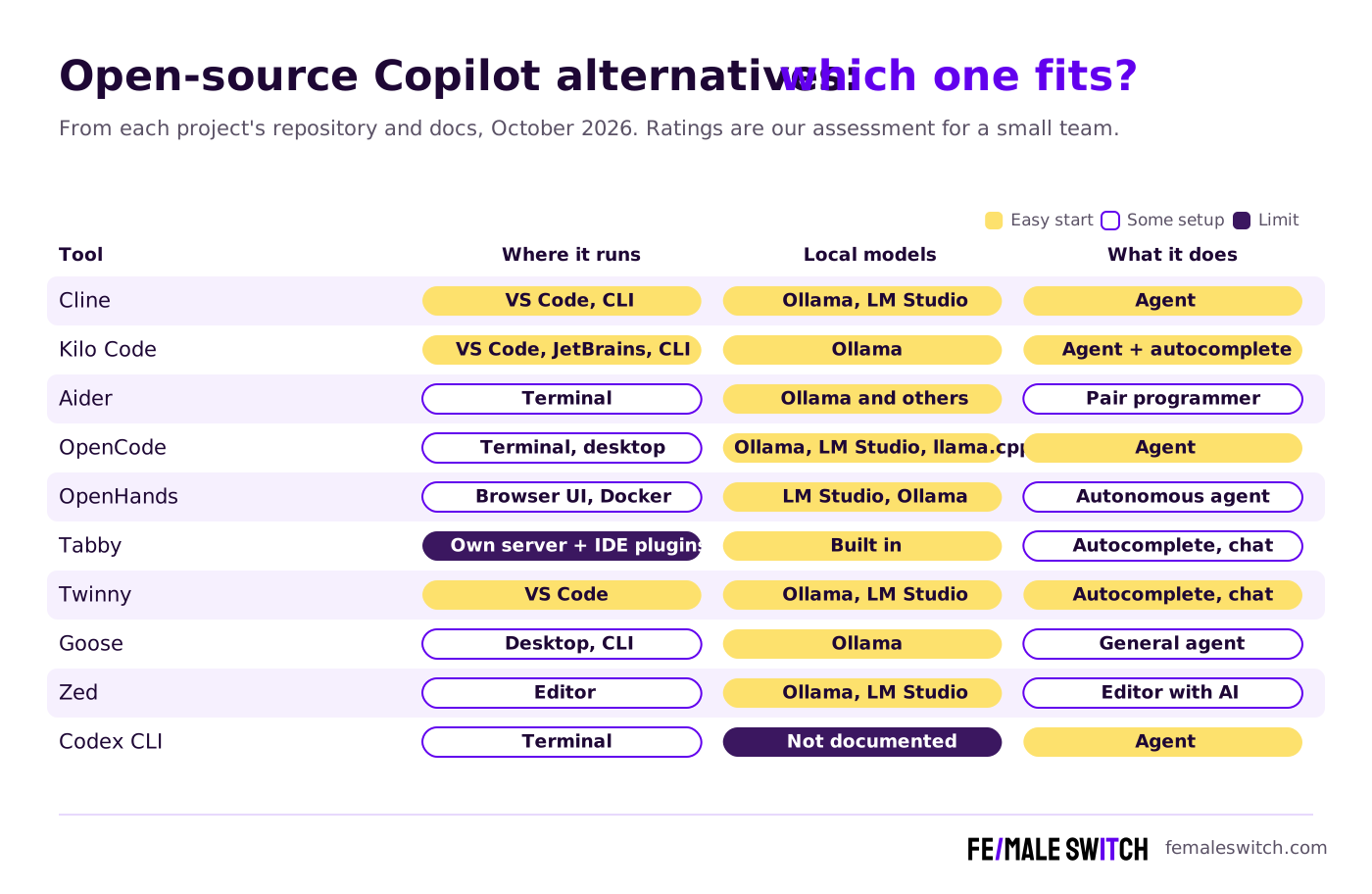
Quick answer: for a Copilot-style agent inside VS Code, use Cline (Apache-2.0) or Kilo Code (MIT). For the terminal, use OpenCode or Aider. For classic autocomplete on a fully local model, use Twinny, or Tabby if your team wants its own server. OpenHands runs autonomous agents in Docker, and Zed is an open-source editor with AI built in.
Boost Your SEO by Getting Featured in Our Blogs and get a backlink.
We publish content about startups, education, tech, funding, etc. that ranks well not only in Google but also in Perplexity, ChatGPT, Grok and other AI tools.
👉 Get featured now!
Open-Source Copilot Alternatives Compared
Sources: each project's GitHub repository, releases and official documentation, checked 26 October 2026.
Local Models or Your Own API Key?
Every tool on this list is free software, but the AI model behind it is a separate choice, and it decides both the cost and the privacy:
- Your own API key (BYOK): you connect a provider such as Anthropic, OpenAI, Google or OpenRouter and pay its token prices. You get the strongest models, but your code is sent to that provider.
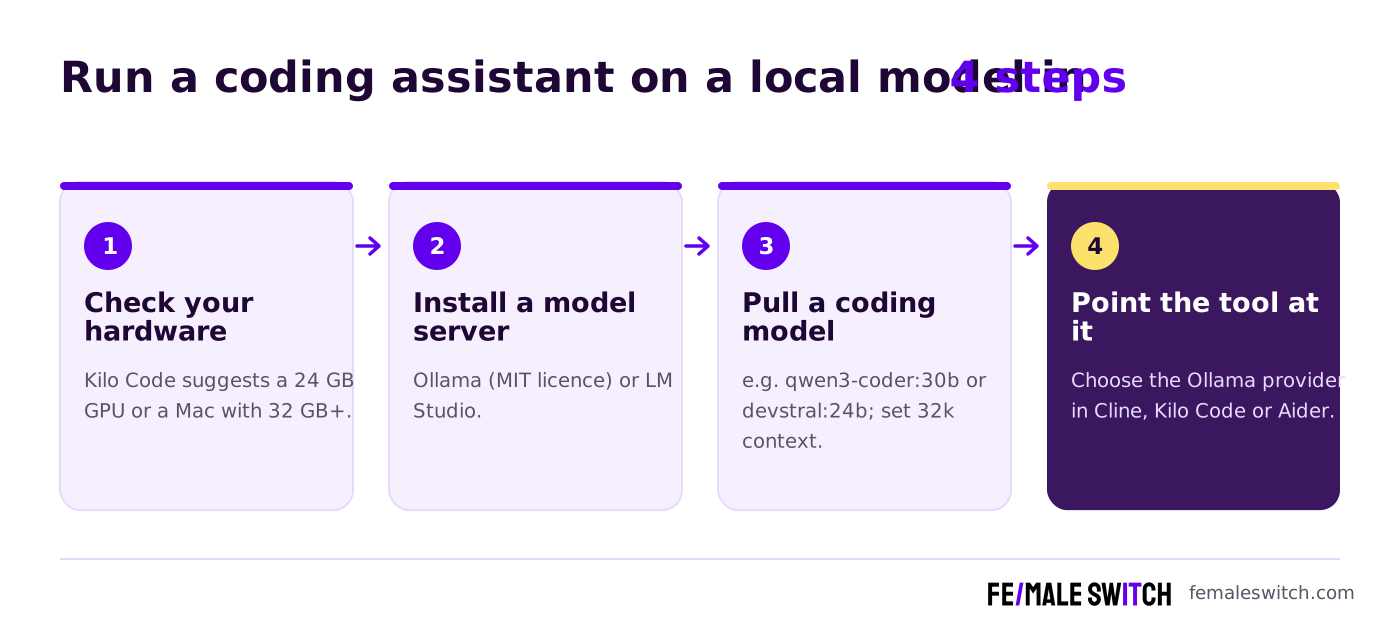
- A local model: you run an open-weight model with Ollama or LM Studio, and nothing leaves your machine. It needs serious hardware: Kilo Code's docs ask for a GPU with 24 GB+ of VRAM or a Mac with 32 GB+ of unified memory, and OpenHands asks for 24 GB of VRAM or a Mac with 64 GB.
- Context size matters: Ollama's default context window is small. Kilo Code recommends at least 32k tokens, OpenHands at least 22,000 (32,768 recommended), and Aider warns that Ollama silently discards whatever does not fit.
- Expect weaker results locally: Kilo Code's docs warn that local models are much more likely to get stuck in loops or fail to use tools. Many teams use a local model for autocomplete and an API model for agent work.
Good open-weight coding models to start with are Qwen3-Coder (Kilo Code recommends qwen3-coder:30b) and Devstral Small; both are published under Apache-2.0 on Hugging Face.
The 10 Best Open-Source GitHub Copilot Alternatives in 2027
1. Cline: the open-source coding agent for VS Code
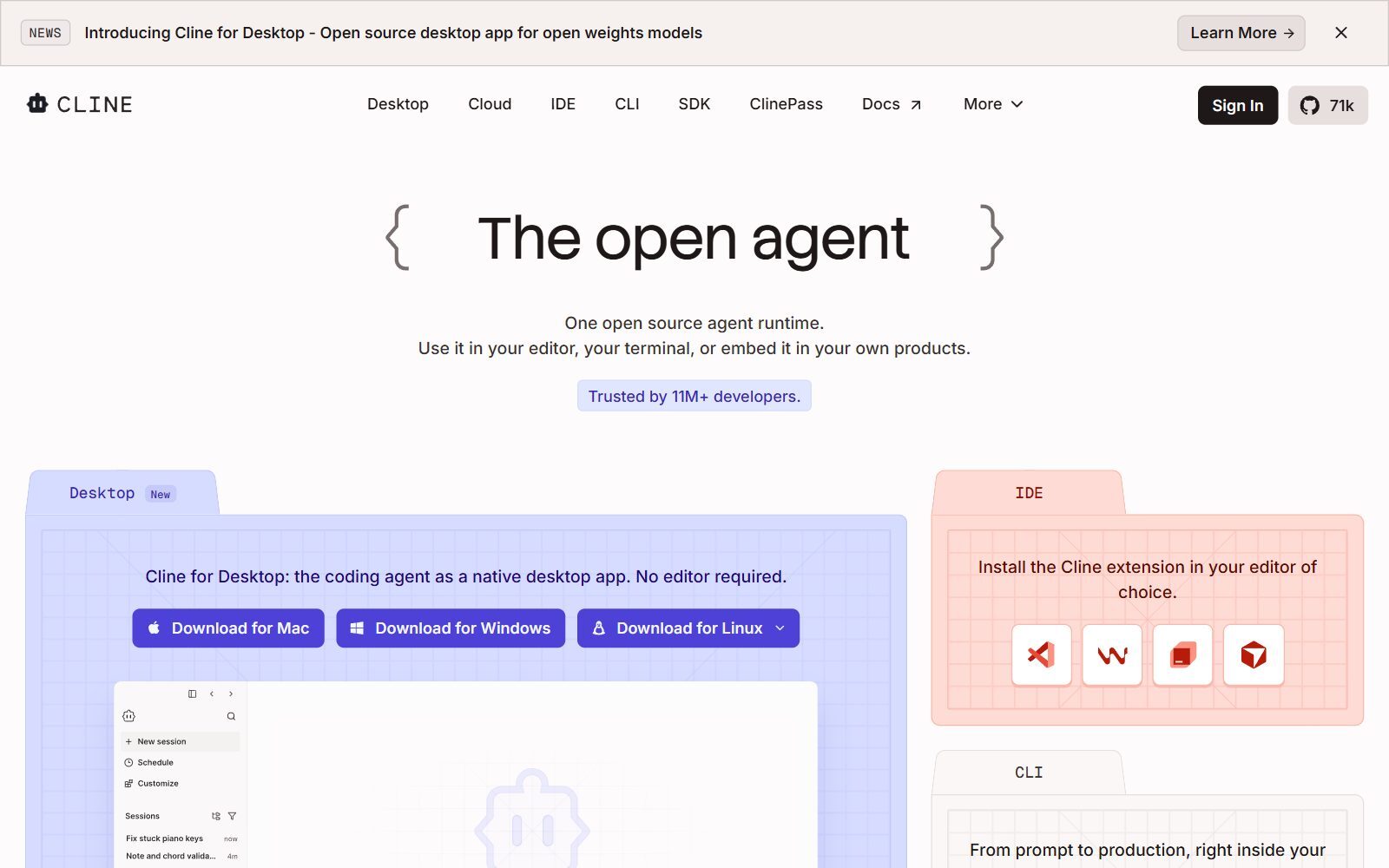
Cline is an Apache-2.0 coding agent for VS Code, with a CLI (npm i -g cline), a desktop app and an SDK. It works in two modes: in Plan mode it explores your code and proposes a strategy, in Act mode it carries it out. By default every file edit and terminal command needs your approval, edits appear as diffs with checkpoints, and it can connect to MCP servers.
You choose the model: Anthropic, OpenAI, Google, OpenRouter, AWS Bedrock, Vertex, Groq, Cerebras, any OpenAI-compatible API, or a local model through Ollama or LM Studio. Its docs suggest 16–32 GB of RAM for small quantized models, 32–64 GB for mid-size coding models and 64 GB+ for larger ones. Note that the JetBrains plugin is not open source; the VS Code extension and CLI are.
2. Kilo Code: agent and autocomplete in VS Code, JetBrains and the terminal
Kilo Code is an MIT-licensed coding agent for VS Code (and editors that use Open VSX, such as Cursor and Windsurf), JetBrains and the terminal; its CLI is a fork of OpenCode. It has Code, Plan, Ask and Debug agents, inline autocomplete and a marketplace for skills and MCP servers. You can pick from 500+ models billed at the provider's rate with no markup, use your own keys, or run local models through Ollama (its docs recommend qwen3-coder:30b, or devstral:24b as an alternative). It is actively developed: version 7.8.18 came out on 26 October 2026.
3. Aider: AI pair programming in the terminal
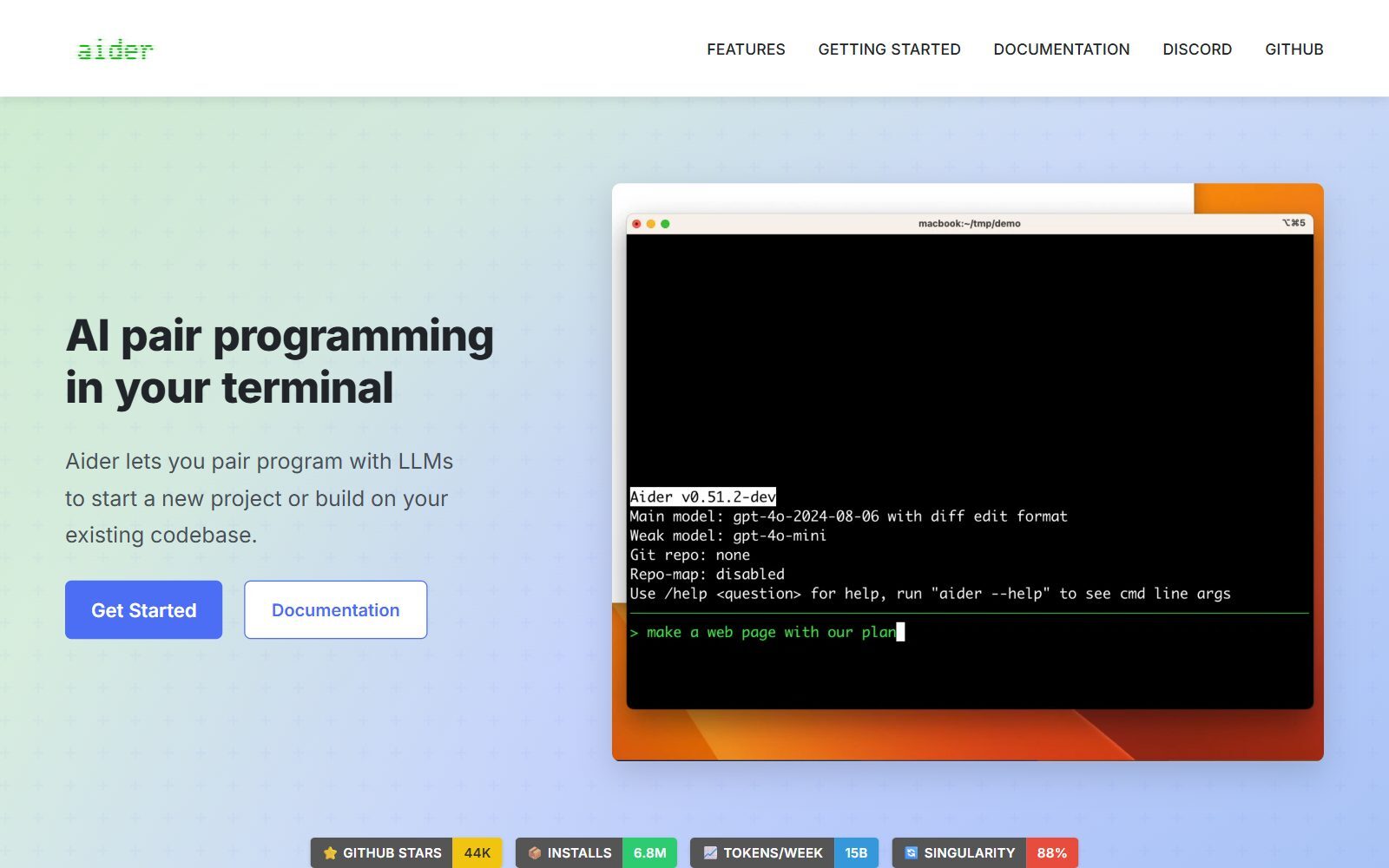
Aider (Apache-2.0) is a terminal tool for pair programming with an LLM on a new or existing codebase. It builds a map of your whole repository, edits files across it and commits each change to git with a clear message, so every AI edit is easy to review or undo. It supports 100+ programming languages and can connect to almost any LLM, including local models through Ollama. One caution: the last tagged release, v0.86.0, dates from August 2025 and the latest commit from May 2026, so check the repository's activity before you standardise on it.
4. OpenCode: a provider-agnostic agent for the terminal
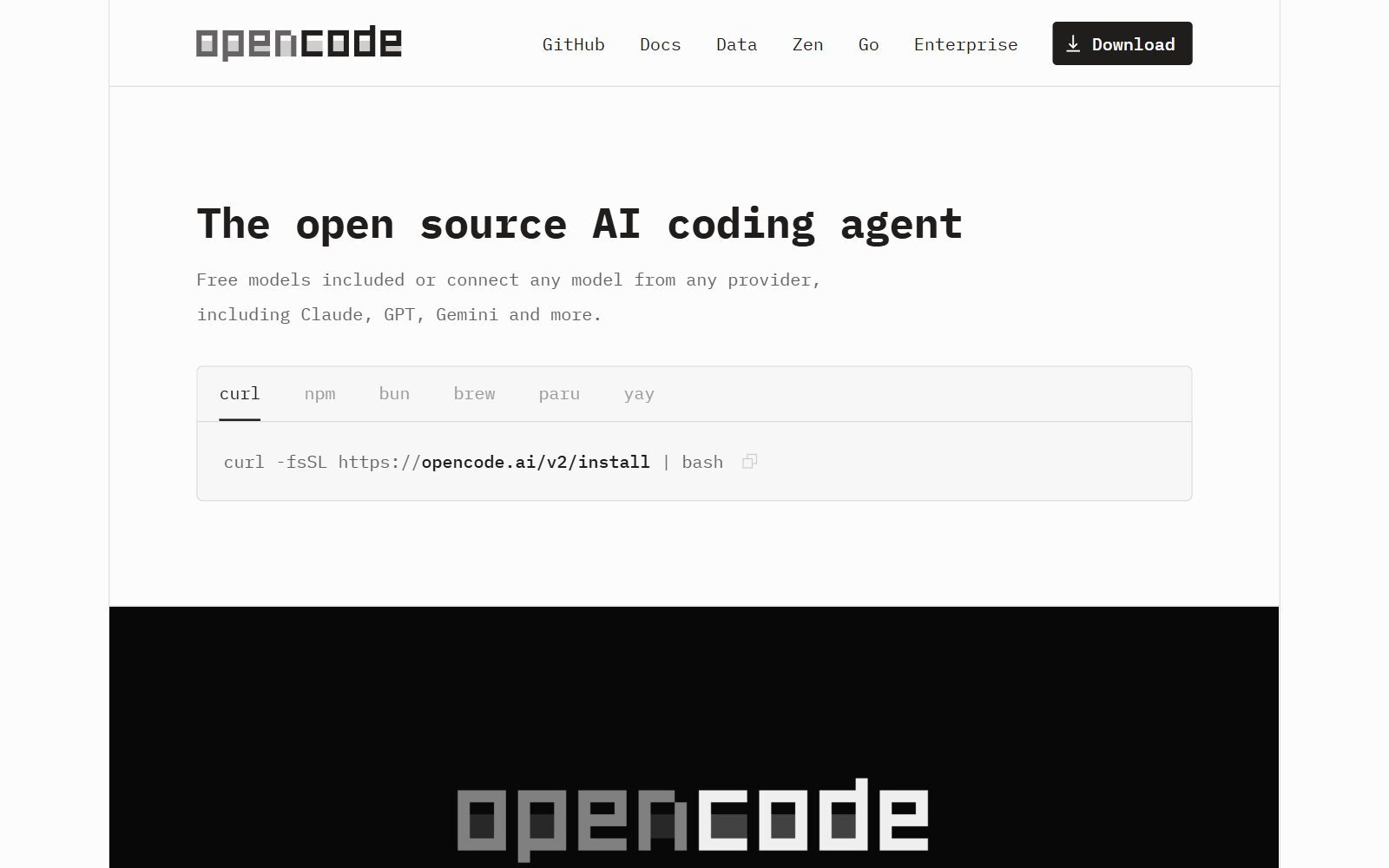
OpenCode is an MIT-licensed AI coding agent with a terminal interface and a desktop app in beta for macOS, Windows and Linux. It has a full-access "build" agent and a read-only "plan" agent that you switch with the Tab key. Its docs list 75+ LLM providers and setup guides for local models with Ollama, LM Studio and llama.cpp. It also includes some free models, and you can sign in with an existing ChatGPT Plus/Pro, GitHub Copilot or GitLab Duo subscription (the docs note that Anthropic does not allow Claude Pro/Max subscriptions to be used this way). Version 1.19.4 was released in October 2026.
Validate your startup idea with the unique borrowed authority approach: we publish articles about your product in our blog and you get traffic and testers for your MVP
- Prove Market Demand: See real organic traffic and waitlist conversions
- Unlock High-Potential Keywords: Receive a curated list of top-performing keywords directly from Google Search Console data.
- Estimate Customer Acquisition Cost (CAC): Gain financial foresight with an estimated CAC based on real keyword performance data.
🔗 Start validating your startup now
5. OpenHands: autonomous coding agents you host yourself
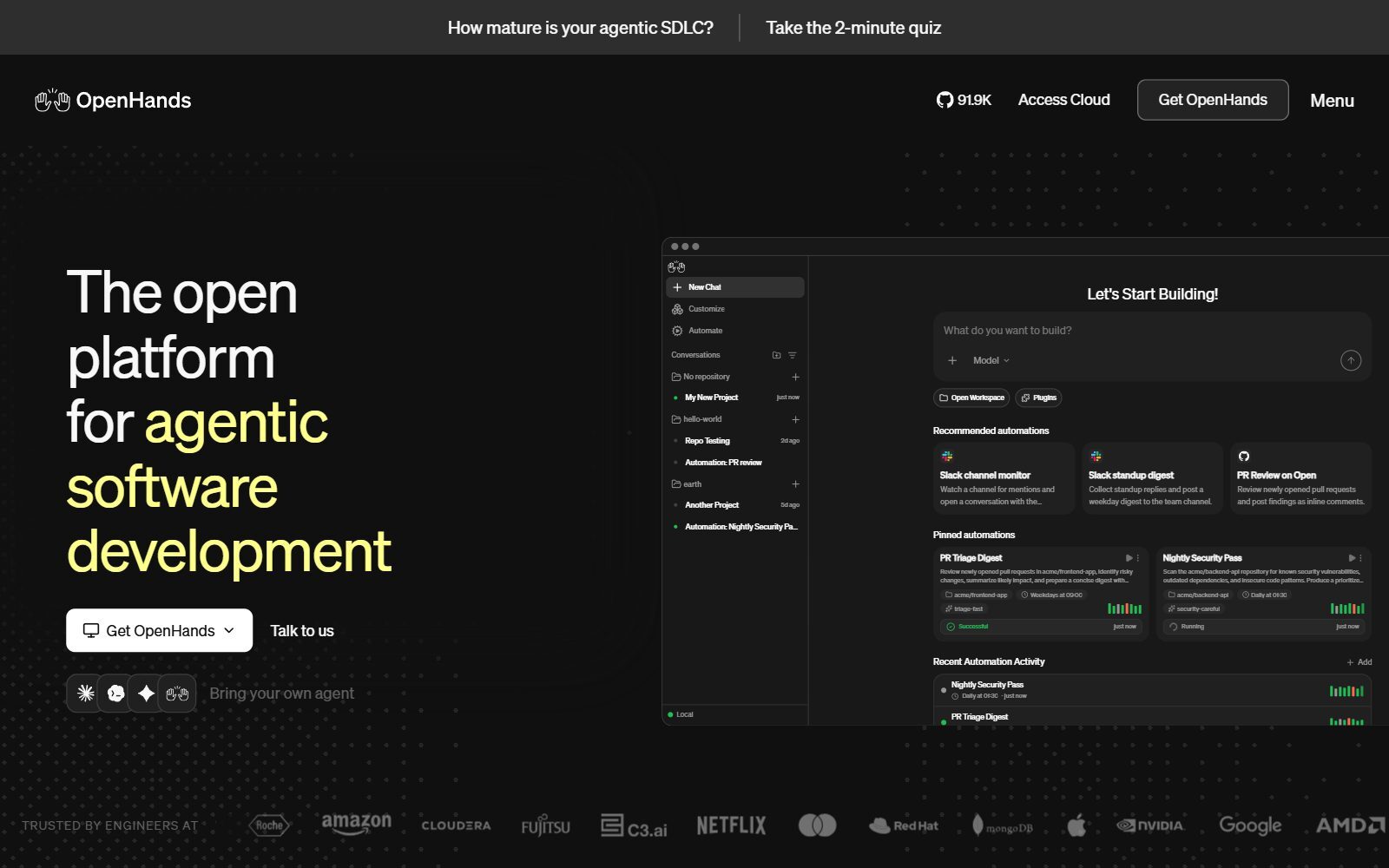
OpenHands (MIT) goes beyond autocomplete: its self-hosted Agent Canvas runs coding agents and automations, such as pull-request reviews or nightly security checks, from a web interface at localhost. You install it with npm, and for safety you can run each conversation in its own Docker container. It works with any LLM; its local-model guide recommends LM Studio with Qwen3.6-35B-A3B and lists Ollama, vLLM and SGLang as alternatives. OpenHands Cloud is the paid hosted version. The latest release, v1.33.0, came out in October 2026.
6. Tabby: a self-hosted Copilot server for teams
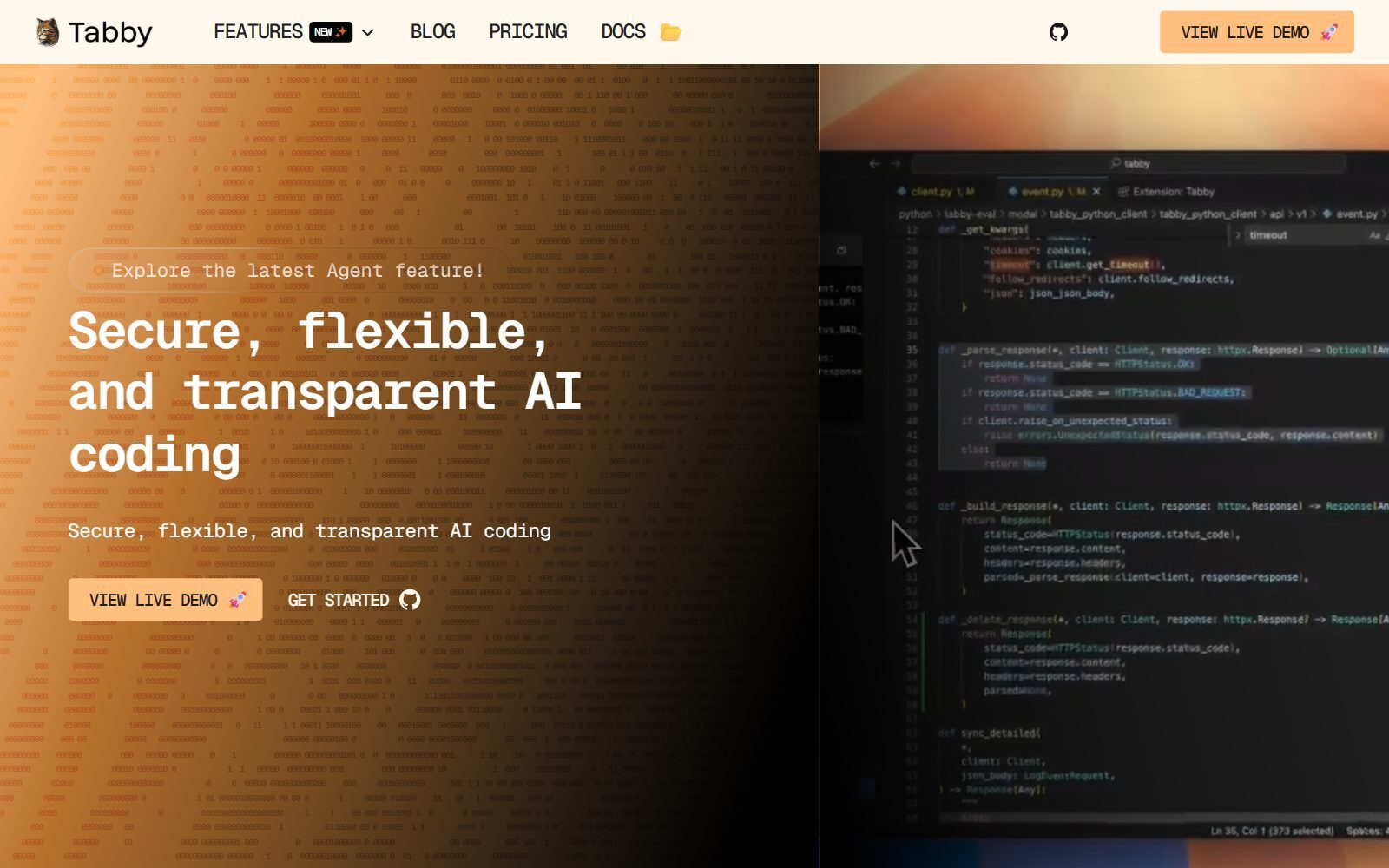
Tabby is the classic self-hosted answer to Copilot: you run the Tabby server on your own machine or GPU server (it is self-contained, with no database or cloud service needed, and supports consumer-grade GPUs), and developers connect through extensions for VS Code, Vim and IntelliJ. The code is Apache-2.0, except an enterprise folder under its own licence. It suits teams that want autocomplete and chat with no code leaving the company. The pace has slowed, though: the latest release, v0.32.0, dates from January 2026.
7. Twinny: free local autocomplete for VS Code
Twinny is the closest thing to "Copilot, but local". The MIT-licensed VS Code extension (VS Code 1.93 or newer) gives fill-in-the-middle autocomplete as ghost text, a chat sidebar, inline edits and an experimental agent mode, and it works with Ollama, LM Studio, llama.cpp and other OpenAI-compatible servers, as well as hosted APIs. It has no telemetry and needs no sign-in. The extension is free; an optional team gateway is free for five developers and then $15 per seat a month. Version 4.0.20 came out in September 2026.
8. Goose: a general-purpose open-source agent
Goose is an Apache-2.0 AI agent that runs on your machine as a desktop app for macOS, Linux and Windows or as a CLI. Its own description is a general-purpose agent, not only a coding tool. It works with 15+ providers, including Anthropic, OpenAI, Google, Ollama, OpenRouter, Azure and Bedrock, and supports 70+ extensions through MCP. Goose is now part of the Agentic AI Foundation at the Linux Foundation; version 1.56.0 came out in October 2026.
9. Zed: an open-source editor with AI optional
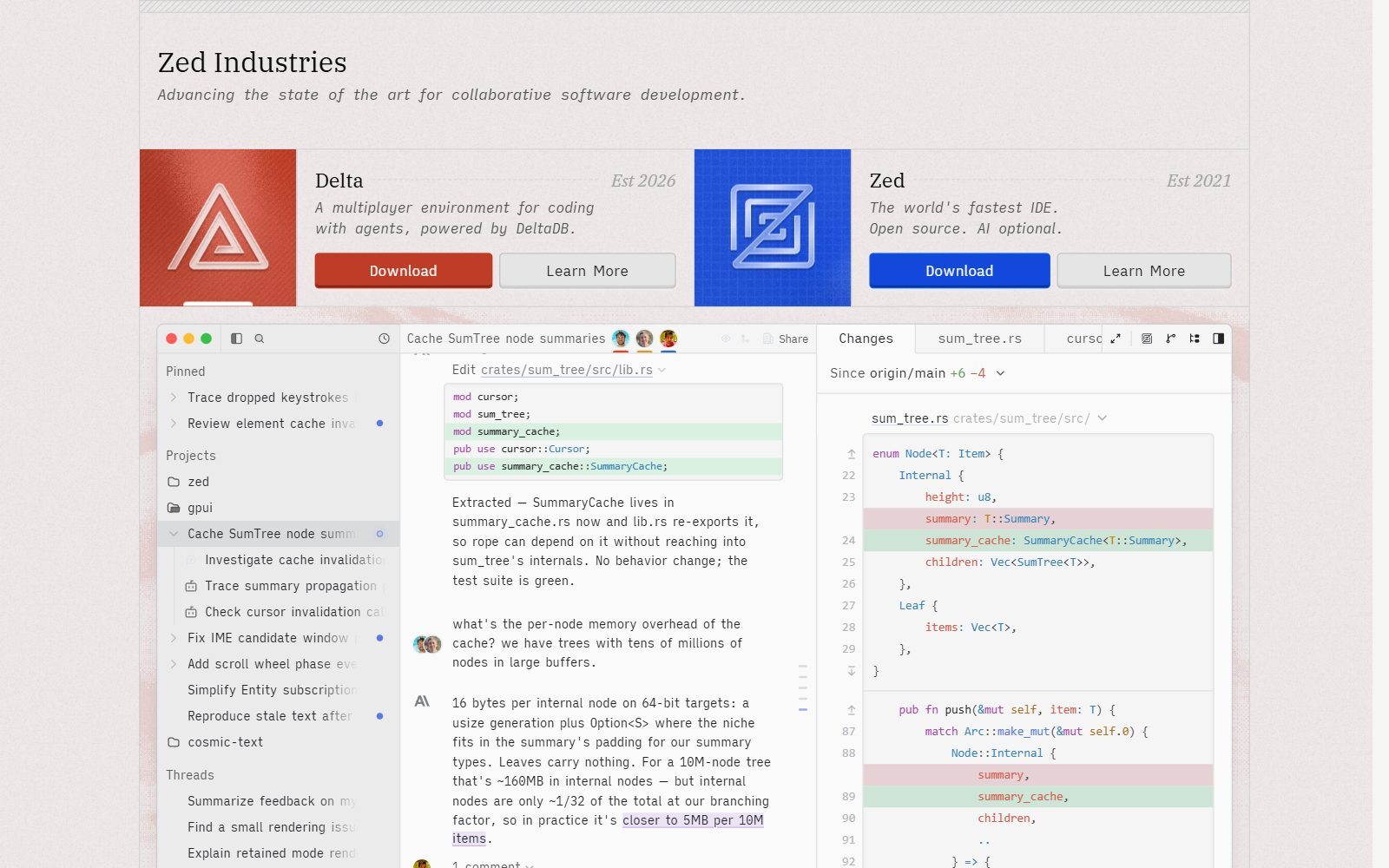
Zed is a fast code editor for macOS, Windows and Linux whose code is GPL-3.0 on GitHub. Instead of adding a Copilot-style plugin to VS Code, you switch editors and get AI built in, or turn it off. You can use Zed's hosted models (billed through Zed), your own API keys, or local models through Ollama, LM Studio and llama.cpp. Version 1.25.3 came out in October 2026.
10. Codex CLI: OpenAI's open-source terminal agent
Codex CLI is OpenAI's coding agent for the terminal, and its code is Apache-2.0 on GitHub (version 0.164.0 came out in October 2026). The tool is open source, but it is built around OpenAI's models: you sign in with a ChatGPT Plus, Pro, Business, Edu or Enterprise plan, or set it up with an API key. Its README does not cover local models, so choose it if you already pay for ChatGPT and want an open-source client, not if you need full privacy. Google's Gemini CLI is a similar Apache-2.0 terminal agent for Gemini models.
Copilot Alternatives That Are Discontinued or Not Open Source
Several tools from older lists, including the 2025 version of this one, are no longer a good choice:
- Roo Code: shut down on 15 May 2026; its repository is archived and its README points users to Cline.
- Continue: no longer actively maintained; its repository is read-only after a final 2.0.0 release of the VS Code extension, CLI and JetBrains plugin.
- Void: the open-source AI editor is deprecated and its repository was archived on 2 June 2026.
- FauxPilot: a local Copilot server based on Salesforce CodeGen models; its last commit dates from May 2023.
- Codeium: never open source, and codeium.com now redirects to Devin Desktop on devin.ai.
- SWE-Kit: its GitHub repository no longer exists.
- PolyCoder, CodeT5, StarCoder and DeepSeek Coder: AI models, not assistants you install. PolyCoder's repository was last updated in May 2023, StarCoder2 uses the BigCode OpenRAIL-M licence rather than an OSI licence, and DeepSeek Coder has its own model licence. Use current models such as Qwen3-Coder or Devstral inside the tools above instead.
Which Open-Source Copilot Alternative Should You Choose?
- You want Copilot's agent mode in VS Code: Cline or Kilo Code.
- You live in the terminal: OpenCode for many providers, Aider for git-first pair programming.
- Your code must never leave your machine: Twinny or Cline with Ollama or LM Studio, if your hardware can run a good model.
- You want one server for the whole team: Tabby for autocomplete, OpenHands for autonomous agents.
- You want to switch editors: Zed.
- You already pay for ChatGPT: Codex CLI, or OpenCode with your ChatGPT sign-in.
Comparing paid and free options too? See our lists of free GitHub Copilot alternatives, GitHub Copilot alternatives, open-source Tabnine alternatives and Replit AI alternatives.
How Founders Use Open-Source Coding Assistants
For a small startup, an AI coding assistant is mostly about speed to a first version: a prototype to show customers, an internal tool, or a fix you would otherwise wait days for. Our guides on building an AI MVP on a budget and no-code MVP development show where coding help fits, and the rise of vibe coding explains how non-developers now build software with AI. For a wider view of paid tools, see the best AI coding tools for entrepreneurs.
Open source is a good default for the rest of a technical stack too. See our guides to open-source PlantUML alternatives and open-source draw.io alternatives for architecture diagrams, open-source Freshdesk alternatives for customer support, and open-source Buffer alternatives to announce what you ship.
FAQ About Open-Source GitHub Copilot Alternatives
What is the best open-source alternative to GitHub Copilot?
For VS Code, Cline (Apache-2.0) and Kilo Code (MIT) are the strongest agents. For the terminal, OpenCode and Aider. For classic autocomplete on a local model, Twinny or a self-hosted Tabby server.
Can I run a Copilot alternative completely offline?
Yes, with a local model. Cline, Kilo Code, Aider, OpenCode, Twinny, Goose and Zed can use models served by Ollama or LM Studio on your own machine, and Tabby runs its own models on your server.
What hardware do I need for local AI coding models?
Kilo Code's docs recommend a GPU with 24 GB+ of VRAM or a Mac with 32 GB+ of unified memory; OpenHands recommends 24 GB of VRAM or an Apple Silicon Mac with 64 GB. Smaller machines can run smaller models with weaker results.
Which local model should I use for coding?
Kilo Code recommends qwen3-coder:30b, with devstral:24b as an alternative. Qwen3-Coder and Devstral Small are both Apache-2.0 licensed on Hugging Face.
Is GitHub Copilot open source?
Partly. The Copilot Chat extension's code is MIT-licensed and has moved into the main VS Code repository, but GitHub says an active GitHub Copilot subscription is required to use Copilot.
Is Codeium open source?
No. Codeium was never open source, and codeium.com now redirects to Devin Desktop on devin.ai.
Is Roo Code still available?
No. Roo Code was shut down on 15 May 2026 and its repository is archived. Its README points users to Cline.
Is Continue still maintained?
No. Continue's repository says it is no longer actively maintained and is read-only, after a final 2.0.0 release of its VS Code extension, CLI and JetBrains plugin.
Are open-source coding assistants free?
The software is free, but models are not always. With your own API key you pay the provider per token; with a local model you pay only for your hardware and electricity.
How can I test demand for the product I am building?
Before you write much code, publish about the problem and measure the response. Our startup idea validation service publishes articles about your product and reports real traffic and sign-ups.
About the Author
Violetta Bonenkamp, also known as MeanCEO, is an experienced startup founder with an impressive educational background including an MBA and four other higher education degrees. She has over 20 years of work experience across multiple countries, including 5 years as a solopreneur and serial entrepreneur. Throughout her startup experience she has applied for multiple startup grants at the EU level, in the Netherlands and Malta, and her startups received quite a few of those. She’s been living, studying and working in many countries around the globe and her extensive multicultural experience has influenced her immensely.

