
In 2027, the way we approach sleep has transformed thanks to artificial intelligence. Sleep is no longer a passive activity—it’s a key wellness pillar actively managed by AI-powered tools that deliver personalized insights and recommendations. These systems analyze physiological data, behavioral patterns, and environmental factors to create custom sleep improvement plans that don’t just promise better sleep but deliver measurable results. If you're struggling with sleep or interested in leveraging AI to enhance your nights, this guide provides actionable steps, powerful insights, and practical solutions tailored for real-world conditions.
Why AI is Revolutionizing Sleep Improvement
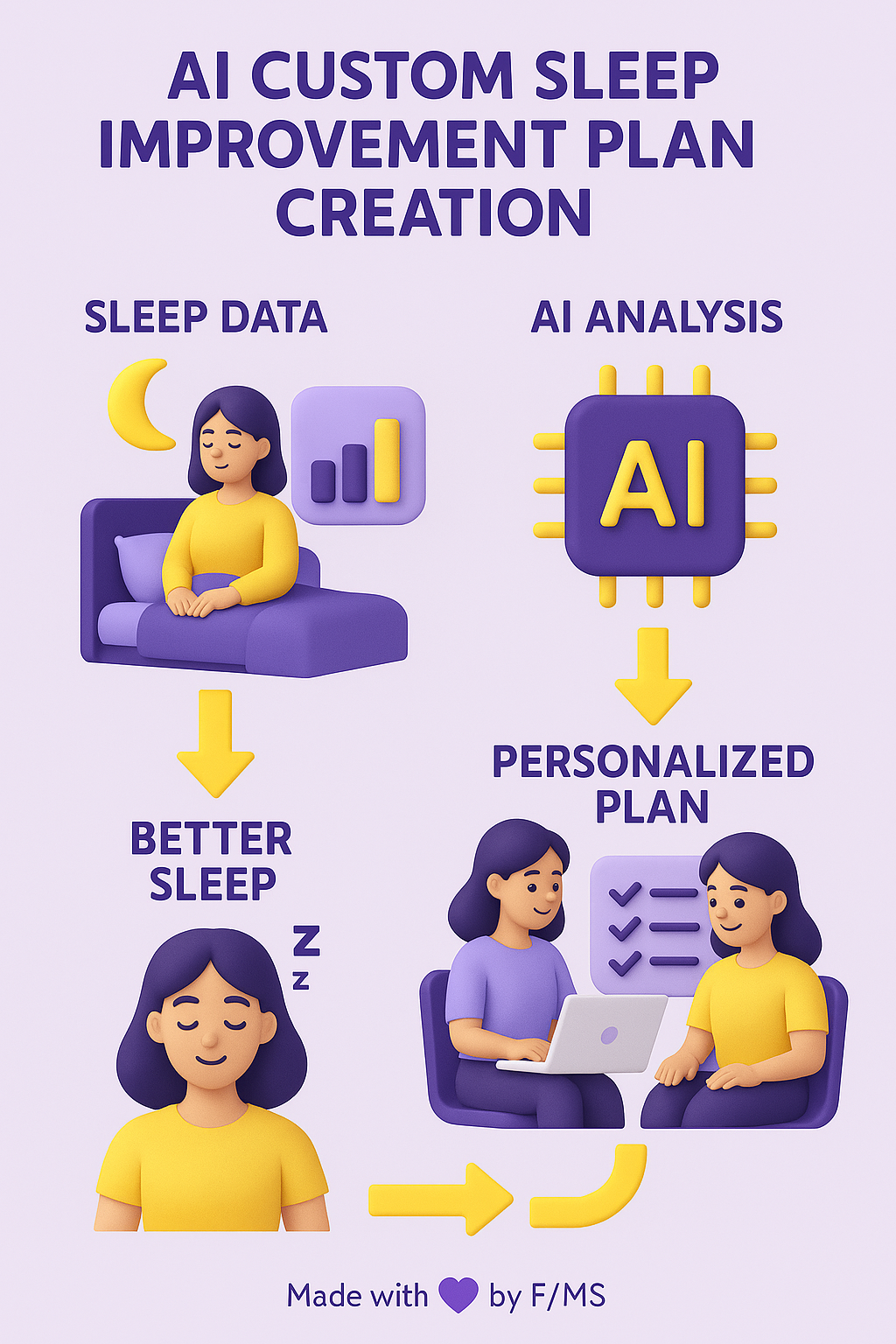
Traditional sleep solutions often overlooked individual variability. What works for one person will not necessarily work for another. That’s where AI steps in: it tracks factors like your unique circadian rhythm, lifestyle factors, and sleep physiology to create plans as unique as your DNA. According to a 2027 sleep health report, 75% of users experienced a significant improvement in sleep quality after just one month of using AI-tailored plans. Here is how to optimize Your LinkedIn Profile.
Key reasons AI is a game-changer in sleep health include:
- Data-Driven Personalization: AI tools analyze multi-modal data (heart rate variability, REM cycles, and even bedroom temperature) to deliver personalized recommendations.
- Adaptive Learning: AI systems continuously refine sleep plans based on weekly progress, ensuring better alignment with your life patterns.
- Early Diagnostics: Sleep disorders like sleep apnea can now be flagged earlier, reducing long-term health risks.
Whether you're battling insomnia or just want to wake up more refreshed, AI opens the door to achieving better sleep, for good.
HOW TO CREATE a Custom AI Sleep Improvement Plan in 2027
Creating an AI-driven sleep plan isn’t complex, and with the myriad of tools available, you can get started right from your smartphone. Follow these five steps to kick-start your personalized journey to better sleep. Here is how to optimize Your Productivity System.
1. Collect the Right Data
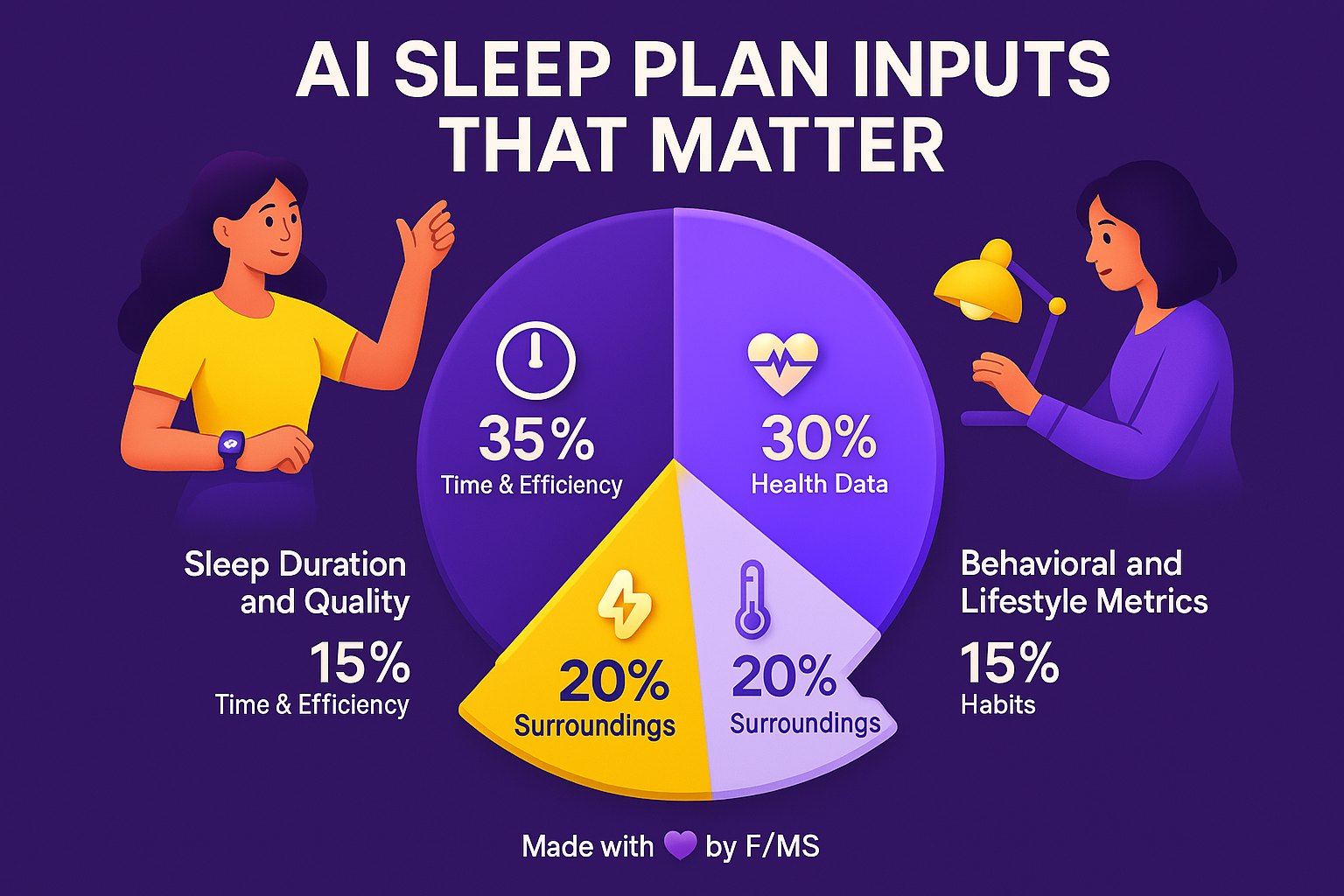
AI’s magic lies in the quality of data it processes. Wearables like Fitbit, Oura Ring, and Apple Watch already track sleep metrics, including:
- Sleep duration
- Sleep stages (light, deep, and REM)
- Restfulness
- Heart rate and variability
- Environmental factors (light and temperature)
Alternatively, more advanced setups can integrate multi-sensor polysomnography trackers for comprehensive analysis. Make sure your device syncs easily with the AI platform you intend to use.
2. Choose an AI-Powered Platform
Not all tools are created equal, so choose one that aligns with your goals. Here are three major options:
- Consumer-Focused Apps: Tools like SleepCycle and SleepScore focus on user-friendly interfaces and behavioral insights.
- Wearable-Integrated Tools: Oura’s AI-driven app uses precision data from its ring to provide optimized sleep recommendations.
- Clinical Tools: If you have a sleep disorder like apnea, consider clinical-grade platforms paired with regular consultations.
The F/MS AI SEO Tool can help you decide which platform to highlight on your website if you’re building your own sleep-focused business. Use it to assess market trends and position yourself as an authority.
3. Develop a Personalized Sleep Plan
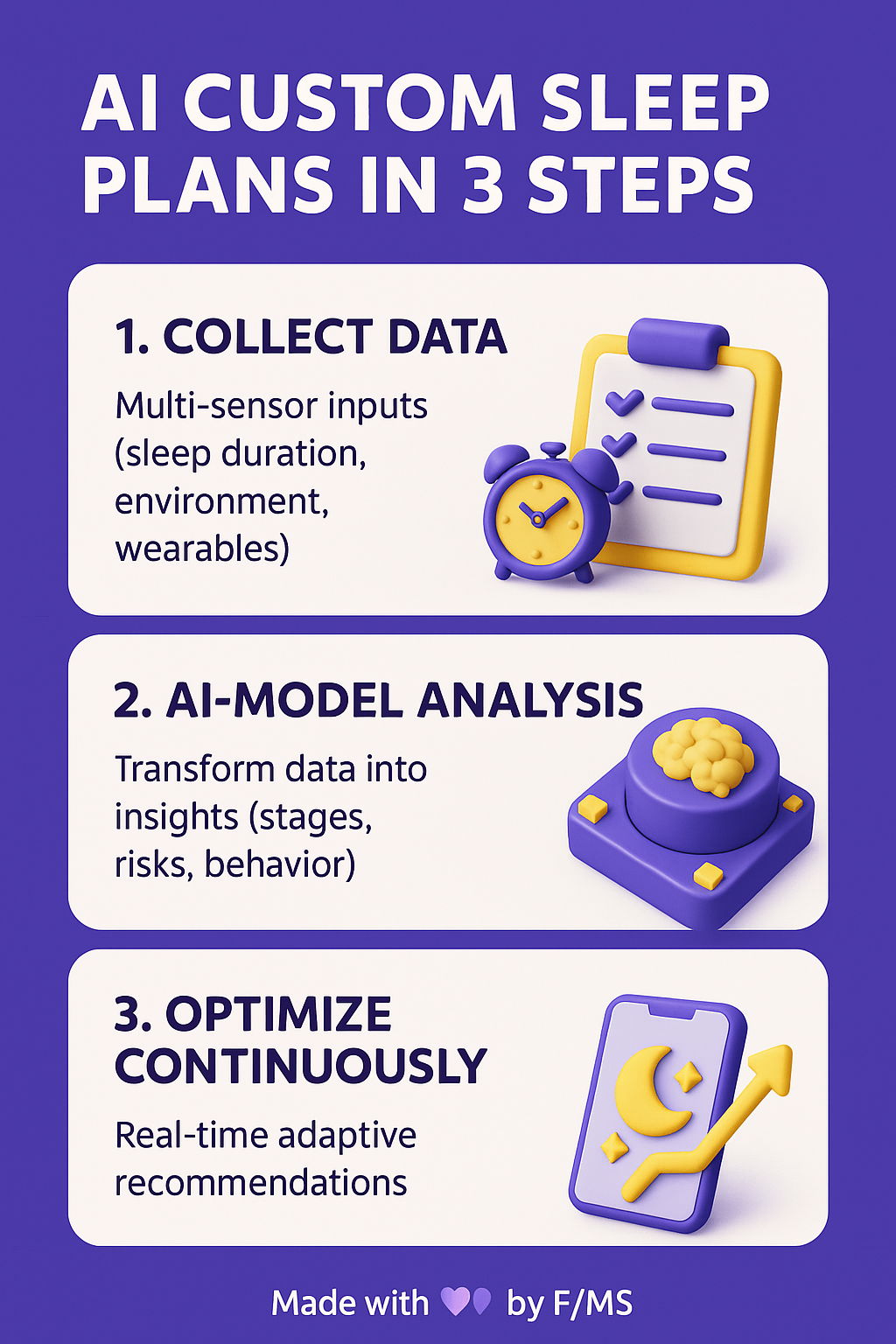
Once your data is analyzed, the AI platform will suggest actionable improvements. Common recommendations include:
- Adjusting your sleep schedule to align with circadian rhythms.
- Creating a pre-sleep wind-down routine based on past anxiety markers.
- Optimizing your sleep environment (temperature, noise, and blue light exposure).
- Increasing or scaling back physical activities like workouts that interfere with REM cycles.
PhysioLLM, an AI-driven large language model, is often used to interpret raw physiological data into actionable steps. However, experts recommend validating key metrics with manual oversight to weed out spurious correlations.
4. Set Metrics and Track Progress
Define what success looks like—for example, waking up without grogginess or achieving 85% sleep efficiency every week. Regular assessments and tracking can ensure that recommendations are working. Many apps also allow you to rate your sleep subjectively, so you can correlate physical outcomes (e.g., fewer nighttime awakenings) with how rested you feel.
5. Iterate Using AI Feedback
AI systems thrive on real-time data, so don’t ignore app notifications or wearable insights. Update your goals monthly, follow tips, and make small, consistent lifestyle tweaks to enjoy continual benefits.
Pro Tip: Use tools like F/MS Marketing Services to communicate updates, testimonial stories, or new features if you're launching your own AI-based sleep product.
Common Mistakes to Avoid
AI can boost your sleep health only if used correctly. Here are a few pitfalls to avoid:
- Ignoring Data Nuances: While AI identifies patterns, don’t act solely on its advice without validation through your own experience or professional consultation.
- Overloading Data Streams: Using too many wearables at once might make your data inconsistent. Stick with one platform for the most reliable insights.
- Underestimating Environmental Impact: Simple changes like blackout curtains and cooling your room can dramatically improve sleep and are often overlooked.
Building a Sleep Tech Business
For entrepreneurs inspired by AI’s role in sleep improvement, consider launching your own venture in this fast-growing sector. A 2027 forecast suggests the global sleep economy will exceed $120 billion, with AI tools and services driving growth. Here's a business checklist to start:
- Problem: Increasing prevalence of insomnia and undiagnosed sleep disorders.
- Product: AI-driven sleep plans delivered via apps, wearables, or smart devices.
- Target Audience: Wellness enthusiasts, individuals with sleep disorders, and corporate employees.
- Value Proposition: Personalized, actionable sleep insights backed by science.
- Business Name: Examples could include “DreamSync,” “AI Sleep Coach,” or “SlumberAI.”
- MVP (Minimum Viable Product): Create a simplified app focusing on a single feature like circadian alignment or pre-sleep routine optimization.
- How to Get Customers: Use influencer partnerships, targeted ads, or tools like F/MS Marketing Directories to increase visibility through high-authority backlinks.
Additionally, check out the F/MS AI SEO Blog to automate your content generation and climb search engine rankings while engaging your target market on LinkedIn and other platforms.
The Future of AI-Driven Sleep
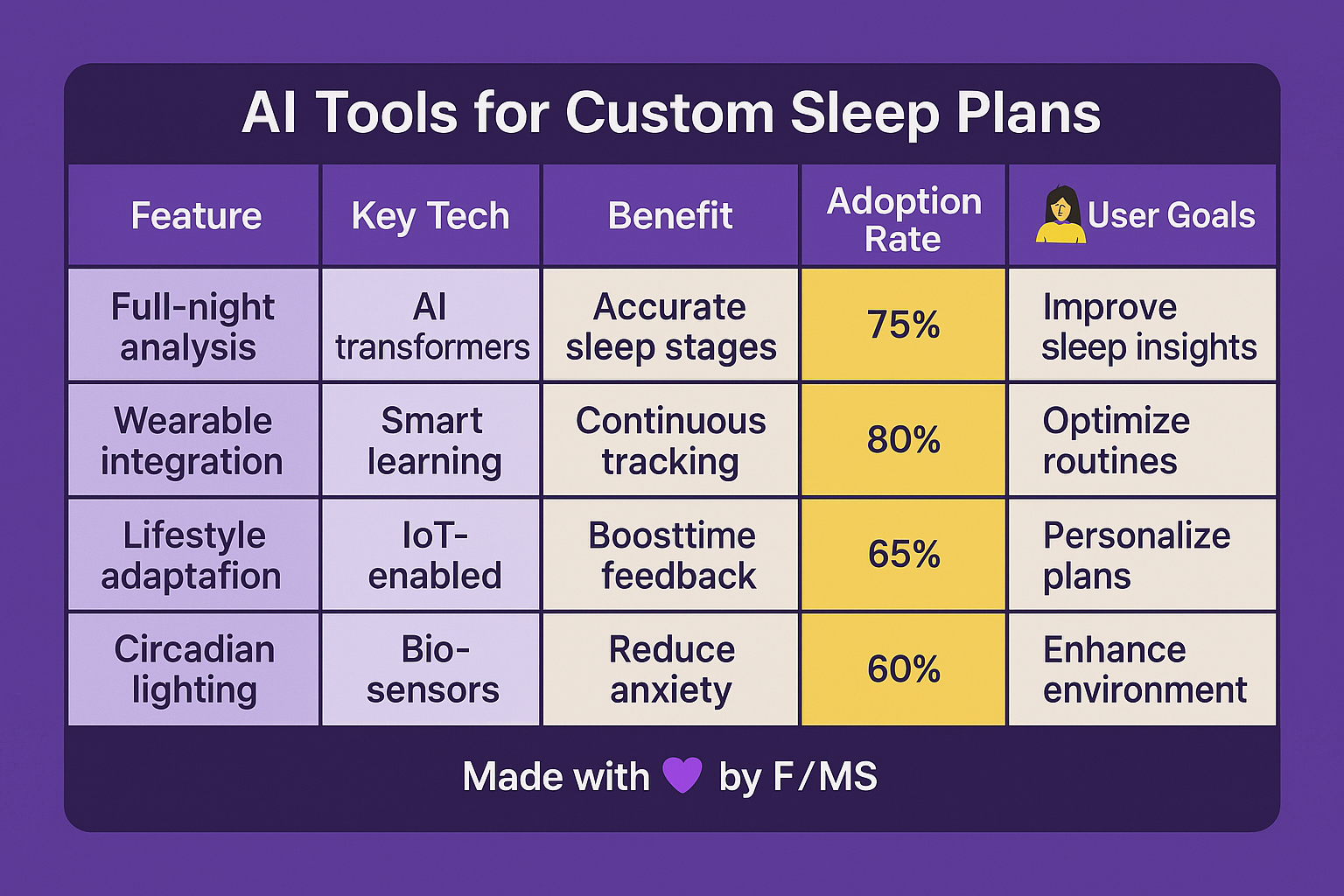
In 2027, AI is not just making sleep smarter but also more accessible. With seamless wearable integrations, predictive diagnostics, and adaptive algorithms, there’s no excuse to settle for poor sleep. Whether you’re building an AI business or just looking for better rest, the tips in this guide can help you optimize your nights and maximize your days.
Take control of your sleep, and let AI be your dream assistant!
FAQ on AI-Powered Sleep Improvement Plans
1. What makes AI sleep improvement plans better than traditional methods?
AI sleep improvement plans use data-driven personalization to analyze physiological, environmental, and behavioral factors to tailor recommendations to individual needs, providing more effective solutions compared to generalized advice.
2. Which wearable devices can gather sleep data for AI platforms?
Popular options include Fitbit, Oura Ring, and Apple Watch. These devices track metrics like sleep stages, heart rate variability, and disturbances, offering valuable data for AI-powered insights.
3. Are there AI platforms that detect sleep disorders like apnea?
Yes, clinical tools paired with AI can diagnose conditions like sleep apnea early by analyzing respiratory data and sleep patterns.
4. How do AI systems adapt sleep plans to individual needs?
AI platforms use adaptive learning algorithms that refine sleep plans monthly, analyzing progress to better align recommendations with users' changing sleep patterns and lifestyles.
5. What factors are included in AI sleep improvement plans?
AI plans encompass sleep duration, stages, environmental data (light, temperature), lifestyle habits, and physiological markers like heart rate variability.
6. Can environmental changes like lighting improve sleep quality?
Yes, AI often recommends optimizing environmental factors like blackout curtains or circadian lighting systems, which have a measurable impact on sleep quality.
7. Can I use AI to write SEO-optimized articles that help my brand grow?
Most business owners don't understand how SEO works, let alone how to use AI for writing blog articles. That's why for busy business owners there's a great free tool that doesn't require much knowledge. Write articles for free
8. How reliable are AI-generated sleep improvement insights?
AI plans are highly accurate for most users, but experts recommend validating significant AI-derived suggestions with manual oversight or consulting a healthcare provider for critical decisions.
9. What are the leading apps for AI-powered sleep plans?
Top apps include SleepCycle, SleepScore, and Oura's AI-powered platform, which all provide user-friendly interfaces and actionable insights.
10. Is there a business opportunity in AI-driven sleep solutions?
Absolutely. A growing market fueled by increased wellness focus and undiagnosed sleep disorders makes AI-driven sleep technology a lucrative area for entrepreneurs.
About the Author
Violetta Bonenkamp, also known as MeanCEO, is an experienced startup founder with an impressive educational background including an MBA and four other higher education degrees. She has over 20 years of work experience across multiple countries, including 5 years as a solopreneur and serial entrepreneur.

