
The remote work revolution, which accelerated around 2020, has solidified its place as a permanent and transformative work model. By now, 2027, remote work is no longer a trend but a standard practice. Companies are designing infrastructures to support their remote workforces, while freelancers and startup founders are leveraging flexible schedules to prioritize productivity and creativity.
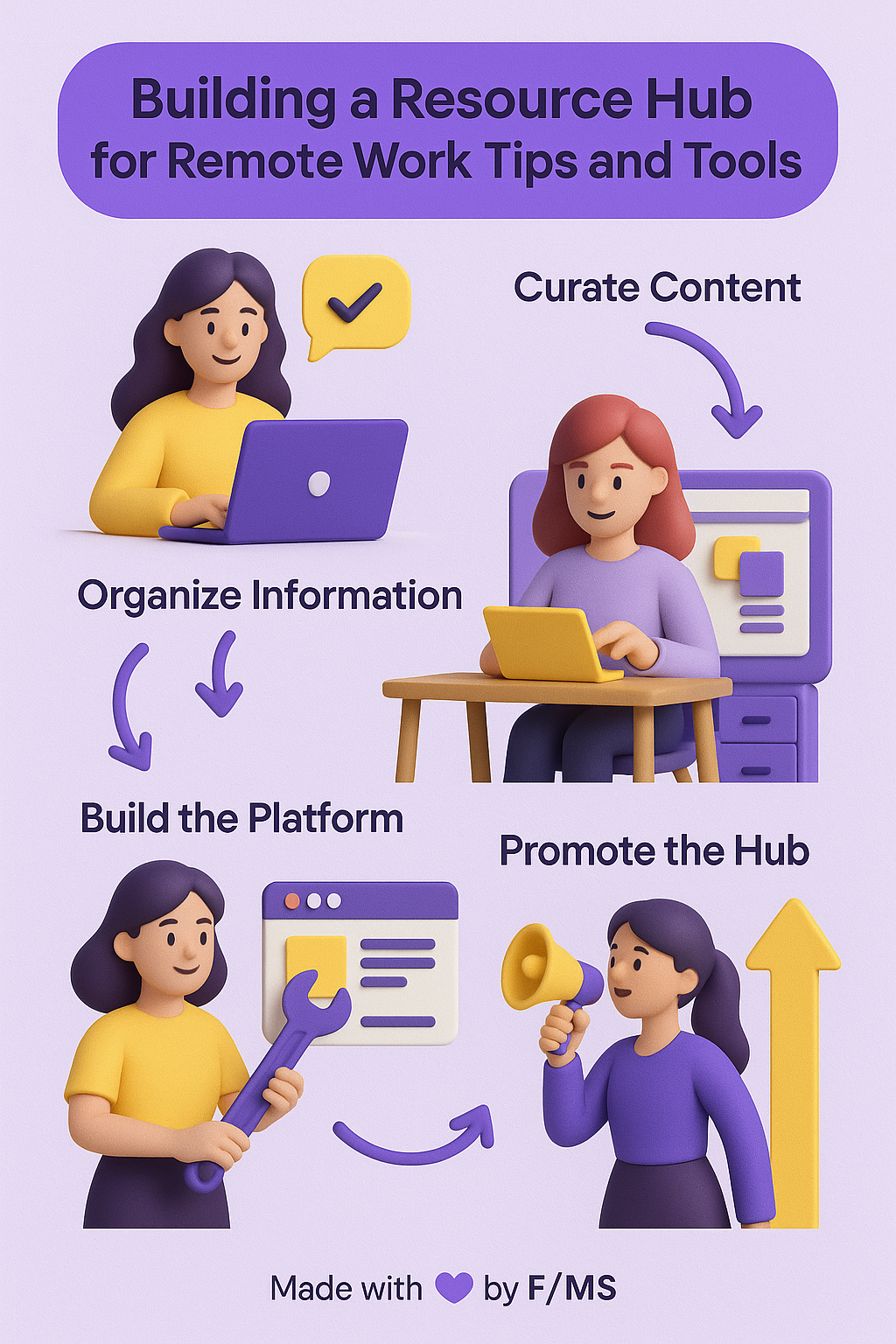
For entrepreneurial minds looking to capitalize on this booming remote work landscape, building a resource hub for remote work tips and tools offers immense potential. Whether supporting remote workers, businesses, or hybrid teams, such a hub can be a go-to platform for insights, education, and collaboration.
This guide outlines the steps, emerging trends, common mistakes, and specific tools to create a thriving remote work resource hub in 2027. If you would rather earn from remote work on the side first, see our side hustles for women guide, sorted by which ideas can grow beyond your own hours.
WHY Remote Work Resource Hubs Are a Booming Opportunity
Statistics That Highlight the Need
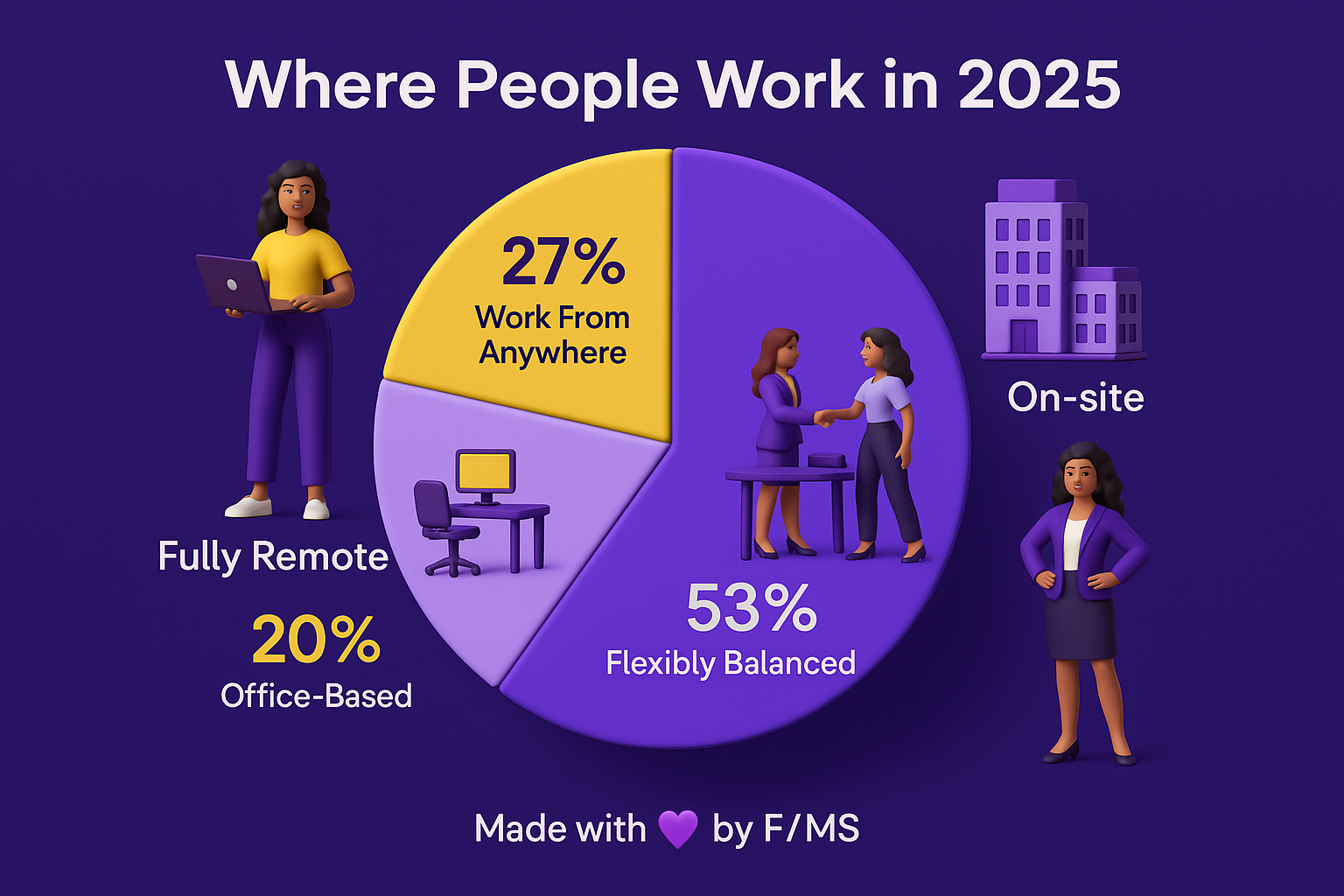
- 27% of the U.S. workforce now operates fully remote, while 53% follow hybrid schedules, demonstrating the massive adoption of flexible work setups.
- 32.6 million people across the U.S. work remotely in some capacity, a number that continues to grow.
- Employees working remotely show a 13% boost in performance and contribute approximately $2,000 more in company profit annually.
Beyond individual productivity, the demand for curated resources is clear. Remote workers and managers often struggle with tools for collaboration, communication, and performance tracking, creating space for platforms that aggregate tips, tools, and frameworks.
A well-curated hub can simplify remote workflows, improve access to cutting-edge remote work software, and offer specialized insights catered to diverse work environments.
STEP-BY-STEP GUIDE TO BUILDING YOUR RESOURCE HUB
Step 1: Define Your Target Audience
Who do you want the hub to serve? Identify niches within remote work to craft a clear value proposition: Learn more about developing Online Courses Covering remote work essentials.
- Freelancers: Tips on productivity, managing clients, and pricing models.
- Startup Teams: Collaboration tools, hiring strategies, and hybrid schedules.
- Corporate Employers: Compliance resources, performance analytics, and employee engagement strategies.
Step 2: Develop a Core Value Proposition
Brainstorm questions like: "What pain points are remote workers and managers facing that other hubs don’t address?" Answering this will help you identify what sets your resource hub apart.
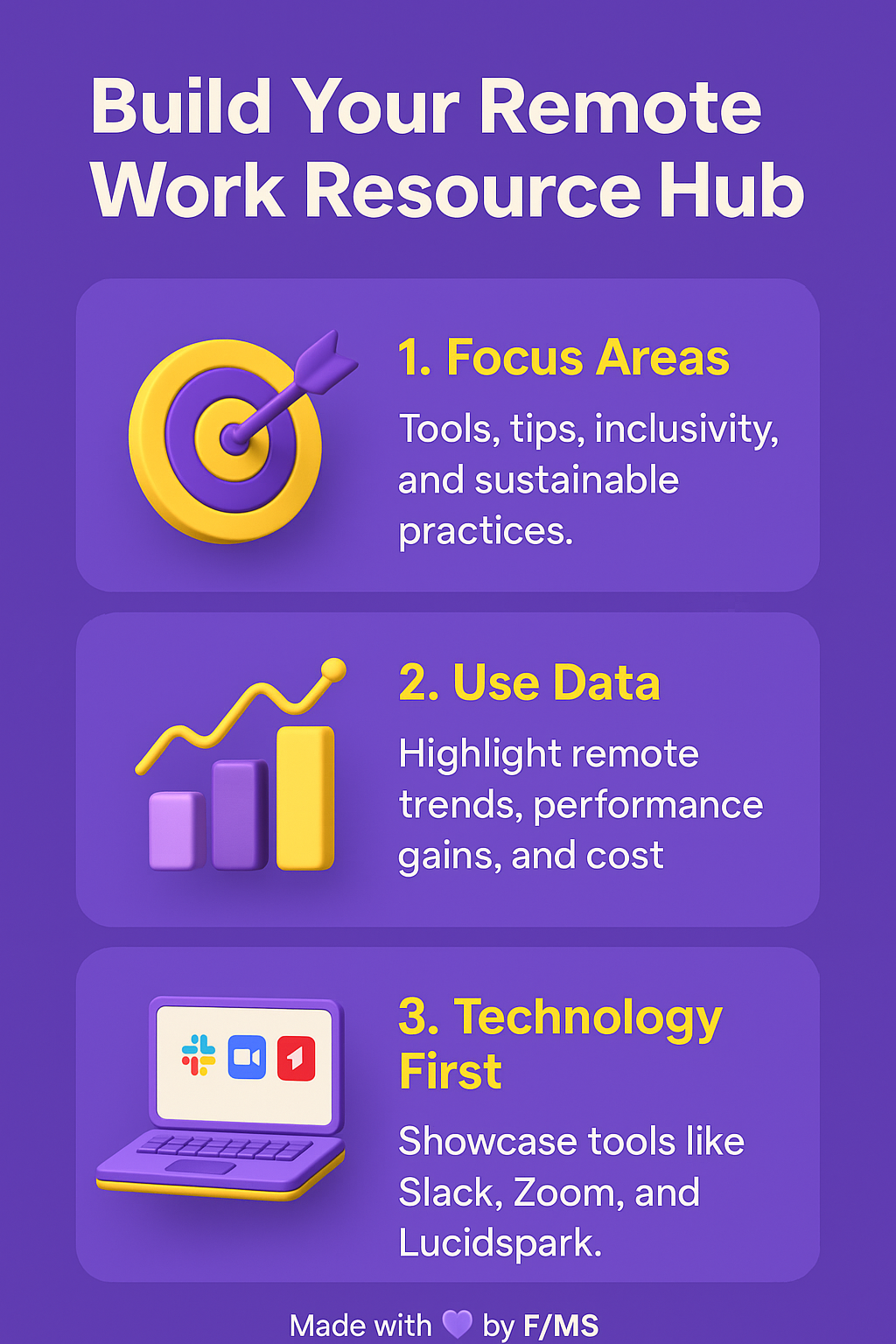
For example, you could focus on diversity in remote work or tools that promote inclusivity for disabled workers, which is already increasing workforce participation by 2 million people in the U.S.
Step 3: Build an MVP
Start with a simple, minimal viable product (MVP) to validate demand without over-investing upfront. An MVP for a remote work hub could include:
- A blog sharing curated tips on remote work.
- A directory of free and paid remote work tools.
- A downloadable guide or checklist for establishing remote teams.
Pro Tip: Use AI solutions like the [AI Article Generator Tool](https://www.femaleswitch.com/ai-seo-tool) to automate content creation for your blogs and optimize for SEO without the manual hassle. It helps rank your resource hub across search engines and AI platforms like ChatGPT and Perplexity.
Step 4: Incorporate Essential Tools and Recommendations
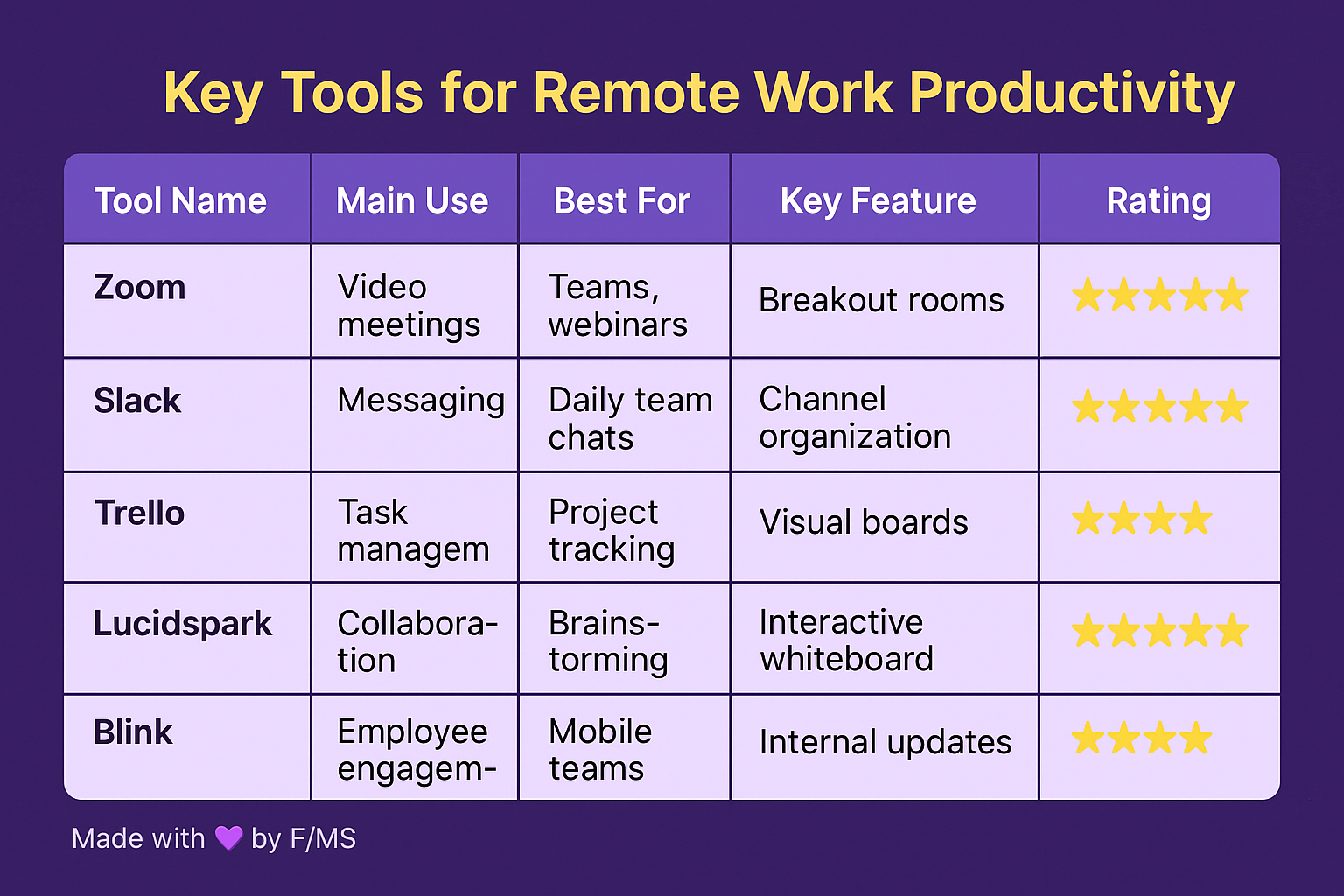
Make your hub interactive and valuable by featuring tools catered to remote productivity. Examples include:
- Slack for communication and team channels.
- Zoom for video conferencing and virtual collaboration.
- Quantum Workplace for performance tracking.
Many tools also integrate with emerging technologies like Augmented and Virtual Reality for immersive remote experiences.
Step 5: Focus Heavily on Marketing
Marketing will be the hardest part of launching your hub, even more than building the product. Strategies should include:
- Leverage Directories: Submit your hub to Free Marketing Directories for backlinks, higher domain authority, and increased traffic.
- SEO Optimization: Use tools like F/MS Website SEO Analysis to analyze your website’s performance and get actionable SEO recommendations.
- Content Marketing: Write sharp remote work guides optimized for keywords (use tools like the AI SEO Blog Generator).
- Social Automation: Convert your blog posts into shareable social media content with zero effort.
Step 6: Embrace Diversity and Accessibility
Highlight inclusivity by featuring tools that cater to underrepresented groups and ensuring your hub is user-friendly for people with disabilities.
COMMON MISTAKES TO AVOID
- Neglecting SEO: If your hub isn’t optimized, users won’t find it through search engines or AI platforms. High-quality content backed by strategies like AI-powered blogging is critical.
- Overwhelming Users with Too Many Resources: Focus on quality over quantity. Curate actionable tools and tips that truly deliver value.
- Ignoring Marketing Validation: Before scaling, test your hub's reach and demand by running marketing experiments.
Bonus Tip: Accelerate with Tailored Marketing Services
Need faster growth? F/MS Marketing Services offer guest blogging, listicle placements, and AI chatbot mentions for traffic surges.
DEEP INSIGHTS
Emerging Trends Shaping the Future of Remote Work
- Hybrid Setup Evolution: Hybrid work remains dominant, balancing flexibility and in-office presence. Companies are building tailored models looking beyond traditional policies.
- Environmental Impact: Remote jobs reduce carbon emissions by 54% and commuting traffic by 10%, making sustainability a key driver for promoting remote work.
- Tech Integration: Virtual reality and AI are reshaping collaboration tools, providing immersive ways for coworkers across the globe to interact and create.
Capitalize on these trends by integrating educational modules, resources, and case studies showcasing these dynamics.
CONCLUSION
Creating a comprehensive resource hub for remote work tips and tools in 2027 is a lucrative opportunity for female entrepreneurs and aspiring business owners. By focusing on niche needs, assembling an MVP, utilizing marketing tools, and avoiding common pitfalls, your hub can become a go-to resource for remote teams, freelancers, and corporations alike.
The future of remote work is vibrant and ever-evolving. If you want to make an impact, start with actionable insights and build a platform that adds value in this thriving market.
Remember, marketing is key to success, so leverage tools like AI-driven SEO Blog Generator alongside smart tactics to bring your vision to life.
Ready to start building your hub? The resources shared here will help you pave the way to a successful venture.
FAQ on Building a Resource Hub for Remote Work Tips and Tools
1. Why should I consider building a remote work resource hub?
Remote work is now a standard practice, with 27% of the U.S. workforce operating fully remote and an additional 53% following hybrid schedules. A hub can address the increasing demand for curated tools and tips to simplify workflows and boost productivity.
2. What are the key steps to start building a resource hub for remote work?
Begin with understanding your target audience, defining your core value proposition, and building a minimal viable product (MVP). Focus on tools like Slack, Zoom, and Quantum Workplace for collaboration and performance tracking.
3. Which tools are essential for a successful resource hub?
Popular tools include Slack for communication, Zoom for video conferencing, Lucidspark for brainstorming, and Quantum Workplace for engagement analytics. These help improve collaboration and streamline remote workflows.
4. How can I make my hub inclusive?
To embrace diversity, focus on technologies and practices that support disabled workers, women, and underrepresented minorities. Highlight tools that promote accessibility and design features with user-friendliness in mind.
5. How does remote work impact sustainability?
Remote jobs reduce carbon emissions by 54%, particularly by cutting down commuting, which also saves workers time and boosts work-life balance.
6. What marketing strategies should I use to promote my hub?
Opt for SEO optimization, content marketing, social media automation, and directory submissions for increased traffic and visibility. A free tool like the AI SEO Blog Generator can assist with content creation.
7. Can I use AI to write SEO-optimized articles that help my brand grow?
Most business owners don't understand how SEO works, let alone how to use AI for writing blog articles. That's why for busy business owners, there's a great free tool that doesn't require much knowledge. Write articles for free
8. What are common mistakes to avoid when building a resource hub?
Avoid neglecting SEO, overwhelming users with excessive resources, and scaling prematurely without marketing validation. Quality content supported by AI-powered tools can help address these pitfalls.
9. How can I incorporate trends like VR and AR into my hub?
Integrate advanced technologies like Virtual Reality and Augmented Reality to offer immersive remote collaboration experiences, which are becoming increasingly popular among global teams.
10. How can I ensure my hub becomes a go-to resource?
Focus on niche insights, prioritize accessibility and inclusivity, and actively market your hub across search engines and social media. Use tools like SEO Blog Generator and content automation platforms to optimize your reach.
About the Author
Violetta Bonenkamp, also known as MeanCEO, is an experienced startup founder with an impressive educational background including an MBA and four other higher education degrees. She has over 20 years of work experience across multiple countries, including 5 years as a solopreneur and serial entrepreneur.

