
TL;DR: Will AI app builders share Bubble's fate?
Bubble's co-CEOs announced layoffs on 17 November 2026. The AI app builders that took its spotlight are far bigger on revenue: Lovable passed $500 million in annual recurring revenue in June 2026 (as reported) and Base44 is nearing $250 million. They also carry risks of their own: their products run on AI models rented from rivals that now build apps themselves, and only about 1 in 10 US Lovable payers from late 2025 still paid in mid-2026. Our advice: keep your code and data in your own hands, whatever you build with.
AI app builders such as Lovable, Replit, Bolt and Base44 took the spotlight Bubble once had, and the layoffs Bubble's co-CEOs announced this week make founders ask the obvious question: will they end up in the same place? This guide is for women founders, freelancers and first-time founders deciding how to build the first version of a product in 2026.
We have a stake in the answer. Fe/male Switch ran femaleswitch.app on Bubble for about five years, and Violetta Bonenkamp (MeanCEO) puts her view plainly: "We had femaleswitch.app on bubble for many years and back then it was a great choice, but with AI zero code like bubble makes zero sense." That is her opinion. Below are the numbers behind it, the counter-arguments, and a decision guide.
What happened at Bubble this week?
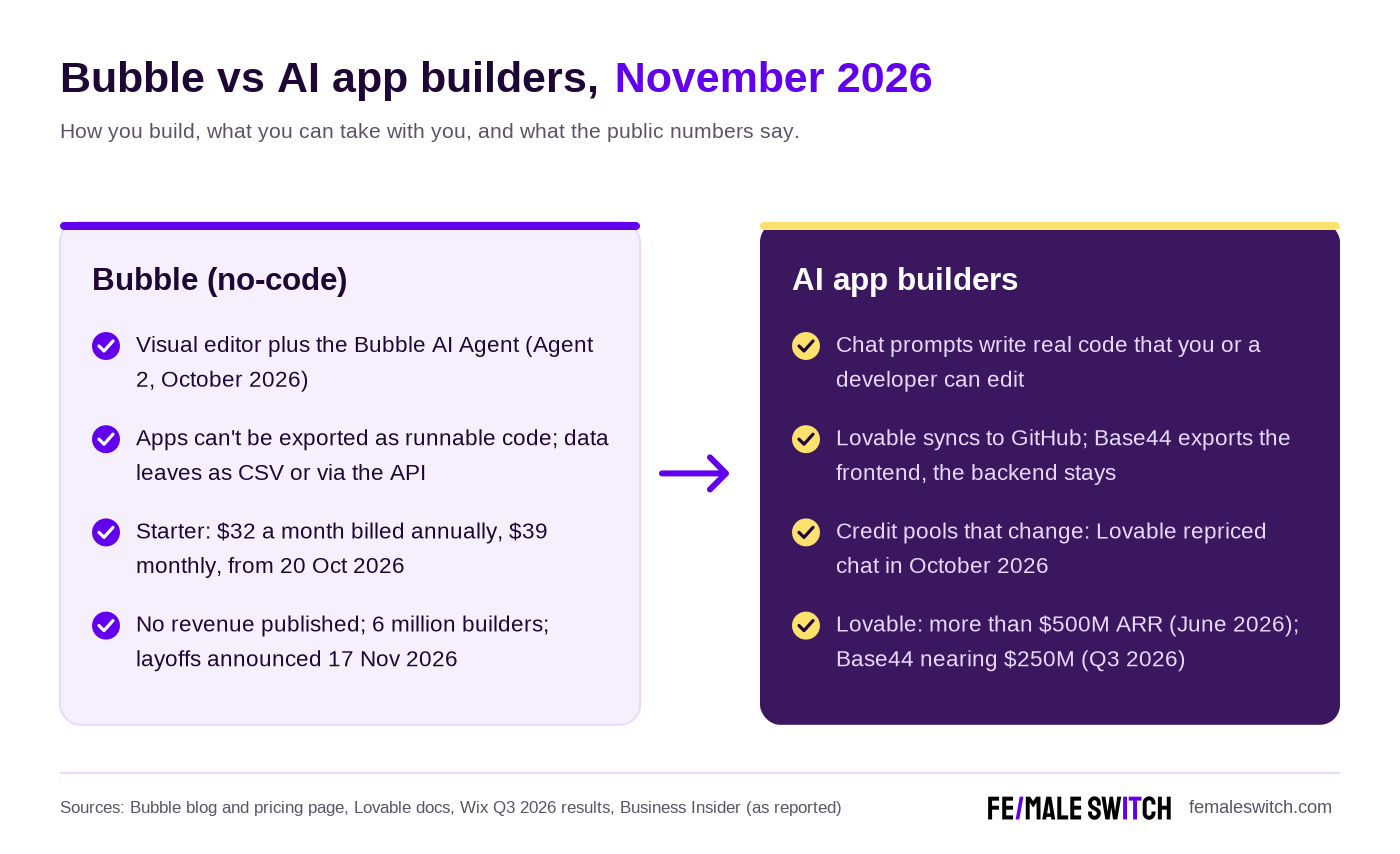
On 17 November 2026 co-CEOs Josh Haas and Emmanuel Straschnov announced on LinkedIn that Bubble was saying goodbye to colleagues "from across the company". They gave no headcount. Haas wrote that Bubble is "moving to smaller teams that own a problem from start to finish", building AI into how every team works and controlling costs across all operating expenses. Support and success teams are not affected, and the platform counts 6 million builders.
Bubble is shipping at the same time. Agent 2, a rebuilt Bubble AI Agent, arrived on 6 October 2026, and native mobile apps reached general availability on 12 November, with "more than 99.5% of iOS and Android users experiencing no crashes at all". From 20 October the web Starter plan rose to $32 a month billed annually (from $29), or $39 billed monthly. Bubble publishes no revenue figures.
How big are the AI app builders now?
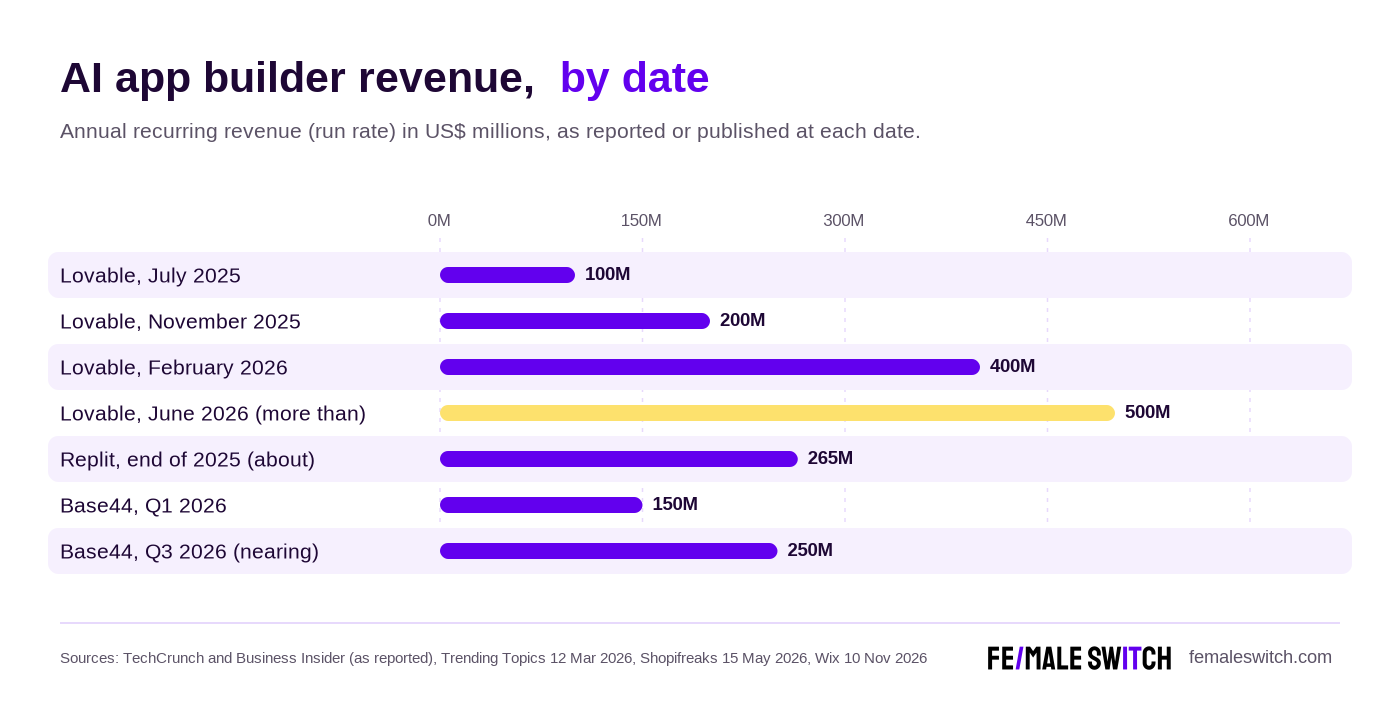
Far beyond any figure Bubble has published. Lovable reached $100 million in annual recurring revenue (ARR) in July 2025, $200 million in November 2025 and $400 million in February 2026, as reported by TechCrunch. In June 2026 Business Insider reported "more than $500 million". In August Lovable raised $400 million at a $13.3 billion valuation.
- Replit raised $400 million at a $9 billion valuation, had about $265 million ARR at the end of 2025 and targets $1 billion by the end of 2026.
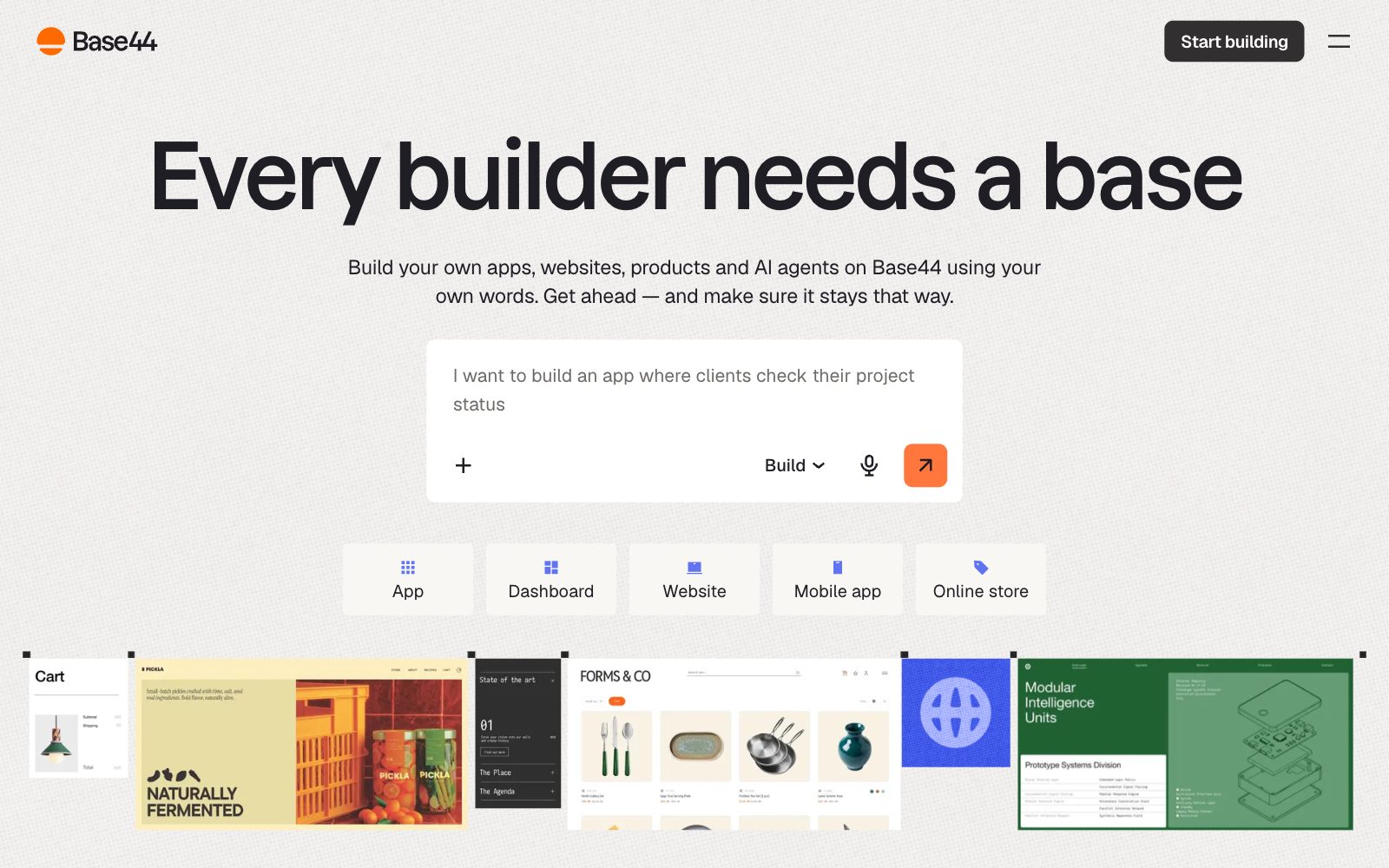
- Base44, owned by Wix, is nearing $250 million ARR (Wix, 10 November 2026).
- Cursor, the AI coding editor, passed $4 billion in annualized revenue in June 2026 (as reported by Dealroom), and SpaceX agreed to buy its maker Anysphere for $60 billion.
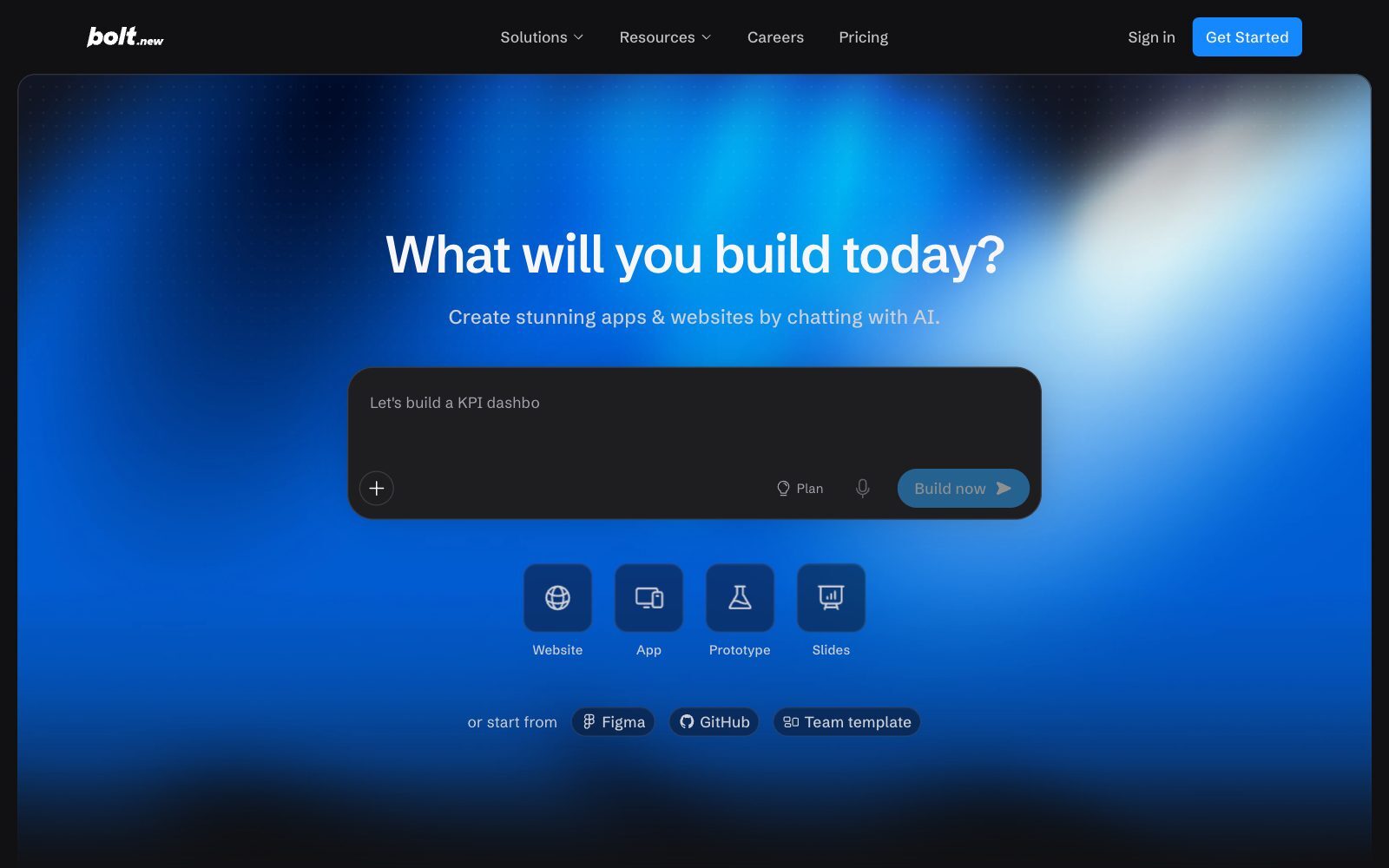
- Bolt.new has published no 2026 numbers at all.
Why could AI app builders still share Bubble's fate?
Revenue is the strong side. Four weak spots sit underneath it.
Do paying users stay?
YipitData's US receipt panel found 1,720 people who paid Lovable between September 2025 and January 2026. Only 168 (about 9.8%) still had a Lovable receipt in May to August 2026. The source warns that credit-based or annual billing can make irregular buyers look lapsed. Barclays data, reported by Business Insider, showed 2025 traffic down about 40% at Lovable, 64% at v0 and 27% at Bolt from their peaks. The counterpoint: Wix says Base44's earliest cohort kept users better than expected.
Who controls the AI models?
Bubble owns its editor. The AI builders rent their brains. Anthropic cut Windsurf's direct Claude access with less than five days of notice in June 2025, and Engadget reported in August 2026 that OpenAI would pull its models from Cursor on 12 November after the SpaceX deal. Mocha's founder told TechCrunch in 2025: "Margins on all of the 'code gen' products are either neutral or negative."
What happens when the labs build apps themselves?
Google AI Studio now builds native Android apps and lets users "deploy their first two apps to Google Cloud at no cost". OpenAI's Sites preview in Codex builds hosted internal apps, and more than 5 million people use Codex each week. The Information reported leaked screenshots of an app builder inside Claude in April 2026; Anthropic had not confirmed it at the time.
Who pays for prices and security?
Lovable merged build, Cloud and AI usage into one credit balance in July 2026, then priced chat per message in October. Base44's gross margin went from near zero in Q1 2026 to 58% in Q3, mostly by repricing. Bubble learned this lesson in 2023, when its workload pricing drew a 1,380-post forum thread.
Security lands on you too. CVE-2025-48757 let attackers read or write the database tables of Lovable-made sites, with a 9.3 out of 10 severity score; Lovable disputes it and says customers are responsible. Red Access found about 5,000 apps built with Lovable, Replit, Netlify and Base44 exposing potentially sensitive data. Add a Content Security Policy and keep AI API keys out of the frontend.
How do Bubble, Lovable, Replit, Bolt, Base44 and Cursor compare?
Code export decides how easily you can leave. Bubble says it plainly: "Visual workflows built in a proprietary editor can't be exported as runnable code", according to its own blog. Lovable's GitHub repository stays intact with all history if you disconnect.
Why did we leave Bubble after five years?
Bubble served us well. In December 2022 we wrote about how we built an AI tool using GPT-3 and Bubble in a few days, and femaleswitch.app ran on Bubble from at least October 2021 until October 2026.
On 19 October 2026 the public site moved to self-hosted WordPress. We kept all 3,480 URLs one-to-one, opened 793 pages to Google at launch and released about 2,700 more in batches. Since Bubble exports no runnable code, we exported the content, re-imported it and rebuilt the logic. The AI tools became our own WordPress plugin, written with Codex and running on Claude Haiku 5.5 with a capped AI budget of EUR 100 a month. We own every line of that code now.
Will AI app builders share Bubble's fate?
Violetta's take: no-code sold one thing, building software without writing code. AI made code cheap to write, so the reason to accept lock-in shrank. AI app builders give you the code, and that cuts both ways: you can leave them as easily as you joined, which fits the YipitData lapse numbers.
The fair counter-arguments: Bubble still has 6 million builders, native mobile and an AI Agent, and it pitches itself as "truly no-code" for people who never want to see code. Base44's margins show AI builders can fix their economics. Our bet: the survivors will own their customers and margins, and founders who own their code will switch cheaply if a tool fails.
Which should you choose: Bubble, an AI app builder or an AI coding agent?
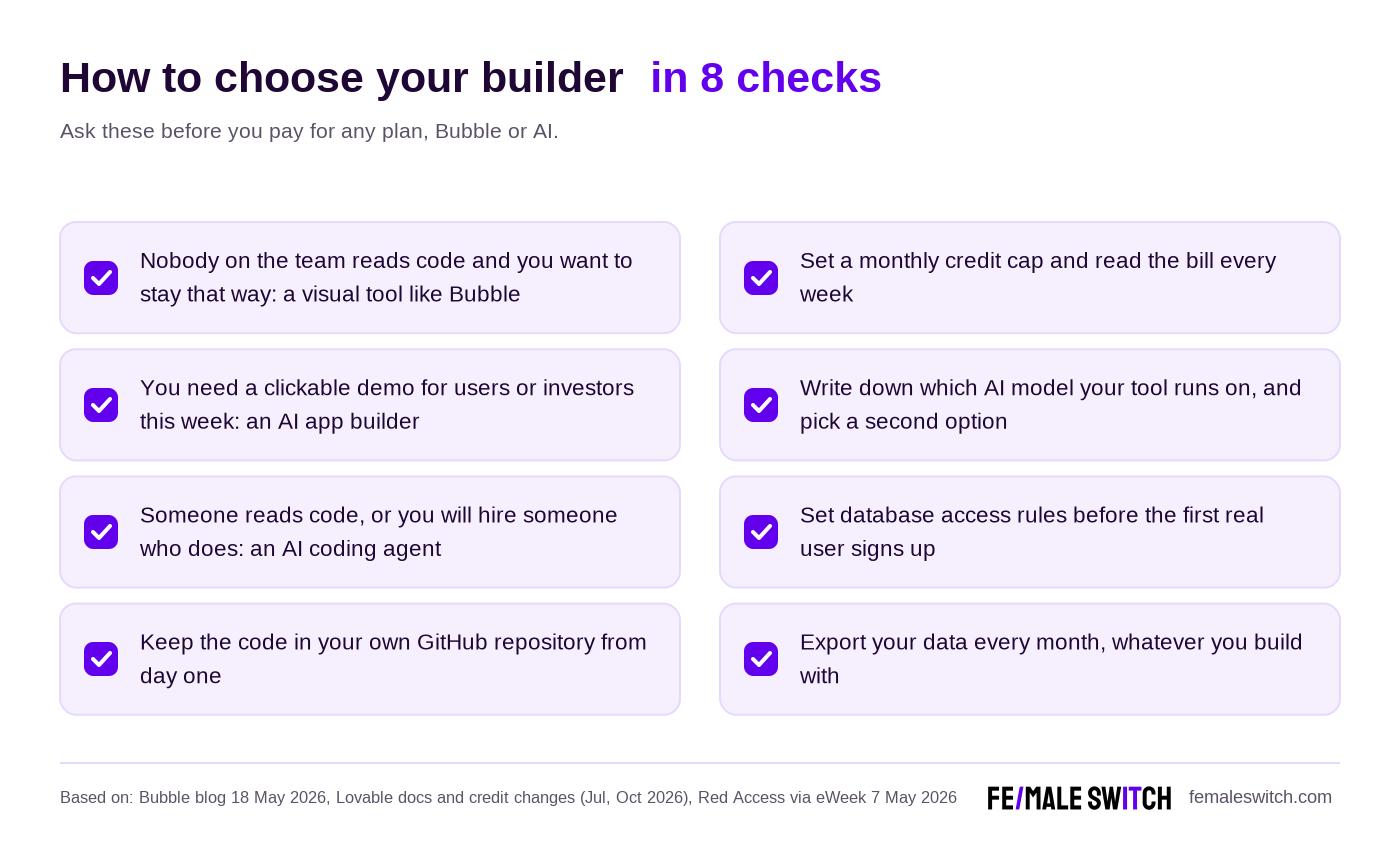
Bubble still fits when nobody on the team will ever read code, the app is mostly forms, lists and logins, and you accept staying on Bubble. Bubble says its Agent generates up to 10 new apps a month without credits.
An AI app builder fits when you need a working demo this week to test demand, as in our 30-day no-code launch plan. Connect GitHub on day one.
An AI coding agent fits when someone can read code, the product handles payments or personal data, or you plan to raise money. Weighing a lean business against a funded startup? Read solopreneur vs startup founder, and keep costs low with this AI build budget guide.
What this means for you
- Own the code: connect your own GitHub account before you write the first prompt.
- Own the data: export users and content every month, whatever the tool.
- Cap the credits: set a monthly budget and check the bill weekly; credit rules changed twice at Lovable in 2026.
- Know your model: note which AI model your builder runs on and test a second one.
- Lock the database: set access rules before real users sign up; vendors call configuration your job.
- Keep your URLs: host on your own domain so a move keeps your Google traffic, as our 3,480 URLs did.
Build your first startup with an AI co-founder
The Fe/male Switch startup game takes you from idea to first paying customers in weekly quests, with an AI co-founder and a community of founders.
👉 Start the game
FAQ: AI app builders and Bubble
Are AI app builders going to fail like Bubble?
Bubble cut staff on 17 November 2026 and still counts 6 million builders. AI app builders earn far more, and they rent their AI models from rivals that now build apps too.
Can I export my Bubble app's code?
No. Bubble's own blog says visual workflows can't be exported as runnable code. Data leaves as CSV or through the API, so leaving means rebuilding.
Which AI app builder lets me keep my code?
Lovable syncs both ways with GitHub, and the repository stays intact if you disconnect. Base44 exports the frontend as a ZIP or to GitHub, and Bubble says its backend stays on Base44.
Are apps built with AI app builders secure?
Only as secure as your settings. Red Access found about 5,000 exposed apps, and vendors called configuration the user's job. Set database access rules and keep keys on the server.
Is Bubble still a good choice in 2026?
For founders who never want to touch code, yes. Native mobile reached general availability on 12 November 2026, and Starter costs $32 a month billed annually or $39 monthly.
How much does it cost to start?
Bubble has a free plan. Bubble's November comparison lists Replit from $20 a month and Bolt Pro at $25. Google AI Studio deploys your first two apps to Google Cloud at no cost.
- Bubble layoffs: what the co-CEOs announced and what it means for builders (MeanCEO)
- SaaS is dead? Which software survives and what bootstrappers should build (MeanCEO)
- Zapier vs Make vs n8n: who survives the AI-agent era (Fe/male Switch)
- AI layoffs and the solo founder boom: what laid-off women in Europe can build in 30 days (Fe/male Switch Foundation)
- Leaving Bubble: why we moved femaleswitch.app after five years (Fe/male Switch Foundation)
About the Author
Violetta Bonenkamp, also known as MeanCEO, is an experienced startup founder with an impressive educational background including an MBA and four other higher education degrees. She has over 20 years of work experience across multiple countries, including 5 years as a solopreneur and serial entrepreneur. Throughout her startup experience she has applied for multiple startup grants at the EU level, in the Netherlands and Malta, and her startups received quite a few of those. She’s been living, studying and working in many countries around the globe and her extensive multicultural experience has influenced her immensely.

