
TL;DR: what is the safest business to start?
A low risk business is one where you can lose little money, owe little each month, and sell something people need even in a downturn. On our six-factor score, the safest options in 2026 are consulting in your own profession, pet care, tutoring, recurring cleaning and bookkeeping. No business is risk-free: about half of new US businesses close within five years. Lower your risk by keeping your income, pre-selling, insuring yourself and selling recurring services.
👉 Check your idea for free with the Idea Validator
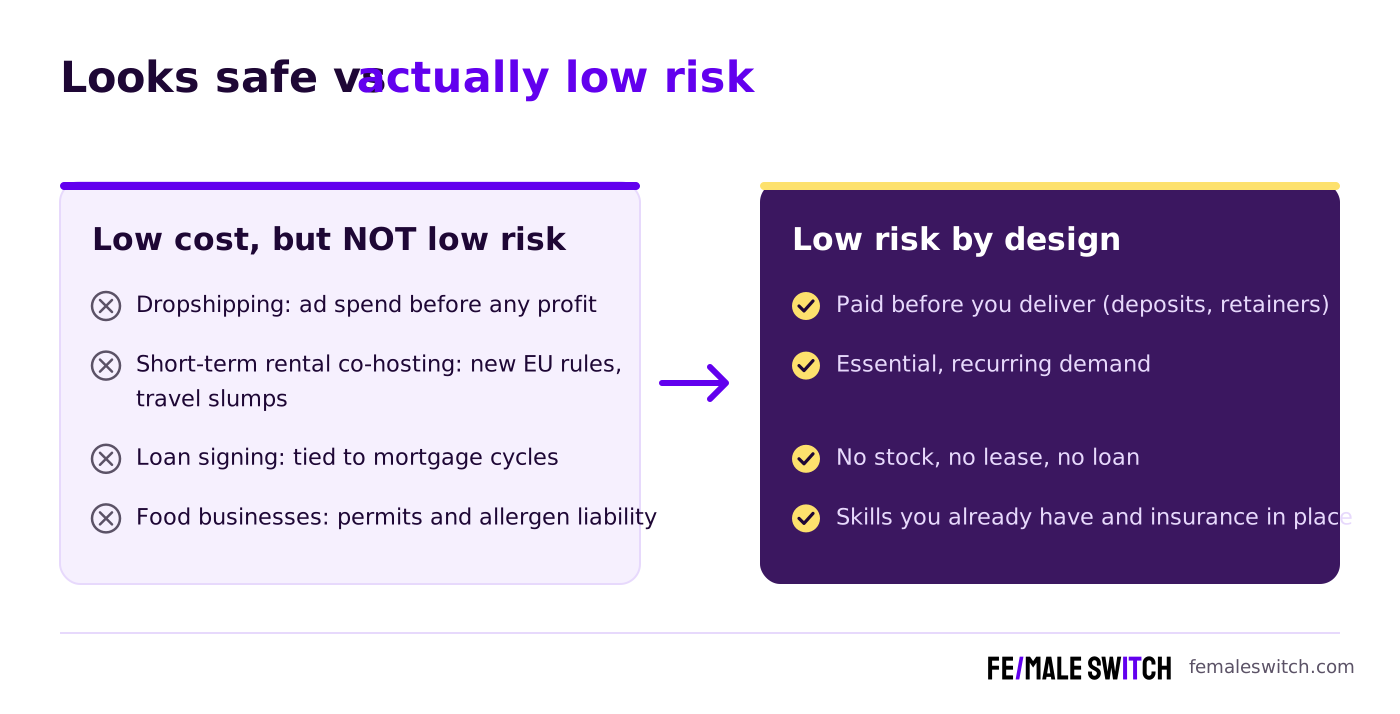
"Low risk" is the most common wish of first-time founders, and the most misunderstood. A cheap business is not automatically a safe one: dropshipping costs little to set up and can still burn your savings on ads. Real risk has four parts: money you can lose, monthly commitments you keep paying, demand that can disappear, and liability when something goes wrong.
This guide scores 15 business ideas on all four, using survival data from the US Bureau of Labor Statistics and Eurostat, the Federal Reserve's survey of small firms, and 2025–2035 job projections. If you mainly want the cheapest options, read our companion guide to the best low cost business to start. Recurring income lowers risk further: our sister site lists 12 low risk business ideas built on recurring revenue.
Prefer to see the money math? Our guide to small business ideas shows how many customers 25 local businesses need to reach £4,000 a month in sales.
Not sure which kind of business suits you? Our guide to business ideas shows where successful founders find theirs and lists 100 options by budget.
Updated October 2026. Method and sources are at the end.
What makes a business low risk?
A business is low risk when it scores well on six things. We weighted them by how often each one sinks small businesses:
- Money at risk (25%): how much you spend before your first sale, and how much you could recover by selling equipment.
- Fixed monthly costs (15%): rent, leases, loans and subscriptions you pay whether or not you earn.
- Demand stability (20%): whether people need the service in a recession (essential) or cut it first (discretionary).
- Recurring revenue (15%): weekly or monthly clients instead of one-off sales.
- Liability and regulation (15%): licences, safety rules and how badly a mistake could cost you.
- AI and platform exposure (10%): how easily software or a single platform could take your income away.
Each factor is rated 1–5 (5 = safest) and combined into a safety score out of 100. The ratings are our editorial judgement, based on the data cited for each idea.
Which industries have the lowest failure rates?
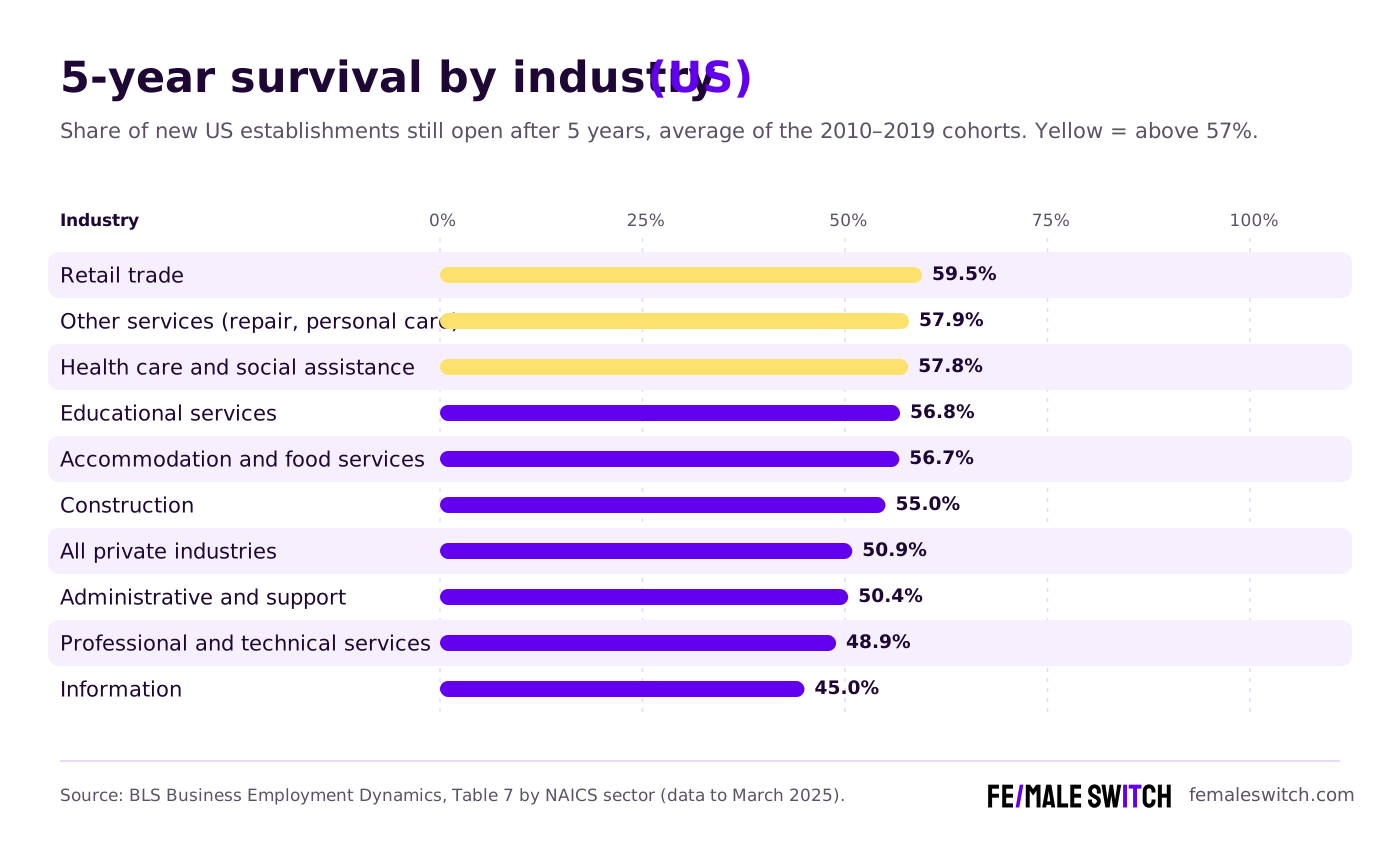
Survival data gives a reality check. In the US, 77.9% of new establishments survive their first year, 51.4% reach five years and 34.7% reach ten, according to BLS Business Employment Dynamics. In the EU, 80.5% of businesses survive year one and 57.2% reach year three, according to Eurostat business demography data.
Sources: BLS Business Employment Dynamics Table 7 (establishments, data to March 2025); Eurostat bd_size, EU-27, reference year 2024.
Three insights matter more than the ranking:
- The business model beats the sector. Every US sector sits between 45% and 60% five-year survival. How much you commit upfront and every month decides more than which industry you pick.
- Recurring, regulated services last longer. In the EU, accounting, bookkeeping and tax firms (72.4%), veterinary practices (72.5%) and health activities (68.0%) have the best three-year survival. Online retail (47.3%) and market stalls (42.8%) have the worst.
- Solo is cheaper, not automatically safer. EU businesses with no employees survive three years less often (55.4%) than those with 1–4 staff (65.3%). Low overhead limits your losses; it doesn't guarantee demand.
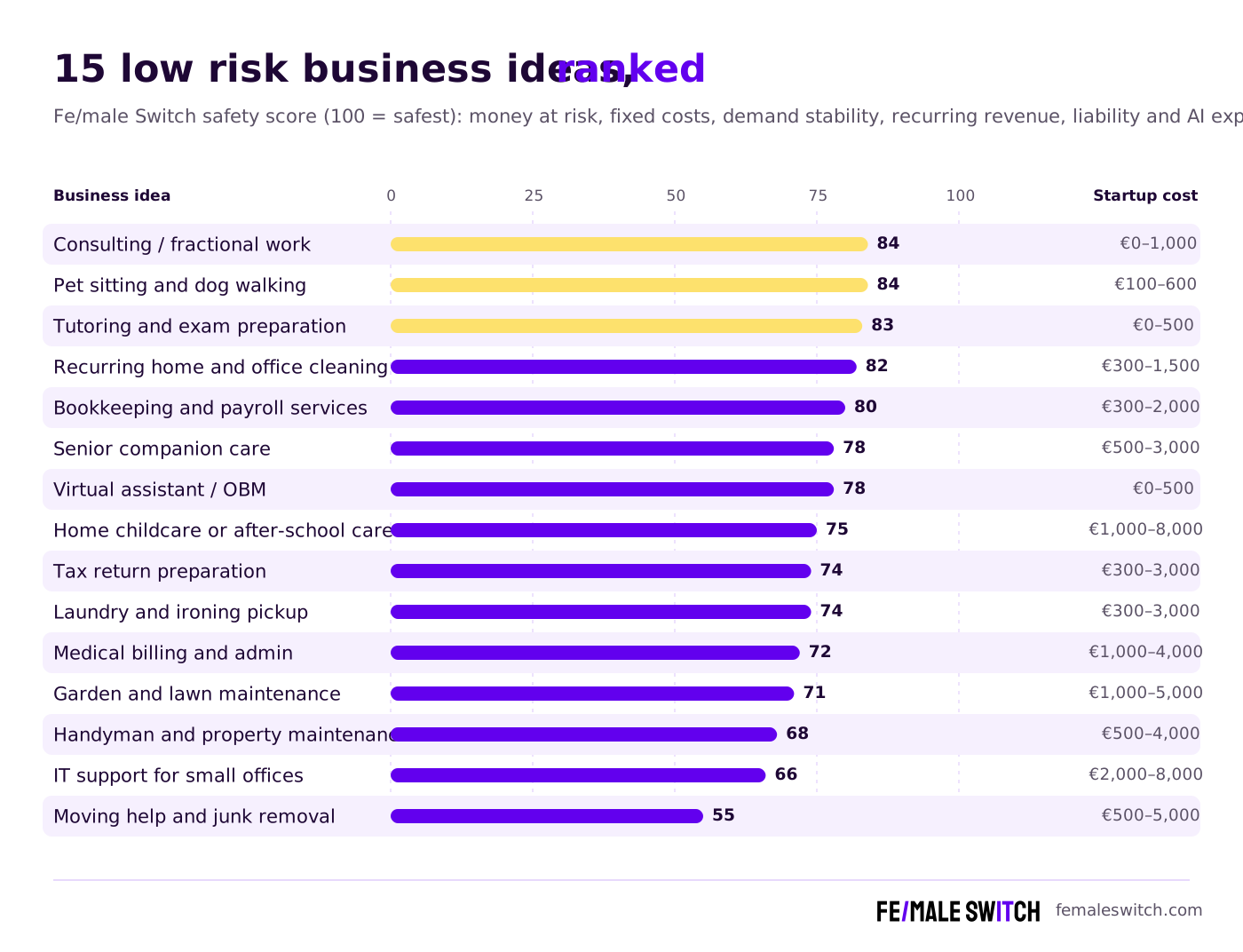
15 low risk business ideas, ranked by safety score
1. Consulting or fractional work in your profession
Your experience in finance, HR, marketing, engineering or operations is the product. Companies increasingly hire part-time "fractional" leaders instead of full-time staff, and you need no stock, premises or loan.
- Safety score: 84/100 (money at risk: very low, liability: low, AI exposure: low)
- Startup cost: €0–1,000; fixed costs about ~€100 a month
- What you can charge: Fractional CFOs typically charge €4,000–8,000 a month per client (vendor survey); day rates in other fields vary widely.
- Demand: BLS projects management analyst jobs to grow 10% by 2035, with 14% already self-employed.
- Main risk and fix: Clients cut consultants early in downturns. Insist on a 3-month minimum term, carry professional indemnity insurance and keep several clients.
Our AI for startups workshop shows how consultants automate admin so they can sell more billable hours.
2. Pet sitting and dog walking
Pet owners need care every week, and the work can't be automated. You can start with a platform profile and insurance.
- Safety score: 84/100 (money at risk: very low, liability: high, AI exposure: very low)
- Startup cost: €100–600; fixed costs about ~€40 a month
- What you can charge: About $21 for a 30-minute walk on average in the US (Rover data), more for overnight stays.
- Demand: BLS projects 11% growth in animal care jobs by 2035; a quarter of animal caretakers are self-employed.
- Main risk and fix: Bites, injuries and lost pets. Get pet-care liability insurance, use signed service agreements with vet authorisation, and keep group walks small.
3. Tutoring and exam preparation
Almost nothing to lose: you sell knowledge you already have, often as term packages paid upfront.
- Safety score: 83/100 (money at risk: very low, liability: medium, AI exposure: medium)
- Startup cost: €0–500; fixed costs about ~€30 a month
- What you can charge: Private rates are typically above the BLS median tutor wage of about $21 an hour; exam prep and special educational needs pay most.
- Demand: Steady but flat (BLS projects 0% change and 34,200 openings a year). In-person and exam tutoring hold up best against AI.
- Main risk and fix: Safeguarding when you work with children. Get a background check (DBS in the UK, VOG in the Netherlands) and liability insurance.
4. Recurring home and office cleaning
Weekly or fortnightly cleaning is an essential, repeat service, and small offices sign contracts that rarely change.
- Safety score: 82/100 (money at risk: low, liability: medium, AI exposure: very low)
- Startup cost: €300–1,500; fixed costs about ~€60 a month
- What you can charge: A standard US home visit averages about $175 (HomeAdvisor); recurring visits are often $80–150.
- Demand: BLS expects about 321,800 openings a year for cleaners. EU cleaning firms reach 55% three-year survival.
- Main risk and fix: Damage or theft claims and injuries. Carry liability insurance and a bond, use checklists, and stay fully legal: in markets with undeclared work, being insured is your selling point.
5. Bookkeeping and payroll services
Every business must keep books and run payroll, and clients pay a monthly retainer. EU bookkeeping firms have one of the best survival rates of any sector (72.4% after three years).
- Safety score: 80/100 (money at risk: low, liability: medium, AI exposure: high)
- Startup cost: €300–2,000; fixed costs about ~€120 a month
- What you can charge: Outsourced bookkeeping averages around $300 a month per client in the US (NerdWallet), with premium packages above $1,000.
- Demand: AI is the catch: BLS projects bookkeeping clerk jobs to fall 6% by 2035, while accountant jobs grow 5%.
- Main risk and fix: Errors that lead to penalties. Use an engagement letter that limits scope, professional indemnity insurance, and sell advice and clean-up, not just data entry. Check national rules on AML supervision and tax filing.
Price as a monthly package from day one; the Business Plan Generator helps you model clients, hours and margin.
6. Senior companion care (non-medical)
Ageing populations create the strongest long-term demand on this list, and human presence is the product.
- Safety score: 78/100 (money at risk: medium, liability: high, AI exposure: very low)
- Startup cost: €500–3,000; fixed costs about ~€100 a month
- What you can charge: US median costs are about $33–34 an hour for homemaker and home health aide services (Genworth/CareScout 2024).
- Demand: BLS projects 18% growth for home health and personal care aides by 2035; services for the elderly will add 625,400 jobs, more than any other industry. In the EU, 22% of people are already 65+.
- Main risk and fix: Licensing, safeguarding and liability. Stay strictly non-medical, get abuse and liability cover, run background checks and use written care plans.
7. Virtual assistant or online business manager
No money at risk and clients on monthly retainers, but AI is reshaping admin work quickly.
- Safety score: 78/100 (money at risk: very low, liability: low, AI exposure: very high)
- Startup cost: €0–500; fixed costs about ~€40 a month
- What you can charge: Roughly $15–40 an hour for Western clients; online business managers charge more.
- Demand: BLS projects administrative assistant jobs to fall 2% by 2035, and office support overall to shrink by 752,100 jobs.
- Main risk and fix: AI and client concentration. Sell operations and AI-tool setup rather than tasks, sign a data-processing agreement and keep 3+ clients.
8. Home childcare or after-school care
Working parents need childcare every week, and a home-based service uses space you already have.
- Safety score: 75/100 (money at risk: medium, liability: very high, AI exposure: very low)
- Startup cost: €1,000–8,000; fixed costs about ~€100 a month
- What you can charge: Family childcare averages about $344 a week in the US (Care.com).
- Demand: 24% of US childcare workers are self-employed and there are about 150,300 openings a year.
- Main risk and fix: The highest liability on this list. Get licensed (registered childminder in the UK, assistante maternelle in France), take dedicated insurance and follow staff ratios.
9. Tax return preparation
Tax filing is compulsory and comes back every year. In the US, 57% of individual taxpayers used a paid preparer in 2024 (GAO).
- Safety score: 74/100 (money at risk: low, liability: medium, AI exposure: high)
- Startup cost: €300–3,000; fixed costs about ~€80 a month
- What you can charge: A US itemised return with state filing averages roughly $270 (NSA survey).
- Demand: Non-discretionary demand, but AI-powered tax software is improving fast.
- Main risk and fix: Seasonal cash flow and preparer penalties. Add year-round bookkeeping, carry professional indemnity insurance and follow data-security rules.
10. Laundry and ironing pickup
Laundry is a weekly need that suits subscriptions. Partner with an existing laundromat so you don't buy machines.
- Safety score: 74/100 (money at risk: medium, liability: medium, AI exposure: very low)
- Startup cost: €300–3,000; fixed costs about ~€80 a month
- What you can charge: Wash-and-fold typically costs $1.45–2.95 per pound in the US, plus pickup fees.
- Demand: Steady household demand; thin margins reward route density.
- Main risk and fix: Lost or damaged items. Put liability limits in your terms, tag every garment and insure goods in your care.
11. Medical billing and healthcare admin
Medical billing is tied to healthcare, which kept adding jobs through the 2008–09 recession, and is paid as a share of collections every month.
- Safety score: 72/100 (money at risk: medium, liability: high, AI exposure: high)
- Startup cost: €1,000–4,000; fixed costs about ~€120 a month
- What you can charge: Typically 4–10% of collections, usually 5–8% (vendor estimates).
- Demand: BLS projects 8% growth for medical records specialists by 2035.
- Main risk and fix: Privacy law and coding errors. Get certified, sign data-protection agreements (HIPAA in the US, GDPR in the EU) and carry cyber insurance.
12. Garden and lawn maintenance
Garden maintenance repeats every season and clients sign annual contracts. 20% of US grounds workers are self-employed.
- Safety score: 71/100 (money at risk: medium, liability: medium, AI exposure: very low)
- Startup cost: €1,000–5,000; fixed costs about ~€100 a month
- What you can charge: US lawn care averages about $123 per visit (HomeAdvisor).
- Demand: BLS projects 5% growth by 2035 with 162,500 openings a year.
- Main risk and fix: Seasonality and equipment cost. Sell year-round contracts (leaves, hedges, winter work), buy used equipment and outsource chemical treatments that need a licence.
13. Handyman and property maintenance
Homes keep ageing and repairs never stop; retainers with landlords and property managers add recurring work.
- Safety score: 68/100 (money at risk: medium, liability: high, AI exposure: very low)
- Startup cost: €500–4,000; fixed costs about ~€80 a month
- What you can charge: Around $60–70 an hour in the US on average (HomeAdvisor).
- Demand: BLS projects 4% growth for maintenance and repair workers, with 148,700 openings a year.
- Main risk and fix: Injuries and licence thresholds. Stay below the job value that needs a contractor licence, refer out electrical and gas work, and carry liability insurance.
14. IT support for small offices
Small offices without IT staff pay a monthly fee per user, and security needs keep growing.
- Safety score: 66/100 (money at risk: high, liability: high, AI exposure: medium)
- Startup cost: €2,000–8,000; fixed costs about ~€200 a month
- What you can charge: Roughly $100–250 per user per month for managed support (vendor estimates).
- Demand: Essential demand, but BLS projects support specialist jobs to fall 3% as basic help-desk work automates. On-site and security work hold up.
- Main risk and fix: Liability for data breaches and higher startup costs. Use contracts with liability caps, cyber insurance and documented backups.
15. Moving help and junk removal
Moves, house clearances and renovations create steady jobs, but each client is usually one-off and volume follows the housing market.
- Safety score: 55/100 (money at risk: medium, liability: high, AI exposure: very low)
- Startup cost: €500–5,000; fixed costs about ~€150 a month
- What you can charge: US junk removal jobs average about $242 (HomeAdvisor).
- Demand: BLS projects 4% growth for hand labourers and movers, with 904,200 openings a year.
- Main risk and fix: Injuries, damage and waste rules. Rent vans instead of buying, carry liability insurance and register as a waste carrier where required.
Not sure which idea fits your skills?
Try the free Business Ideas Generator, then estimate your market with the Market Size Calculator.
What's the most you can lose? Worst-case scenarios
Startup cost is not the same as risk. The real question is what you lose if nobody buys in the first six months. Our worst case = non-recoverable startup spend + six months of fixed costs (your time not counted).
For the five safest ideas, the worst case is roughly €700–2,700, and even the costliest services on this list stay under about €9,000. Compare that with a franchise or a small shop, where leases, fit-out and stock often put tens of thousands at risk before the first customer.
Why do small businesses really struggle?
The Federal Reserve's 2026 Small Business Credit Survey of 6,500 US employer firms shows where the pressure comes from:
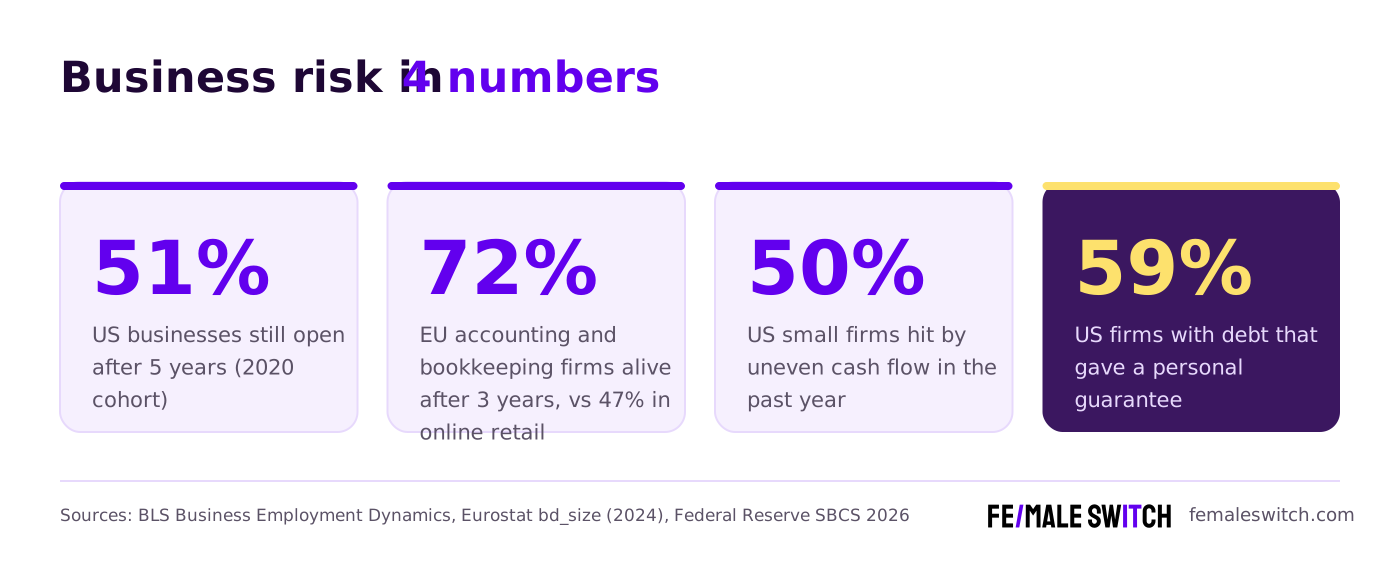
Only 47% of those firms were profitable at the end of 2024, and 59% of those with debt had signed a personal guarantee. The lesson for a low risk start: avoid fixed costs you can't switch off, get paid before you deliver, and never let borrowing make you personally liable for more than you can repay. If you do borrow, read how to pay off your first business loan before you sign.
Which businesses are recession proof?
None completely, but some come close. In the 2007–09 recession, US construction employment fell 13.7% a year while education and health services kept growing, and household spending fell in every major category except healthcare (BLS). The same pattern shows in the latest projections: healthcare and social assistance will create about 37% of all new US jobs from 2025 to 2035, according to the BLS employment projections.
2020 added an important nuance: "recession proof" is not "pandemic proof". In the Census Small Business Pulse Survey, 83.5% of restaurants and hotels reported a large negative effect in spring 2020, against 51.4% of small businesses overall, and even many health and education businesses had to close temporarily. The most resilient small businesses combine essential demand, recurring clients and low fixed costs, so they can shrink without going under.
Low cost is not low risk: businesses that look safe but aren't
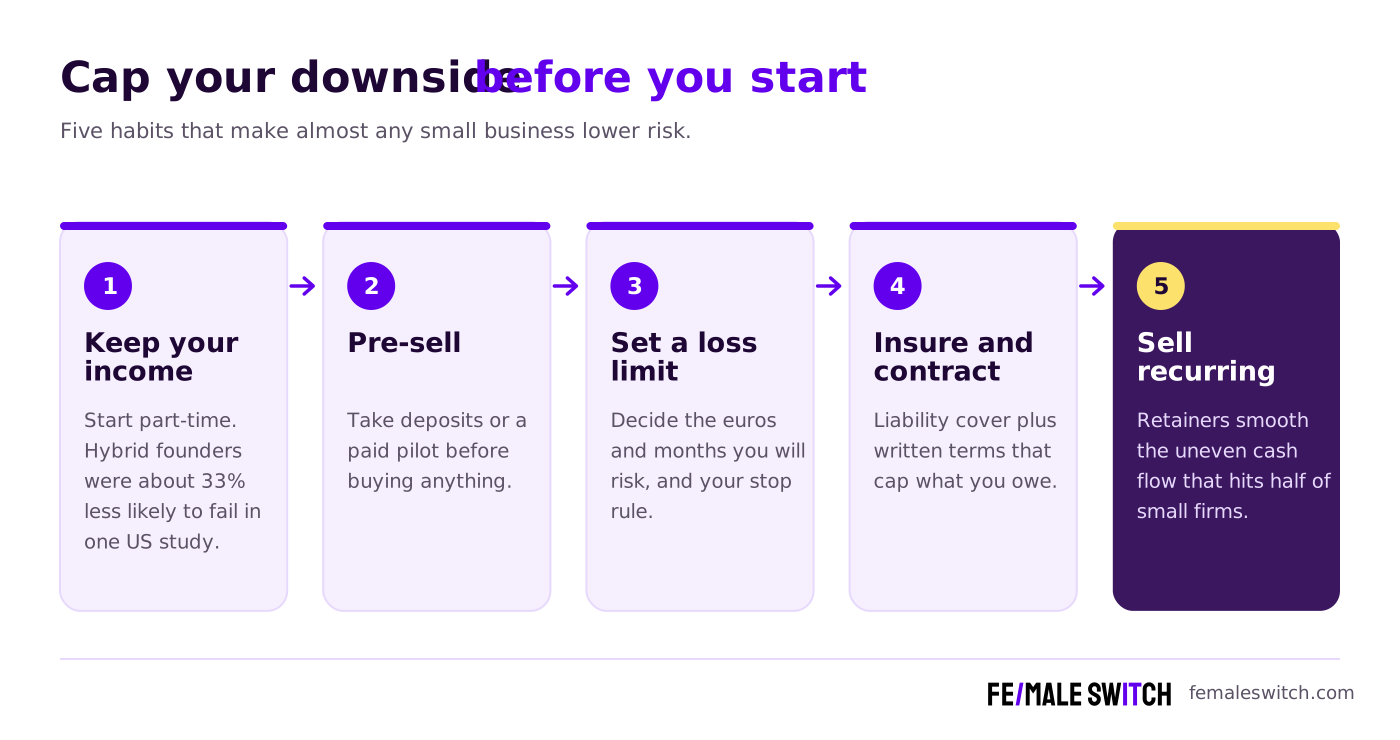
How to lower the risk of any business
A limited company (LLC, BV, GmbH, UG, SASU) usually limits your liability to what you put in, but not for debts you personally guarantee. In the EU, the restructuring and insolvency directive requires member states to give honest entrepreneurs a route to a full debt discharge within three years, so one failure does not have to follow you for life.
Before step one, map who you are selling to with the User Persona Generator, study the competition and set clear stop rules. The MeanCEO framework for recognising when bootstrapping isn't working helps you decide in time.
Low risk business ideas for women and first-time founders
Fear of failure is real, and it is not evenly spread. The GEM 2024/25 Women's Entrepreneurship Report found that 47.9% of women are undeterred by fear of failure, against 52.7% of men, with European women reporting the lowest confidence of any region. Women were also less likely to believe they have the skills to start (52.1% vs 62.7%).
The data is more encouraging than the confidence gap suggests: in 2024, 3.4% of women closed a business compared with 3.8% of men, and unprofitability was the main exit reason for both (29.4% vs 30.3%). Women were more likely to exit for family or personal reasons (21.0% vs 14.3%), which is one more argument for flexible, low-commitment models.
- Choose ideas you can pause. Retainers with a backup partner, bookable services and packages work better than businesses that need you every day. If you plan to run it from home, see the zoning, landlord and insurance checks in our guide to small business ideas from home.
- Use non-dilutive money first. Grants don't cost equity or require personal guarantees; see EU grants for startups.
- Check country costs. Registration and social security vary a lot across Europe; see bootstrapping costs by country.
- Practise first. The Fe/male Switch startup game lets you validate an idea and find customers with an AI co-founder, Elona Musk, at 0% risk.
Start low risk with an AI co-founder
Build your first business step by step, test demand before you spend, and learn alongside 6,000+ founders.
👉 Start building your first startup
Conclusion: the safest business is the one you can afford to be wrong about
Low risk comes from the business model more than the industry. The safest ideas in 2026 sell skills you already have, to customers who need them every week or month, with almost no upfront spending: consulting, pet care, tutoring, recurring cleaning and bookkeeping top our ranking. Whatever you choose, keep your income while you test, pre-sell before you buy, insure what can go wrong, and set your loss limit in advance.
Your next step: pick two ideas from the ranking, talk to ten potential customers this week and ask for a deposit. For more options, browse business ideas for women or learn the basics in the free startup school.
Methodology
Safety scores combine six editorial ratings (1–5) weighted as shown above; startup costs, fixed costs and recoverability are Fe/male Switch estimates at October 2026 prices.
FAQ: low risk business ideas
What is the safest business to start?
Service businesses that sell a skill you already have, to clients who pay regularly, are the safest. In our ranking, consulting in your profession, pet care, tutoring, recurring cleaning and bookkeeping score highest because they need little money, have low fixed costs and serve steady demand.
Which business has the lowest failure rate?
In US data, retail, other services (repair, personal care) and health care have the highest five-year survival at about 58–60%, and information businesses the lowest at about 45%. In the EU, accounting and bookkeeping firms (72.4%) and veterinary practices (72.5%) have the best three-year survival.
What percentage of new businesses fail?
In the US about 22% close in their first year, about 49% within five years and about 65% within ten (BLS). In the EU, 80.5% survive the first year and 57.2% the first three years (Eurostat).
What business is recession proof?
No business is fully recession proof, but essential services hold up best. Healthcare kept adding jobs in the 2007–09 recession, and bookkeeping, tax preparation, senior care, repairs and cleaning contracts are needed in good and bad times.
What is a low risk, high return business?
Consulting and fractional roles, bookkeeping and medical billing combine low startup costs with high value per client, because you sell expertise on a retainer. Returns depend on your skills and how many recurring clients you can serve.
Can I start a low risk business while keeping my job?
Yes, and it lowers your risk: in one US study, founders who started part-time were about 33% less likely to fail. Consulting, tutoring, bookkeeping, pet care at weekends and virtual assistance all work alongside a job; check your contract for side-business clauses.
How much money do I need to start a low risk business?
Most ideas in this guide start for under €2,000 and several for under €500. More important than the startup cost is keeping fixed monthly costs low, so a slow start can't push you into debt.
Should I set up a limited company to reduce risk?
A limited company usually protects your personal assets from business debts, but not from loans you personally guarantee, and it costs more to run. Many founders start as sole traders and incorporate once revenue is steady or liability grows.
Is a franchise low risk?
A franchise gives you a proven system, but fees, a lease and fit-out often put tens of thousands at risk before your first sale. Starting the same type of service independently and small is usually lower risk.
What are low risk business ideas for beginners?
Pet sitting, recurring cleaning, tutoring and virtual assistance need little experience, little money and no premises. They let you learn sales, pricing and customer service before you take bigger risks.
About the Author
Violetta Bonenkamp, also known as MeanCEO, is an experienced startup founder with an impressive educational background including an MBA and four other higher education degrees. She has over 20 years of work experience across multiple countries, including 5 years as a solopreneur and serial entrepreneur. Throughout her startup experience she has applied for multiple startup grants at the EU level, in the Netherlands and Malta, and her startups received quite a few of those. She’s been living, studying and working in many countries around the globe and her extensive multicultural experience has influenced her immensely.

