

San Francisco Startups to Watch in 2027: Verified Bay Area Companies in AI, Robotics, Fintech and Health Tech
San Francisco and the wider Bay Area are still where the biggest new technology companies start, and in 2027 most of them build artificial intelligence. The largest of them have already outgrown the word startup: Anthropic, based on Market Street in San Francisco, announced a Series H at a $965 billion post-money valuation on 28 May 2026 and filed for an initial public offering on 26 October 2026. This list is about the next layer: younger companies that are growing fast, hiring, and still worth learning from if you are building your own startup.
The 2026 version of this article listed ten names. When we checked them in November 2026, only two could be confirmed as Bay Area startups that still run on their own; others had been bought, gave no Bay Area base, or had no official website we could find. For this 2027 edition we checked every company on its own website or its own press release. What happened to the old names is listed near the end.
Quick answer: the San Francisco Bay Area startups to watch in 2027 are Harvey (legal AI), Sierra and Decagon (AI customer service agents), Glean (enterprise AI search), Vanta (security compliance), Figure AI (humanoid robots), Physical Intelligence (AI models for robots), Mercury (banking for startups) and Incredible Health (hiring for hospitals). For support, start with Y Combinator, Berkeley SkyDeck, StartX and the city's Office of Small Business.
Are you getting customers from ChatGPT yet?
More and more traffic is coming from Perplexity, ChatGPT, Grok and other AI tools.
👉 Rank on ChatGPT
Why San Francisco Still Matters for Founders in 2027
The Bay Area combines things no other region has in one place: Stanford and UC Berkeley, the largest pool of engineers who have already built AI products, investors who write very large cheques for early companies, and customers who try new software first. Y Combinator now runs its batches in person on its campus in San Francisco, and many of the companies below hire in offices within a few streets of each other in SoMa, the Financial District and the Mission. The cost is high: rent, salaries and competition for talent are the highest in the United States. That is why many founders start elsewhere and move to the Bay Area only when they raise money or need specific hires.
Compare San Francisco with other cities in our lists: San Diego, Sacramento, Stockton, Bakersfield, Chicago, Philadelphia, Cleveland and, in Europe, Munich. For the bigger picture, see our guides to startup cities in North America, cities for AI startups in North America and the top cities for AI startups worldwide.
San Francisco Bay Area Startups to Watch in 2027 Compared
Sources: each company's official website or its own press release, checked 4 November 2026.
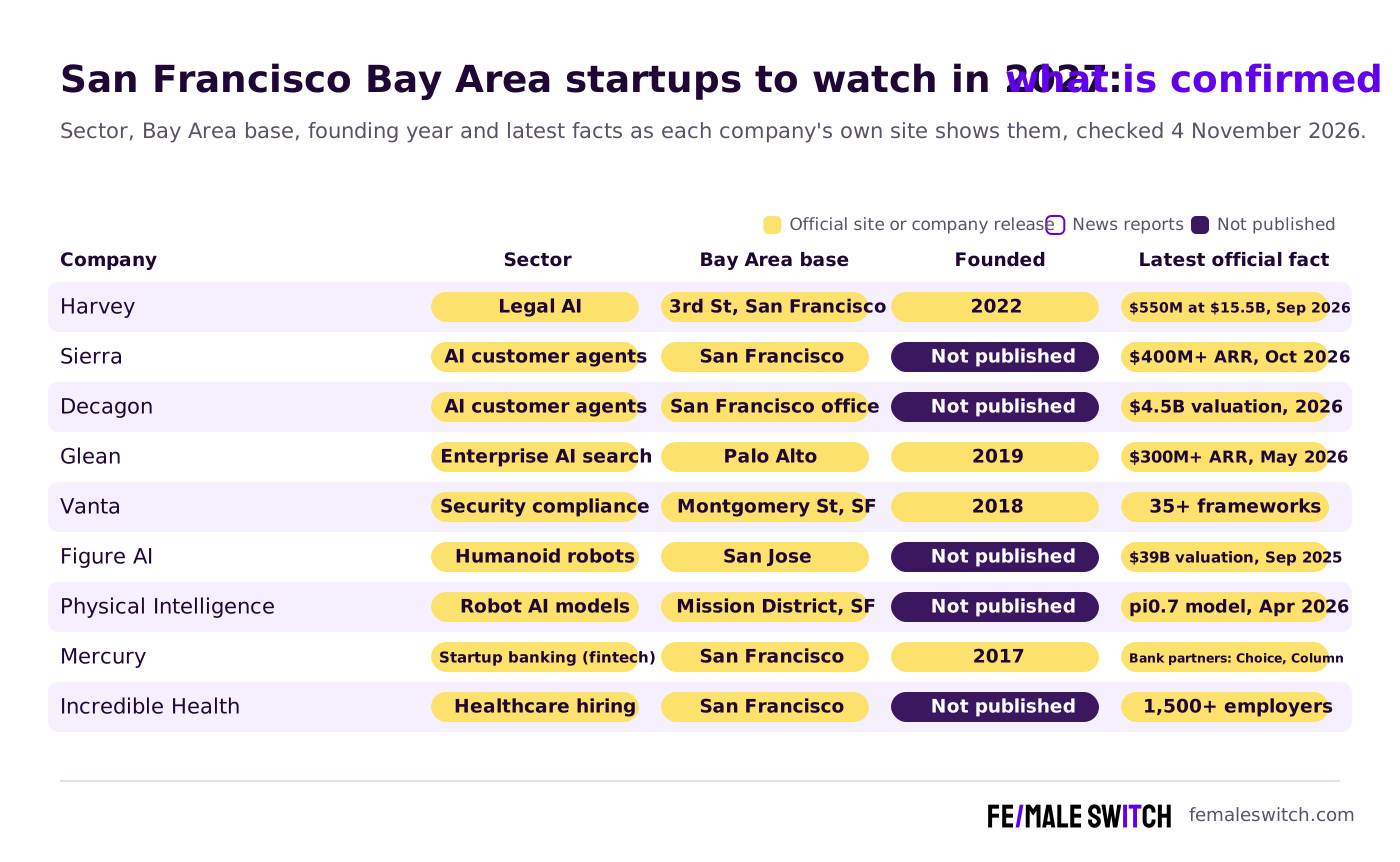
The San Francisco Bay Area Startups to Watch in 2027
1. Harvey: AI for lawyers
Harvey builds AI software for legal work: contract analysis, due diligence, compliance and litigation, for law firms and in-house legal teams. Its company page gives its address as 201 3rd Street in San Francisco and its founding year as 2022, and says it has more than 3,500 customers in more than 85 countries. On 9 September 2026 its co-founders Winston Weinberg and Gabe Pereyra announced a $550 million round at a $15.5 billion valuation, co-led by Diffusion and Lightspeed Venture Partners. The same post says 80% of Am Law 100 law firms use Harvey.
Lesson for founders: Harvey picked one profession with expensive hours and strict quality rules and went deep. A narrow, high-value customer group can be a faster route than a general tool for everyone.
Best for: founders in legal tech, professional services software and vertical AI.
2. Sierra: AI agents for customer experience
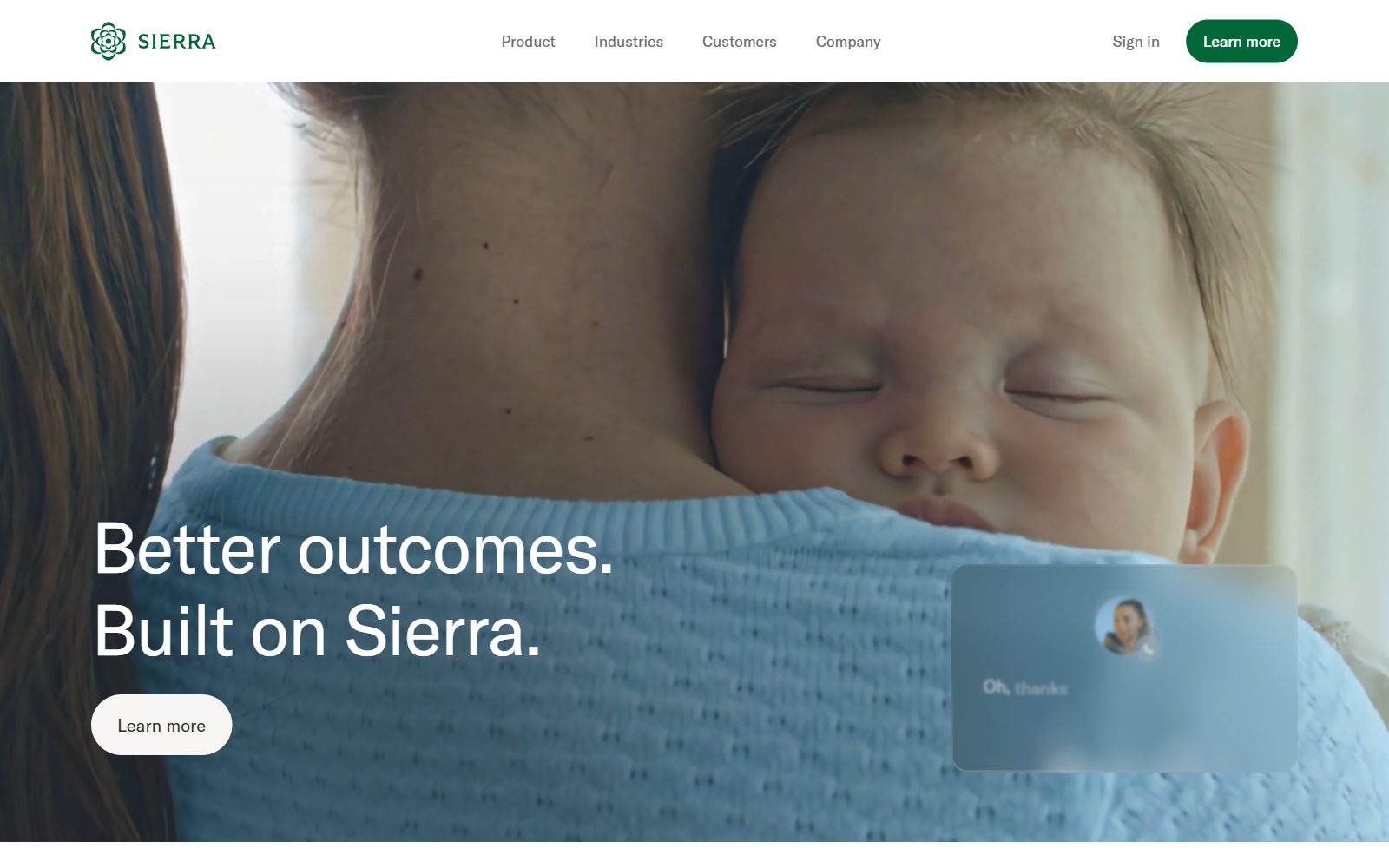
Sierra helps companies build AI agents that talk to their customers by chat and phone. It was co-founded by Bret Taylor, former co-CEO of Salesforce, and Clay Bavor, who spent 18 years at Google. Its about page lists offices from New York to Tokyo and calls San Francisco the place "where it all began". On 4 May 2026 it said it was raising $950 million at a valuation of over $15 billion, and on 30 October 2026 it reported more than $400 million in annual recurring revenue and work with almost half of the Fortune 50.
Lesson for founders: Sierra's founders had run large software companies before, and they sold to the biggest customers first. If your team has enterprise experience, use it from day one.
Best for: founders in customer service software, voice AI and enterprise sales.
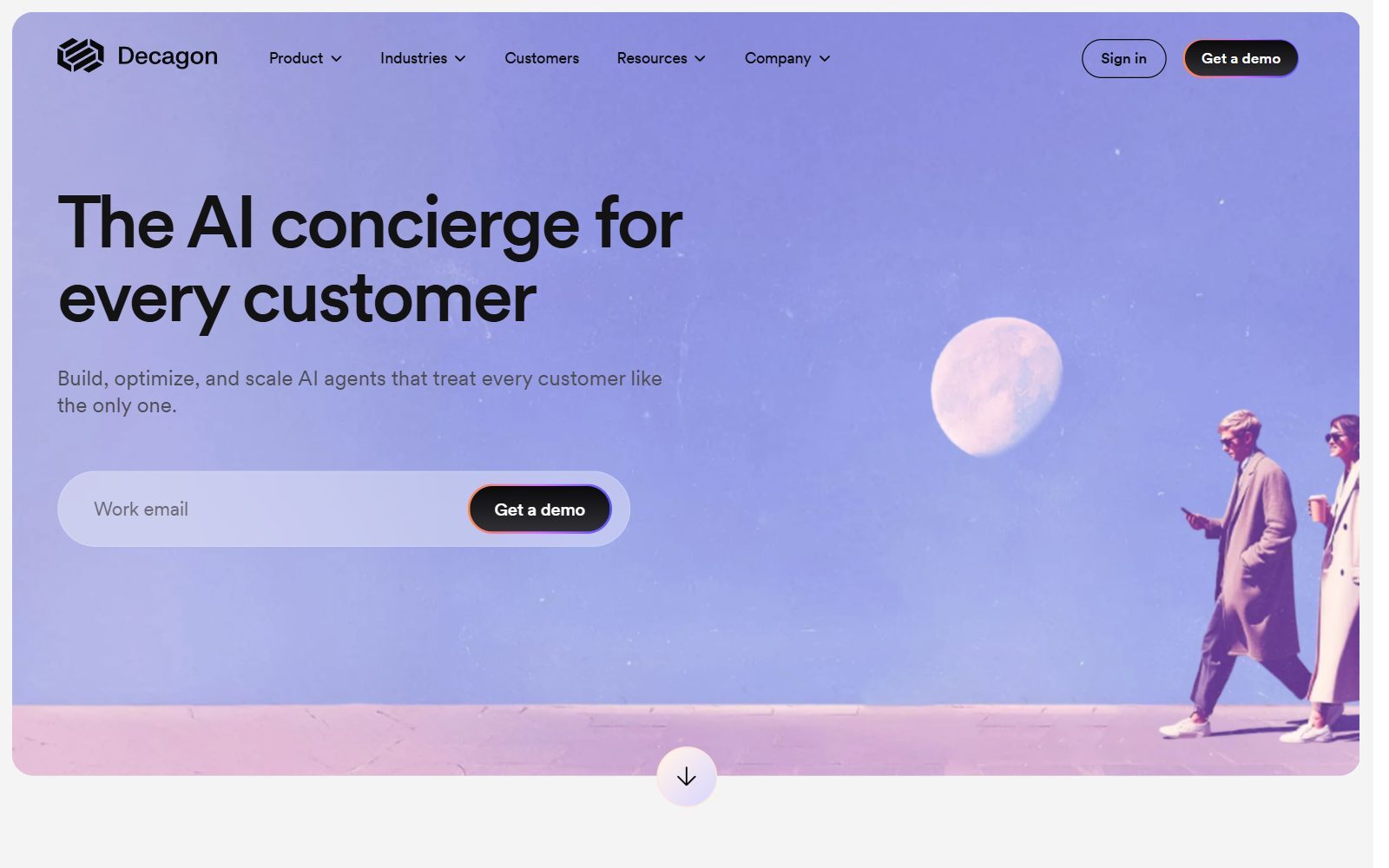
3. Decagon: an AI concierge for every customer
Decagon builds AI agents that handle customer conversations across voice, chat, email and SMS. Co-founders Jesse Zhang (CEO) and Ashwin Sreenivas (President) list customers such as Avis Budget Group, Chime, Oura and 1-800-FLOWERS.COM, and its careers page lists a San Francisco office. Its blog announced $250 million in Series D funding led by Coatue and Index Ventures, which tripled its valuation to $4.5 billion according to the January 2026 release it links, and in March 2026 it closed its first employee tender offer at the same valuation.
Lesson for founders: Sierra and Decagon sell into the same market and both grew fast. A crowded market is not a reason to stay out if buyers are spending now.
Best for: founders in AI agents, customer support and B2B SaaS.
Boost Your SEO by Getting Featured in Our Blogs and get a backlink.
We publish content about startups, education, tech, funding, etc. that ranks well not only in Google but also in Perplexity, ChatGPT, Grok and other AI tools.
👉 Get featured now!
4. Glean: AI that knows your company
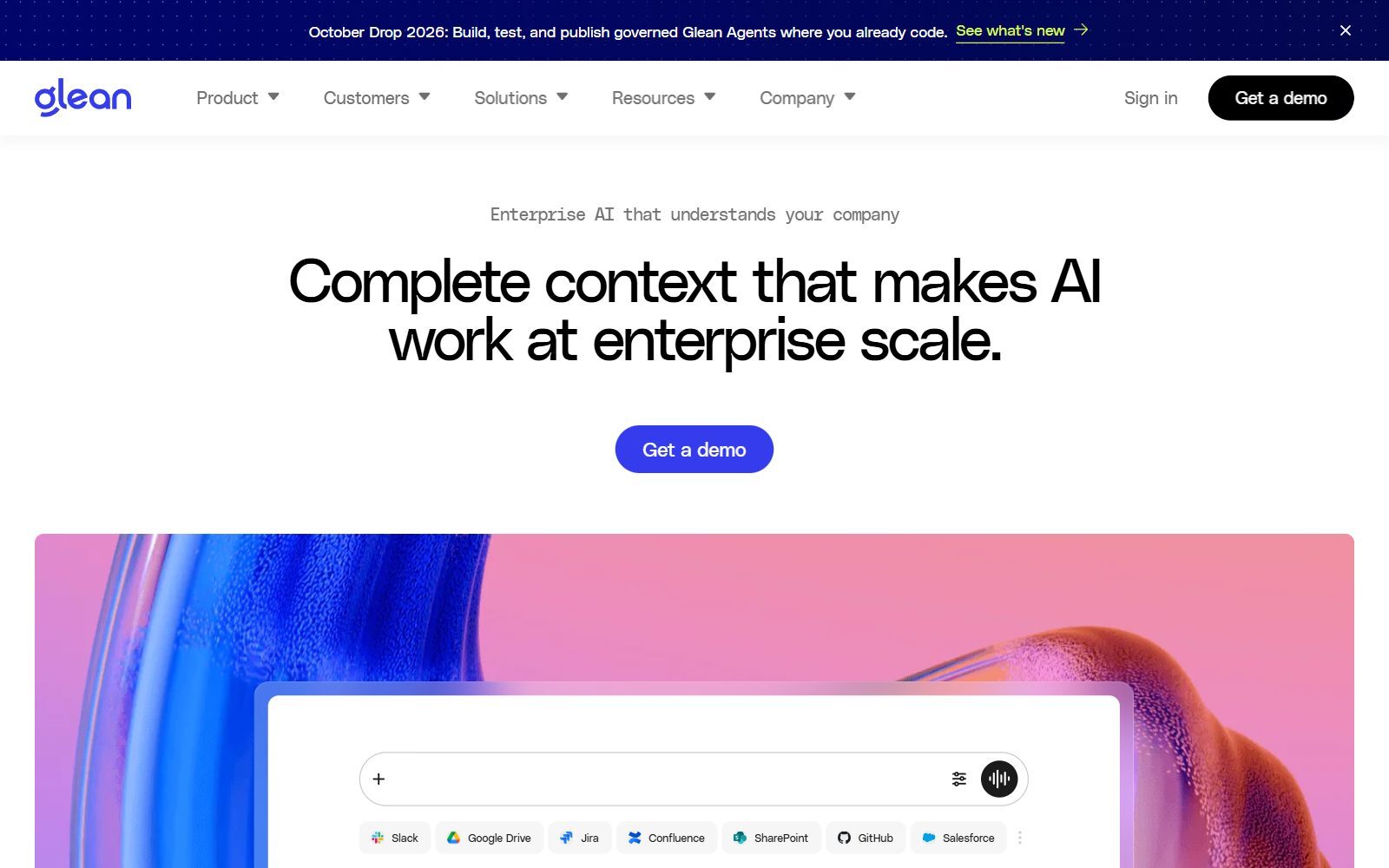
Glean connects a company's documents, chats and tools so employees can search, ask questions and run AI agents on their own company knowledge. Its about page gives its headquarters as 260 Sheridan Avenue in Palo Alto and its founding date as January 2019, with Arvind Jain among the founders. Its newsroom lists a $150 million Series F at a $7.2 billion valuation on 10 June 2025 and, on 28 May 2026, annual recurring revenue above $300 million.
Lesson for founders: Glean frames AI around a problem every large company already knows: finding information spread across dozens of tools. A familiar pain makes a new technology easier to sell.
Best for: founders in enterprise software, search and knowledge management.
5. Vanta: compliance for startups that sell to big companies
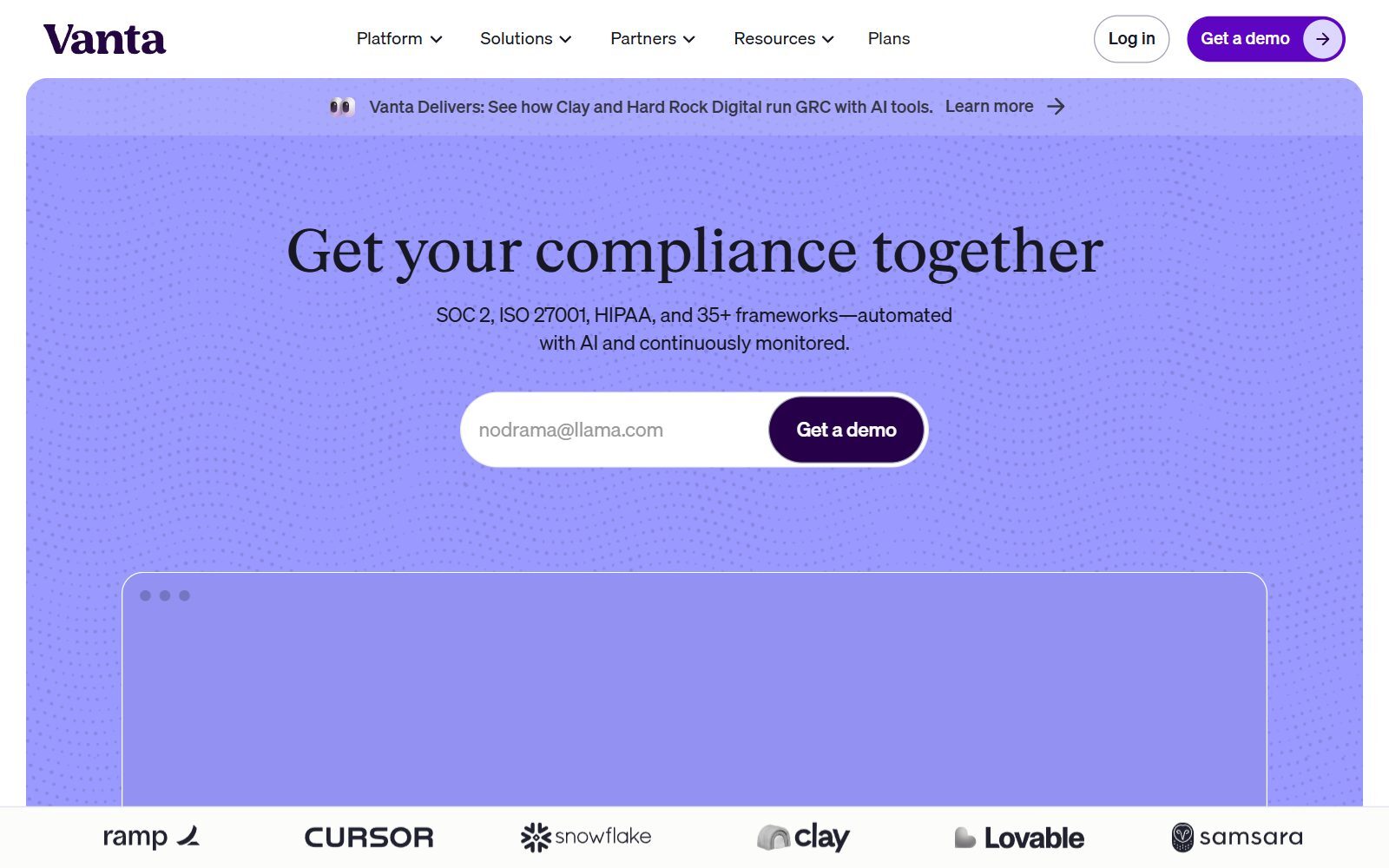
Vanta automates security compliance: its homepage says it covers SOC 2, ISO 27001, HIPAA and more than 35 frameworks with continuous monitoring. Its about page says it was founded in 2018 by CEO Christina Cacioppo and is a remote-first company with offices in San Francisco, New York, Sydney, Dublin and London; its privacy policy lists 655 Montgomery Street in San Francisco. Its backers include Sequoia Capital, Craft Ventures, Y Combinator, J.P. Morgan and Goldman Sachs.
Lesson for founders: Vanta turned a document every startup needs before an enterprise deal, the SOC 2 report, into software. Look for the paperwork that blocks your own customers' sales.
Best for: founders in security, compliance and tools for other startups.
6. Figure AI: humanoid robots for work and home
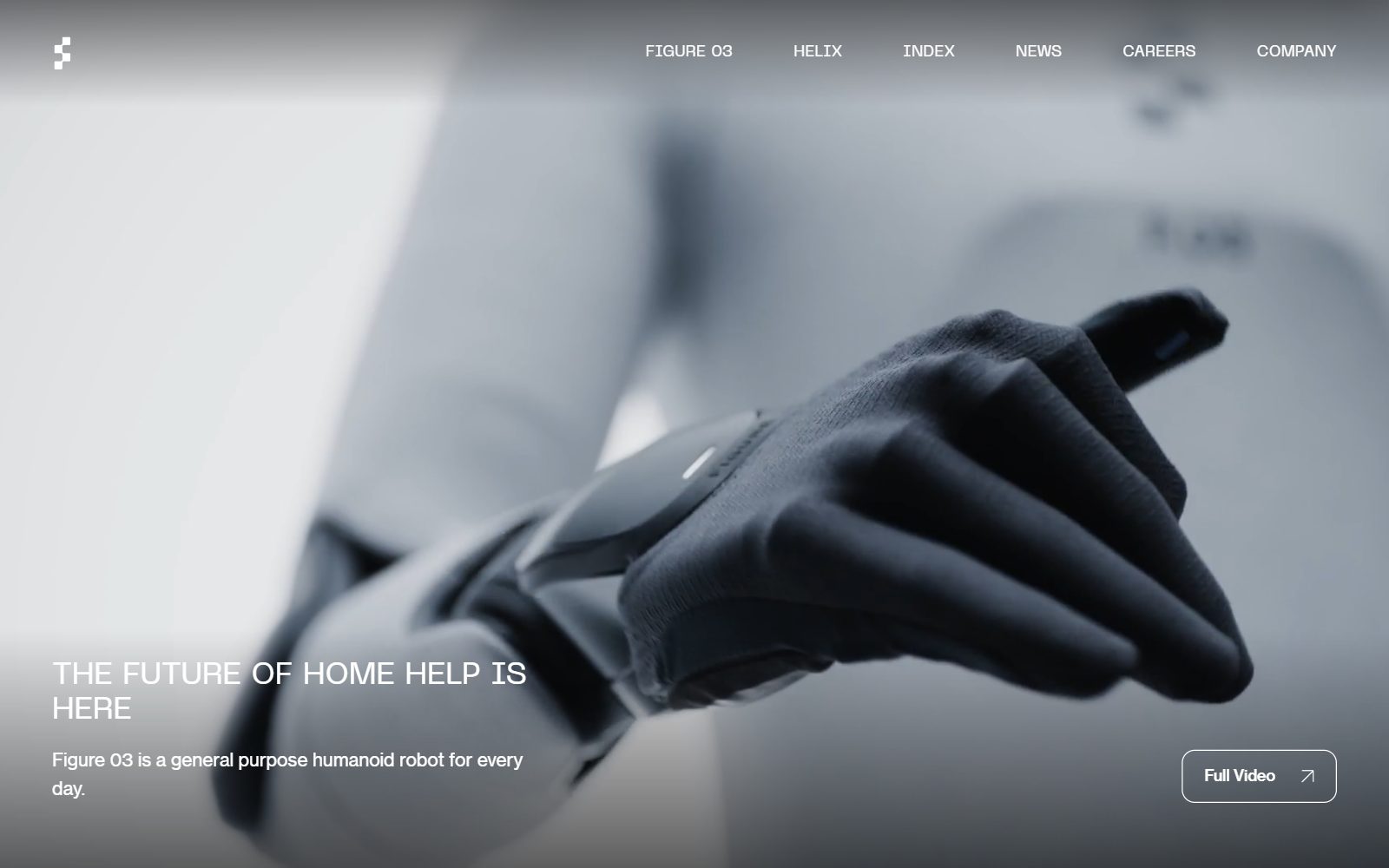
Figure AI builds general-purpose humanoid robots. Its company page says its first robot, F.01, took its first steps in May 2023, and its newest, Figure 03, was designed for use at home; Helix is its own AI system for the robots. Its careers page and privacy policy place its headquarters at 3960 North First Street in San Jose. On 16 September 2025 it announced more than $1 billion in Series C commitments at a $39 billion post-money valuation, led by Parkway Venture Capital, to train Helix and expand production at its BotQ factory.
Lesson for founders: Figure builds its robots, its AI and its factory itself. In hardware, owning the hard parts can be the moat, but it needs far more capital than software.
Best for: founders in robotics, hardware and manufacturing.
Boost Your SEO by Publishing Your Startup Press Release with us.
We publish content about startups, education, tech, funding, etc. that ranks well not only in Google but also in Perplexity, ChatGPT, Grok and other AI tools.
👉 Publish Press Release
7. Physical Intelligence: one AI model for any robot
Physical Intelligence develops learning algorithms to create a model that can control any robot to do any task. It released its first generalist model, pi0, on 31 October 2024, opened its weights and code on 4 February 2025, and has released newer versions since, most recently pi0.7 in April 2026. Its careers page invites applicants to its office in San Francisco's Mission District. Its listed backers include Bond, Jeff Bezos, Khosla Ventures, Lux Capital, OpenAI, Redpoint Ventures, Sequoia Capital, CapitalG and Thrive Capital.
Lesson for founders: Physical Intelligence published its research and opened the weights of its first model. Sharing work in public is one way a research-heavy startup shows what it can do before it sells anything.
Best for: founders in robotics software, AI research and developer tools.
8. Mercury: banking built for startups
Mercury offers business checking, savings, cards, payments, invoicing and bill pay in one product for startups and small businesses. Its about page says it was founded in San Francisco in 2017 by Immad Akhund and lists a San Francisco address. Mercury states that it is a fintech company, not an FDIC-insured bank: banking services are provided by its partner banks, Choice Financial Group and Column N.A. It was on the old list and still operates.
Lesson for founders: Mercury put accounts, cards, payments and bill pay into one product designed around founders, while partner banks hold the deposits. You can build on regulated infrastructure instead of becoming the regulated company yourself.
Best for: founders in fintech and tools for small businesses.
9. Incredible Health: hiring for hospitals
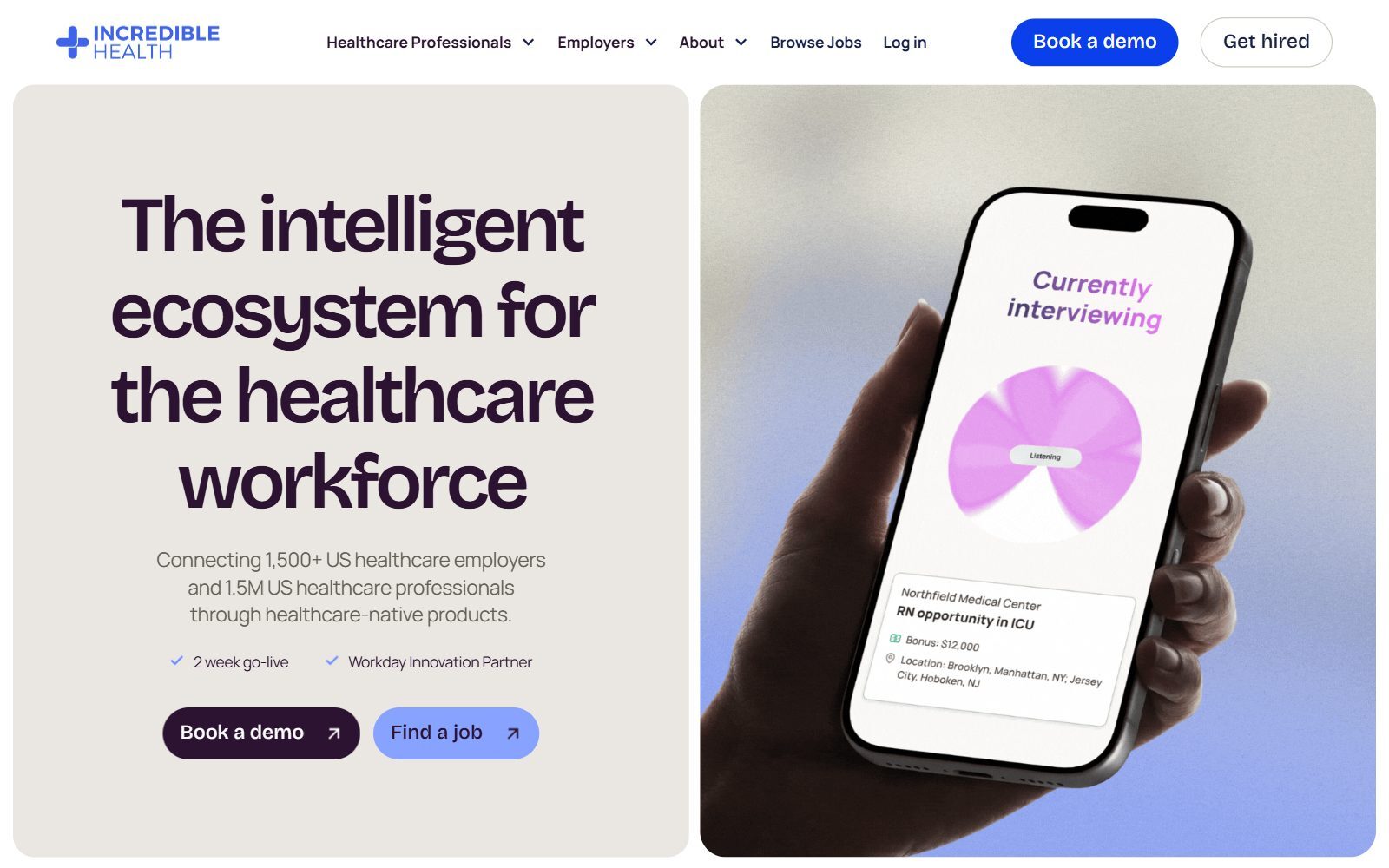
Incredible Health connects more than 1,500 US healthcare employers with 1.5 million healthcare professionals, and has added AI voice products for interviews and career support. Its about page names co-founders Iman Abuzeid, MD (CEO) and Rome Portlock (CTO) and gives its base as San Francisco. The company says employers hire in under 20 days on its platform, against a national average of 86 days. It was on the old list and still operates.
Lesson for founders: Incredible Health sells speed: its headline promise is a hire in under 20 days. One clear, measurable benefit makes a marketplace easier to explain to both sides.
Best for: founders in health tech, HR tech and marketplaces.
Women-Led Startups on This List
Two of the nine companies are led by women founders: Vanta, founded in 2018 by its CEO Christina Cacioppo, and Incredible Health, co-founded and led by Iman Abuzeid, MD. Both sell to large, cautious buyers (enterprise security teams and hospitals) and both built trust by solving a process those buyers already had to pay for. For more support, see accelerators for female entrepreneurs.
Where San Francisco Startups Get Support
- Y Combinator: invests $500,000 in every company it accepts: $125,000 on a post-money SAFE for 7% and $375,000 on an uncapped SAFE with a most-favoured-nation clause, and it charges no fees (YC's standard deal). The Winter 2027 batch runs from January to March in person on YC's campus in San Francisco. Its on-time deadline was 2 November 2026; YC says it still considers late applications, and you can already apply for its later batches.
- Berkeley SkyDeck: UC Berkeley's accelerator at 2150 Shattuck Avenue in Berkeley. Startups in its accelerator track receive a $200,000 investment from the Berkeley SkyDeck Fund; roughly 20 startups are selected every six months, and its site says applications for Batch 24 open in January.
- StartX: the community and accelerator for Stanford founders. It takes no equity and charges no fees, and it is set to anchor The Link, an innovation hub with Stanford Research Park planned to open in early 2027.
- San Francisco Office of Economic and Workforce Development: its Office of Small Business offers step-by-step guidance and free business counseling, plus help with permits, legislation, taxes and leases; its Community Economic Development team runs grants, loans and no-cost technical assistance for neighbourhood businesses.
For more programmes, see our guides to accelerators for early-stage startups, AI accelerators in North America and AI incubators in North America.
San Francisco Startups That Changed or Could Not Be Verified
The 2026 version of this article listed ten names. Here is what we found when we checked each one in November 2026, plus one well-known company we left out:
- Kept: Mercury and Incredible Health still operate from San Francisco.
- Forethought: its website now says Forethought is part of Zendesk, so it is no longer an independent startup.
- Truework: its website footer now names Checkr Group, Inc. doing business as Truework, so it belongs to Checkr.
- Brave: still headquartered in San Francisco, but it is a mature browser company rather than a young startup, so we moved it off the list.
- Altos Labs: still active in cell rejuvenation research, but its website gives no headquarters address, and the old article linked a third-party ranking page instead of its own site.
- AtoB: its website blocked our check, so we could not confirm its details on its own site.
- Rinse, Dear Brightly and Brightly: we found no official websites confirming them as operating Bay Area companies (the old article linked only directory pages), so they were removed.
- Cursor (Anysphere): the San Francisco maker of the Cursor AI code editor would have been on this list, but its own blog says Cursor has been acquired by SpaceX.
We also removed the old article's unsourced statistic, its links to third-party startup rankings and its general marketing sections.
Which San Francisco Startup Should You Learn From?
- You build vertical AI for one profession: study Harvey for going deep into law, and Incredible Health for healthcare hiring.
- You build AI agents for businesses: study Sierra and Decagon for selling to customer service teams, and Glean for building on company knowledge.
- You sell to other startups: study Vanta for turning compliance paperwork into software and Mercury for banking designed around founders.
- You build hardware or robotics: study Figure AI for full-stack humanoid robots and Physical Intelligence for sharing research in public.
- You are just starting: look at Y Combinator, Berkeley SkyDeck (if you can work from Berkeley) and StartX (if you are a Stanford founder).
Is your startup on ChatGPT?
More and more traffic is coming from Perplexity, ChatGPT, Grok and other AI tools.
👉 Rank on ChatGPT
How Founders Use San Francisco's Startup Scene
If you searched for the best startups to work for in San Francisco, every company above lists open roles on its own careers page, and several (Decagon, Physical Intelligence, Figure AI) state their Bay Area office there. Working at a fast-growing startup for a year or two is how many Bay Area founders learn to hire, sell and raise money before starting their own company.
If you want to raise money, see our lists of angel investors in North America, angel investors for AI startups in North America and early-stage VCs in North America. Before you copy any of these business models, validate your startup idea with real customers. Buyers and investors research companies long before they call, so you need to be easy to find online: list your startup in the F/MS marketing directories, publish your startup press release, and write about your product with the F/MS AI SEO Tool so customers, investors and AI assistants can find you.
FAQ About San Francisco Startups to Watch in 2027
What are the best startups in San Francisco to watch in 2027?
Our verified list: Harvey, Sierra, Decagon, Glean, Vanta, Figure AI, Physical Intelligence, Mercury and Incredible Health. Each still operates and is based in the San Francisco Bay Area, checked on its own site or press release in November 2026.
Why is Anthropic not on the list?
Anthropic is based in San Francisco, but with a Series H at a $965 billion post-money valuation in May 2026 and an IPO filing in October 2026 it is no longer a startup in the usual sense. We kept the list for younger companies.
Which Bay Area startups raised money recently?
From the companies' own announcements: Harvey raised $550 million at a $15.5 billion valuation in September 2026, Sierra said in May 2026 it was raising $950 million at over $15 billion, Decagon raised a $250 million Series D at $4.5 billion, and Figure AI announced more than $1 billion in Series C commitments in September 2025.
What are the best startups to work for in San Francisco?
That depends on what you want to learn. Fast-growing AI companies such as Harvey, Sierra and Decagon teach enterprise sales and scaling; Figure AI and Physical Intelligence suit robotics and research; Vanta and Mercury build tools for other startups. Each lists open roles on its own careers page.
Which San Francisco startups are led by women?
On this list, Vanta was founded in 2018 by its CEO Christina Cacioppo, and Incredible Health is co-founded and led by Iman Abuzeid, MD.
How much does Y Combinator invest?
YC invests $500,000 in every company it accepts: $125,000 on a post-money SAFE for 7% and $375,000 on an uncapped SAFE with a most-favoured-nation clause. It charges no fees, and the Winter 2027 batch runs from January to March in San Francisco.
Are there accelerators that take no equity in the Bay Area?
Yes. StartX, for Stanford founders, takes no equity and charges no fees. Berkeley SkyDeck's accelerator track comes with a $200,000 investment from the Berkeley SkyDeck Fund.
Where can small businesses in San Francisco get help?
The city's Office of Small Business, part of the Office of Economic and Workforce Development, offers free business counseling and help with permits, taxes and leases, and the Community Economic Development team runs grants and loans for neighbourhood businesses.
What happened to Forethought and Truework from the old list?
Both are no longer independent: Forethought's website says it is now part of Zendesk, and Truework's site is run by Checkr Group, Inc.
Where can I get a backlink by writing about my startup?
You can publish a guest post in one of the Fe/male Switch startup blogs, which rank in Google and in AI tools. Get a quality backlink.
About the Author
Violetta Bonenkamp, also known as MeanCEO, is an experienced startup founder with an impressive educational background including an MBA and four other higher education degrees. She has over 20 years of work experience across multiple countries, including 5 years as a solopreneur and serial entrepreneur. Throughout her startup experience she has applied for multiple startup grants at the EU level, in the Netherlands and Malta, and her startups received quite a few of those. She’s been living, studying and working in many countries around the globe and her extensive multicultural experience has influenced her immensely.

