

Seoul Startups to Watch in 2027: Verified AI, Fintech, Chip, Health and Travel Companies in Seoul, South Korea, and Where Founders Get Support
Seoul is the capital of South Korea and the base of most of the country's venture-backed companies, from fintech apps used by tens of millions of Koreans to AI chip and language model makers that sell worldwide. The 2026 version of this article listed ten Seoul startups. When we checked them, one turned out to be an Israeli company, three are based outside Seoul, one has turned into a different business and one has an official website that would not load for us. For this 2027 edition we started again. In November 2026 we checked each company on its own website to confirm that it exists, that its address is in Seoul and that it is still active. What happened to the old names is explained near the end.
Quick answer: the Seoul startups to watch in 2027 are Toss (fintech super app), Karrot (Daangn, the local marketplace), Upstage (enterprise language models), FuriosaAI (AI inference chips), Wrtn (consumer and business AI), Typecast (AI voices), Lunit (AI for cancer care), Socra AI (formerly Riiid, AI education), MyRealTrip (travel) and AIZEN Global (AI for lending). For help, start with the Seoul Business Agency's Seoul Startup Hub network, D.CAMP and the K-Startup Grand Challenge for foreign founders.
Are you getting customers from ChatGPT yet?
More and more traffic is coming from Perplexity, ChatGPT, Grok and other AI tools.
👉 Rank on ChatGPT
Why Seoul Matters for Founders in 2027
Three things shape startups in Seoul. The first is a home market that adopts apps fast: Toss says it passed 30 million users in Korea in 2025, and Karrot reports more than 20 million monthly active users. The second is AI: Seoul companies build their own language models (Upstage), inference chips (FuriosaAI), voice models (Typecast) and medical AI (Lunit), and they sell to Korean conglomerates and to customers abroad. The third is public support: the Seoul Business Agency runs a network of startup hubs across the city, and the national Ministry of SMEs and Startups funds programmes such as the K-Startup Grand Challenge for foreign founders. Most of the companies below have their addresses in Gangnam-gu and Seocho-gu, south of the Han River, around Teheran-ro.
Compare Seoul with other Asian hubs in our lists of Fukuoka startups to watch, China startups to watch, Bangkok startups to watch and Cebu startups to watch, or read our ranking of startup cities in Asia.
Seoul Startups to Watch in 2027 Compared
Sources: each company's official website, checked 8 November 2026. Only Karrot and FuriosaAI publish funding figures on their own sites; we left out every figure that the companies do not publish themselves.
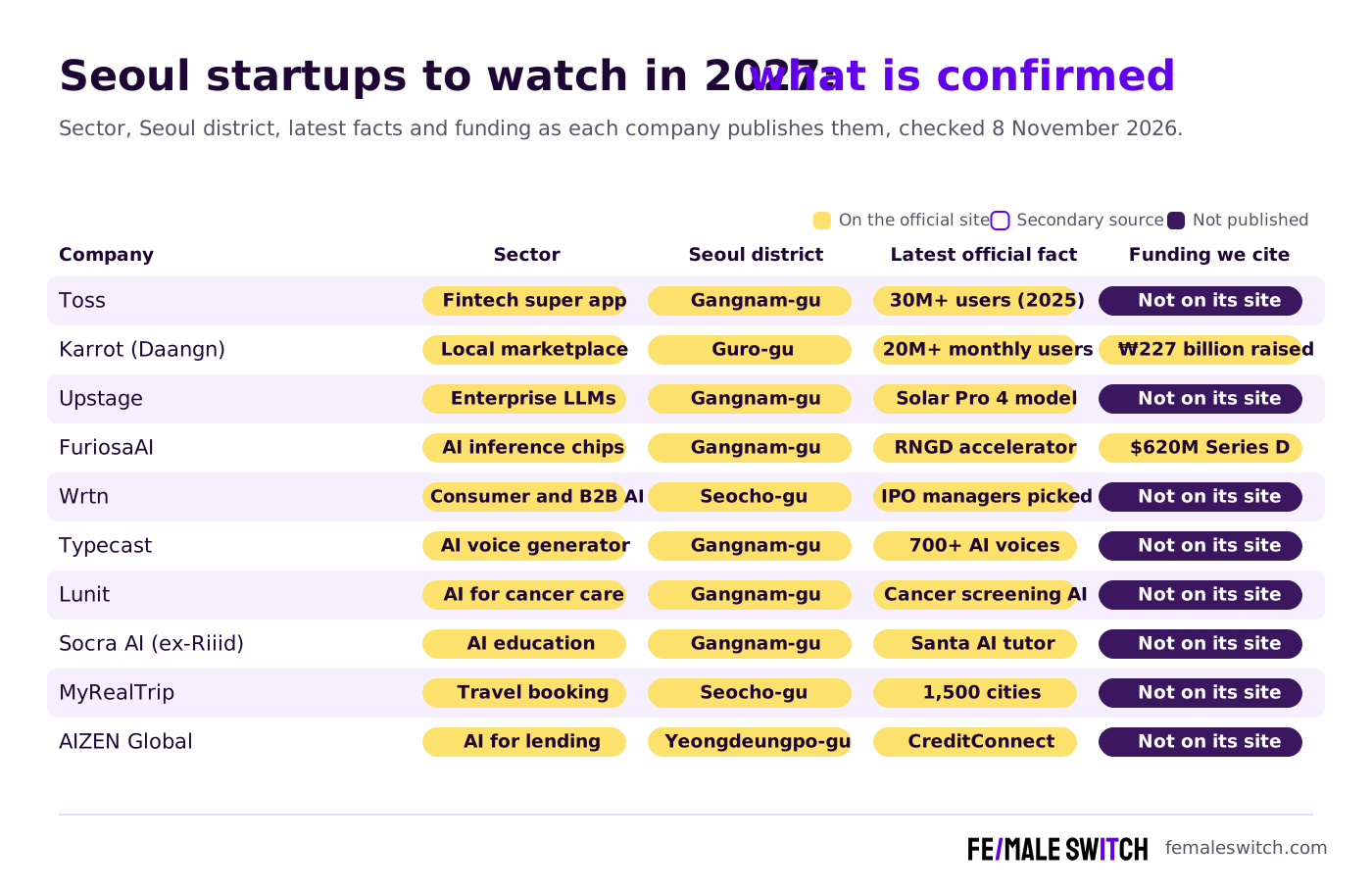
The Seoul Startups to Watch in 2027
1. Toss: the fintech app that became a super app
Toss is run by Viva Republica, whose address is on Teheran-ro in Gangnam-gu, Seoul. Its founder and CEO, Seunggun Lee, worked as a dentist in Seoul before he left the profession in 2011, and he has led Toss since 2013. Today Toss is a group of companies: a bank, securities, payments, insurance, a mobile phone service, the TADA ride platform, store tools for shop owners and income and tax services. Its history page says Toss passed 30 million users in Korea in 2025, the same year it launched FacePay, added mini apps that run without installation and launched Toss in Australia. Toss does not publish funding figures on its own site.
Lesson for founders: Toss keeps every service inside one app, so each new product, from insurance to FacePay, reaches tens of millions of existing users on day one.
Best for: founders in fintech, payments and consumer apps.
Boost Your SEO by Getting Featured in Our Blogs and get a backlink.
We publish content about startups, education, tech, funding, etc. that ranks well not only in Google but also in Perplexity, ChatGPT, Grok and other AI tools.
👉 Get featured now!
2. Karrot (Daangn): the neighbourhood marketplace
Karrot, known in Korea as Daangn (당근), gives its address on Digital-ro in Guro-gu, Seoul. It started with second-hand trading between neighbours and now connects local trading, groups, promotion for local shops and payments in one app. Its company page reports, as of January 2025, more than 40 million sign-ups, more than 20 million monthly active users, a presence in Canada, the United States, Japan and other countries, and ₩227 billion in total investment. Its newsroom is busy: on 5 November 2026 it published data from its used-car service.
Lesson for founders: Karrot limits trading to people nearby, which builds trust and makes meeting in person normal. A narrow rule can be the product.
Best for: founders in marketplaces, local commerce and community apps.
3. Upstage: enterprise language models and document AI
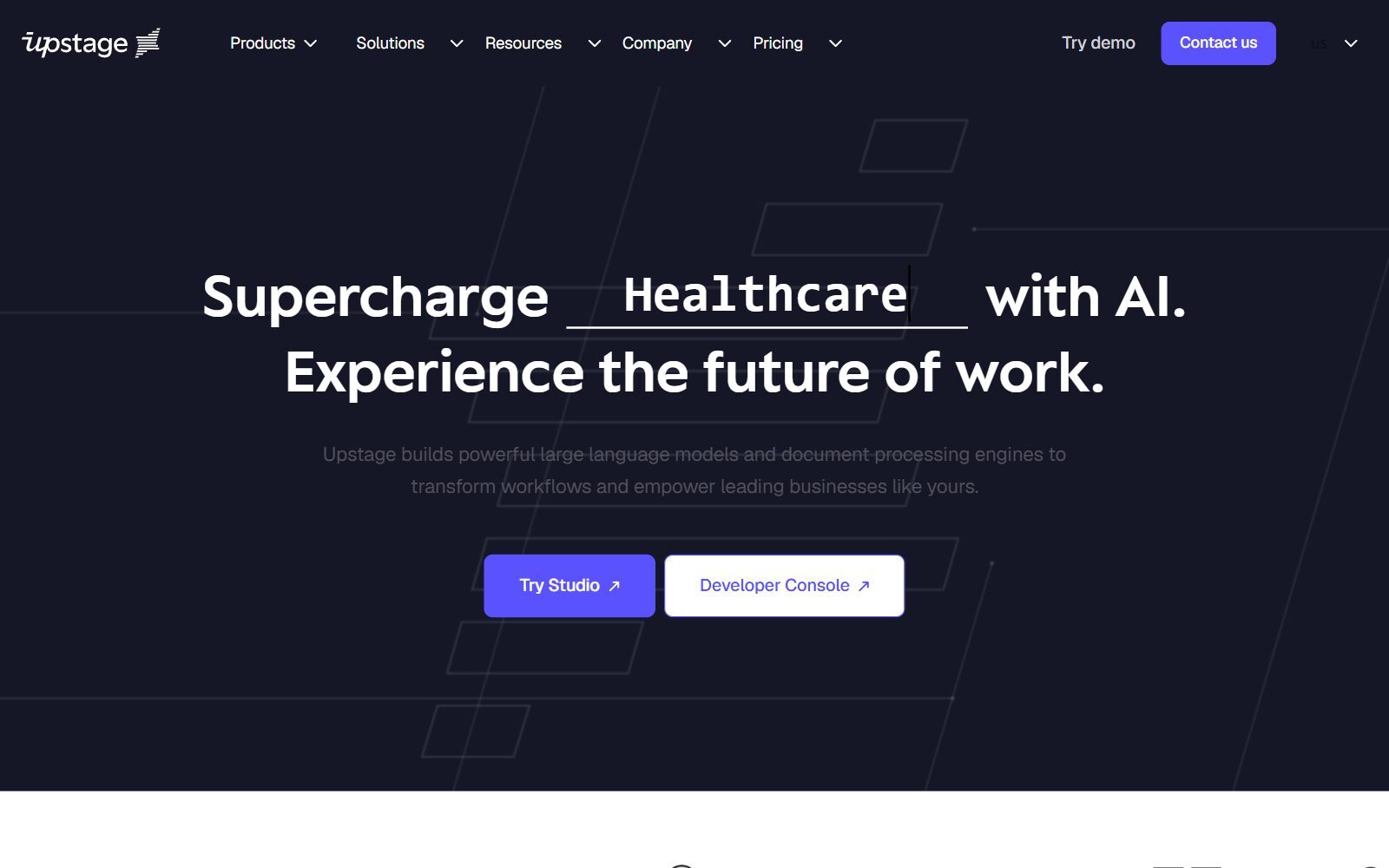
Upstage lists its office in Gangnam-gu, Seoul, and names Sunghun Kim as CEO. It builds the Solar family of language models, including Solar Pro 4, which it describes as an agentic model for multi-step work, and the smaller Solar Mini 4, plus Syn Pro, a model trained for Japan. Its document products, Document Parse and Information Extract, turn PDFs, scans, invoices and contracts into data, and Upstage Studio builds AI agents for document workflows. Companies can use them through its API, through the AWS, Azure and Snowflake marketplaces or on their own servers. Customers named on its site include Sendbird and Hanwha Life, and it shows a CB Insights AI 100 recognition for 2025.
Lesson for founders: Upstage does not try to beat the largest model makers at everything. It sells document-heavy industries such as insurance, finance and healthcare a model they can run on their own servers.
Best for: founders in enterprise AI, document automation and regulated industries.
4. FuriosaAI: AI inference chips
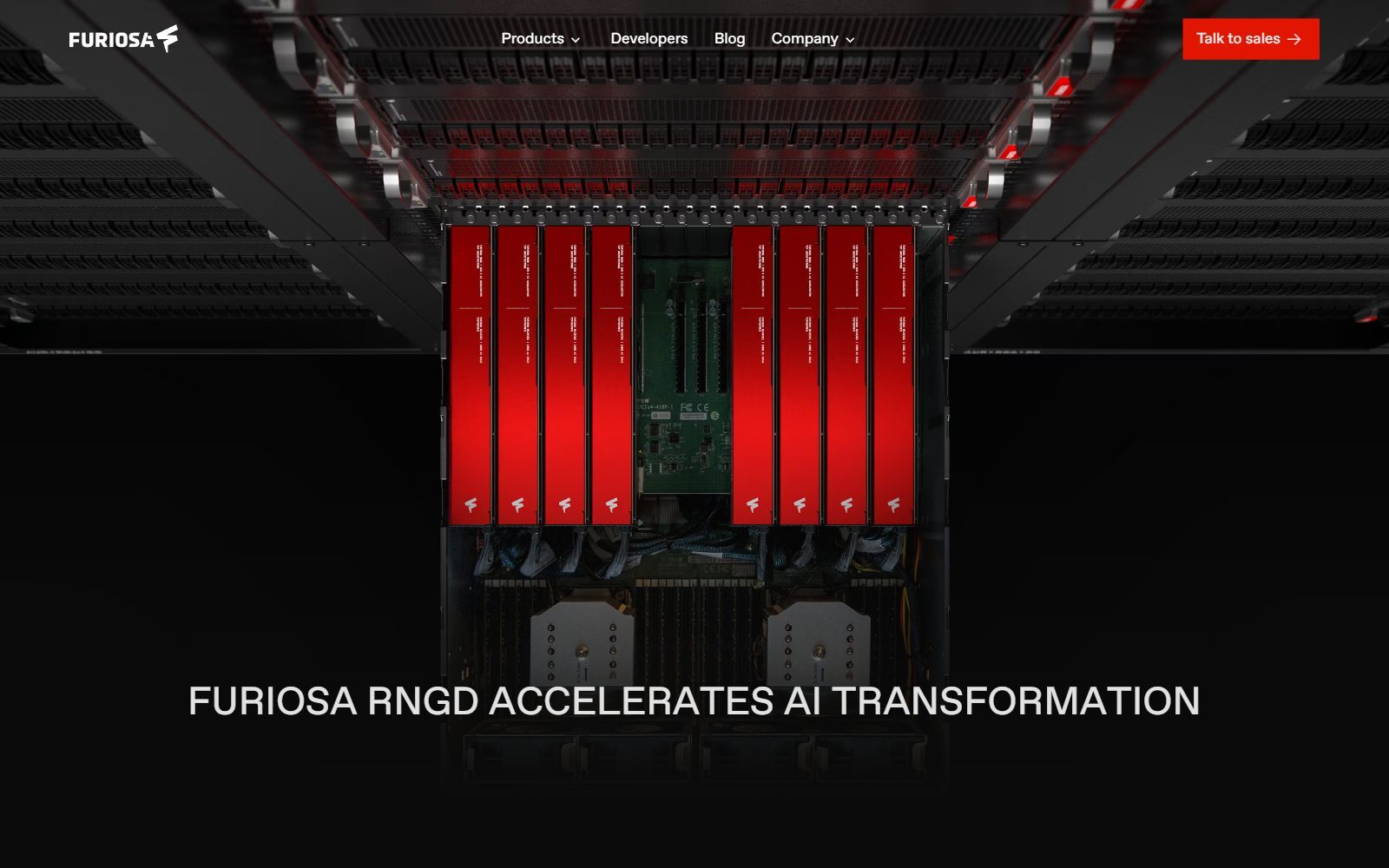
FuriosaAI designs AI accelerators (NPUs) for data centres and gives its headquarters on Dosan-daero in Gangnam-gu, Seoul. Its second-generation chip, RNGD, is sold as a 180 W PCIe card and as a server, with 512 TFLOPS, 48 GB of HBM3 memory and 1.5 TB/s of memory bandwidth; Warboy was its first-generation vision chip. Its news section reports a $620 million Series D, a partnership with Broadcom, a Singapore hub for Asia-Pacific and an RNGD deployment at Equinix's Lisbon data centre, and its disclosures show a board resolution of 1 July 2026 on a new preferred share issue. Logos on its site include LG AI Research, Samsung SDS and Upstage.
Lesson for founders: hardware takes years and large rounds. FuriosaAI pairs its chip with software that works through OpenAI-compatible APIs, so customers can switch without rewriting their code.
Best for: founders in semiconductors, AI infrastructure and deep tech.
Boost Your SEO by Publishing Your Startup Press Release with us.
We publish content about startups, education, tech, funding, etc. that ranks well not only in Google but also in Perplexity, ChatGPT, Grok and other AI tools.
👉 Publish Press Release
5. Wrtn Technologies: consumer and business AI
Wrtn Technologies (뤼튼) gives its address in Seocho-gu, Seoul, and has a second office in Toranomon, Tokyo. Its site describes its consumer AI service as chosen by 5 million people and also runs an AI character story app. For companies it offers Wrtn AX, a tailored AI transformation service, Wrtn Labs, a foundation for business agents, and Wrtn Edu, AI literacy training. On 23 September 2026 it announced that it had selected lead managers for an initial public offering. It does not publish funding figures on its site.
Lesson for founders: Wrtn built a large consumer audience first and then sold what it learned to companies. A consumer brand can open doors in B2B.
Best for: founders in consumer AI, AI agents and AI training.
6. Typecast (Neosapience): AI voices
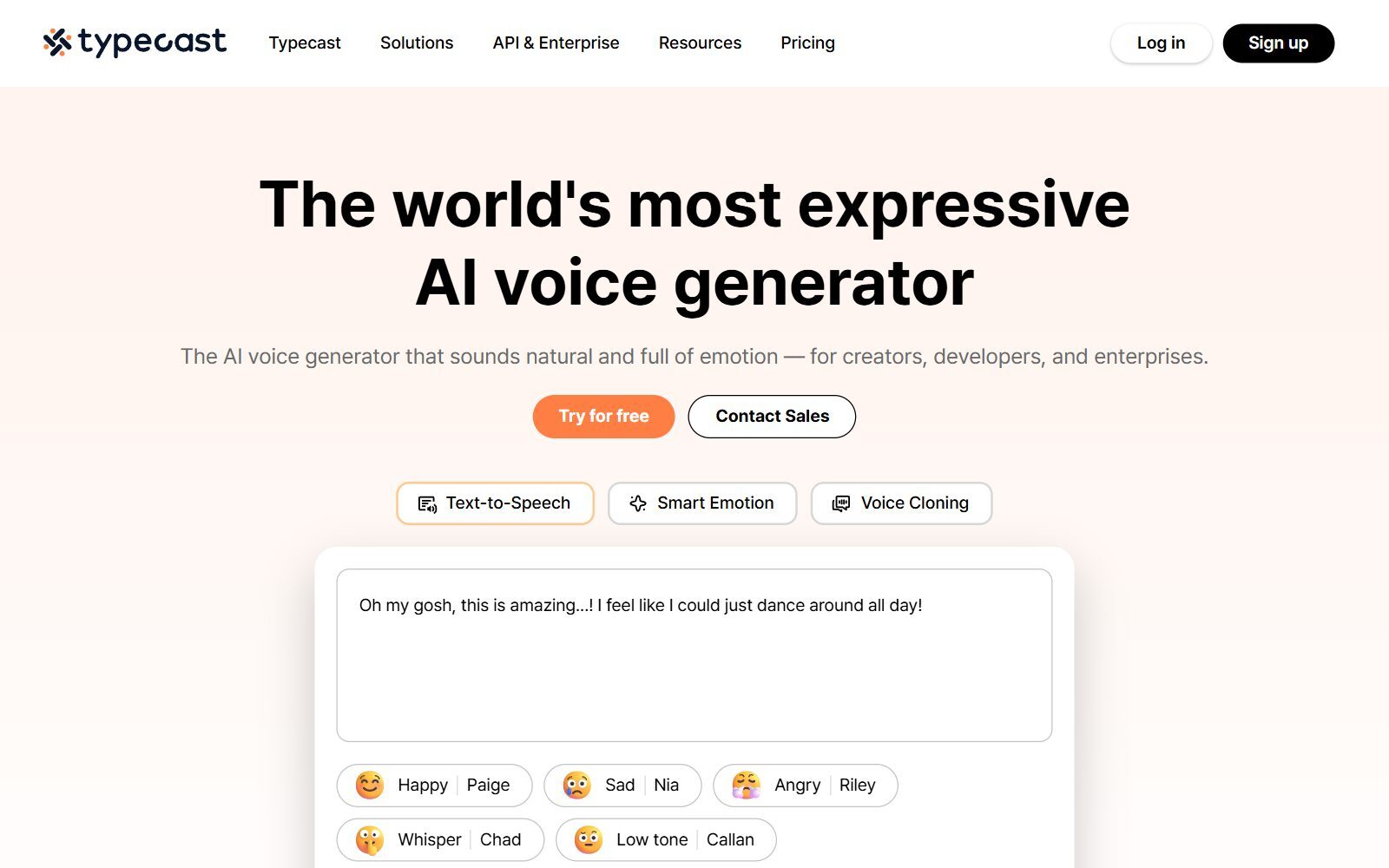
Typecast is the AI voice product of Neosapience, Inc., founded in 2017, which gives its address on Yeongdong-daero 96-gil in Gangnam-gu, Seoul. Typecast describes itself as a text-to-speech platform with more than 700 voice characters in more than 35 languages and emotion control, plus voice cloning and an API for developers and enterprises. There is a free way to try it; check the current plans on its pricing page.
Lesson for founders: Typecast competes on emotion, not just on clear speech. In a crowded AI category, one sharp difference that customers can hear in seconds is easier to sell.
Best for: founders in AI audio, content creation and developer APIs.
7. Lunit: AI for cancer screening and treatment
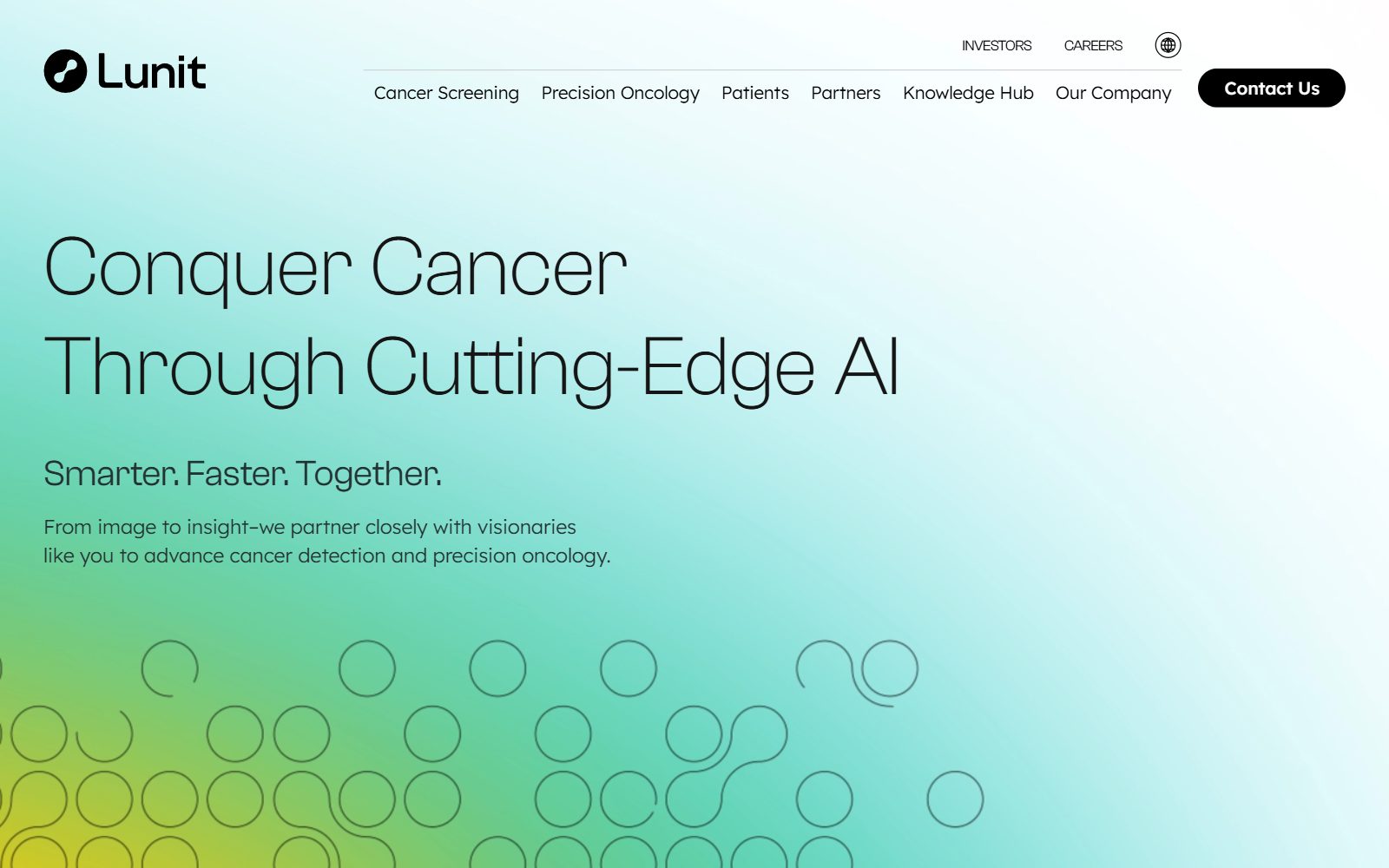
Lunit was founded in 2013 and lists its offices on Gangnam-daero in Gangnam-gu, Seoul, with Brandon Beomseok Suh as CEO. It builds medical AI software for earlier cancer detection, and for precision oncology, the use of AI to support treatment decisions in cancer care. It is no longer a young startup, but it is one of Seoul's best-known AI companies, and its site invites clinicians to meet it at RSNA 2026.
Lesson for founders: medical AI needs clinical evidence and regulatory approval before it earns money. Lunit's long road shows why health founders should plan their trials and approvals as carefully as their product.
Best for: founders in health tech, medical imaging and AI regulation.
8. Socra AI (formerly Riiid): AI tutoring
The old riiid.com address now redirects to Socra AI, which gives its offices on Teheran-ro in Gangnam-gu, Seoul. Socra AI calls itself an AI education company that helps people think and judge for themselves through questions, rather than handing them answers. Its products include the Santa AI tutor, Real Class and RealSpeaking. Its site does not publish funding figures.
Lesson for founders: a rename can follow a change of strategy. Socra AI kept its best-known product, Santa, while it repositioned the company around AI that teaches people to think.
Best for: founders in edtech and AI tutoring.
9. MyRealTrip: travel booking
MyRealTrip gives its address on Gangnam-daero in Seocho-gu, Seoul. It sells flights, stays, tours, activities and transport, and says travellers can book travel products in 1,500 cities worldwide in one place. Its site names Donggun Lee as CEO and does not publish funding figures.
Lesson for founders: MyRealTrip bundles flights, stays and local experiences for one traveller, so it earns from the whole trip, not only from one booking.
Best for: founders in travel, marketplaces and experiences.
10. AIZEN Global: AI for lending
AIZEN Global (에이젠글로벌) gives its address in Yeongdeungpo-gu, Seoul, the district that includes the Yeouido financial centre. It builds AI engines for financial institutions: CreditConnect, which it describes as AI-driven credit embedded in everyday services, and ABACUS, an AI multi-modeling platform. Recent news on its site covers using mobility data for lending and a CreditConnect product for e-commerce sellers. It does not publish funding figures.
Lesson for founders: B2B fintech sells to banks and lenders, which buy slowly but stay for years. Proof with alternative data, such as mobility or seller data, is what opens the door.
Best for: founders in B2B fintech, credit scoring and embedded finance.
Also verified: Bucketplace, the company behind the home interior app Ohouse (오늘의집), gives its address in Seocho-gu, Seoul, and opened an interior consultation lounge in Pangyo in March 2026.
Where Seoul Startups Get Support
Startup Plus is Seoul's integrated startup platform, run by the Seoul Business Agency (SBA) from Seoul Startup Hub in Mapo-gu. It helps founders find startups, investors and support facilities, and lists 21 city facilities, including Seoul Startup Hub Gongdeok, M+, Changdong, Seongsu and Dongjak, the Seoul Startup Hub Scale Up Center, Seoul Fintech Lab, Seoul AI Hub, Seoul Bio Hub, the Seoul Food Tech Startup Center, the Social Venture Hub and the Seoul Design Incubating Center.
D.CAMP calls itself a startup growth partner and runs centres in Seonreung (Gangnam-gu) and Mapo-gu. It offers the dcamp batch programme, the d.day pitching stage, investment, office space and event venues, programmes for the US and Japan markets, office hours with investors and partners, and growth coaching. Its most recent d.day, for Batch 4, took place on 29 October 2026.
- K-Startup Grand Challenge (KSGC): the Ministry of SMEs and Startups' programme for foreign startups that want to enter Korea. The 2026 call ran from 6 May to 17 June 2026 and is closed. Up to 80 teams join an online phase from July to September 2026, 40 move on to an accelerating phase from September to December 2026 with legal, tax and visa support (D-10-2), and the top 20 scale from December 2026 to June 2027, when they must incorporate in Korea and hire locally (D-8 startup visa support). The top 20 receive prize money, the top 8 extra commercialisation grants, and teams can use co-working spaces in Pangyo and Gangnam. Use ksgc.global: the old k-startupgc.org address now shows an unrelated site.
- K-Startup portal: the national startup support portal of the Korea Institute of Startup and Entrepreneurship Development (KISED), where government startup calls are published. It also runs a Startup One-stop Support Center for expert advice on legal, management and accounting questions.
Meet the ecosystem in person at the events in our guide to must-attend startup events in Seoul, and compare Seoul's programmes with the startup incubators in Asia and the startup competitions in Asia on our lists.
Seoul Startups From the Old List That Did Not Make It
The 2026 version of this article linked most of its startups to list sites instead of their own websites and gave funding figures without sources. Here is what we found when we checked each name in November 2026:
- Neosapience, MyRealTrip, AIZEN and Toss: real and based in Seoul, so they stay (Neosapience as Typecast). Unsourced claims about them were removed.
- Base44: not a Seoul startup. According to TechCrunch, it was an Israeli solo-founder company that Wix bought in June 2025, not in 2026 as the old article said.
- Yanolja: its consumer travel app now runs as NOL, operated by NOL Universe, whose address on the app's site is in Seongnam, Gyeonggi Province, outside Seoul.
- Moloco: its company page lists 14 offices with Menlo Park, California, as its main address; Seoul is one of its offices.
- Looxid Labs: its website gives its first address in Daejeon and a second office in Seoul.
- Dongnae: according to CB Insights, the company now operates as DN Korea (DNK). The DNK website sells property data software for Japanese real estate from an office in Yongsan-gu, Seoul, so the old description of a Korean home rental app no longer fits.
- Olive Healthcare: its official websites did not load or showed a bot check, so we could not confirm its current address or products. We also removed its unsourced funding figure, and Looxid Labs' too.
We also checked two well-known names and left them out: Rebellions, the AI chip company, gives its address in Seongnam, and Twelve Labs, the video AI company, gives San Francisco.
Which Seoul Startup Should You Learn From?
- You build a consumer app: study Toss and Karrot, which add new services to an app people already open every day.
- You build enterprise AI: study Upstage, which sells models that customers can run on their own servers.
- You build hardware or deep tech: study FuriosaAI and how it pairs a chip with easy software.
- You build health tech: study Lunit and plan for clinical evidence early.
- You build for learners or creators: study Socra AI and Typecast.
- You are a foreign founder: watch for the next K-Startup Grand Challenge call and talk to the Seoul Startup Hub network.
Is your startup on ChatGPT?
More and more traffic is coming from Perplexity, ChatGPT, Grok and other AI tools.
👉 Rank on ChatGPT
How Founders Use Seoul's Startup Scene
Notice where the money comes from: Korean venture funds and corporate partners, large Series D rounds for deep tech, such as FuriosaAI's, and IPO plans, such as Wrtn's. If you are raising your first round, read our guides to early-stage VCs in Asia, angel investors for AI startups and accelerators for AI startups. For non-dilutive money, see our list of grants for women entrepreneurs in Asia and the best countries for female entrepreneurs in Asia.
Building in a smaller Asian city instead? Compare our verified lists of Visakhapatnam startups to watch, Nashik startups to watch, Dhaka startups to watch, Davao startups to watch and Ulaanbaatar startups to watch. For deep tech, see our guide to deep tech cities.
Before you copy any of these business models, validate your startup idea with real customers. Seoul is crowded, so visibility matters: publish your startup press release and write about your product with the F/MS AI SEO Tool so customers, investors and AI assistants can find you.
FAQ About Seoul Startups to Watch in 2027
Which Seoul startups should I watch in 2027?
Our verified list: Toss, Karrot (Daangn), Upstage, FuriosaAI, Wrtn Technologies, Typecast (Neosapience), Lunit, Socra AI (formerly Riiid), MyRealTrip and AIZEN Global. We checked each one's Seoul address on its own website in November 2026.
Which Seoul AI startups are the most interesting?
Upstage builds the Solar language models and document AI, FuriosaAI builds the RNGD inference chip, Wrtn runs consumer and business AI services, Typecast makes AI voices and Lunit builds AI for cancer care.
Is Toss still a startup?
Toss is now a group of companies with a bank, securities, payments and insurance, and it says it passed 30 million users in Korea in 2025. We include it because it is Seoul's best-known startup success and still launches new products, such as FacePay and Toss in Australia.
Where are most Seoul startups located?
Most companies on our list give addresses in Gangnam-gu and Seocho-gu, around Teheran-ro south of the Han River. Others are in Guro-gu, Yeongdeungpo-gu and Mapo-gu, where Seoul Startup Hub and a D.CAMP centre are.
How can a foreign founder start a company in Seoul?
The K-Startup Grand Challenge helps foreign startups enter Korea with workspace, incorporation help and startup visa support. Its 2026 call closed on 17 June 2026; watch ksgc.global for the next call.
Which programmes support startups in Seoul?
The Seoul Business Agency's Startup Plus platform lists 21 city facilities, including Seoul Startup Hub, Seoul AI Hub and Seoul Fintech Lab. D.CAMP runs batch programmes and d.day, and the national K-Startup portal publishes government support calls.
What happened to Riiid?
The riiid.com address now redirects to Socra AI, an AI education company in Gangnam-gu, Seoul, which still runs the Santa AI tutor.
What happened to the startups on the old list?
We kept Toss, MyRealTrip, AIZEN and Neosapience (as Typecast). We removed Base44 (an Israeli company bought by Wix), Yanolja's app, Moloco and Looxid Labs (main addresses outside Seoul), Dongnae (now a different business) and Olive Healthcare (we could not verify it).
Where can I get a backlink by writing about my startup?
You can publish a guest post in one of the Fe/male Switch startup blogs, which rank in Google and in AI tools. Get a quality backlink.
About the Author
Violetta Bonenkamp, also known as MeanCEO, is an experienced startup founder with an impressive educational background including an MBA and four other higher education degrees. She has over 20 years of work experience across multiple countries, including 5 years as a solopreneur and serial entrepreneur. Throughout her startup experience she has applied for multiple startup grants at the EU level, in the Netherlands and Malta, and her startups received quite a few of those. She’s been living, studying and working in many countries around the globe and her extensive multicultural experience has influenced her immensely.

