

EdTech Trends in South America for 2027, Backed by Official Sources
South America's education market is changing for reasons a founder can read in law books and test results, not in market forecasts. Brazil and Chile have taken personal phones out of classrooms, Brazil now has a children's online safety law with an active regulator and has rewritten the rules for online degrees, new PISA results show how many teenagers still lack the basics, and teachers are getting AI tools faster than students are. This guide covers 10 EdTech trends for 2027 in South America, each with the official source behind it and what you could build. The old version of this page listed 25 trends with market-size forecasts that had no primary source; we removed those and kept what governments, the OECD, the World Bank and the companies themselves publish.
Quick answer: the EdTech trends that matter most in South America in 2027 are AI tools for teachers (not chatbots for students), regulation (phone limits in Brazilian and Chilean schools, Brazil's ECA Digital child-safety law and its new rules for online degrees), foundational learning (PISA 2025 shows 29% to 69% of 15-year-olds below baseline in all three subjects across eight South American countries), training tied to a job and software that runs the money and operations of schools. Metaverse classrooms and "nanolearning" are not on the list: we found no South American evidence for them.
Write FREE SEO-optimized Blog Articles! Our Article Writer ensures your blog is loved by both Google and your readers, turning those clicks into customers.
👉 Write your article here
The 10 Trends at a Glance
Sources: the laws, agencies and reports named, checked on official websites in November 2026. HolonIQ figures are marked "according to HolonIQ"; company figures are their own claims.
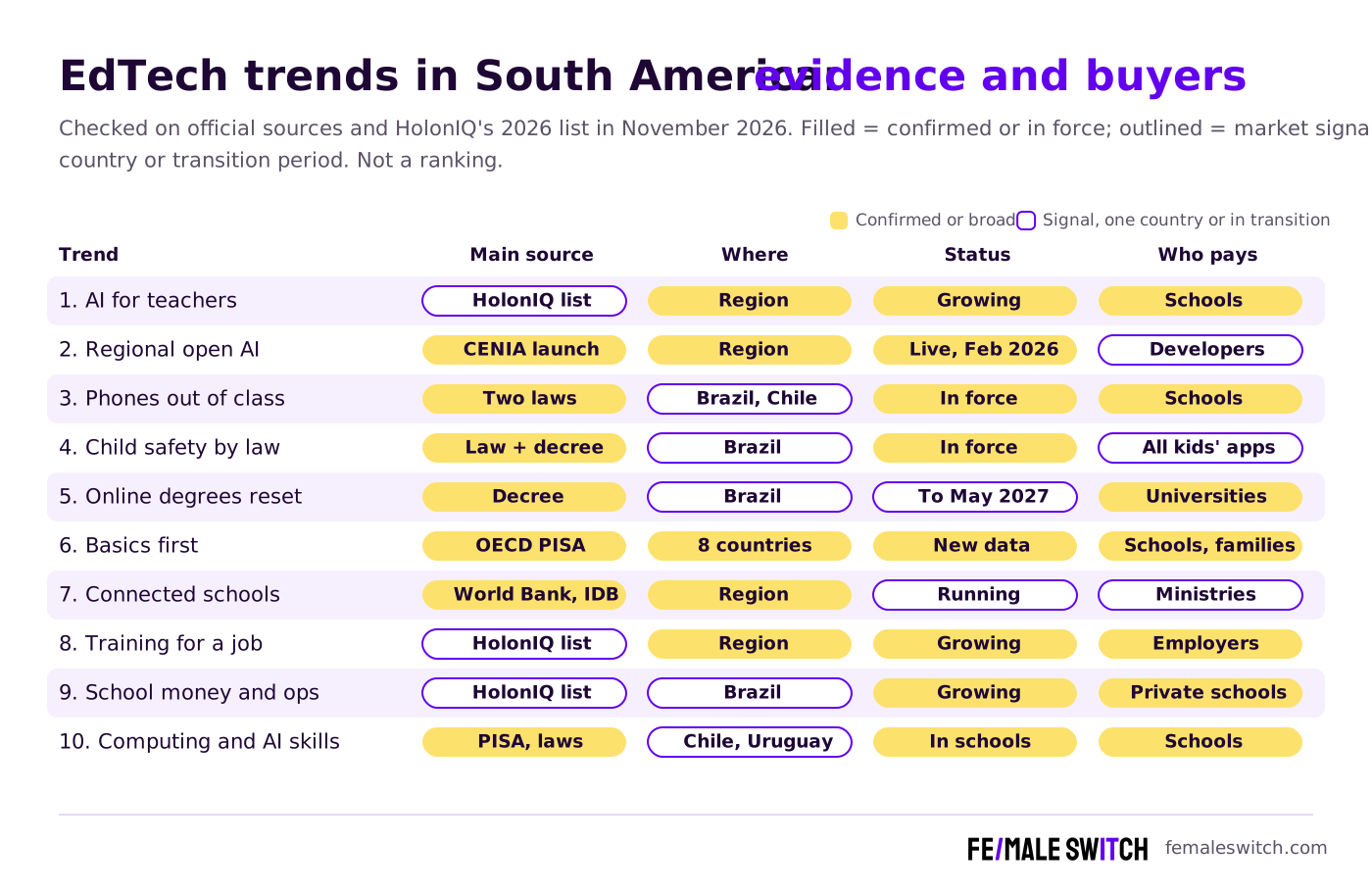
10 EdTech Trends in South America in 2027
1. AI Moves to the Teacher's Desk
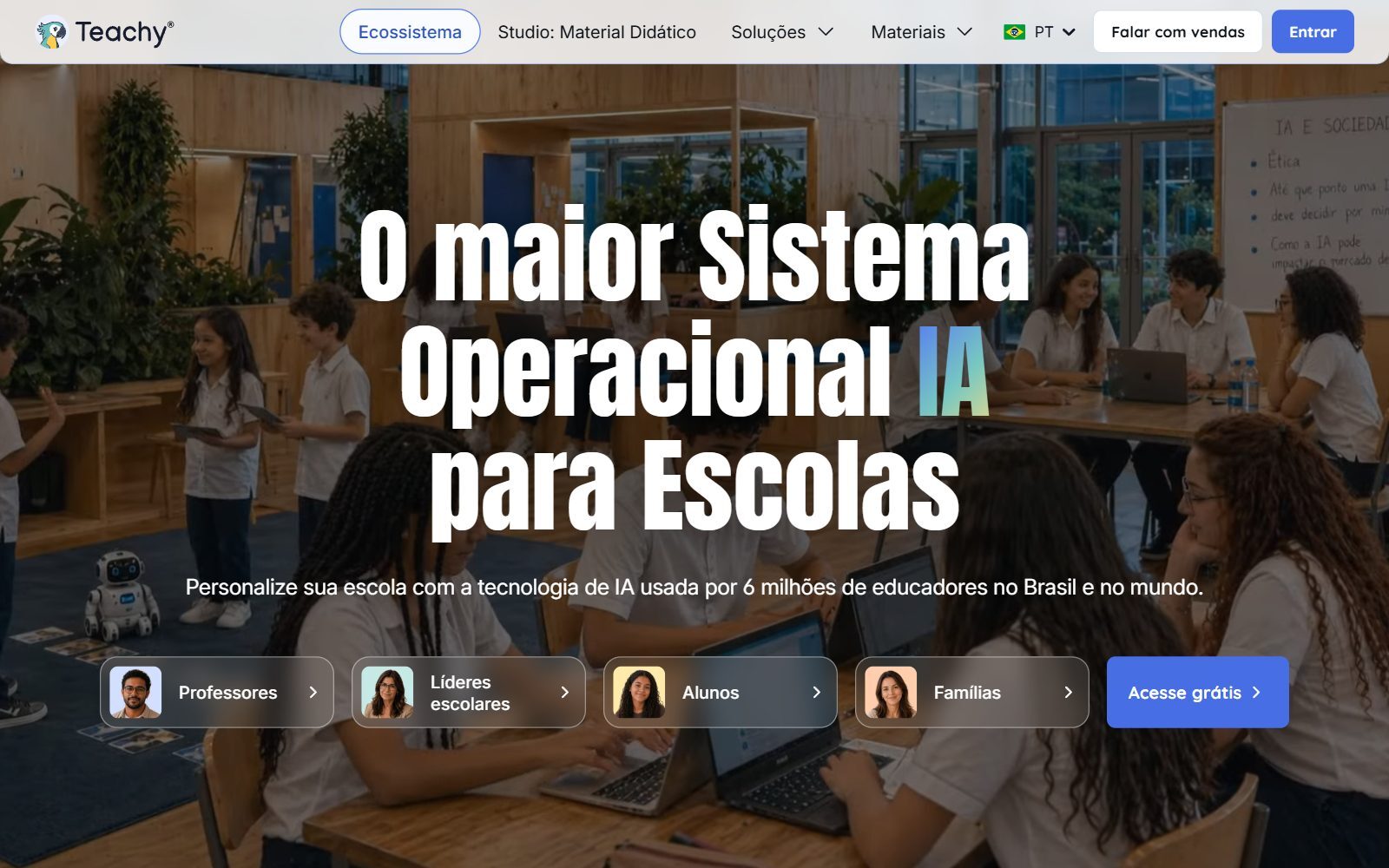
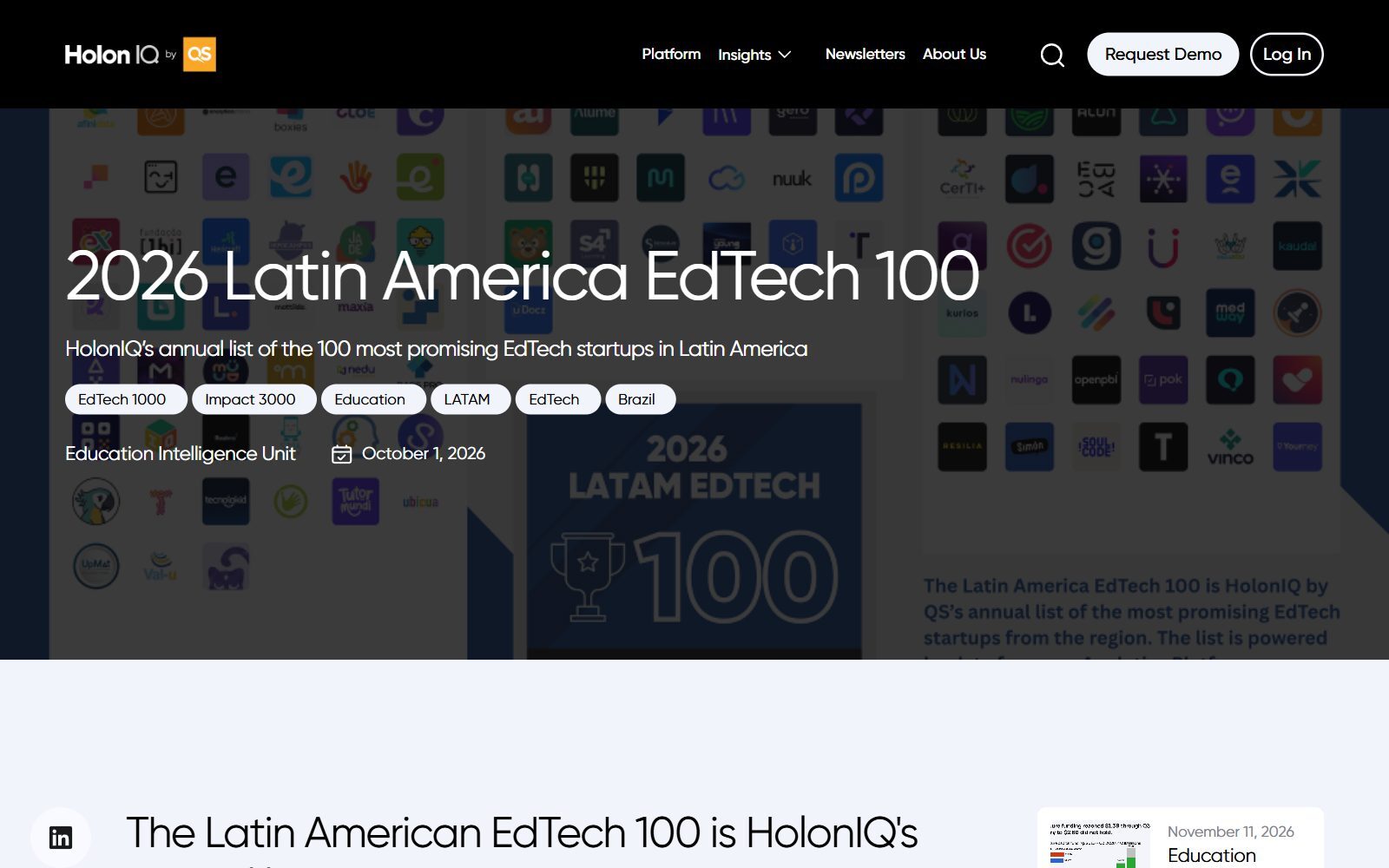
The clearest AI trend in South American EdTech is not a tutor chatbot for students but tools that save teachers time. According to the 2026 Latin America EdTech 100 published by HolonIQ (part of QS) on 1 October 2026, AI-native positioning in company descriptions has quadrupled since 2020, and most of those companies work on instructional support rather than consumer tutoring, which HolonIQ links to growing class sizes and scarce preparation time. Brazil's Teachy is the example it names: the company now calls itself an AI operating system for schools, with lesson plans aligned to Brazil's national curriculum (BNCC), assessments, marking and textbook creation, and says 6 million educators use its technology. Governments are building rules around the same move: on 14 April 2026 UNESCO launched an Observatory of AI in Education for Latin America and the Caribbean to help ministries bring AI into their education systems, with Chile's national AI centre CENIA among its partners.
What to build: tools that plan, adapt and mark work against a specific national curriculum, in Spanish or Portuguese, with a teacher in control of every output.
2. Regional Open AI Models in Spanish and Portuguese
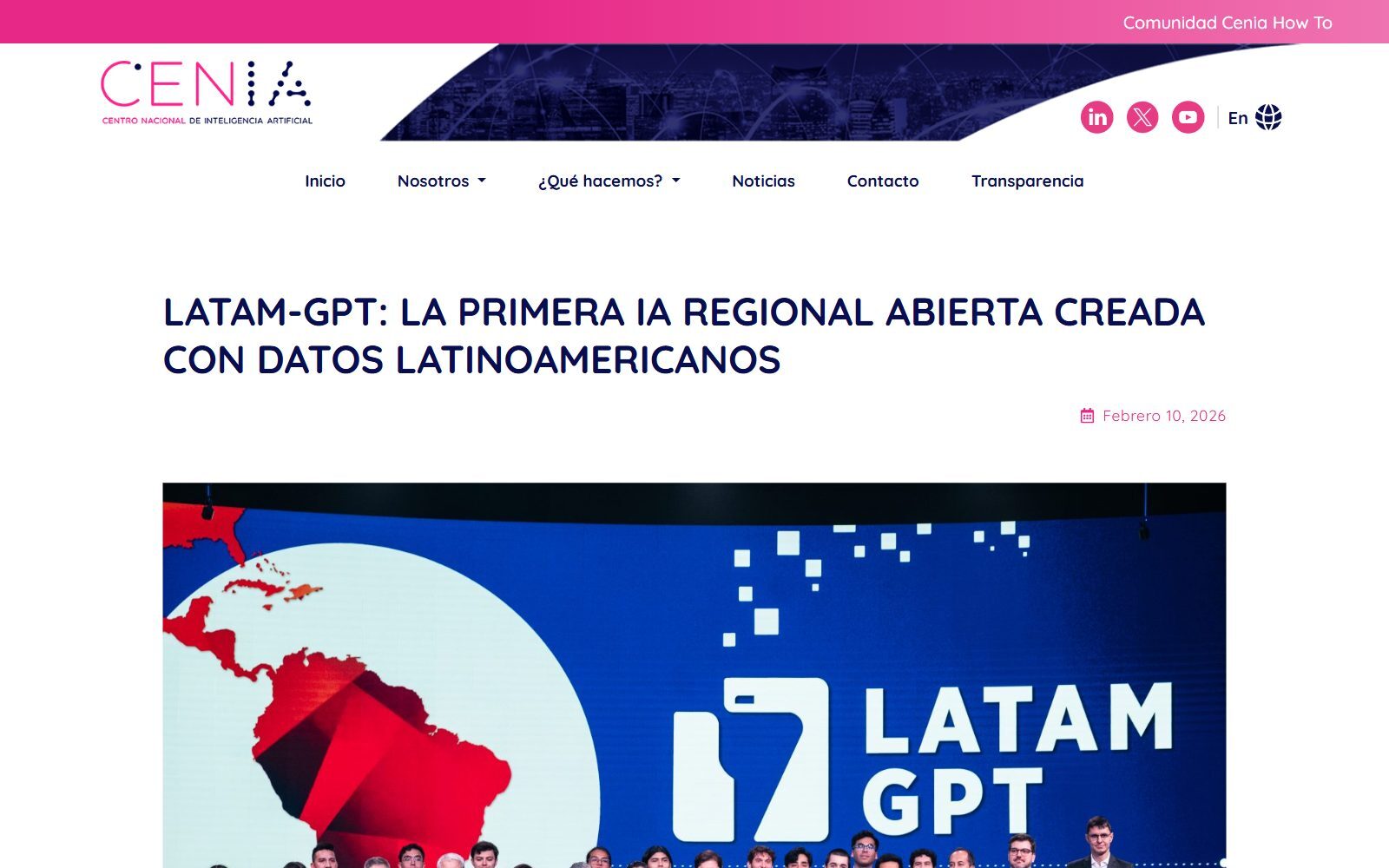
On 10 February 2026, CENIA launched Latam-GPT in Santiago, the first open large language model built in and for Latin America and the Caribbean, with support from Chile's science ministry, the development bank CAF, AWS and the Data Observatory. CENIA describes it as a public good with an open design so that universities, governments and startups can build their own solutions on a common, traceable base, and names education as one of the intended uses. The reason it matters for EdTech: according to the estimates CENIA cites, Spanish and Portuguese make up only about 4% and 2% of the open web data commonly used to train language models, so local context is thin in global models. See the Latam-GPT project site for its corpus and resources, and our guide to AI startup cities in South America for the national AI policies behind it.
What to build: tutoring, reading and assessment products that need local vocabulary, history and curricula, and that a ministry may prefer to run on an open model.
3. Phones Out of the Classroom, Planned Digital Use In
Two South American countries now limit students' personal phones by law. In Brazil, Law 15.100 of 13 January 2025 bars students in early childhood, primary and secondary education, in public and private schools, from using portable electronic devices during the whole school day; in class they may be used only for teaching purposes under the teacher's guidance. In Chile, Law 21.801, published in the Diario Oficial on 11 February 2026, prohibits personal mobile devices in schools from pre-school to secondary, applies from the start of the 2026 school year and gave schools until 30 June 2026 to update their rules. Its exceptions include students with special educational needs, health reasons, emergencies and curricular activities authorised by the head teacher, and the same law adds digital education, the responsible and safe use of digital content, to the principles of Chile's General Education Law.
What to build: classroom products that work on school-owned devices, under the teacher's control, with offline or printable versions. Consumer apps that rely on students opening their own phones during school hours have a smaller window.
Boost Your SEO by listing your startup and get a FREE backlink.
Create a profile in the F/MS Startup Game, add the link to your website and submit.
👉 List your startup now!
4. Child Online Safety Becomes Law in Brazil
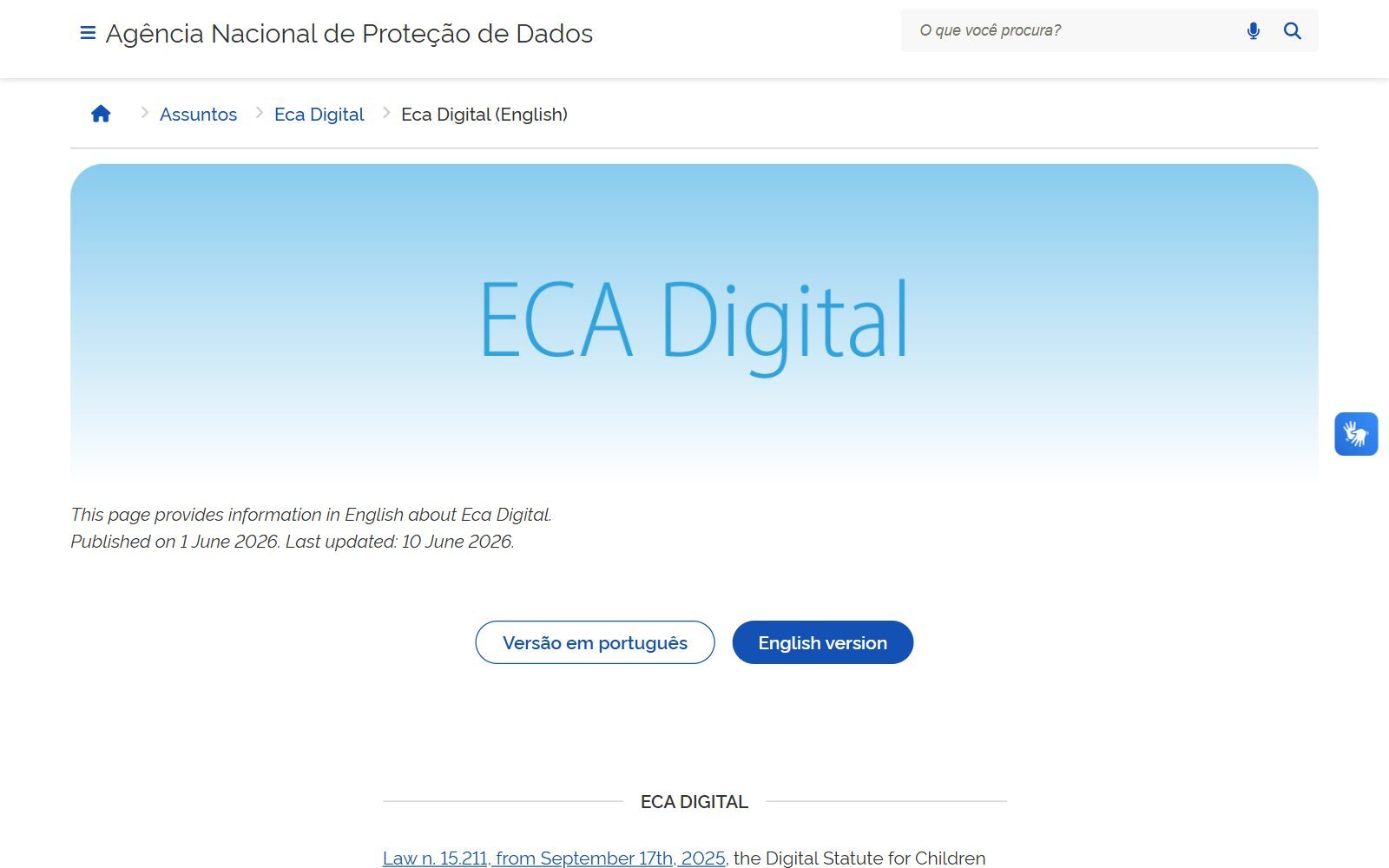
Brazil's Digital Statute for Children and Adolescents, ECA Digital (Law 15.211 of 17 September 2025), has been in force since 17 March 2026. According to the national data protection authority ANPD, it imposes obligations on digital platforms to prevent and reduce risks to children, including parental supervision, age assurance, electronic games and commercial advertising, and ANPD was made a regulatory agency (Law 15.352 of 25 February 2026) to enforce it. Decree 12.880 of 18 March 2026 set out a national policy for protecting children online, and ANPD has published preliminary age-assurance guidelines for products aimed at children or likely to be used by them; a second version was open to public comment until early July 2026.
What to build: if your product reaches Brazilian children, plan for age assurance, parental controls, no manipulative advertising and data minimisation from the first version. There is also room for compliance tools that schools and smaller EdTechs can buy.
5. Brazil Resets the Rules for Online Degrees
Brazil's Decree 12.456 of 19 May 2025 created a new policy for distance higher education. Degrees in Law, Medicine, Nursing, Dentistry and Psychology must be offered only in person; distance degrees are no longer allowed in health or in teacher training (licenciaturas); in-person degrees can deliver at most 30% of their hours at a distance; and a new semi-presential format needs at least 30% in person plus 20% in person or in live, mediated sessions. Universities have two years from publication to comply, which takes the deadline into 2027. The debate is still moving: on 28 October 2026 the Senate began to examine bill PL 5.628/2026, which would write the ban for health degrees into the national education law and add physical education.
What to build: software for hybrid delivery that universities now need: scheduling and running live sessions, in-person assessment logistics, attendance evidence and course redesign. Pure online-degree models in the restricted fields are out.
6. Foundational Learning Is the Biggest Gap
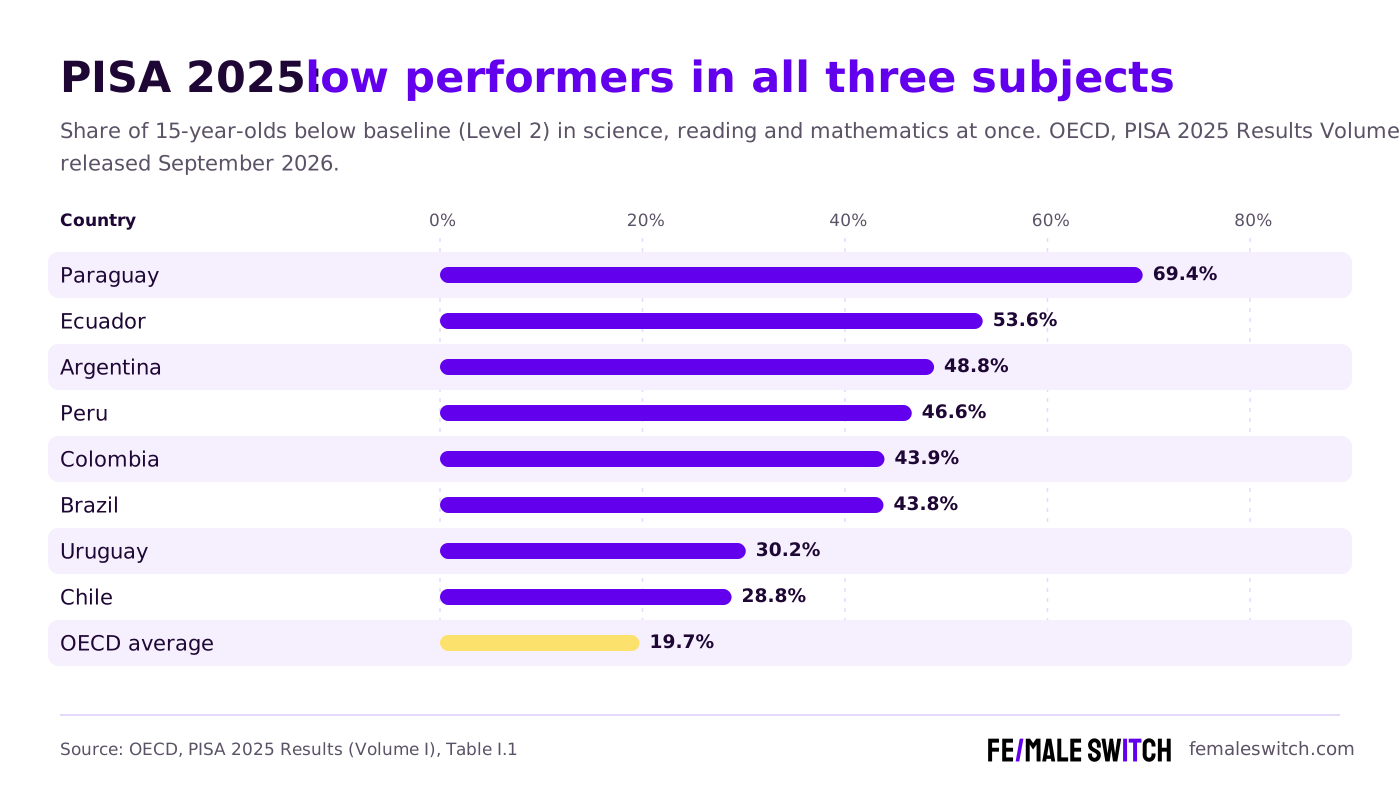
The OECD's PISA 2025 results, released in September 2026, are the newest hard data on what 15-year-olds can do. Across the OECD, 20% of students are low performers in all three subjects (science, reading and mathematics), up from 16% in 2022. In the eight South American countries that took part, the share is higher everywhere: from 28.8% in Chile and 30.2% in Uruguay to 43.8% in Brazil, 46.6% in Peru, 48.8% in Argentina, 53.6% in Ecuador and 69.4% in Paraguay. Mean maths scores range from 405 in Uruguay to 334 in Paraguay, against an OECD average of 463. The World Bank puts it in younger terms: before the pandemic, 52% of children in Latin America and the Caribbean could not read and understand a simple text by age 10, and education ministers signed a Commitment to Action on foundational learning in Bogotá in March 2023.
What to build: reading and maths practice, diagnostic assessments and tutoring that teachers and families can use with cheap devices and weak connections. This is where public buyers and families agree on the problem.
7. Connected Schools, Paid for by Ministries and Development Banks
The World Bank and the Inter-American Development Bank (IDB) run a joint initiative, "Connected: Digital transformation to accelerate learning", for connectivity, devices, educational platforms and digital skills in the region's schools; according to the World Bank they are coordinating work to connect 3.5 million students and train more than 265,000 teachers in digital skills. Uruguay shows what a mature public system buys: Ceibal, the state's centre for educational innovation with digital technologies, offers schools third-party platforms such as ALEKS, Matific, Minecraft Education and Little Bridge alongside its own, runs Ceibal EduIA and publishes calls for suppliers. For the country-by-country picture of these public programmes, see our guide to EdTech startups in South America by country.
What to build: products that fit public procurement: teacher training, platform content in the national curriculum and evidence of learning gains, sold through ministries, development-bank projects or a system like Ceibal.
Boost Your SEO with 1,500+ Free Business Directories: increase your DA, get backlinks and traffic.
We've compiled an exclusive list of directories and websites where you can submit your business and start building high-quality backlinks to boost your website traffic and get your SEO snowball rolling.
👉 Submit your startup now!
8. Training Tied to a Job, Not Just Courses
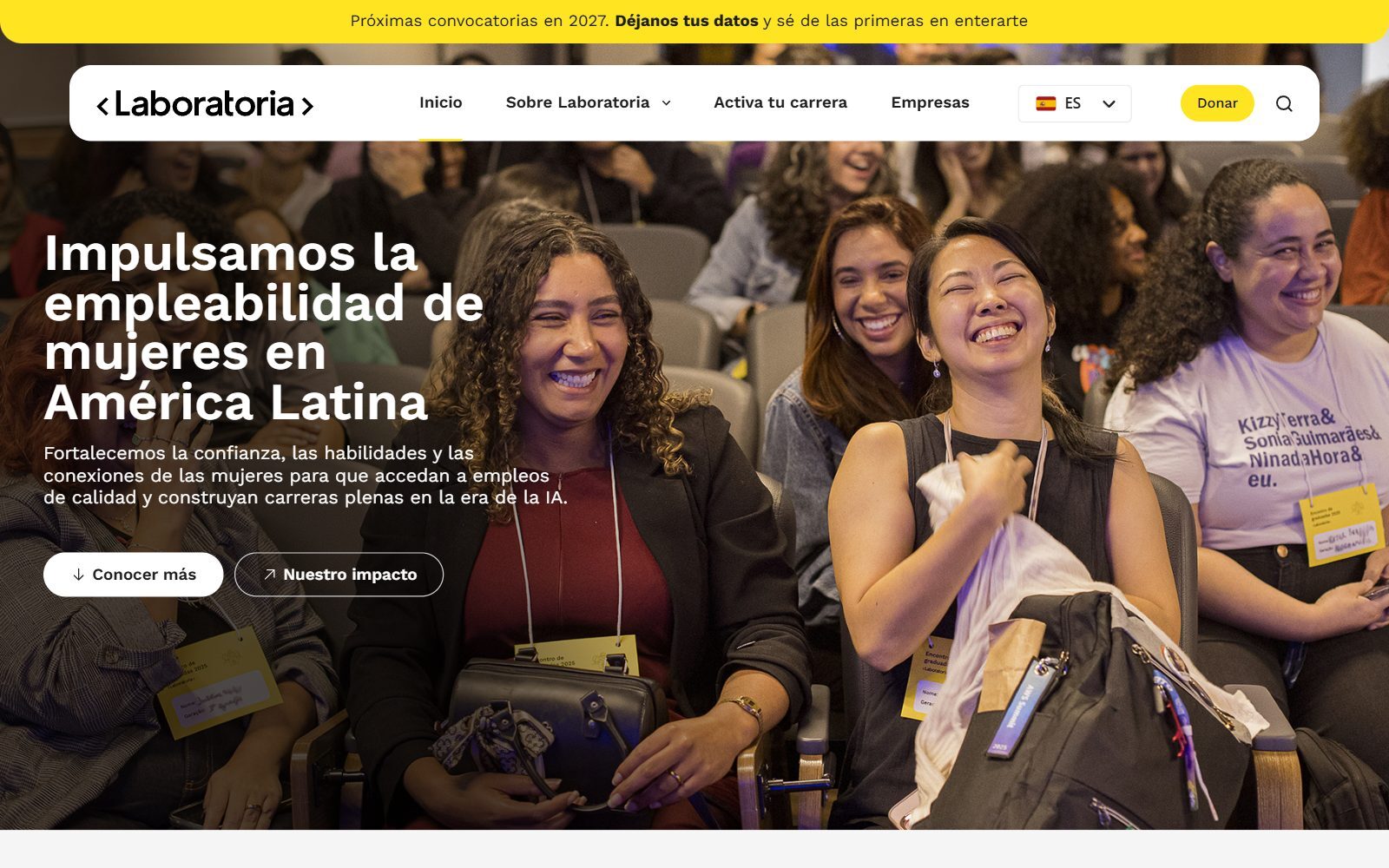
According to HolonIQ, workforce training makes up 37% of the 2026 Latin America EdTech 100 and is the only sector much larger than in 2020, when it held 28%; it peaked near 50% in 2022. Inside it, general upskilling has stepped back while career support and development has grown for six cohorts in a row, which HolonIQ reads as a market moving from course delivery to training tied to a job outcome. Company moves match the data: Peru-founded Crehana now sells HR software (payroll, performance, recruitment and training, with its own AI) rather than courses alone, and Laboratoria trains women for tech jobs in 11 countries, says it has reached more than 14,000 women since 2014 with a 73% placement rate, and announces its next intakes for 2027.
What to build: programmes that employers pay for and that end in a job, a promotion or a certified skill, not open course libraries.
9. Software for the Money and Operations of Schools
According to HolonIQ, education financing is now one of the largest categories in its regional list, while general learning platforms lost more ground than anything else. It names Brazil's Educbank (tuition revenue for schools) and Principia (cash flow for private universities), plus Mexico's Mattilda (billing and collections for private schools), and notes that K-12 support, including school operations and teacher support, is the largest sub-sector of the 2026 cohort. HolonIQ sums up the mood as a market where "capital is selective and staying power counts". Investors who back this kind of company are in our list of EdTech VCs in South America.
What to build: B2B software for private schools and universities (tuition, billing, enrolment, scheduling, reporting) that pays for itself in months.
10. Computing and AI Skills Enter the School Day
PISA 2025 measured computational problem solving for the first time. Chile (466) and Uruguay (462) scored highest in South America, followed by Peru (436), Colombia (432), Ecuador (422), Brazil (406), Argentina (403) and Paraguay (352), against an OECD average of 500. Public systems are responding: Ceibal runs a programme in computational thinking and artificial intelligence for Uruguayan schools, and Chile's Law 21.801 asks schools to teach responsible, safe, creative and critical use of digital technologies alongside its phone rules.
What to build: computational thinking and AI literacy content that a teacher can run in a normal lesson, in Spanish or Portuguese, mapped to national curricula.
Trends We Dropped From the Old List
- Market-size forecasts: the US$25.3 billion, US$7.52 billion and US$3.64 billion market projections and their growth rates came from paid market reports and blogs we could not verify, so they are gone.
- Metaverse in education: the old figure came from a paid forecast; we found no South American school programme that uses it at scale.
- Nanolearning and blockchain certificates: no regional evidence beyond general blog posts.
- "70% of Brazilian undergraduates study online": no primary source found; Brazil's real story is the 2025 decree that restricts online degrees (trend 5).
- Mexican hubs: Monterrey is in Mexico, not South America; Mexican companies appear here only where HolonIQ names them as regional examples.
Join F/MS: Startup Facilitator & Incubator and unlock your startup dreams today! Get your first customers, register you company in the Netherlands and get startup visas for the team.
Which Trends Should Your EdTech Startup Act On?
- You sell to schools: trends 1, 3, 6 and 10. Build for teachers and school devices, show learning gains and map to the national curriculum.
- You sell to families or children directly: trend 4 first. ECA Digital applies in Brazil now, so age assurance and parental controls are not optional.
- You sell to universities in Brazil: trend 5. The two-year transition ends in 2027, so hybrid delivery tools have a deadline-driven market.
- You sell to employers: trend 8. Tie training to hiring, promotion or a certified skill.
- You build AI products: trends 1 and 2. Teacher tools and open regional models are where local data matters most.
- You build B2B software: trend 9. Tuition and operations software is where HolonIQ sees investors' interest moving.
How Founders Use These Trends
A trend is only useful if it changes what you build, who pays and where you raise money. Pick your first market with our guide to the best countries for EdTech startups and the South American country guide above, then look for non-dilutive money in our EdTech startup grants and grants for early-stage startups in South America lists, with deep-tech amounts in deep tech grants in South America. For your first cheque, compare EdTech angel investors in South America, general angel investors in South America and VC firms that invest in EdTech. If you build with AI, the AI accelerators in South America and EdTech accelerators can help, and you can meet buyers at the top EdTech startup events. Local scenes are covered in our Buenos Aires, Lima, Brasília and Montevideo startup lists. For the same exercise in other fields, see our deep tech trends, and before you build a full platform, validate your startup idea with ten real teachers, parents or HR managers.
FAQ About EdTech Trends in South America
What are the biggest EdTech trends in South America in 2027?
AI tools for teachers, regional open AI models such as Latam-GPT, phone limits in schools, Brazil's ECA Digital child-safety law, Brazil's new rules for online degrees, foundational reading and maths, connected schools, job-linked training, software for school finances and operations, and computing and AI skills in the curriculum.
Is AI changing education in South America?
Yes, mainly through teachers. According to HolonIQ's 2026 Latin America EdTech 100, AI-native positioning has quadrupled since 2020 and is concentrated in instructional support. UNESCO launched an Observatory of AI in Education for Latin America and the Caribbean on 14 April 2026.
Which South American countries ban phones in schools?
Brazil (Law 15.100 of January 2025) and Chile (Law 21.801, published on 11 February 2026). Both allow planned teaching use; Chile's law also lists exceptions for special needs, health and emergencies.
What is ECA Digital and does it affect EdTech startups?
ECA Digital is Brazil's Law 15.211 on protecting children and adolescents online, in force since 17 March 2026 and enforced by the data protection authority ANPD. It covers products aimed at children or likely to be used by them, with duties on age assurance, parental supervision and advertising, so most K-12 EdTech products reaching Brazilian children are affected.
Can universities in Brazil still offer online degrees?
Yes, but with limits. Decree 12.456 of May 2025 requires Law, Medicine, Nursing, Dentistry and Psychology to be fully in person, bans distance degrees in health and teacher training, and created a semi-presential format with minimum in-person and live hours. Universities have two years to adapt.
How did South America do in PISA 2025?
All eight participating South American countries scored below the OECD average. The share of 15-year-olds who are low performers in science, reading and mathematics ranges from 28.8% in Chile to 69.4% in Paraguay, against 19.7% across the OECD.
What is Latam-GPT?
An open large language model built for Latin America and the Caribbean, launched by Chile's national AI centre CENIA on 10 February 2026 with regional partners. Its open design lets universities, governments and startups build their own tools on it.
Is the metaverse a real EdTech trend in South America?
We found no evidence of school or university programmes using it at scale in the region, so we dropped it. The figures in older articles came from paid market forecasts.
Where can EdTech startups in South America find funding?
Start with public grants such as FAPESP PIPE in São Paulo state, Start-Up Chile and ANII in Uruguay (see our country guide and EdTech grants list), then angel networks and VCs with EdTech portfolios. You can also get a free backlink by listing your startup in the F/MS Startup Game.
Why did you remove the market-size numbers?
They came from paid market reports and blogs that do not publish their methods, and different reports gave very different numbers. We kept only data from official sources such as the OECD, the World Bank and national laws, and marked HolonIQ figures as theirs.
About the Author
Violetta Bonenkamp, also known as MeanCEO, is an experienced startup founder with an impressive educational background including an MBA and four other higher education degrees. She has over 20 years of work experience across multiple countries, including 5 years as a solopreneur and serial entrepreneur. Throughout her startup experience she has applied for multiple startup grants at the EU level, in the Netherlands and Malta, and her startups received quite a few of those. She’s been living, studying and working in many countries around the globe and her extensive multicultural experience has influenced her immensely.
