
The Best European Countries for EdTech Startups, Checked on Official Pages
For an EdTech startup in Europe, the country matters less for its market size than for three practical things: what the government tells schools to do with technology, whether there is public money to buy or test new tools, and whether a founder can live and build there. This guide compares 11 European countries on exactly those points, using national government, EU and programme pages we checked in October and November 2026. We removed the funding totals, deal counts and market forecasts that older lists repeat without a working source. For the worldwide view, see our guide to the best countries for EdTech startups.
Quick answer: the United Kingdom is the clearest market for EdTech suppliers in 2027: a £24 million EdTech Testbed that recruits schools and suppliers from the 2026 to 2027 school year, an AI tutoring tender and published safety standards for AI products. France buys AI learning tools through France 2030 partnerships, Germany starts its €5 billion Digitalpakt 2.0, and Ireland, Portugal and Poland are putting new devices and labs into schools. Estonia is the best test bed for AI learning tools, Finland the best export base, and the Netherlands the route into universities. In Sweden, state textbook money now goes to printed books only.
Write FREE SEO-optimized Blog Articles! Our Article Writer ensures your blog is loved by both Google and your readers, turning those clicks into customers.
👉 Write your article here
European EdTech Countries Compared
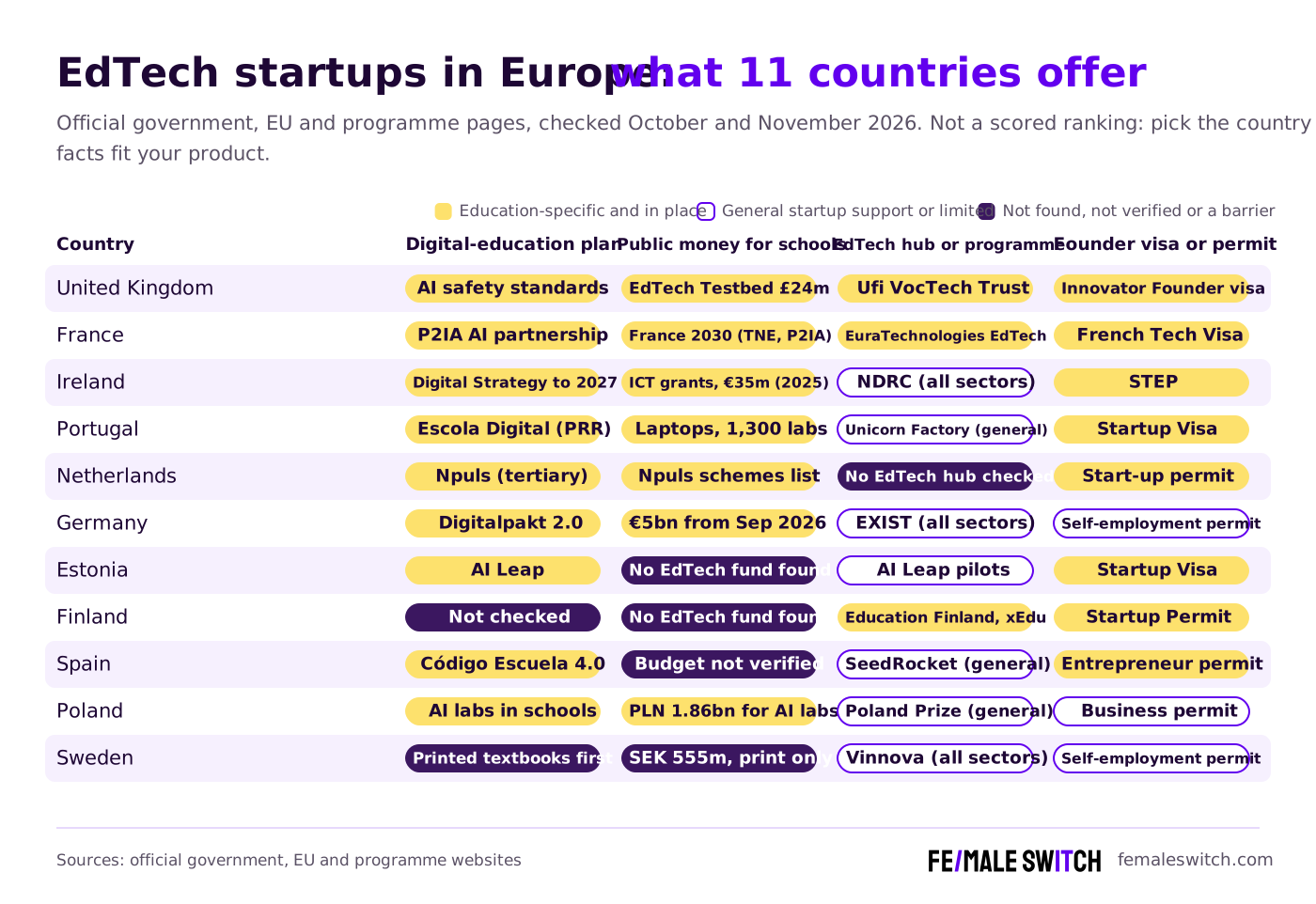
Sources: the official government, EU and programme pages linked below, checked October and November 2026. This is not a scored ranking.
How We Chose and Ordered the Countries
We kept a country only if we could confirm at least two founder-relevant facts on an official page: a national digital-education plan or programme, public money for schools or EdTech, an EdTech hub or programme, and a founder visa. The order follows how many of those are education-specific and open now, not a score. Italy and Austria from the old list are not ranked this time, because we found no EdTech-specific official fact to give you, and Denmark is in the short list below.
EU Programmes That Work in Every Country on This List
The EU's Digital Education Action Plan (2021 to 2027) sets out 14 actions for high-quality, inclusive and accessible digital education, and it is the frame many national plans below refer to. For startups, the Commission's EdTech Accelerator topic in the Digital Europe Programme funds one consortium (€2.7 million) to run at least three cohorts of EdTech startups and SMEs through open calls, from concept validation to piloting in real classrooms. The consortium deadline was 1 October 2026 and has passed, so watch the Digital Skills and Jobs Platform for the startup calls. Our list of EdTech accelerators in Europe covers the other programmes.
The 11 Best Countries in Europe for EdTech Startups in 2027
1. United Kingdom
England's Department for Education published the EdTech Testbed Programme guidance on 24 September 2026: £24 million over four years to test EdTech products and practices, including generative AI tools, in more than 1,000 schools and colleges. An Ipsos-led consortium runs up to 100 rapid evaluations, and the Education Endowment Foundation will fund up to 15 randomised controlled trials of the most promising tools; schools, colleges and EdTech suppliers are recruited in phases from the 2026 to 2027 school year. The government is also running a tender for AI tutoring tools co-created with teachers, to reach schools by the end of 2027 and up to 450,000 disadvantaged pupils a year, and anyone selling AI to schools should build to the Generative AI product safety standards (updated 19 January 2026). For vocational learning, Ufi VocTech Trust gives grants and investment. Non-UK founders use the Innovator Founder visa, which needs an endorsing body. See our UK startup events.
2. France
At the 2025 school start, the education ministry launched the AI innovation partnership (P2IA) for the last two years of primary school and the first year of lower secondary, backed by France 2030 and the Banque des Territoires. Six AI services built by EdTech companies and research labs (Expliq, Edumalin, Mathia-C3, Origamia, Cards and yLANG) have been tested in classrooms since January 2026 in French, maths and languages. It follows the Digital Education Territories (TNE) public tender of 2022, in which Réseau Canopé picked 69 solutions from 34 publishers and EdTech companies for €25 million. In Lille, EuraTechnologies runs an EdTech/HRtech vertical, and non-EU founders use the French Tech Visa. See our startup events in France and Lyon startups to watch.
3. Ireland
Ireland's Digital Strategy for Schools to 2027 (published 13 April 2022) sets high-level objectives under three pillars so that all learners gain the digital skills they need; its grants help schools embed ICT in teaching, learning and assessment. On 29 May 2025 the minister announced €35 million of ICT grants for all recognised primary, post-primary and special schools, the third tranche under the strategy after €100 million already issued, with €65 million left to issue over the rest of the strategy. Dublin's NDRC invests a €100,000 uncapped SAFE in tech founders of all sectors, and non-EU founders use STEP, which needs €50,000 of funding. See our Dublin startup events.
4. Portugal
Portugal's recovery plan funds digital transition in education (Escola Digital): contracts for 600,000 new laptops, 1,050,000 laptops on loan to teachers and students in public schools, 40,000 classroom projectors and 1,300 Digital Education Labs with 3D printers and robotics kits, plus a school network upgraded from 40 to 300 Gbps. The hardware is in place, so software, content and teacher support are the opening. Lisbon's Unicorn Factory Lisboa runs sector hubs for startups, and non-EU founders use the Startup Visa with a certified incubator. See our Lisbon startups to watch.
5. Netherlands
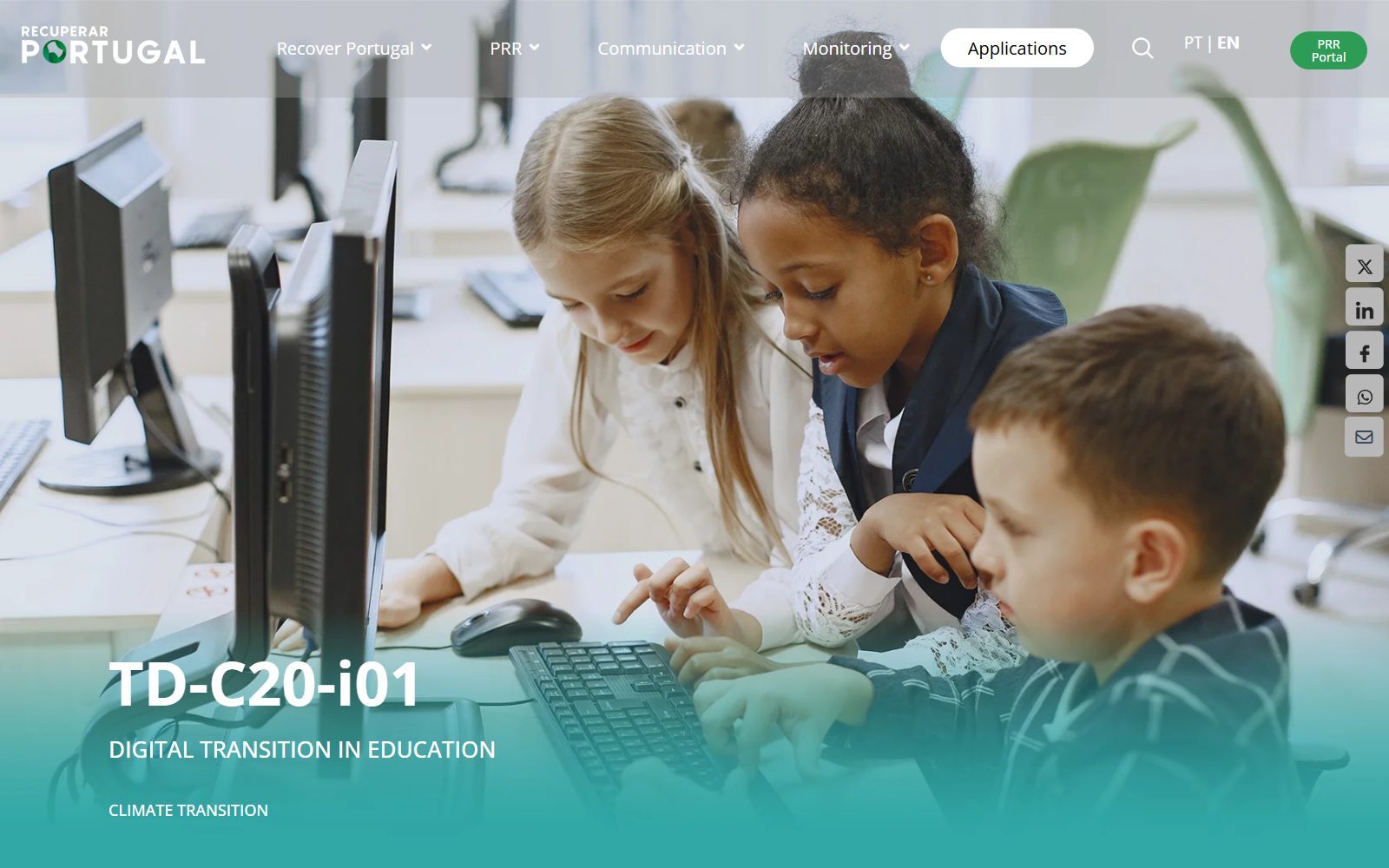
Dutch universities and colleges work together in Npuls, a National Growth Fund programme on flexible education, digital learning resources and assessment, and the ethical and effective use of AI and data. Npuls lists the funding schemes institutions can draw on and runs pilots and adoption projects to trial new education tools. For a startup selling to Dutch tertiary education, those pilots are the most direct way in. Non-EU founders use the start-up residence permit, which lasts 1 year and needs an approved facilitator. See our Amsterdam startup events.
Boost Your SEO with 1,500+ Free Business Directories: increase your DA, get backlinks and traffic.
We've compiled an exclusive list of directories and websites where you can submit your business and start building high-quality backlinks to boost your website traffic and get your SEO snowball rolling.
👉 Submit your startup now!
6. Germany
Germany's Digitalpakt 2.0 started on 1 September 2026 with five billion euros to make schools technically, pedagogically and organisationally fit for the digital world. As with the first DigitalPakt Schule, the federal states publish the funding guidelines and approve school authorities' applications, so you sell state by state. The federal education platform Mein Bildungsraum was funded from 2021 to 2025 and supported 43 research and development projects; according to the education ministry, its work now continues as a service that puts digital education certificates into the EU Digital Identity Wallet from 2027. University founders can apply for the EXIST Start-up Grant; Germany has no startup visa, so non-EU founders apply for a residence permit for self-employment. See our startup events in Germany and Berlin startups to watch.
7. Estonia
AI Leap (TI-Hüpe) is Estonia's national education innovation programme to help schools adapt to AI. It gives all high school teachers the paid version of ChatGPT or Google Gemini, builds learning apps for students in grades 10 and 11 (its own app was developed with OpenAI and Estonian researchers), and finished its launch phase in 2026. A small, fully digital school system that uses AI on purpose is the best place in Europe to pilot an AI learning tool and collect evidence. e-Residency lets founders register a company online, and non-EU founders who want to live there use the Startup Visa. See our startup events in Estonia.
Boost Your SEO by Getting Featured in Our Blogs and get a backlink.
We publish content about startups, education, tech, funding, etc. that ranks well not only in Google but also in Perplexity, ChatGPT, Grok and other AI tools.
👉 Get featured now!
8. Finland
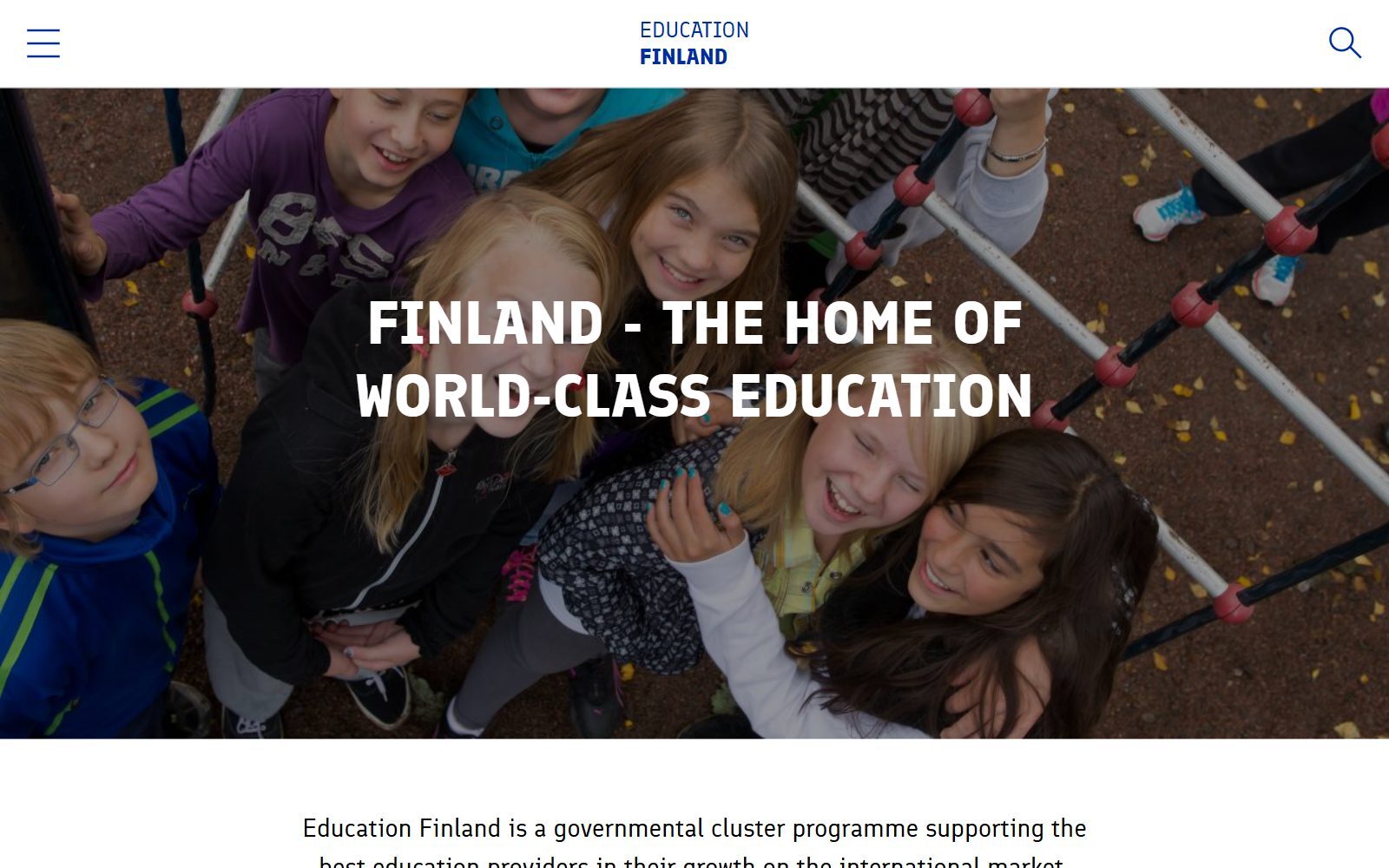
Education Finland is a governmental cluster programme that helps Finnish education providers, from schools to EdTech companies, grow abroad. It works with Finnish ministries, embassies and Business Finland, and selected members can use an official membership label. Helsinki also has two EdTech-only programmes: the xEdu accelerator and the University of Helsinki's Helsinki Education Hub EdTech Incubator, a 12-week programme with school pilots whose autumn 2026 cohort was set to run until mid-November 2026. Non-EU founders apply for the Startup Permit after a positive statement from Business Finland. See our startup events in Finland.
9. Spain
Spain's Ministry of Education runs Código Escuela 4.0 with the regional education authorities: through the national teacher-training institute INTEF it gives teachers from early years to lower secondary a kit on computational thinking, programming, educational robotics, 3D design and artificial intelligence. Content that fits this curriculum work is easier to place with Spanish schools, but buying is done region by region. SeedRocket has accelerated early-stage tech startups since 2008, and non-EU founders use the 3-year entrepreneur permit after a favourable report from ENISA. See our Madrid startup events.
10. Poland
On 17 June 2026 the Prime Minister presented AI labs for 8,000 primary and 4,000 secondary schools: the Ministry of Digital Affairs is spending PLN 1.86 billion gross from the national recovery plan and the state budget on labs with laptops for students and teachers, a central AI unit, an interactive screen and specialist software, and the recovery plan puts more than PLN 5 billion into school digitalisation from 2024 to 2026. Twelve thousand schools with new AI hardware need lessons, content and teacher training to use it. The Poland Prize helps foreign startups move to Poland with grants of up to PLN 400,000. See our Warsaw startups to watch.
11. Sweden
Sweden is moving schools back to print. The state textbook grant has SEK 555 million for 2026, and it pays only for printed textbooks (with or without digital components), not for purely digital learning materials. The government's 2026 education budget also plans mobile-free compulsory schools from the autumn term 2026. EdTech that supports printed books or teachers fits better than screen-first products. For money, Vinnova's Innovative Startups gives Swedish companies up to 10 years old up to SEK 500,000; the current call closes on 12 January 2027. Non-EU founders need a self-employment permit. See our Stockholm startups to watch.
Also Worth a Look: Denmark
Denmark has no EdTech-specific programme we could confirm for this update, but non-EU founders can apply through Startup Denmark (an expert panel assesses the business plan), and Copenhagen's Accelerace invests in Nordic pre-seed startups of all sectors.
What Changed Since the Last Version
- Removed figures: the UK "$547 million in 2023" and "38% of the Europe EdTech 200", France's "$162 million across 14 deals", Germany's "493 active EdTech startups" and the "$106.42 billion by 2028" market forecast had no working primary source.
- Removed examples and links: startup names we could not verify as still operating from the old text, the old "Tech Nation Visa" line (founders now use the Innovator Founder visa) and links to market reports, listicles and blogs.
- New programmes: the UK EdTech Testbed and AI tutoring tender, France's P2IA, Germany's Digitalpakt 2.0, Poland's AI labs, Estonia's AI Leap and the EU EdTech Accelerator.
- Changed: Germany's Mein Bildungsraum platform ended its 2021 to 2025 build phase and now continues as a digital certificates service; Sweden's textbook grant is for printed books only.
- Added: Portugal, Estonia and Finland. Not ranked this time: Italy and Austria.
Which European Country Should Your EdTech Startup Choose?
- You need evidence that your product works: the UK EdTech Testbed, Estonia's AI Leap schools or Npuls pilots in the Netherlands.
- You build AI for schools: the UK (safety standards and AI tutoring tender), France (P2IA) and Estonia.
- You sell to school buyers with new budgets: Germany (Digitalpakt 2.0, state by state), Ireland (ICT grants) and Poland (AI labs).
- You sell content and teacher training for new hardware: Portugal (Escola Digital), Poland and Spain (Código Escuela 4.0).
- You want to export from day one: Finland (Education Finland, xEdu).
- Your product is screen-first: think twice about Sweden, where state money now favours printed textbooks.
- You need money before customers: see our guides to EdTech startup grants, EdTech VC firms and grants for early-stage startups in Europe.
Join F/MS: Startup Facilitator & Incubator and unlock your startup dreams today! Get your first customers, register you company in the Netherlands and get startup visas for the team.
How EdTech Founders Use This List
Pick one country where your product fits the national programme and one where you can get money, then build evidence there before you expand. For programmes, compare the EdTech accelerators worldwide, the startup incubators in Europe, the accelerators for female entrepreneurs in Europe and the startup competitions in Europe. For visas and company setup in 25 countries, read the best countries for startups in Europe. If you also look outside Europe, see EdTech startups in South America, EdTech accelerators in Asia, EdTech grants in North America and, for AI tutoring products, the best countries for AI startups in Asia. To meet school buyers and investors, go to the top EdTech startup events, and before you launch anywhere, validate your startup idea with real teachers.
FAQ About the Best Countries for EdTech Startups in Europe
Which European country is best for EdTech startups in 2027?
There is no single best country. The UK has the clearest route for suppliers (a £24 million EdTech Testbed, an AI tutoring tender and AI safety standards), France co-develops AI tools with EdTech companies, and Germany starts its €5 billion Digitalpakt 2.0. Choose the country whose programme fits your product.
What is the UK EdTech Testbed?
A Department for Education programme of £24 million over four years that tests EdTech products, including generative AI tools, in more than 1,000 schools and colleges. Schools, colleges and EdTech suppliers are recruited in phases from the 2026 to 2027 school year.
What is Germany's Digitalpakt 2.0?
A five billion euro programme that started on 1 September 2026 to make German schools fit for the digital world. The federal states publish the funding rules and approve school authorities' applications.
Does France buy AI tools from EdTech startups?
Yes. Through the P2IA partnership, backed by France 2030, the education ministry has tested six AI services from EdTech companies and research labs in classrooms since January 2026.
Which European countries are putting new devices into schools?
Portugal (600,000 new laptops and 1,300 digital labs under Escola Digital), Poland (AI labs in 12,000 schools) and Ireland (ICT grants under its Digital Strategy for Schools to 2027).
Is Sweden still a good market for EdTech?
Harder than before. Its state textbook grant (SEK 555 million in 2026) pays only for printed textbooks, and the government plans mobile-free compulsory schools. Products that support teachers or printed books fit better.
Is there EU funding for EdTech startups?
The Digital Europe Programme funds an EdTech Accelerator (€2.7 million) that will run at least three cohorts of startups and SMEs; the consortium deadline passed on 1 October 2026, so watch for the startup calls. Our EdTech startup grants guide lists more.
Which European countries have startup visas for EdTech founders?
The UK (Innovator Founder visa), France (French Tech Visa), the Netherlands (start-up permit), Ireland (STEP), Portugal and Estonia (Startup Visa), Finland (Startup Permit) and Spain (entrepreneur permit) have dedicated routes.
Why did you remove the funding totals from the old version?
They came from market reports and articles we could not check, and the market forecast had no named source. We replaced them with facts from government and EU pages.
Can you feature my EdTech startup?
Yes. We publish articles about startups, education, tech and funding; see how to get featured and get a backlink in the callout above, or compare the best countries for AI startups in Europe if you build AI for learning.
About the Author
Violetta Bonenkamp, also known as MeanCEO, is an experienced startup founder with an impressive educational background including an MBA and four other higher education degrees. She has over 20 years of work experience across multiple countries, including 5 years as a solopreneur and serial entrepreneur. Throughout her startup experience she has applied for multiple startup grants at the EU level, in the Netherlands and Malta, and her startups received quite a few of those. She’s been living, studying and working in many countries around the globe and her extensive multicultural experience has influenced her immensely.
